 EN
EN
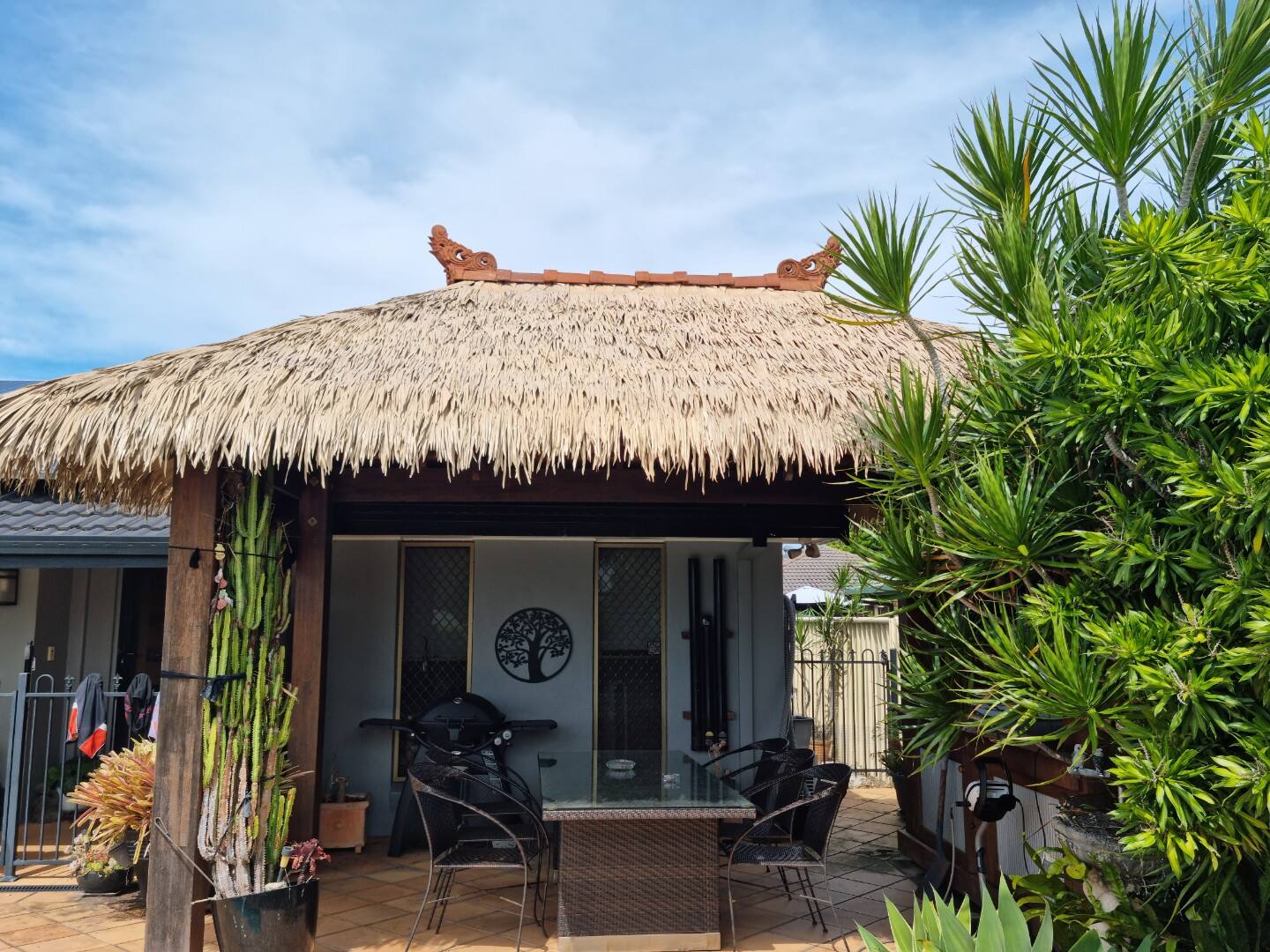
A vendéglátóipar egyre inkább felismeri a műpalmalevelek tetőrendszereit átalakító építészeti elemként, amelyek autentikus trópusi esztétikát kombinálnak a modern tartóssággal. A szálloda- és üdülőfejlesztők, valamint a vendéglátóhelyek tervezői világszerte felfedezik, hogyan alkotnak a műpalmalevelek alkalmazásai mélyreható vendégi élményeket, miközben megoldást nyújtanak kritikus üzemeltetési kihívásokra, például az időjárásállóságra, tűzbiztonságra és hosszú távú karbantartási költségekre. A műpalmalevelek tetőanyagok azon specifikus alkalmazási területeinek megértése, ahol maximális hatást érnek el, segíti a vendéglátóipari szakembereket a tulajdonuk fejlesztéséről szóló tájékozott döntéshozatalban.
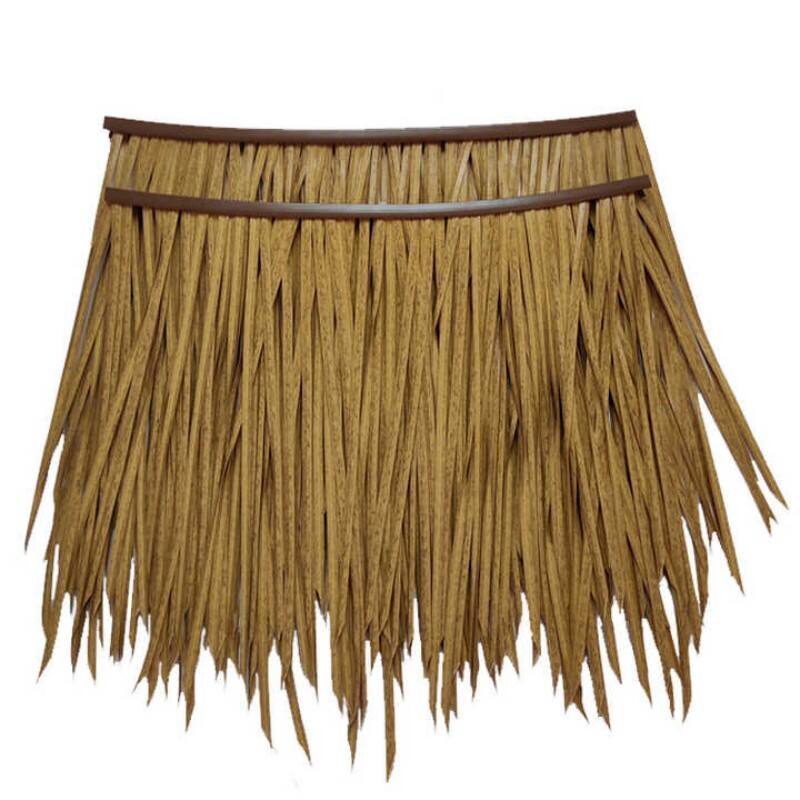
A modern műszálas szalmatető-technológia fejlődött, hogy megfeleljen a kereskedelmi vendéglátóipari környezetek szigorú igényeinek, és olyan kiváló teljesítményjellemzőket kínáljon, amelyeket a természetes szalma egyszerűen nem tud biztosítani. A tengerparti üdülők pavilonjaitól kezdve a városi éttermek teraszáig ezek az innovatív tetőmegoldások biztosítják a látogatók által kívánt vizuális melegséget és trópusi hangulatot, miközben teljesítik a szigorú építésügyi előírásokat és biztonsági követelményeket. A műszálas szalma stratégiai alkalmazása kulcsfontosságú vendéglátóipari területeken közvetlenül befolyásolja a vendégelégedettséget, az üzemeltetés hatékonyságát és a tulajdon hosszú távú értékét.
Fő üdülőalkalmazások a vendégélmény javítása érdekében
Tengeren álló bungalók és villák tetőzése
A víz fölött épített bungalók a trópusi üdülőhelyek luxusának csúcsát jelentik, és a szintetikus nádtető-rendszerek elengedhetetlenné váltak ezekben a prémium szálláshelyeken. A tengeri környezet egyedi kihívásokat jelent, például sópermet-korrodíciót, magas páratartalmat és folyamatos UV-irradiációt, amelyek gyorsan lerombolnák a természetes nádtető anyagokat. A szintetikus nádtető-panelok az igazi trópusi megjelenést nyújtják, amelyet a vendégek várnak, miközben évtizedekig ellenállnak ezeknek a kemény tengerparti körülményeknek anélkül, hogy cserére lenne szükség.
A szállodafejlesztők különösen a szintetikus szalmatetőt választják ki a víz fölé épített szerkezetekhez, mert ez az anyag megtartja színét és szerkezeti integritását a tengeri permet és a trópusi viharok folyamatos hatása ellenére is. A szintetikus szalmatető rendszerek könnyűsége emellett csökkenti a szerkezeti terhelési igényeket, lehetővé téve gazdaságosabb alapozási megoldások alkalmazását a kihívást jelentő tengeri környezetben. Ez a felhasználási mód közvetlenül befolyásolja a vendégek elégedettségét is, mivel a tető a vendégek tartózkodása alatt is tökéletes megjelenést őriz meg.
Medenceparti kabánok és nappali pihenőhelyek
A medenceparti teraszfelületek olyan tetőmegoldásokat igényelnek, amelyek ötvözik az esztétikai vonzerejüket a gyakorlati tartóssággal, így a szintetikus nádtető-anyagok ideálisak kabinákhoz, napozóágyakhoz és pihenőpavilonokhoz. Ezek a nagy forgalmú területek gyakori vegyszeres tisztításnak, klórozott medencekörnyezetnek és folyamatos vendéginterakciónak vannak kitéve. A természetes nád ilyen körülmények között gyorsan elromlana, de a szintetikus alternatívák megőrzik megjelenésüket és szerkezeti integritásukat.
A minőségi szintetikus nádtető-rendszerek tűzállósági tulajdonságai további biztonsági előnyöket nyújtanak medenceparti alkalmazásokban, ahol rendszeresen dohányoznak és ételfelszolgálást végeznek. A szálloda- és üdülőüzemeltetők értékelik, hogy a szintetikus nád nem igényel külön tűzoltórendszert, miközben ugyanakkor megőrzi a trópusi hangulatot, amely javítja a medenceparti élményt. Az alacsony karbantartási igény továbbá lehetővé teszi, hogy a takarítószemélyzet a vendégellátásra koncentráljon, ne pedig folyamatos tetőjavításokra és -cserékre.
Strandbár és étkezőpavilonok
A tengerparti étkezési helyek olyan tetőképzést igényelnek, amely ellenáll a sótartalmú levegőnek, a homokkoptató hatásnak és a gyakori időjárásváltozásoknak, miközben megtartja a vendégeket vonzó trópusi hangulatot. Ezekben a területeken a szintetikus nád-tetők alkalmazásának egyensúlyt kell teremtenie az állóság és az esztétikai vonzalom között, mivel a vendégek hiteles megjelenésű anyagokat várnak, amelyek összhangban állnak a természetes partsáv környezetével. A modern szintetikus nád ezt az egyensúlyt biztosítja a fejlett UV-álló összetételekkel és a valósághű textúramintázatokkal.
Az étteremüzemeltetők különösen értékelik a szintetikus nád-tetőrendszereket azért, mert képesek megőrizni megjelenésük állandóságát a főzési füst, a zsírgőzök és a gyakori takarítás hatása ellenében is. A szintetikus anyagok nem pórusos felülete megakadályozza a szagok felszívódását, és lehetővé teszi a teljes körű fertőtlenítést, így megfelelnek az egészségügyi hatóságok előírásainak, miközben megtartják a laza trópusi étkezési hangulatot, amelyre a strandhelyek vonzerejük szempontjából támaszkodnak.
Étterem- és bárbiztosítási alkalmazások légköri étkezési élményekhez
Kültéri terasz- és udvarfedettség
A városi éttermek, amelyek trópusi témájú kültéri étkezési terek létrehozását célozzák, szintetikus pálmaleveles tetőrendszerekre támaszkodnak, hogy hétköznapi teraszokat emlékezetes étkezési helyekké alakítsanak. A kihívás abban rejlik, hogy autentikus trópusi esztétikát érjenek el olyan városi környezetekben, ahol hiányozhatnak a természetes trópusi növények vagy a part menti hangulat. szintetikus nádtető az anyagok biztosítják e transzformációk vizuális alapját, miközben megfelelnek a városi építési előírásoknak és tűzbiztonsági követelményeknek.
A vendéglők tervezői értékelik, hogy a műpálma tetőburkolatok gyorsan feltelepíthetők anélkül, hogy szakosított munkaerőre lenne szükség a természetes pálmafelhordásához. A moduláris paneleket lehetővé teszik a kreatív építészeti tervek megvalósítását, amelyek különböző tetőhajlásszögeket és díszítő elemeket is tartalmaznak. Ez a rugalmasság lehetővé teszi a vendéglők számára, hogy egyedi kültéri terekben különváltsanak versenytársaiktól, miközben évszakonkénti kültéri étkezési működésük számára időjárásálló védelmet biztosítanak.
Tiki-bárok és témaközpontú szórakoztató helyek
A tiki-témájú létesítmények autentikus kinézetű szalmatetőt igényelnek, hogy létrehozzák azt a merülő polinéz légkört, amely meghatározza a fogalmat. A műszál-szalmatető rendszerek kiválóan alkalmazhatók ezen a területen, mivel egységes vizuális megjelenést biztosítanak anélkül, hogy folyamatos karbantartási problémákat okoznának, amelyek rontanák a tematikus környezetet. A bárok üzemeltetőinek olyan tetőanyagokra van szükségük, amelyek megőrzik megjelenésüket a dohányfüstnek, a főzési gőzöknek és a kereskedelmi célra gyártott fertőtlenítőszerekkel történő gyakori tisztításnak való kitettség ellenére is.
A műszál-szalmatető anyagok tartóssága különösen értékes szórakoztató létesítményekben, ahol a élő zene, különleges események és nagy látogatóforgalom kihívásokat jelentő körülményeket teremt. A természetes szalma ilyen magas igénybevételű környezetekben gyakori javításokat és cseréket igényelne, ami potenciálisan zavarná a működést és folyamatos karbantartási költségeket eredményezne. A műszál-alternatívák megtartják szerkezeti integritásukat és megjelenésük egységességét, így támogatják a zavartalan üzemeltetést.
Beltéri mennyezeti és díszítő alkalmazások
A szintetikus pálmaleveles tetőanyagok belső étteremalkalmazásai a trópusi hangulat kialakítására összpontosítanak klímavezérelt környezetben. A szintetikus pálmaleveles panelekkel készült mennyezeti beépítések átalakítják az átlagos éttermeket trópusi menedékké anélkül, hogy a természetes anyagokhoz társított rágcsáló- és tűzvédelmi aggályok merülnének fel. A kontrollált beltéri környezet lehetővé teszi, hogy a szintetikus pálmaleveles anyagok örökké hibátlan megjelenést őrizzenek, miközben hozzájárulnak az étterem általános témájához és a vendégek élményéhez.
A vendéglátóipari vállalkozások tulajdonosai különösen értékelik a beltéri műpalmalemez-fedés alkalmazását, mivel az megfelel a kereskedelmi épületekre vonatkozó szabályozásoknak, miközben eléri a tervezési célokat. A minőségi műanyag anyagok tűzállósága kielégíti a biztosítási követelményeket és a helyi előírásokat, miközben a valósághű megjelenés a kívánt atmoszférikus hatást eredményezi. A beltéri alkalmazások továbbá kizárják az időjárás okozta karbantartási problémákat, így a műpalmalemez egy költséghatékony hosszú távú megoldást nyújt a témaközpontú étterem belső tereinek kialakításához.
Specializált vendéglátóipari infrastruktúra-alkalmazások
Gyógyfürdő- és wellnessközpont pavilonjai
A szálláshelyi gyógyfürdők és wellness központok olyan tetőrendszereket igényelnek, amelyek nyugodt, természetes környezetet teremtenek, miközben megfelelnek a wellness létesítmények számára elengedhetetlen, szigorú higiéniai és karbantartási szabványoknak. A műszálas szalmatető-rendszerek az organikus esztétikát nyújtják, amelyet a vendégek a felújulással és a természetes gyógyulással társítanak, ugyanakkor gyakorlati előnyöket is kínálnak, például a könnyű tisztíthatóságot és fertőtleníthetőséget. A műanyag anyagok nem pórusos szerkezete megakadályozza a nedvesség visszatartását, amely egyébként penész- vagy baktériumnövekedést eredményezhet a nedves gyógyfürdői környezetben.
A spa-tervezők különösen a szintetikus nádtető anyagokat választják a kezelőpavilonokhoz, mert ezek az anyagok megőrzik megjelenésüket az illóolajok, masszázskrémek és gyakori fertőtlenítési eljárások hatására is. A szintetikus nád csendes működési jellemzői szintén hozzájárulnak ahhoz a békés légkörhöz, amelyre a spa-környezetekben szükség van. Ellentétben a természetes náddal, amely rovarokat vonzhat vagy zajt okozhat szél esetén, a szintetikus alternatívák folyamatos nyugalmat biztosítanak.
Rendezvény- és esküvői helyszínek építményei
A célországos esküvői helyszínek és különleges rendezvények szervezésére szolgáló létesítmények szintetikus nádtető rendszereket alkalmaznak romantikus, trópusi hangulat kialakításához, amely nemcsak gyönyörűen fotózódik, hanem megbízható időjárás-védettséget is nyújt. A szintetikus anyagok esztétikai egységessége biztosítja, hogy minden esküvő vagy különleges esemény ugyanolyan magas minőségű vizuális vonzerőből részesüljön, függetlenül az időjárási viszonyoktól vagy évszakváltásoktól, amelyek befolyásolhatnák a természetes nádanyagokat.
Az eseményrendezők értékelik, hogy a szintetikus nádtető-beépítések nem igényelnek különleges kezelést vagy előkészítést az események előtt, ellentétben a természetes náddal, amelyről hulladék szóródhat le, illetve rágcsáló- vagy rovarirtó kezelésre lehet szükség. A szintetikus rendszerek szerkezeti megbízhatósága továbbá nyugalmat biztosít fontos ünnepek idején, mivel nincs kockázata hirtelen leromlásnak vagy időjárás okozta meghibásodásnak, amely kompromittálná a különleges alkalmakat. Ez a megbízhatósági tényező közvetlenül befolyásolja a rendezvényterem hírnevét és a vendégek elégedettségét.
Fogadó- és előtér-kiemelő elemek
A szállodák és üdülőközpontok fogadóterületein műpalmaleveles tetőelemeket alkalmaznak, hogy a vendégek érkezésétől kezdve trópusi hangulatot teremtsenek. Ezekhez a hangsúlyozó alkalmazásokhoz olyan anyagokra van szükség, amelyek megőrzik egyenletes megjelenésüket a nagy forgalom, a légkondicionáló rendszerek és a mesterséges világítás hatására is – utóbbiak ugyanis színkihalást okozhatnának természetes anyagokban. A műpalmaleveles tetőpanelek biztosítják a tervezők által keresett vizuális hatást, miközben megfelelnek a nagy forgalmú kereskedelmi terek tartóssági követelményeinek.
Az ingatlankezelők értékelik a szintetikus nádtető alkalmazását a lobby területeken, mert az anyagok minimális karbantartást igényelnek, miközben erős első benyomást keltenek, amely befolyásolja a vendégek egész ingatlanról alkotott véleményét. A szintetikus anyagok tűzállósága továbbá biztonsági előnyöket nyújt ezekben a használatban lévő gyülekezőhelyeken, ahol az építési szabályzatok szigorúan előírják a tűzbiztonsági előírások betartását. Az esztétikai vonzerejének és a szabályozási előírásoknak való megfelelésnek ez a kombináció teszi a szintetikus nádtetőt ideális megoldássá a fogadóterületek számára.
Üzemeltetési előnyök és teljesítményelőnyök
Karbantartási hatékonyság és költségkontroll
A szálloda- és étteremüzemeltetők folyamatosan jelentik a karbantartási költségek jelentős csökkenését, amikor természetesről műszálra váltanak a szalmafedési rendszerekben. Az évenkénti újraszalmaozás, a rágcsáló- és rovarirtó kezelések, valamint az időjárási károk javítása megszűnésével előrejelezhető üzemeltetési költségvetések jönnek létre, amelyek támogatják a hosszú távú jövedelmezőséget. A karbantartó személyzet a vendégszolgálati tevékenységekre koncentrálhat, nem pedig folyamatosan tetőjavításokra, így javul az általános üzemeltetési hatékonyság.
A műszál-szalmafedés anyagai tisztítási igénye összhangban van a szokásos vendéglátási karbantartási eljárásokkal, és nem igényel speciális eszközöket vagy képzést. A nyomásos mosás és a szokásos tisztítószerek hatékonyan megőrzik a megjelenést anélkül, hogy a természetes szalmához szükséges finom bánásmódra lenne szükség. Ez a karbantartási kompatibilitás csökkenti a munkaerő-költségeket, és lehetővé teszi a szálláshelyek számára, hogy egységes megjelenési szabványokat tartson fenn minden szalmafedésű területen.
Időjárástűrés és tartóssági teljesítmény
A trópusi üdülőhelyek környezete extrém időjárási kihívásokat jelent, például hurrikánokat, monszunokat és intenzív UV-sugárzást, amelyek gyorsan lerongálhatják a természetes tetőfedő anyagokat. A szintetikus nádfedés tetőrendszerek e feltételekkel szemben ellenállók, mivel UV-stabilizátorokkal vannak felszerelve, ütésálló szerkezettel rendelkeznek, és szélterhelésre vonatkozó minősítésük megfelel a kereskedelmi épületek követelményeinek. A hurrikánokra hajlamos területeken lévő ingatlanok különösen jól profitálnak a szintetikus nádfedés teljesítményéből a viharos évszakokban.
A szintetikus nádfedés tetőanyagok konzisztens teljesítménye kiküszöböli az üzemi zavarokat, amelyeket a sürgősségi tetőjavítások és a vihar utáni helyreállítási munkák okoznak. Az ingatlanok fenntartják vizuális vonzerejüket és működési képességüket a nehéz időjárási körülmények idején is, így biztosítva a bevételi forrásokat és a vendégek elégedettségét. Ez a megbízhatósági tényező különösen értékes azok számára az ingatlanok, amelyek év egészében működnek igénybevételnek kitett klímaviszonyok között.
Biztonság és szabályozási megfelelés
A kereskedelmi és vendéglátási alkalmazások olyan tetőanyagokat igényelnek, amelyek megfelelnek a szigorú tűzbiztonsági előírásoknak, és a minőségi szintetikus nádtető-rendszerek tűzálló tulajdonságokkal rendelkeznek, amelyeket a természetes nád nem tud biztosítani. Ez a megfelelési képesség lehetővé teszi a létesítmények számára, hogy trópusi dizájntémákat valósítsanak meg anélkül, hogy veszélyeztetnék a vendégek biztonságát vagy megszegték volna a helyi építésügyi előírásokat. A biztosítótársaságok szintén elismerik a szintetikus nád anyagok csökkent kockázati profilját a természetes nádhoz képest.
A szintetikus nádtető-anyagok rovar- és rágcsálóálló tulajdonságai kiküszöbölik az egészségügyi aggályokat, amelyeket a természetes nád bevonatoknál gyakran előforduló patkány- vagy rovarfertőzések okoznak. Ez a rovarállóság különösen fontos a vendéglátóipari étkeztetési területeken, ahol az egészségügyi hatóságok szigorú szanitáriai előírásokat követelnek meg. A létesítmények így megtarthatják a trópusi esztétikát, miközben teljes mértékben megfelelnek az egészséges vendéglátási működésre vonatkozó összes szabályozási követelménynek.
GYIK
Mennyi ideig tartanak általában a szintetikus nádtetők alkalmazásai üdülőkörnyezetben?
A kereskedelmi vendéglátási célra tervezett, minőségi szintetikus nádtető-rendszerek általában 15–20 évnyi élettartamot nyújtanak trópusi üdülőkörnyezetben. Ez az élettartam jelentősen meghaladja a természetes nád teljesítményét, amelyet általában 3–5 évenként kell teljesen cserélni. A meghosszabbított élettartam csökkenti a hosszú távú költségeket, és kiküszöböli a tetőcserékkel járó gyakori működési megszakításokat.
Elérhetik-e a szintetikus nádtető-anyagok ugyanolyan autentikus megjelenést, mint a természetes nád?
A modern szintetikus szalmatető-termékek fejlett gyártási technikákat alkalmaznak, amelyek pontosan reprodukálják a hagyományos pálmalevelű tetőzés színváltozatait, felületi mintázatait és természetes egyenetlenségeit. A magas minőségű szintetikus rendszerek telepítésük után gyakorlatilag megkülönbözthetetlenek a természetes szalmatetőktől, így az igazi trópusi esztétikát nyújtják, amelyet a vendégek várnak, miközben kiváló teljesítményjellemzőket is biztosítanak.
Milyen tűzbiztonsági előnyöket kínálnak a szintetikus szalmatető-rendszerek éttermek számára?
A mérnöki tervezésű szintetikus szalmatető-anyagok természetes lángállósággal rendelkeznek, amely megfelel az éttermekre vonatkozó kereskedelmi építési szabályozásoknak. Ellentétben a természetes szalmatetővel, amely jelentős tűzveszélyt jelent, a szintetikus alternatívák kialvásra képesek, ha eltávolítják a gyújtóforrást, és nem terjednek lángok a tetőfelületen. Ez a tűzállóság lehetővé teszi az éttermek számára, hogy trópusi stílust érjenek el, miközben megtartják biztosítási fedezetüket és betartják a szabályozási előírásokat.
Alkalmazhatók-e a szintetikus szalma tetőrendszerek minden éghajlati körülmény között?
A minőségi szintetikus szalma tetőrendszerek hatékonyan működnek különféle éghajlati körülmények között, a trópusi hőségtől és páratartalomtól egészen a mérsékelt évszakokig tartó fagyolás–olvadás ciklusokig. A UV-stabilizátorok megakadályozzák a színkihalást és az anyagromlást a nagy napfényexpozíciójú környezetekben, miközben a rugalmas szerkezet alkalmazkodik a hőmérsékletváltozásokból eredő hőtáguláshoz és -összehúzódáshoz. Azonban a konkrét termék kiválasztása egyeznie kell a helyi éghajlati körülményekkel és az építési előírásokkal a legjobb teljesítmény érdekében.
Tartalomjegyzék
- Fő üdülőalkalmazások a vendégélmény javítása érdekében
- Étterem- és bárbiztosítási alkalmazások légköri étkezési élményekhez
- Specializált vendéglátóipari infrastruktúra-alkalmazások
- Üzemeltetési előnyök és teljesítményelőnyök
-
GYIK
- Mennyi ideig tartanak általában a szintetikus nádtetők alkalmazásai üdülőkörnyezetben?
- Elérhetik-e a szintetikus nádtető-anyagok ugyanolyan autentikus megjelenést, mint a természetes nád?
- Milyen tűzbiztonsági előnyöket kínálnak a szintetikus szalmatető-rendszerek éttermek számára?
- Alkalmazhatók-e a szintetikus szalma tetőrendszerek minden éghajlati körülmény között?