 EN
EN

Memasang atap jerami sintetis memerlukan perencanaan yang matang, persiapan yang tepat, serta perhatian terhadap detail guna mencapai tampilan autentik seperti jerami alami sekaligus menjamin ketahanan jangka panjang. Panduan pemasangan komprehensif ini membahas tantangan paling umum yang dihadapi selama pemasangan atap jerami sintetis serta memberikan solusi praktis untuk membantu kontraktor dan pemilik properti menyelesaikan proyek atap mereka secara sukses. Memahami teknik pemasangan yang benar sangat penting untuk memaksimalkan kinerja dan daya tarik estetika sistem atap jerami sintetis Anda.
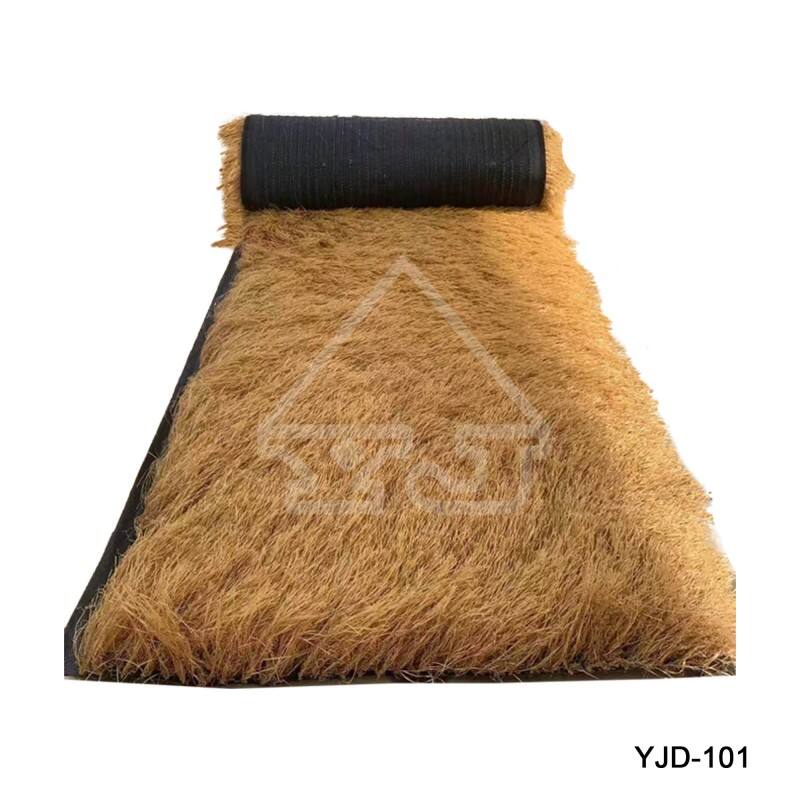
Proses pemasangan bahan ijuk sintetis berbeda secara signifikan dari metode atap tradisional, sehingga memerlukan pengetahuan khusus mengenai teknik pelapisan, sistem pengikat, dan langkah-langkah kedap cuaca. Masalah pemasangan umum dapat mengurangi integritas dan tampilan atap ijuk sintetis Anda jika tidak ditangani secara tepat selama tahap pemasangan. Dengan mengikuti prosedur pemasangan yang telah terbukti dan mengenali potensi masalah sejak dini, Anda dapat memastikan bahwa atap ijuk sintetis Anda memberikan kinerja serta dampak visual yang diharapkan selama bertahun-tahun ke depan.
Persiapan Pra-Pemasangan untuk Ijuk Sintetis Sistem Atap
Penilaian Struktural dan Persyaratan Beban
Sebelum memasang sistem atap jerami sintetis apa pun, melakukan penilaian struktural secara menyeluruh sangat penting untuk memastikan kerangka atap yang ada mampu menopang beban dan persyaratan pemasangan. Bahan jerami sintetis umumnya memiliki berat antara 1,5 hingga 3 pon per kaki persegi, yang jauh lebih ringan dibandingkan jerami alami namun tetap memerlukan penopang struktural yang memadai. Pelat atap harus kokoh dan terpasang dengan benar, dengan kaso yang dipasang berjarak sesuai spesifikasi pabrikan—biasanya 16 hingga 24 inci dari pusat ke pusat, tergantung pada produk atap jerami sintetis tertentu yang dipasang.
Modifikasi struktural mungkin diperlukan jika kerangka yang ada awalnya tidak dirancang untuk atap bergaya ijuk. Penilaian ini harus mencakup pemeriksaan jalur ventilasi yang memadai, karena sistem atap sintetis bergaya ijuk memerlukan aliran udara yang cukup guna mencegah penumpukan kelembapan di bawah material tersebut. Insinyur profesional harus mengevaluasi segala kekhawatiran struktural, khususnya pada bangunan tua atau struktur dengan kapasitas daya dukung yang dipertanyakan.
Kondisi Cuaca dan Pertimbangan Waktu
Kondisi cuaca memainkan peran kritis dalam pemasangan atap jerami sintetis yang sukses, karena suhu ekstrem, angin kencang, atau curah hujan dapat mengganggu proses pemasangan dan kinerja bahan. Jendela pemasangan ideal terjadi saat cuaca bersifat sejuk dan kering, dengan suhu antara 40°F hingga 80°F, sehingga memungkinkan bahan tetap lentur dan perekat mengering secara optimal. Memasang bahan atap jerami sintetis dalam cuaca panas dapat membuat bahan terlalu lentur, sedangkan kondisi dingin dapat membuatnya rapuh dan sulit ditangani.
Kondisi angin harus dipantau secara cermat selama pemasangan, karena bahan ijuk sintetis dapat tertarik angin dan menimbulkan bahaya keselamatan bagi para pemasang. Angin kencang juga dapat memengaruhi penjajaran dan pelapisan yang tepat pada panel atap ijuk sintetis, sehingga mengakibatkan tampilan tidak rata serta titik-titik potensial kebocoran air. Perencanaan pemasangan selama periode cuaca stabil akan mengurangi komplikasi dan memastikan hasil optimal untuk proyek atap ijuk sintetis Anda.
Proses instalasi langkah demi langkah
Lapisan Fondasi dan Penerapan Underlayment
Lapisan fondasi berfungsi sebagai dasar kritis untuk pemasangan atap jerami sintetis dan harus disiapkan secara tepat guna memastikan kinerja jangka panjang. Mulailah dengan memasang lapisan kedap air berkualitas tinggi di seluruh permukaan dek atap, tumpangkan sambungan minimal 6 inci, serta kencangkan menggunakan pengencang yang sesuai sesuai dengan peraturan bangunan setempat. Lapisan ini berfungsi sebagai penghalang utama terhadap air, karena bahan atap jerami sintetis dirancang terutama untuk tujuan estetika dan pengalihan cuaca, bukan untuk kedap air sepenuhnya.
Pasang lapisan bawah mulai dari ujung atap ke atas, memastikan aliran drainase yang tepat serta menghilangkan semua kerutan atau kantong udara yang dapat mengganggu pemasangan. Beri perhatian khusus pada lembah, puncak atap, dan area penetrasi, di mana langkah tambahan untuk kedap air mungkin diperlukan. Kualitas lapisan dasar ini secara langsung memengaruhi keberhasilan seluruh pemasangan atap jerami sintetis, sehingga sangat penting untuk mengikuti spesifikasi pabrikan secara tepat.
Teknik Pemasangan Panel Jerami Sintetis
Memasang panel atap jerami sintetis memerlukan pendekatan sistematis yang dimulai dari bagian atap bawah (eaves) dan berlanjut ke arah puncak atap (ridge). Setiap panel harus tumpang tindih dengan barisan panel sebelumnya sebesar jumlah yang direkomendasikan oleh produsen, biasanya 6 hingga 8 inci, guna menciptakan tampilan berlapis khas atap jerami tradisional. Kencangkan setiap panel menggunakan pengencang yang ditentukan, umumnya sekrup baja tahan karat atau klip khusus yang memungkinkan ekspansi termal tanpa mengurangi kekuatan ikatan.
Penyelarasan yang tepat sangat penting untuk mencapai tampilan autentik atap imitasi jerami , sehingga gunakan garis kapur atau benang penuntun untuk menjaga konsistensi barisan di seluruh permukaan atap. Geser sambungan antarpanel bersebelahan agar tidak terbentuk garis lurus yang mengurangi kesan alami dan tidak teratur khas atap jerami. Lakukan pemasangan secara sistematis guna menjaga konsistensi tumpang tindih dan penyelarasan sepanjang proses pemasangan.
Masalah Umum Pemasangan dan Solusinya
Masalah Penyelarasan dan Pola
Salah satu masalah yang paling sering muncul selama pemasangan atap jerami sintetis adalah mempertahankan keselarasan yang tepat serta menciptakan pola yang tampak alami guna meniru penampilan jerami tradisional. Pemasang kerap kesulitan menjaga kesejajaran barisan (courses) secara lurus sekaligus menghindari pola yang terlalu seragam sehingga terkesan buatan. Masalah ini umumnya terjadi ketika pemasang terlalu mengandalkan pengukuran mekanis tanpa mempertimbangkan ketidakberaturan organik yang menjadi ciri khas atap jerami autentik.
Untuk mengatasi masalah keselarasan, tetapkan garis acuan, namun beri ruang untuk variasi kecil dalam penempatan panel agar tercipta ketidakberaturan yang tampak alami. Gunakan kombinasi alat ukur dan penilaian visual untuk mempertahankan keselarasan keseluruhan sekaligus memperkenalkan variasi halus yang meningkatkan kesan keaslian. Evaluasi berkala dengan mundur selangkah (step-back evaluations) selama proses pemasangan membantu mengidentifikasi dan memperbaiki masalah keselarasan sebelum berkembang menjadi masalah sistematis di seluruh permukaan atap jerami sintetis.
Tantangan Pengikatan dan Pemasangan
Pengikatan yang tidak tepat merupakan tantangan umum lainnya dalam pemasangan atap jerami sintetis, yang sering kali disebabkan oleh kedalaman penetrasi yang tidak memadai, pemilihan pengikat yang salah, atau kegagalan memperhitungkan ekspansi termal. Mengencangkan pengikat secara berlebihan dapat menekan bahan jerami sintetis secara berlebihan, menciptakan area rata yang mengurangi tampilan tiga dimensi. Mengencangkan pengikat secara kurang cukup memungkinkan panel bergeser atau terangkat dalam kondisi berangin, yang berpotensi menyebabkan rembesan air atau kerusakan material.
Pilih pengikat yang dirancang khusus untuk aplikasi atap jerami sintetis, memastikan pengikat tersebut memberikan daya cengkeram yang memadai tanpa menekan bahan secara berlebihan. Ikuti spesifikasi pabrikan mengenai jarak antar pengikat dan kedalaman penetrasi, yang umumnya mensyaratkan pengikat menembus substrat kayu padat minimal 1 inci. Gunakan ring atau tutup yang sesuai untuk mendistribusikan beban pengikatan dan mencegah kerusakan material di sekitar lokasi pengikatan.
Pemecahan Masalah Setelah Pemasangan
Masalah Infiltrasi Air dan Drainase
Masalah infiltrasi air pada pemasangan atap jerami sintetis umumnya disebabkan oleh tumpang tindih panel yang tidak memadai, lapisan bawah (underlayment) yang rusak, atau pemasangan flashing yang tidak tepat di sekitar titik tembus dan transisi atap. Berbeda dengan jerami alami yang mengandalkan kemiringan atap yang curam dan pelapisan tebal untuk mengalirkan air, sistem atap jerami sintetis lebih bergantung pada teknik pemasangan yang benar serta lapisan bawah tahan air guna mencegah kebocoran.
Atasi infiltrasi air dengan terlebih dahulu mengidentifikasi sumber kebocoran melalui pemeriksaan cermat terhadap tumpang tindih panel, titik tembus akibat pengencang, serta area transisi. Perbaiki kebocoran kecil dengan menyesuaikan tumpang tindih panel atau menerapkan sealant yang sesuai pada lokasi pengencang. Untuk masalah infiltrasi besar, mungkin diperlukan pemasangan ulang sebagian pada bagian yang terkena dampak guna memperbaiki cacat pemasangan mendasar dalam sistem atap jerami sintetis.
Angkat Angin dan Pergerakan Material
Angin kencang dapat menyebabkan material atap jerami sintetis terangkat, bergetar, atau terpisah jika tidak dipasang dengan aman. Masalah ini sering terjadi di daerah berangin kencang atau ketika jarak antar pengencang melebihi rekomendasi pabrikan. Pergerakan material juga dapat terjadi akibat ekspansi dan kontraksi termal jika pengencang dikencangkan secara berlebihan atau jika toleransi ekspansi yang disediakan selama pemasangan tidak memadai.
Cegah masalah angkat oleh angin dengan mengikuti jadwal pengencang yang direkomendasikan serta menambahkan pengencang tambahan di zona berangin kencang sesuai ketentuan kode bangunan setempat. Lakukan inspeksi berkala terhadap pemasangan atap jerami sintetis untuk mendeteksi tanda-tanda pergerakan atau pengangkatan material, dan segera tangani masalah tersebut guna mencegah kerusakan progresif. Pertimbangkan pemasangan klip anti-angin atau metode pengikatan tambahan di area yang rentan terhadap kondisi cuaca ekstrem.
Pemeliharaan dan Kinerja Jangka Panjang
Persyaratan Inspeksi dan Perawatan Berkala
Merawat atap jerami sintetis memerlukan inspeksi rutin untuk mengidentifikasi dan menangani masalah kecil sebelum berkembang menjadi masalah besar. Jadwalkan inspeksi dua kali setahun, lebih disarankan pada musim semi dan gugur, guna menilai kondisi panel, pengencang, dan pelat kedap air. Perhatikan tanda-tanda degradasi bahan, korosi pengencang, atau pergeseran panel yang dapat mengurangi kinerja atap jerami sintetis.
Bersihkan permukaan atap jerami sintetis secara berkala dengan metode yang sesuai agar tidak merusak bahan atau mengurangi penampilannya. Sebagian besar bahan jerami sintetis dapat dibersihkan menggunakan larutan deterjen ringan dan sikat berbulu lembut, namun hindari pencucian bertekanan tinggi atau metode pembersihan agresif yang berisiko melepaskan panel atau merusak tekstur permukaan. Buang puing-puing dari permukaan atap dan talang untuk menjaga drainase yang memadai serta mencegah akumulasi kelembapan.
Optimalisasi Kinerja dan Faktor-Faktor yang Mempengaruhi Daya Tahan
Mengoptimalkan kinerja jangka panjang pemasangan atap jerami sintetis melibatkan pemantauan faktor lingkungan yang memengaruhi degradasi material serta langkah-langkah proaktif untuk memperpanjang masa pakai sistem. Paparan sinar UV, fluktuasi suhu, dan siklus kelembapan semuanya memengaruhi umur pakai atap jerami sintetis, sehingga teknik pemasangan yang tepat sangat penting untuk mencapai masa pakai layanan yang diharapkan.
Dokumentasikan detail pemasangan dan simpan catatan semua perbaikan atau modifikasi guna mendukung klaim garansi serta membimbing keputusan perawatan di masa depan. Pertimbangkan penerapan perlakuan pelindung UV jika direkomendasikan oleh produsen, khususnya di wilayah dengan paparan sinar matahari yang intens. Pantau kinerja atap jerami sintetis dari waktu ke waktu untuk mengidentifikasi pola atau masalah berulang yang mungkin menunjukkan adanya masalah sistematis yang memerlukan penanganan profesional.
Pertanyaan yang Sering Diajukan
Alat apa saja yang esensial untuk pemasangan atap jerami sintetis?
Alat-alat penting untuk pemasangan atap jerami sintetis meliputi bor dengan mata bor yang sesuai, pita pengukur, benang kapur, pisau utilitas, gunting logam, peralatan keselamatan termasuk sabuk pengaman dan alas kaki anti-slip, serta pengencang yang ditentukan oleh pabrikan. Alat tambahan yang mungkin diperlukan antara lain penembak paku pneumatik untuk pemasangan yang lebih cepat, waterpass untuk menjaga kesejajaran yang tepat, serta pistol pelapis (caulking gun) untuk aplikasi penyegelan. Pemasangan profesional umumnya memerlukan peralatan khusus untuk menangani panel-panel besar secara aman di permukaan atap yang curam.
Berapa lama waktu yang biasanya dibutuhkan untuk pemasangan atap jerami sintetis?
Waktu pemasangan sistem atap jerami sintetis bervariasi tergantung pada kompleksitas atap, ukuran, dan pengalaman tim pemasang, namun umumnya berkisar antara 2 hingga 5 hari untuk aplikasi residensial rata-rata. Konfigurasi atap sederhana dengan penetrasi minimal atau sudut-sudut kompleks dipasang lebih cepat dibandingkan atap dengan banyak lembah, dormer, atau detail arsitektural. Kondisi cuaca dan pengalaman tim pemasang secara signifikan memengaruhi kecepatan pemasangan, di mana pemasang berpengalaman mampu menyelesaikan proyek atap jerami sintetis lebih efisien tanpa mengorbankan standar kualitas.
Apakah atap jerami sintetis dapat dipasang di atas bahan atap yang sudah ada?
Sistem atap jerami sintetis terkadang dapat dipasang di atas bahan atap yang sudah ada, tetapi pendekatan ini memerlukan evaluasi cermat terhadap kapasitas struktural, kebutuhan ventilasi, serta kepatuhan terhadap kode bangunan setempat. Pemasangan di atas bahan atap yang sudah ada berpotensi mengganggu jalur ventilasi atau melebihi batas beban, khususnya bila dikombinasikan dengan berat bahan atap jerami sintetis. Sebagian besar produsen merekomendasikan penghapusan bahan atap yang sudah ada guna memastikan pemasangan yang tepat serta kinerja optimal sistem atap jerami sintetis.
Apa saja kesalahan paling kritis yang harus dihindari selama proses pemasangan?
Kesalahan kritis yang harus dihindari selama pemasangan atap jerami sintetis meliputi tumpang tindih panel yang tidak memadai, pemilihan atau jarak pengencang yang tidak tepat, kegagalan memasang lapisan bawah (underlayment) yang sesuai, serta terburu-buru dalam proses pemasangan tanpa memperhatikan keselarasan dan konsistensi pola. Mengencangkan pengencang secara berlebihan dapat merusak bahan jerami sintetis, sedangkan mengencangkan terlalu longgar menciptakan celah bagi angin untuk mengangkat atap. Mengabaikan spesifikasi pabrikan mengenai prosedur pemasangan hampir pasti akan menimbulkan masalah kinerja dan bahkan dapat membatalkan jaminan garansi untuk sistem atap jerami sintetis.
Daftar Isi
- Persiapan Pra-Pemasangan untuk Ijuk Sintetis Sistem Atap
- Proses instalasi langkah demi langkah
- Masalah Umum Pemasangan dan Solusinya
- Pemecahan Masalah Setelah Pemasangan
- Pemeliharaan dan Kinerja Jangka Panjang
-
Pertanyaan yang Sering Diajukan
- Alat apa saja yang esensial untuk pemasangan atap jerami sintetis?
- Berapa lama waktu yang biasanya dibutuhkan untuk pemasangan atap jerami sintetis?
- Apakah atap jerami sintetis dapat dipasang di atas bahan atap yang sudah ada?
- Apa saja kesalahan paling kritis yang harus dihindari selama proses pemasangan?