 EN
EN
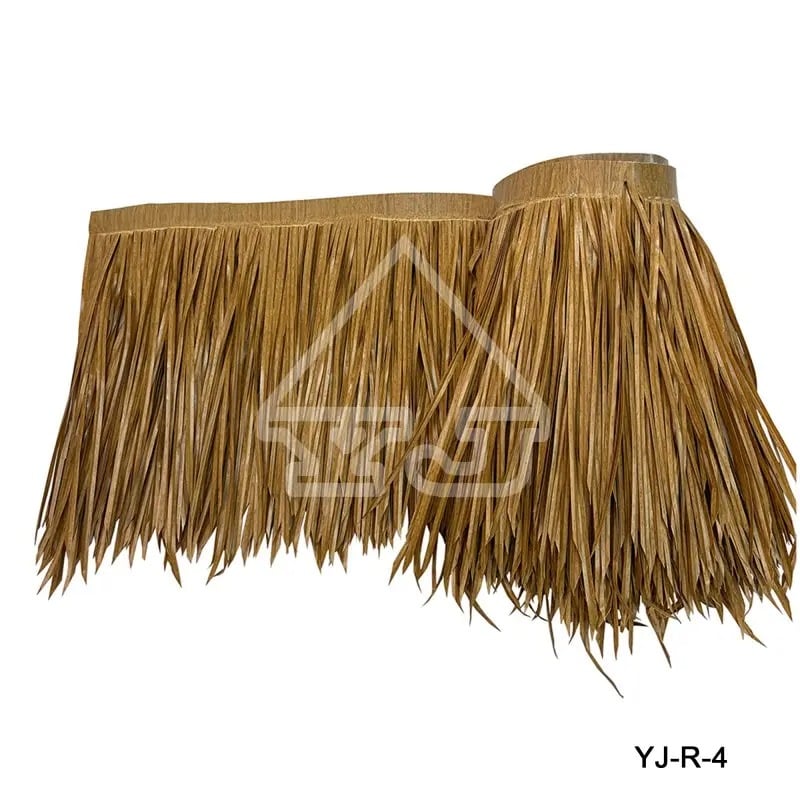
The choice between synthetic thatch roof materials and traditional natural thatch represents one of the most significant decisions in heritage and tropical resort construction. While natural thatch has dominated roofing practices for centuries, synthetic thatch roof materials have emerged as a compelling alternative that challenges conventional wisdom about durability, maintenance, and long-term value. Understanding the performance differences between these two approaches is essential for architects, builders, and property owners who must balance aesthetic preservation with practical operational requirements and budget considerations.
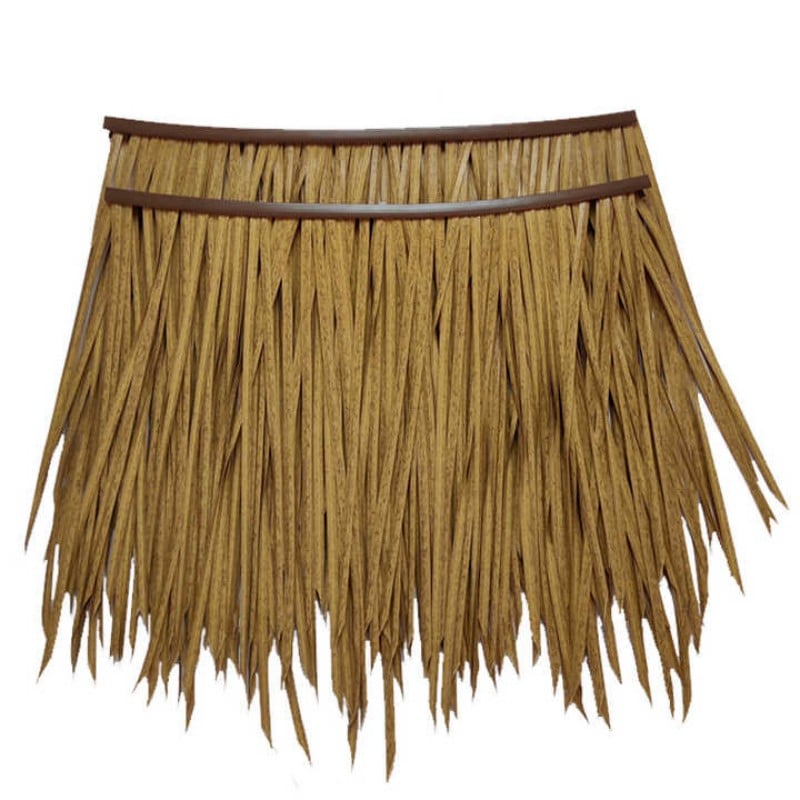
Synthetic thatch roof materials have undergone dramatic technological advances over the past decade, transforming from basic plastic imitations into sophisticated engineered systems that replicate natural thatch appearance while delivering superior performance characteristics. Modern synthetic thatch roof materials incorporate advanced polymer blends, UV-resistant additives, and flame-retardant treatments that address the core vulnerabilities of traditional thatch. This comprehensive comparison examines how synthetic thatch roof materials stack against natural materials across durability, maintenance demands, environmental impact, aesthetic appeal, and total cost of ownership.
Durability and Environmental Resistance
Natural Thatch Performance Limitations
Natural thatch materials, primarily straw and reed, face inherent vulnerability to environmental degradation that has remained largely unchanged throughout history. Exposure to UV radiation causes natural thatch fibers to become brittle and discolored within five to ten years, while moisture penetration accelerates decomposition and encourages moss growth, algae colonization, and fungal decay. Weather cycles, particularly in tropical climates with intense sun exposure and high humidity, reduce the effective lifespan of natural thatch to approximately fifteen to twenty years in harsh environments, requiring regular maintenance interventions and periodic section replacement.
Synthetic Thatch Roof Materials Resilience
Synthetic thatch roof materials address these durability challenges through engineered material science that eliminates biological degradation pathways. High-density polyethylene, polypropylene, and composite polymer formulations resist UV degradation through stabilizer chemistry and pigment technologies, with many synthetic thatch roof materials rated for fifty-year lifespans under tropical exposure conditions. Synthetic thatch roof materials demonstrate superior resistance to moisture absorption, preventing the internal rot and structural weakening that plague natural thatch installations. Temperature cycling, salt spray exposure, and extreme weather events that would accelerate natural thatch failure have minimal impact on properly formulated synthetic thatch roof materials, making them the superior choice for environments with aggressive climate challenges.
Maintenance Requirements and Operational Cost
Natural Thatch Maintenance Burden
Natural thatch demands intensive, recurring maintenance that extends throughout its service life and represents a significant hidden cost often underestimated during initial project planning. Annual inspections become mandatory to identify developing issues, while moss and algae removal requires specialized equipment and trained personnel who understand the fragile fiber structure of traditional thatch. Ridge replacement typically occurs every ten to fifteen years, fire-proofing treatments demand periodic reapplication, and storm damage repairs often necessitate skilled craftspeople whose availability continues to decline as traditional thatch skills fade from the construction workforce. These cumulative maintenance expenses frequently exceed the initial material cost, transforming natural thatch into an ongoing financial commitment rather than a one-time investment.
Synthetic Thatch Roof Materials Minimal Maintenance
Synthetic thatch roof materials eliminate most traditional maintenance requirements through inherent material properties that resist colonization, decay, and environmental attack. Routine cleaning with water and mild detergent removes surface dust, while the non-porous nature of synthetic thatch roof materials prevents moss and algae establishment under most conditions. Structural integrity remains stable across the entire lifespan, eliminating the staged replacement protocols required for natural thatch. Property managers working with synthetic thatch roof materials can implement simple biennial inspections and basic cleaning protocols, reducing long-term operational costs by sixty to seventy percent compared to natural thatch installations. This maintenance efficiency proves particularly valuable for resort operations, historic preservation efforts, and distributed properties where coordinating specialized craftspeople becomes logistically complex.
Aesthetic Authenticity and Visual Performance
Natural Thatch Visual Character
Natural thatch possesses distinctive visual qualities that derive from fiber texture, color variation, and weathering patterns developed through centuries of architectural tradition. The warm, organic appearance of aged natural thatch creates irreplaceable heritage authenticity that influences the premium positioning of luxury resorts and historic properties. However, natural thatch experiences continuous aesthetic degradation as UV exposure fades colors, moisture creates dark staining patterns, and growth colonization produces visible discoloration that requires expensive remediation or complete section replacement to restore original appearance. The visual expense of maintaining natural thatch's aesthetic appeal throughout its service life often exceeds initial cost expectations.
Synthetic Thatch Roof Materials Visual Realism
Contemporary synthetic thatch roof materials incorporate sophisticated manufacturing processes that replicate natural thatch appearance with remarkable fidelity, featuring three-dimensional fiber texture, multi-tone coloring, and depth characteristics that closely match authentic materials. Advanced synthetic thatch roof materials maintain consistent color stability throughout their lifespan, eliminating the browning, graying, and weathering patterns that compromise natural thatch aesthetics. UV-resistant pigments preserve the warm golden tones that define thatch character, while the non-colonizable surface prevents the dark staining and algae growth that degrades natural material appearance. Premium synthetic thatch roof materials now achieve visual authenticity levels that satisfy heritage preservation requirements and luxury hospitality aesthetic standards while delivering decades of consistent appearance without the ongoing expense of color restoration and damage remediation.
Installation Complexity and Timeline Efficiency
Natural Thatch Installation Requirements
Natural thatch installation demands specialized craftspeople whose skills have diminished dramatically as traditional trades decline across developed economies. Thatch masters require years of apprenticeship to develop proficiency in fiber bundling, ridge formation, and structural integration techniques that vary significantly by regional tradition and material source. Installation timelines for natural thatch extend across months rather than weeks, with detailed hand-work that cannot be accelerated through mechanization. The scarcity of qualified thatch craftspeople creates project bottlenecks, increases labor costs, and introduces schedule risk that complicates construction planning for hospitality and heritage properties.
Synthetic Thatch Roof Materials Installation Efficiency
Synthetic thatch roof materials transform installation from specialized handcraft into structured assembly methodology that skilled general contractors can execute efficiently. Modular panel systems, pre-formed ridge sections, and standardized fastening patterns reduce installation timelines from months to weeks while eliminating dependency on rare specialized labor. Synthetic thatch roof materials installation follows consistent protocols that produce uniform results across diverse project teams and geographic locations. Quality control becomes easier to implement and verify, reducing rework and ensuring predictable project costs and schedules. This installation efficiency particularly benefits large-scale hospitality developments, distributed resort properties, and rapid-deployment scenarios where schedule compression represents competitive advantage.
Environmental and Sustainability Considerations
Natural Thatch Resource Impact
Natural thatch materials derive from agricultural crops and wetland harvesting that creates complex environmental implications requiring careful assessment. While straw and reed are renewable resources, intensive harvesting pressures wetland ecosystems in some regions, and agricultural practices supporting thatch material sourcing carry carbon footprints from cultivation, transport, and processing. The limited geographic availability of premium thatch materials creates supply chain complexity and transportation impacts as materials ship internationally to construction sites.
Synthetic Thatch Roof Materials Sustainability Profile
Synthetic thatch roof materials offer environmental advantages through extended lifespan that reduces replacement frequency and cumulative material consumption across decades. Modern formulations incorporate recycled polymer content, reducing virgin resource extraction requirements compared to equivalent service provision through repeated natural thatch replacement cycles. Synthetic thatch roof materials eliminate biological treatment chemicals and fire-proofing additives required for natural thatch, reducing chemical input into roofing systems. End-of-life recyclability for premium synthetic thatch roof materials continues improving as recycling infrastructure for advanced polymers expands, supporting circular economy principles. The maintenance efficiency of synthetic thatch roof materials eliminates the equipment, fuel, and chemical use associated with moss removal, algae treatment, and traditional preservation practices.
Cost Analysis and Total Value Calculation
Initial Capital Investment
Natural thatch typically presents lower per-unit material costs compared to premium synthetic thatch roof materials, creating apparent budget advantages during initial project estimation. However, this comparison ignores the hidden costs embedded in specialized labor, extended installation timelines, and the premium pricing that scarce thatch craftspeople command in competitive labor markets. High-quality synthetic thatch roof materials involve higher upfront material investment but incorporate labor efficiency that frequently offsets material cost premiums through accelerated installation schedules.
Lifecycle Economic Performance
Comprehensive financial analysis across thirty-year operational horizons consistently demonstrates superior total cost performance for synthetic thatch roof materials when maintenance expenses, replacement cycles, and labor rate inflation are included in calculations. Natural thatch requiring ridge replacement every ten to fifteen years, combined with annual maintenance protocols and eventual complete roof replacement, accumulates costs that exceed initial synthetic thatch roof materials investment within two decades of operation. Synthetic thatch roof materials deliver superior return on investment for hospitality properties, heritage facilities, and distributed portfolios where maintenance cost elimination provides measurable financial advantage. Property valuations increasingly recognize synthetic thatch roof materials advantages, with financiers viewing them as lower-risk assets with predictable operational expenses and extended service horizons.
FAQ
How long do synthetic thatch roof materials actually last compared to natural thatch?
Premium synthetic thatch roof materials deliver lifespan expectations of forty to fifty years under tropical exposure, while natural thatch typically functions for fifteen to twenty years in similar environments before requiring major section replacement. Synthetic thatch roof materials maintain structural integrity and aesthetic appeal throughout extended service periods without the progressive degradation cycles that characterize natural materials. This longevity differential becomes economically significant across multi-decade property operation horizons, making synthetic thatch roof materials the superior choice for long-term value creation.
Can synthetic thatch roof materials be used for historic preservation projects requiring authentic appearance?
Contemporary synthetic thatch roof materials achieve visual fidelity that satisfies most heritage conservation standards, with appearance and texture characteristics that closely replicate authentic natural thatch. Many preservation authorities now approve synthetic thatch roof materials for visible applications when material quality meets established aesthetic criteria. However, specific project requirements and heritage designation levels vary, requiring consultation with preservation officials to confirm acceptability for particular historic structures. Premium synthetic thatch roof materials represent appropriate solutions for heritage properties seeking to balance authentic appearance with practical durability and maintenance efficiency.
What maintenance do synthetic thatch roof materials require during their operational life?
Synthetic thatch roof materials require minimal maintenance compared to natural alternatives, with biennial inspections and basic water cleaning representing typical protocols. Property managers should verify fastener integrity during inspections and remove accumulated debris to ensure proper water drainage. Synthetic thatch roof materials do not require chemical treatment, moss removal operations, or periodic section replacement, eliminating the specialized maintenance activities that characterize natural thatch management. This maintenance simplicity translates directly into operational cost savings and reduced administrative burden for property managers.