 EN
EN
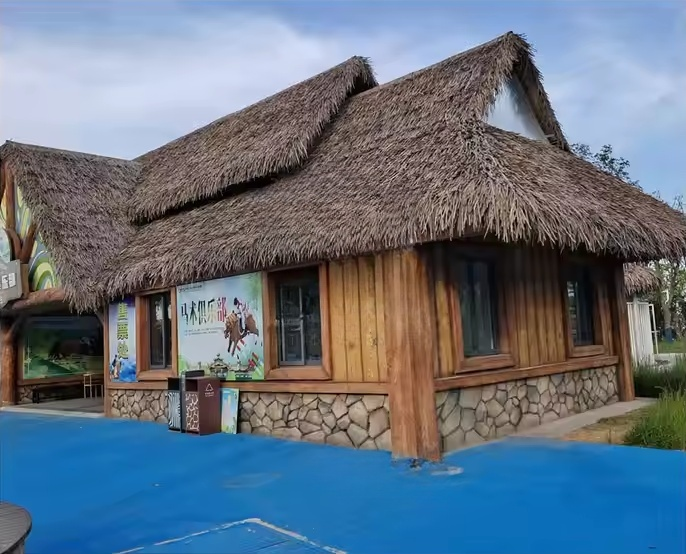
A kereskedelmi fejlesztők egyre gyakrabban választják az műszálkával borított tetőket kereskedelmi megoldásként trópusi stílusú projektekhez a vendéglátóipar, a üdülőközpontok és a szabadidős szektor területén. Ennek a növekvő népszerűségnek több gyakorlati előny is az oka, amelyek egyaránt kezelik a kereskedelmi építészet sajátos kihívásait, és ugyanakkor megőrzik a természetes szálka által nyújtott autentikus esztétikai hatást. Az műszálkával borított tetőrendszerek iránti preferencia okainak megértése fontos betekintést nyújt a modern kereskedelmi építészet prioritásaiba és a projekt hosszú távú életképességébe.
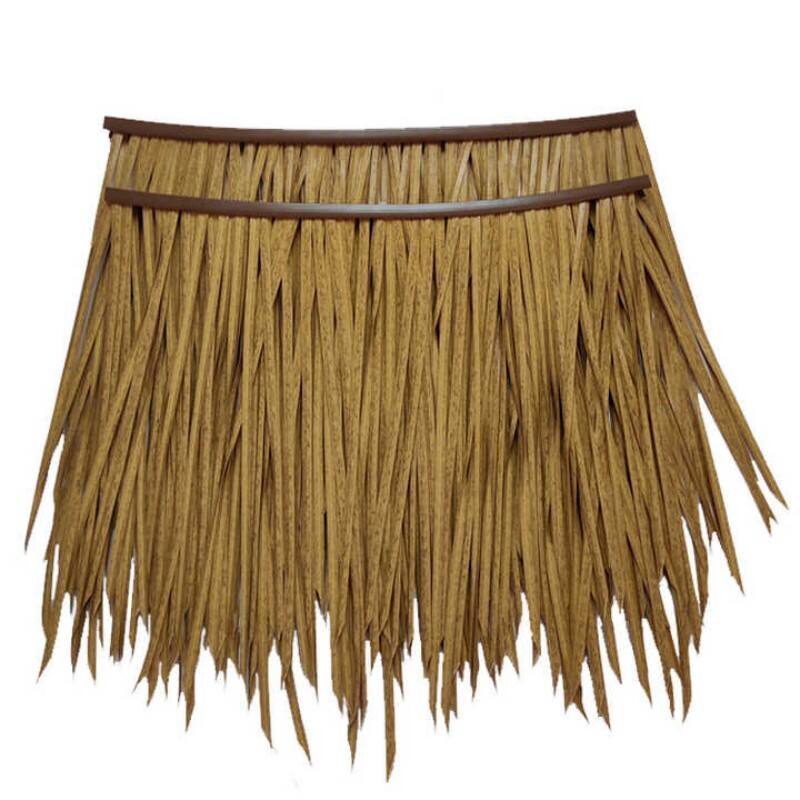
Az műszálból készült szalmafedés irányába történő átállás alapvető változást jelent a kereskedelmi fejlesztők trópusi és sziget-szerű építészeti megközelítésében. A hagyományos természetes szalmafedés, bár vizuálisan vonzó, számos kihívással jár, amelyek ellentmondanak a kereskedelmi projektek követelményeinek, például a karbantartás intenzitása, a tűzbiztonsági aggályok és a tartósságra vonatkozó korlátozások. Az műszálból készült szalmafedés technológiája olyan mértékben fejlődött, hogy ezeket a problémákat kezeli, miközben megőrzi a vizuális hitelességet, amely miatt a szalmafedés annyira vonzó a kereskedelmi alkalmazások számára.
A kiváló tartósság és hosszú élettartam előnyei
Időjárás-ellenes képesség és szerkezeti integritás
A kereskedelmi fejlesztők elsődleges szempontként kezelik a műszál-nyeregtető rendszereket, mivel ezek kiváló ellenállást nyújtanak az olyan időjárási viszonyokkal szemben, amelyek gyorsan tönkreteszik a természetes szalmafedést. Ellentétben a hagyományos szalmatetővel, amely sérülhet a szélkároktól, a nedvességfelvételtől és az UV-bomlástól, a műszál-nyeregtető termékek úgy vannak kialakítva, hogy ellenálljanak a szélsőséges környezeti hatásoknak, például a hurrikánoknak, az erős esőzéseknek és a heves napsütésnek. Ez a időjárásállóság közvetlenül csökkenti a cserék költségét és meghosszabbítja a kereskedelmi ingatlanok tetőinek élettartamát.
Az műtermészetes szalma tetőanyagok szerkezeti integritása idővel állandó marad, ellentétben a természetes szalmával, amely öregedésével rideggé válik, és elveszíti kötő tulajdonságait. A kereskedelmi projektek olyan tetőfedő anyagokat igényelnek, amelyek fenntartják teljesítményjellemzőiket a épület üzemelési ideje alatt, és az műtermészetes szalma tetőrendszerek ezt az állandóságot biztosítják a fejlett polimermérnöki megoldásokon és UV-álló összetételeken keresztül.
Hosszabbított szolgáltatási élettartam és garanciavédett megoldás
A modern műtermészetes szalma tetőtermékek általában 15–20 év garanciát nyújtanak, így hosszú távú teljesítménygaranciákkal látják el a kereskedelmi fejlesztőket, amelyeket a természetes szalma nem tud biztosítani. Ez a meghosszabbított szolgáltatási élettartam azt jelenti, hogy a kereskedelmi ingatlanok évtizedekig üzemelhetnek jelentős tetőfelújítás nélkül, ami jelentősen javítja a projekt megtérülési számításait. A fejlesztők értékelik azt a megjósolhatóságot, amelyet az műtermészetes szalma tetők garanciái biztosítanak a hosszú távú karbantartási költségvetések elkészítéséhez.
A műszálakból készült tetőfedő anyagok szolgálati idejük során állandó teljesítménye kizárja a természetes szalmafedésekkel gyakran előforduló fokozatos minőségromlás jelenségét. A kereskedelmi ingatlanok megőrzik vizuális vonzerejüket és szerkezeti védelmüket anélkül, hogy időszakos, részleges cserére lenne szükségük, mint a természetes szalmából készült fedések esetében, így pontosabb hosszú távú üzemeltetési költségvetéseket lehet készíteni.
Kiterjesztett tűzvédelmi biztonság és építési előírásoknak való megfelelés
Tűzgátló tulajdonságok és biztonsági szabványok
A tűzbiztonság elsődleges aggodalomra ad okot a kereskedelmi fejlesztők számára, és a műszálakból készült tetőfedő anyagok ezt a kihívást olyan, mérnöki úton kialakított tűzgátló tulajdonságokkal oldják meg, amelyeket a természetes szalmafedések nem tudnak nyújtani. A modern műszálakból készült tetőrendszerek úgy vannak tervezve, hogy megfeleljenek a szigorú kereskedelmi épületekre vonatkozó tűzbiztonsági szabványoknak, gyakran elérve az A osztályú tűzállósági besorolást, amely kielégíti a biztosítási követelményeket és a kereskedelmi célú használatra vonatkozó szabályozási előírásokat.
A műszálkás tetőfedő anyagok belső tűzállósága kiküszöböli a természetes szalma tetők telepítésekor esetleg szükséges további tűzoltó rendszerek alkalmazásának szükségességét. Ez a tűzbiztonsági előny nemcsak a kereskedelmi ingatlanok biztosítási díjait csökkenti, hanem egyszerűsíti a helyi építésügyi hatóságok és tűzoltóságok engedélyezési folyamatát is.
Biztosítási és szabályozási előnyök
A kereskedelmi biztosítók gyakran kedvezőbb díjakat kínálnak azoknak az ingatlanoknak, amelyek műszálkás tetőfedő rendszert használnak, mivel ezek tűzkockázata alacsonyabb, mint a természetes szalma anyagoké. Ez a biztosítási költségelőny jelentős, folyamatos üzemeltetési előnyt jelent, amely a teljes tulajdonosi költségre (TCO) is hatással van a szalma stílusú tetőkkel rendelkező kereskedelmi ingatlanok esetében.
Az építési szabályzatoknak való megfelelés egyszerűbbé válik a mesterséges nádtetők telepítésével, mivel ezeket az anyagokat kifejezetten úgy fejlesztették ki, hogy megfeleljenek a kereskedelmi építési szabványoknak. A fejlesztők elkerülik a bonyolult jóváhagyási eljárásokat és a gyakran a természetes náttetők kereskedelmi alkalmazásával járó lehetséges tervezési korlátozásokat.
Csökkent karbantartási igény és üzemeltetési költségek
Minimális folyamatos karbantartási igény
A mesterséges náttető-rendszerek karbantartási igénye lényegesen alacsonyabb, mint a természetes náttetőké, így különösen vonzóvá teszik őket a kereskedelmi ingatlanok számára, ahol a működési hatékonyság elsődleges szempont. Míg a természetes náttető rendszeres ellenőrzést, javítást és részleges cserét igényel megjelenésének és időjárásállóságának fenntartása érdekében, a mesterséges náttető-anyagok teljes élettartamuk során minimális beavatkozással is megőrzik teljesítményüket.
A kereskedelmi ingatlankezelők a műpálma tetők telepítésének alacsony karbantartási igényéből származó előnyöket élvezik, amelyek általában csupán időszakos tisztítást és alkalmi ellenőrzést igényelnek, ellentétben a természetes pálmaanyagokkal kapcsolatos intenzív karbantartási ütemtervekkel. Ez a csökkent karbantartási terhelés lehetővé teszi az ingatlankezelő csapatok számára, hogy erőforrásaikat a vendégellátásra és bevételt generáló tevékenységekre összpontosítsák, ahelyett, hogy folyamatosan a tetőkarbantartással foglalkoznának.
Munkaerő- és anyagköltség-hatékonyság
A műpálma tetőrendszerek telepítése kevesebb szakosított munkaerőt igényel, mint a hagyományos pálmafedés, így csökkenti a kezdeti építési költségeket és a jövőbeni karbantartási kiadásokat is. A kereskedelmi vállalkozók a műnád tető anyagokkal szabványos tetőfedő technikákat alkalmazva dolgozhatnak, így elkerülhető a szakosított pálmafedő kézművesek igénybevétele, akiket nehéz lehet kereskedelmi projektekhez beszerezni.
Az anyagok rendelkezésre állása egy további jelentős előnyt jelent, mivel a mesterséges szalmafedésű tetőanyagokat folyamatosan és időben lehet gyártani és szállítani, ellentétben a természetes szalmával, amely szezonális rendelkezésre állási korlátozásokkal vagy minőségi ingadozásokkal küzdhet. Ennek az anyagellátás megbízhatósága segíti a kereskedelmi fejlesztőket abban, hogy fenntartsák a építési ütemterveket és hatékonyabban ellenőrizzék a projekt költségeit.
Tervezési rugalmasság és esztétikai egységesség
Testreszabási lehetőségek és építészeti integráció
A mesterséges szalmafedésű tetőanyagok kivételes tervezési rugalmasságot nyújtanak a kereskedelmi fejlesztők számára a testreszabható színek, felületi minták és szerelési mintázatok révén, amelyeket természetes szalmával nehezen vagy egyáltalán nem lehetne elérni. Ez a tervezési rugalmasság lehetővé teszi az építészek számára, hogy különleges trópusi esztétikát hozzanak létre, miközben biztosítják a nagyobb kereskedelmi fejlesztések egységességét, ahol a természetes szalma változékonysága esetleg nem kívánatos vizuális egyenetlenségeket eredményezne.
A mesterséges szalma tetők pontos előzetes tervezése és megjelenítése segíti a kereskedelmi fejlesztőket abban, hogy beépítsék a szalma tetőelemeket összetett építészeti tervekbe anélkül, hogy a természetes szalmatető anyagokkal járó bizonytalanság merülne fel. A projekttervezők pontosan meghatározhatják azokat a színeket és textúrákat, amelyek harmonizálnak a többi tervezési elemmel, így biztosítva a vizuális egységességet az egész üdülő- vagy kereskedelmi komplexumon belül.
Hosszú távú vizuális vonzerejűség és színstabilitás
A természetes szalma esetében nehéz fenntartani az idővel egyenletes vizuális vonzerejűséget, mivel a természetes szalma előre nem látható módon időjárásállóvá válik, és gyakori cserére lehet szükség a kívánt esztétikai hatás megőrzéséhez. A mesterséges szalma tetőrendszerek színük és textúrájuk egységességét a teljes élettartamuk során megőrzik, így biztosítva, hogy a kereskedelmi ingatlanok megtartsák eredeti, tervezett vizuális megjelenésüket anélkül, hogy a karbantartással járó költségek és zavarok fellépnének.
A modern műszalmás tetőrendszerekben alkalmazott UV-álló összetételek megakadályozzák a szerves szalmás anyagoknál természetes módon bekövetkező kifakulást és elszíneződést. A kereskedelmi fejlesztők biztonsággal specifikálhatnak műszalmás tetőrendszereket, mivel tudatosan számíthatnak arra, hogy a kezdeti vizuális hatás megmarad a épület üzemelési ideje alatt, ezzel hozzájárulva a hosszú távú márkakonzisztenciához és az ingatlanérték fenntartásához.
GYIK
Hogyan viszonyul a műszalmás tetőrendszer kezdeti költsége a természetes szalmás tetőkéhez kereskedelmi projektek esetén?
Bár a műszalmás tetőrendszerek anyagköltsége kezdetben magasabb lehet, mint a természetes szalmás tetőké, a teljes projekt költsége gyakran alacsonyabb, mivel a telepítés gyorsabb, kevesebb munkaerő szükséges, és nem igényelnek szakmunkásokat. A hosszú távú költségelőny akkor válik jelentőssé, ha figyelembe vesszük a csökkent karbantartási igényt, a hosszabb élettartamot és a műszalmás tetőrendszerek által kereskedelmi alkalmazásokra nyújtott garanciavédelmet.
Milyen tűzbiztonsági tanúsítványokat szoktak elérni a műpálma tetőanyagok kereskedelmi célú használatra?
A minőségi műpálma tetőanyagokat úgy tervezték, hogy megfeleljenek a kereskedelmi építészet számára megkövetelt A osztályú tűzbiztonsági besorolásnak. Ezeket az anyagokat szigorú vizsgálatoknak vetik alá, hogy tűzgátló tanúsítványokat szerezzenek, amelyek teljesítik az építési szabályzatokat, a biztosítási követelményeket és a kereskedelmi célú használatra vonatkozó biztonsági előírásokat, és így dokumentációt nyújtanak a fejlesztők számára a hatósági engedélyezéshez.
Telepíthetők-e a műpálma tetőrendszerek minden éghajlati övezetben kereskedelmi projektekhez?
A modern műszálakból készült szalmafedés anyagai úgy lettek kialakítva, hogy hatékonyan működjenek különböző éghajlati viszonyok között – a trópusi páratartalomtól a hőmérsékleti extrémumokon és az intenzív UV-sugárzáson át egészen a nagy UV-terhelésű környezetekig. A műszálakból készült szalmafedés építéséhez használt szintetikus anyagok ellenállnak a nedvességfelvételnek, a hőmérséklet-ingadozásnak és az UV-bontódásnak, így szinte bármely éghajlati övezetben alkalmazhatók kereskedelmi célú építkezéseknél, ahol a szalmafedés esztétikai megjelenése kívánatos.
Hogyan értékelik a kereskedelmi biztosítók a műszálakból készült szalmafedés telepítését a természetes szalmafedéssel összehasonlítva?
A biztosítók általában kedvezőbben ítélik meg a műszálakból készült szalmafedés telepítését kereskedelmi ingatlanok esetében, mivel ezek kiváló tűzállósággal, egyenletes teljesítményjellemzőkkel és alacsonyabb karbantartási igényekkel rendelkeznek. Számos biztosító kedvezményes díjakat kínál a műszálakból készült szalmafedés rendszerekre, mert ezek alacsonyabb kockázati profilúak, mint a természetes szalmaanyagok – különösen a tűzveszély és az időjárási károkra vonatkozó kárigények tekintetében.
Tartalomjegyzék
- A kiváló tartósság és hosszú élettartam előnyei
- Kiterjesztett tűzvédelmi biztonság és építési előírásoknak való megfelelés
- Csökkent karbantartási igény és üzemeltetési költségek
- Tervezési rugalmasság és esztétikai egységesség
-
GYIK
- Hogyan viszonyul a műszalmás tetőrendszer kezdeti költsége a természetes szalmás tetőkéhez kereskedelmi projektek esetén?
- Milyen tűzbiztonsági tanúsítványokat szoktak elérni a műpálma tetőanyagok kereskedelmi célú használatra?
- Telepíthetők-e a műpálma tetőrendszerek minden éghajlati övezetben kereskedelmi projektekhez?
- Hogyan értékelik a kereskedelmi biztosítók a műszálakból készült szalmafedés telepítését a természetes szalmafedéssel összehasonlítva?