 EN
EN
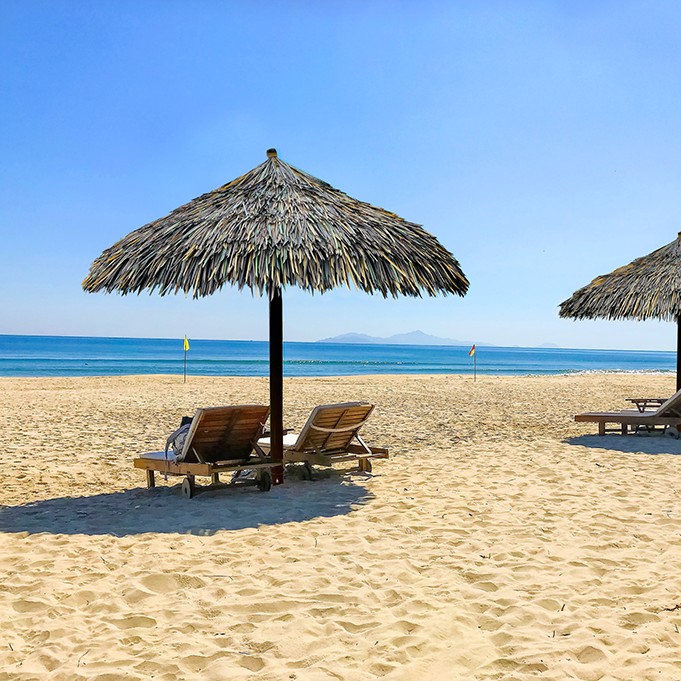
The commercial value of thatched cottage accommodations in scenic destinations represents a strategic opportunity for hospitality businesses seeking to differentiate their offerings and capitalize on growing demand for authentic, nature-inspired lodging experiences. Modern travelers increasingly prioritize unique architectural experiences that blend traditional aesthetics with contemporary comfort standards, positioning thatched cottage properties as premium revenue generators in competitive tourism markets.
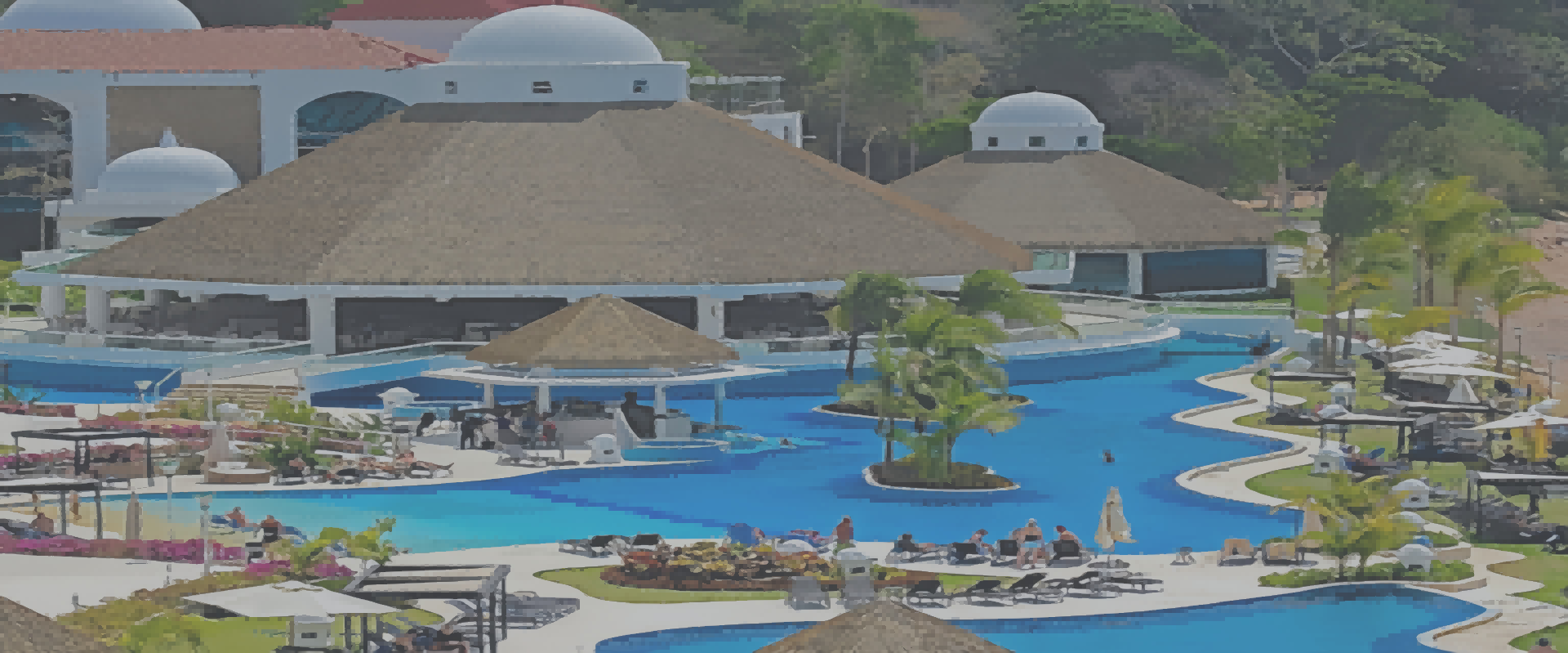
Analyzing the commercial viability of thatched cottage investments requires comprehensive evaluation of revenue potential, operational considerations, and market positioning factors that directly impact profitability and long-term business sustainability. Understanding these commercial dynamics enables property developers and hospitality operators to make informed investment decisions while maximizing the inherent value proposition that thatched cottage architecture provides in distinctive tourism settings.
Revenue Generation Potential of Thatched Cottage Properties
Premium Pricing Opportunities
Thatched cottage accommodations consistently command premium pricing in scenic destinations due to their distinctive architectural appeal and perceived authenticity. Market research indicates that well-positioned thatched cottage properties typically achieve room rates 25-40% higher than comparable conventional accommodations in the same geographic area. This premium pricing reflects consumer willingness to pay for unique experiential value that traditional building styles cannot replicate.
The premium positioning of thatched cottage properties extends beyond base accommodation rates to encompass additional revenue streams including photography packages, wedding venue rentals, and cultural tourism experiences. Properties featuring authentic thatched cottage architecture often attract photography enthusiasts, destination wedding planners, and cultural tourists willing to invest significantly in memorable experiences that showcase traditional craftsmanship and natural materials.
Occupancy Rate Performance
Seasonal occupancy patterns for thatched cottage properties demonstrate strong performance during peak tourism seasons, with many properties achieving occupancy rates exceeding 85% during primary travel periods. The distinctive visual appeal of thatched cottage architecture creates high demand among travelers seeking Instagram-worthy accommodations and authentic cultural experiences.
Off-season performance for thatched cottage properties often outperforms conventional accommodations due to their year-round photogenic appeal and cozy atmosphere that appeals to romantic getaway seekers and retreat participants. Properties strategically designed with modern amenities behind traditional thatched cottage facades typically maintain occupancy rates above 60% even during traditionally slower tourism periods.
Investment Cost Analysis and Return Considerations
Initial Development Investment
Development costs for thatched cottage projects vary significantly based on location, size, and construction methodology, with traditional thatching requiring specialized craftsmen whose availability and pricing impact project economics. Modern synthetic thatching materials offer cost-effective alternatives that maintain visual authenticity while reducing both initial investment requirements and ongoing maintenance expenses associated with natural thatching materials.
Site preparation and foundation work for thatched cottage construction typically requires additional investment in proper drainage and moisture management systems to protect the structural integrity of both traditional and modern thatching materials. These infrastructure investments contribute to long-term property value preservation and reduce potential maintenance liabilities that could impact commercial performance.
Operational Cost Structure
Operating expenses for thatched cottage properties include specialized maintenance requirements, insurance considerations, and staff training needs that differentiate these properties from conventional accommodations. Traditional thatched cottage roofing requires periodic inspection and maintenance by qualified thatchers, while modern synthetic alternatives significantly reduce these specialized service requirements.
Insurance costs for thatched cottage properties historically included fire risk premiums, though modern fire-retardant synthetic thatching materials have substantially reduced these insurance burdens while maintaining the authentic appearance that drives commercial value. Energy efficiency considerations also impact operational costs, with proper insulation and climate control systems essential for guest comfort and operational efficiency.
Market Positioning and Competitive Advantages
Differentiation in Saturated Markets
Thatched cottage properties provide immediate market differentiation in saturated tourism destinations where conventional accommodations struggle to distinguish themselves from competitors. The unique architectural profile of thatched cottage buildings creates memorable guest experiences that generate positive reviews, repeat bookings, and referral business that drives long-term commercial success.
Marketing advantages for thatched cottage properties extend across digital platforms where visual content featuring traditional architecture generates higher engagement rates than standard hotel imagery. Social media marketing for thatched cottage accommodations typically achieves superior organic reach and guest-generated content that provides cost-effective promotional value.
Target Market Alignment
Commercial success for thatched cottage properties depends on alignment with target demographics that value authentic experiences, cultural heritage, and distinctive accommodations over standardized lodging options. Primary target segments include cultural tourists, romantic travelers, photography enthusiasts, and affluent guests seeking unique experiences that justify premium pricing.
Corporate retreat and event hosting represent additional revenue opportunities for thatched cottage properties, with many organizations seeking distinctive venues that provide memorable settings for team building activities, executive retreats, and client entertainment events. The rustic elegance of thatched cottage architecture creates appealing environments for various corporate functions while maintaining professional atmosphere requirements.
Long-term Value Appreciation and Exit Strategy Considerations
Property Value Trends
Real estate appreciation for thatched cottage properties in established scenic destinations typically outperforms conventional commercial properties due to scarcity value and cultural significance that creates enduring market appeal. Heritage value associated with traditional thatched cottage architecture contributes to property appreciation that extends beyond standard tourism real estate cycles.
Regulatory protections for traditional architecture in many scenic destinations create additional value preservation mechanisms for thatched cottage properties, with zoning restrictions that limit new development while protecting existing structures from incompatible modifications. These regulatory frameworks contribute to long-term value stability and potential appreciation that benefits commercial property investors.
Exit Strategy Optimization
Sale opportunities for established thatched cottage properties typically attract premium valuations from buyers seeking turnkey hospitality businesses with proven revenue streams and distinctive market positioning. The operational track record of successful thatched cottage properties provides valuable data that supports premium sale pricing and attracts serious investors.
Alternative exit strategies for thatched cottage properties include franchise development, management company partnerships, and conversion to exclusive private residence applications that maintain commercial value while transitioning to different ownership structures. The flexibility of thatched cottage properties for various commercial applications enhances exit strategy options and potential return optimization.
FAQ
What factors most significantly impact the commercial profitability of thatched cottage accommodations?
Commercial profitability for thatched cottage accommodations depends primarily on location quality, target market alignment, pricing strategy, and operational efficiency. Properties in established scenic destinations with strong tourism infrastructure typically achieve higher occupancy rates and premium pricing that drives profitability. Effective cost management through modern building materials and energy-efficient systems while maintaining authentic appearance maximizes profit margins.
How do maintenance costs for thatched cottage properties compare to conventional accommodations?
Maintenance costs vary significantly based on roofing material choices, with traditional natural thatch requiring specialized craftsmen and periodic replacement that can increase maintenance expenses by 15-25% compared to conventional roofing. Modern synthetic thatching materials substantially reduce these maintenance requirements while preserving authentic appearance, often resulting in maintenance costs comparable to or lower than traditional roofing materials.
What return on investment can property developers expect from thatched cottage hospitality projects?
Return on investment for thatched cottage hospitality projects typically ranges from 12-18% annually in established tourism markets, with premium positioning and unique architectural appeal supporting higher room rates and strong occupancy performance. Projects utilizing modern construction techniques and synthetic materials often achieve faster payback periods while maintaining the authentic appearance that drives commercial value and guest satisfaction.
How important is location selection for thatched cottage commercial success?
Location selection critically impacts commercial success for thatched cottage properties, with scenic destinations, cultural tourism areas, and established hospitality markets providing optimal conditions for premium pricing and strong occupancy rates. Proximity to attractions, transportation infrastructure, and target demographic concentrations significantly influences revenue potential and long-term commercial viability of thatched cottage investments.
Table of Contents
- Revenue Generation Potential of Thatched Cottage Properties
- Investment Cost Analysis and Return Considerations
- Market Positioning and Competitive Advantages
- Long-term Value Appreciation and Exit Strategy Considerations
-
FAQ
- What factors most significantly impact the commercial profitability of thatched cottage accommodations?
- How do maintenance costs for thatched cottage properties compare to conventional accommodations?
- What return on investment can property developers expect from thatched cottage hospitality projects?
- How important is location selection for thatched cottage commercial success?