 EN
EN

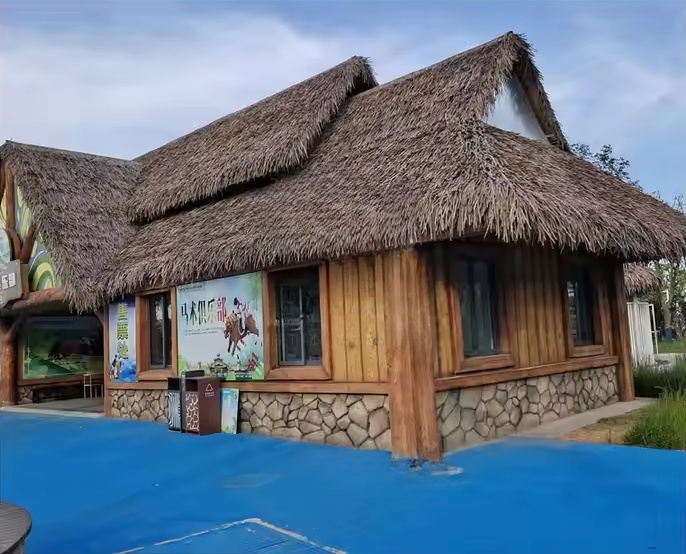
The seamless integration of a thatched roof cottage with its surrounding landscape represents one of architecture's most harmonious achievements, where traditional building techniques meet natural environmental design. This approach to landscape integration goes beyond simple placement, requiring careful consideration of topography, vegetation patterns, and the visual flow between built structures and natural elements. A well-integrated thatched roof cottage becomes an organic extension of its environment, enhancing rather than disrupting the natural beauty of the site.

Achieving perfect integration requires understanding how the distinctive silhouette and natural materials of a thatched roof cottage can complement existing landscape features while maintaining the structure's authentic character. The thatched roof's organic texture and earthy tones naturally bridge the gap between human habitation and the surrounding environment, creating a visual narrative that speaks to centuries of traditional building wisdom adapted for contemporary landscape design principles.
Understanding Site Analysis for Thatched Roof Cottage Placement
Topographical Considerations and Natural Flow
The foundation of perfect integration begins with thorough site analysis, where the natural contours and elevation changes dictate the optimal placement of your thatched roof cottage. Sloping terrain offers opportunities to nestle the structure into hillsides, allowing the cottage to follow the natural grade while maintaining visual connection with distant views. This approach minimizes the visual impact of the building while maximizing its relationship with the surrounding landscape features.
Drainage patterns and water movement across the site significantly influence how a thatched roof cottage should be positioned to work with rather than against natural systems. The cottage placement should respect existing watershed patterns, ensuring that roof runoff contributes positively to the landscape's water management while protecting the structure from potential flooding or erosion issues.
Microclimate analysis reveals how prevailing winds, sun patterns, and seasonal weather changes affect the specific location where the thatched roof cottage will be situated. Understanding these environmental factors allows for strategic positioning that enhances both the cottage's performance and its integration with landscape elements that provide natural wind protection or solar orientation benefits.
Existing Vegetation Assessment and Preservation
Mature trees and established vegetation patterns form the backbone of successful landscape integration, requiring careful evaluation of which elements to preserve, modify, or relocate during cottage construction. A thatched roof cottage benefits enormously from the shelter and visual screening provided by existing canopy trees, which create natural frameworks that enhance the structure's integration with its surroundings.
Root zone protection and construction access planning ensure that valuable existing vegetation survives the building process and continues to contribute to the integrated landscape design. This preservation approach maintains the established ecosystem while allowing the cottage to become a compatible addition rather than a disruptive intrusion into the natural environment.
Seasonal vegetation changes affect how the thatched roof cottage will appear throughout the year, requiring consideration of deciduous tree patterns, flowering periods, and dormant season visibility. Planning for these temporal changes ensures that the integration remains effective across all seasons while taking advantage of seasonal beauty and functional benefits.
Design Principles for Landscape Harmony
Material Continuity and Natural Transitions
The authentic materials of a traditional thatched roof cottage provide natural starting points for landscape integration, with the organic textures and earth tones of thatch roofing creating visual connections to garden elements and hardscape features. Stone foundations, timber framing, and natural wall materials can be echoed in landscape walls, pathways, and garden structures that extend the cottage's material palette into the surrounding environment.
Transition zones between the cottage and open landscape require careful design attention to avoid abrupt boundaries that interrupt the visual flow. Graduated planting heights, meandering pathways, and softly defined garden rooms create gentle transitions that allow the eye to move smoothly from built elements to natural landscape features.
Color harmony between the thatched roof cottage and its landscape setting involves selecting plant materials and hardscape elements that complement rather than compete with the structure's natural tones. The golden browns, soft grays, and weathered textures of traditional thatch provide a neutral backdrop that works beautifully with both vibrant flower colors and subtle foliage variations.
Scale Relationships and Proportional Balance
The intimate scale of most thatched roof cottages requires landscape elements that respect and enhance rather than overwhelm the structure's human-scaled proportions. Garden features, pathways, and outdoor spaces should be sized appropriately to maintain the cottage's cozy character while providing functional outdoor living areas that feel naturally connected to the building.
Vertical elements in the landscape, including trees, pergolas, and garden structures, must be carefully proportioned to complement the cottage's roofline without creating visual competition or blocking important views. The distinctive profile of a thatched roof cottage becomes a focal point that should be enhanced rather than hidden by surrounding landscape features.
Horizontal relationships between the cottage footprint and surrounding garden spaces determine how successfully the structure integrates with its setting. Properly scaled terraces, lawn areas, and planted beds create a series of outdoor rooms that extend the cottage's living spaces into the landscape while maintaining visual coherence.
Practical Integration Strategies
Pathway Design and Circulation Planning
Thoughtful pathway design creates the physical and visual connections that bind a thatched roof cottage to its landscape setting, with circulation routes that follow natural contours and highlight important views or garden features. Curved pathways that meander through the landscape feel more organic than straight lines, creating a sense of discovery and journey that enhances the cottage's rural character.
Material selection for pathways should echo the cottage's construction materials while providing practical durability and weather resistance. Natural stone, gravel, or brick pathways create authentic connections between the cottage and its surroundings while managing foot traffic and defining functional outdoor spaces.
Entry sequences and approach routes significantly influence first impressions and ongoing daily experiences of the thatched roof cottage within its landscape setting. Well-designed approaches gradually reveal the cottage while showcasing the integrated landscape design, creating anticipation and highlighting the harmony between built and natural elements.
Garden Room Development and Functional Zones
Creating distinct but connected outdoor spaces around a thatched roof cottage allows for various activities and experiences while maintaining the overall integration concept. Garden rooms might include intimate seating areas, productive vegetable gardens, or recreational spaces that each relate to specific cottage windows or doors while contributing to the unified landscape design.
Functional considerations such as parking, storage, and service access must be carefully integrated to avoid disrupting the landscape harmony while providing necessary modern conveniences. Screening and thoughtful placement of these utilitarian elements ensures they support rather than detract from the cottage's integration with its natural setting.
Seasonal use patterns and outdoor living preferences influence how various landscape zones should be developed around the thatched roof cottage. Understanding how different areas will be used throughout the year allows for appropriate plant selection, infrastructure placement, and design details that enhance both function and beauty.
Plant Selection and Landscape Ecology
Native Plant Communities and Regional Character
Selecting plants that naturally occur in the region where the thatched roof cottage is located ensures ecological compatibility and enhances the structure's connection to its specific place and context. Native plant communities provide habitat for local wildlife while requiring minimal maintenance once established, creating sustainable landscape integration that evolves naturally over time.
Regional plant palettes often include species that historically grew around traditional cottages, providing authentic choices that support both aesthetic and cultural integration goals. These time-tested combinations of trees, shrubs, and perennials create familiar and comfortable landscape settings that feel naturally appropriate for thatched roof cottage architecture.
Adaptation to local climate conditions and soil types ensures that landscape plantings around the thatched roof cottage will thrive without excessive irrigation or maintenance interventions. Drought-tolerant natives, appropriate moisture-loving species for low areas, and wind-resistant plants for exposed locations create resilient landscape integration that improves with age.
Layered Planting Design and Habitat Creation
Developing layered plant communities around a thatched roof cottage mimics natural forest edge conditions while providing privacy, wind protection, and seasonal interest throughout the year. Canopy trees, understory plants, shrub layers, and ground covers create complex habitat that supports biodiversity while framing and enhancing the cottage within its landscape setting.
Wildlife considerations and habitat creation add life and movement to the integrated landscape while supporting local ecosystem health. Bird-friendly plants, pollinator gardens, and wildlife corridors transform the area around the thatched roof cottage into an active natural community that enhances both environmental value and daily enjoyment.
Seasonal progression and year-round interest ensure that the landscape integration remains attractive and functional throughout all seasons. Careful selection of plants with varying bloom times, interesting winter structure, and attractive fall colors maintains the visual connection between cottage and landscape even during dormant periods.
Long-term Maintenance and Evolution
Sustainable Management Practices
Establishing sustainable maintenance routines for the integrated landscape around a thatched roof cottage preserves both the structure's character and the environmental health of the surrounding ecosystem. Low-impact maintenance practices, organic soil management, and water-wise irrigation systems support the long-term success of the integration while minimizing ongoing environmental impacts.
Pruning strategies and plant health management must consider both individual plant needs and the overall landscape composition around the thatched roof cottage. Thoughtful pruning maintains important views, prevents structural damage, and enhances the visual integration while allowing plants to express their natural growth habits.
Monitoring and adaptive management approaches recognize that landscape integration is an ongoing process that requires attention to changing conditions, plant maturation, and evolving use patterns. Regular assessment and gentle adjustments ensure that the relationship between cottage and landscape continues to improve over time.
Adapting to Change and Growth
Planning for plant maturation and changing scale relationships ensures that the thatched roof cottage integration remains successful as trees grow larger and garden areas develop their mature character. Initial planting decisions should anticipate future size and density while providing immediate visual impact and functional benefits.
Flexibility for future modifications and additions allows the integrated landscape to evolve with changing needs while maintaining its essential character and harmony with the cottage. Thoughtful initial design provides framework that can accommodate new garden features, expanded outdoor living areas, or updated infrastructure without disrupting the overall integration concept.
Legacy planning and long-term stewardship considerations ensure that the carefully developed integration between thatched roof cottage and landscape can be maintained and appreciated by future caretakers. Documentation of design intent, maintenance requirements, and seasonal care schedules preserves the knowledge needed for ongoing success.
FAQ
What are the most critical factors for achieving perfect landscape integration with a thatched roof cottage?
The most critical factors include thorough site analysis to understand natural drainage and topography, preservation of existing mature vegetation that provides framework for integration, appropriate scale relationships between cottage and landscape elements, and selection of native plant materials that create authentic regional character. Success also depends on creating gentle transitions between built and natural areas rather than abrupt boundaries.
How should I approach pathway design to enhance the integration of my thatched roof cottage with its surroundings?
Design pathways that follow natural contours and create curved, meandering routes that reveal the cottage gradually while highlighting important landscape features. Use materials that echo the cottage construction such as natural stone or brick, and ensure pathway scales are appropriate to the intimate character of the cottage. The entry sequence should create anticipation and showcase the harmony between structure and setting.
What plant selection strategies work best for integrating a thatched roof cottage into its landscape?
Focus on native plant communities that naturally occur in your region, as these provide ecological compatibility and authentic character. Develop layered plantings with canopy trees, understory plants, and ground covers that mimic natural edge conditions. Select species that offer seasonal interest, support local wildlife, and complement the earth tones of traditional thatch materials while requiring minimal maintenance once established.
How can I ensure the landscape integration remains successful as plants mature and conditions change over time?
Plan for plant maturation by anticipating future sizes and growth patterns while providing immediate impact. Establish sustainable maintenance practices including thoughtful pruning strategies that maintain views and prevent structural damage. Implement monitoring and adaptive management approaches that allow for gentle adjustments as the landscape evolves, and document design intent and care requirements for long-term stewardship success.
Table of Contents
- Understanding Site Analysis for Thatched Roof Cottage Placement
- Design Principles for Landscape Harmony
- Practical Integration Strategies
- Plant Selection and Landscape Ecology
- Long-term Maintenance and Evolution
-
FAQ
- What are the most critical factors for achieving perfect landscape integration with a thatched roof cottage?
- How should I approach pathway design to enhance the integration of my thatched roof cottage with its surroundings?
- What plant selection strategies work best for integrating a thatched roof cottage into its landscape?
- How can I ensure the landscape integration remains successful as plants mature and conditions change over time?