Get a Free Quote

Our representative will contact you soon.
Email
Name
Company Name
Message
0/1000

B2B Wholesale Guide for Artificial Thatch Roof Procurement

2026-04-27 14:29:00
B2B Wholesale Guide for Artificial Thatch Roof Procurement

Procurement professionals in the hospitality and resort development sectors face increasingly complex decisions when sourcing roofing materials that balance aesthetic appeal with operational durability. The artificial thatch roof market has evolved significantly, offering B2B buyers sophisticated alternatives to traditional natural thatch that deliver authentic visual appeal while addressing the practical concerns of fire safety, weather resistance, and maintenance requirements that drive commercial property decisions.

artificial thatch roof

This comprehensive procurement guide addresses the critical evaluation criteria, specification requirements, and vendor qualification processes that inform successful artificial thatch roof purchasing decisions. Understanding the technical distinctions between material compositions, performance certifications, and installation methodologies enables procurement teams to develop sourcing strategies that align with project timelines, budget parameters, and long-term asset management objectives while ensuring compliance with building codes and insurance requirements.

Market Analysis and Product Categories

Synthetic Material Composition Options

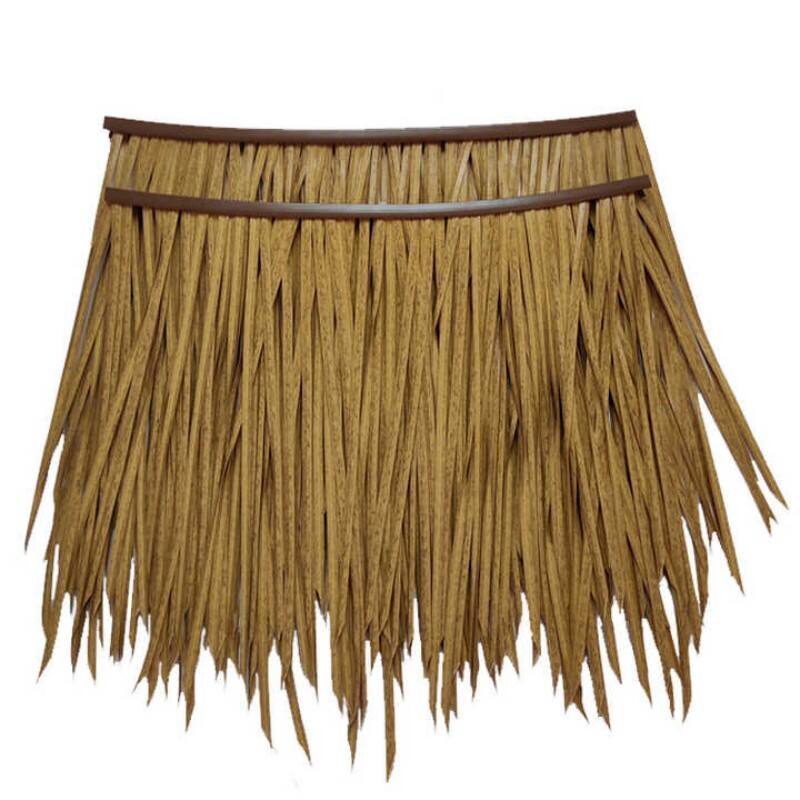
The artificial thatch roof market encompasses several distinct material categories, each offering specific performance characteristics that influence procurement decisions. High-density polyethylene (HDPE) formulations represent the most prevalent option, delivering excellent UV resistance and dimensional stability under temperature fluctuations. These synthetic materials undergo specialized manufacturing processes that replicate the visual texture and color variations of natural thatch while incorporating flame-retardant additives that meet commercial building safety standards.

Polypropylene-based artificial thatch roof systems offer alternative performance profiles, particularly in applications requiring enhanced chemical resistance or specific thermal expansion characteristics. The material selection process must consider environmental exposure conditions, including coastal salt air, industrial pollutants, and extreme weather patterns that affect long-term performance. Understanding these material distinctions enables procurement teams to specify products that optimize lifecycle value while meeting aesthetic requirements.

Composite artificial thatch roof products combine multiple polymer matrices with natural fiber reinforcement, creating hybrid solutions that bridge the gap between purely synthetic and traditional materials. These advanced formulations often incorporate UV stabilizers, antimicrobial treatments, and color-retention technologies that extend service life while maintaining authentic appearance characteristics. Procurement specifications must clearly define material composition requirements to ensure vendor proposals align with project performance expectations.

Performance Certification Standards

Commercial artificial thatch roof procurement requires careful evaluation of performance certifications that validate fire resistance, weather durability, and structural integrity. Class A fire ratings represent the most stringent standard for commercial applications, ensuring that synthetic materials meet the same safety requirements as traditional roofing systems. Procurement teams must verify that vendors provide certified test results from accredited laboratories, documenting flame spread indices and smoke development characteristics.

Weather resistance certifications encompass multiple performance parameters, including UV exposure testing, thermal cycling resistance, and moisture absorption characteristics. ASTM testing standards provide standardized evaluation protocols that enable objective comparison between different artificial thatch roof products. These certifications become particularly critical for projects in harsh environmental conditions where material failure could result in significant replacement costs and operational disruptions.

Wind uplift resistance ratings determine the suitability of artificial thatch roof systems for specific geographic regions and building heights. Procurement specifications must reference local building codes and wind load requirements to ensure that selected products meet or exceed minimum performance thresholds. Independent testing validation provides assurance that vendor claims align with actual product capabilities under real-world conditions.

Procurement Strategy Development

Vendor Qualification Criteria

Establishing comprehensive vendor qualification criteria ensures that artificial thatch roof suppliers possess the manufacturing capabilities, quality systems, and technical support infrastructure necessary for successful project execution. Manufacturing facility audits reveal production processes, quality control procedures, and capacity limitations that affect order fulfillment and product consistency. Procurement teams should evaluate vendor certifications, including ISO quality management standards and environmental compliance documentation.

Technical support capabilities become crucial factors in artificial thatch roof procurement, particularly for complex installation requirements or custom design specifications. Qualified vendors provide detailed installation guidelines, structural load calculations, and compatibility assessments with existing building systems. The availability of on-site technical assistance and training programs can significantly impact project timelines and installation quality outcomes.

Supply chain stability and geographic coverage influence vendor selection decisions, especially for multi-location projects or phased development programs. Understanding vendor distribution networks, inventory management systems, and logistics capabilities helps procurement teams assess delivery reliability and cost structures. Long-term partnership potential should consider vendor investment in product development, market expansion, and customer service infrastructure.

Cost Structure Analysis

Comprehensive cost analysis for artificial thatch roof procurement extends beyond initial material pricing to encompass installation labor, structural modifications, and long-term maintenance requirements. Material costs vary significantly based on product complexity, custom color matching, and order volumes, requiring detailed specification development to enable accurate vendor comparisons. Understanding cost drivers helps procurement teams optimize specifications while maintaining performance requirements.

Installation cost considerations include specialized labor requirements, access equipment needs, and project duration factors that affect overall budget impact. Some artificial thatch roof systems require minimal structural modification, while others necessitate significant framework changes that increase project complexity. Procurement specifications should clearly define installation requirements to ensure vendor proposals include all necessary cost components.

Lifecycle cost modeling incorporates maintenance intervals, replacement schedules, and energy performance impacts that influence total cost of ownership. Artificial thatch roof systems typically offer extended service life compared to natural alternatives, reducing long-term replacement frequency and associated disruption costs. Procurement teams should request vendor lifecycle cost projections supported by actual performance data from similar installations.

Technical Specification Development

Performance Requirements Definition

Developing detailed performance specifications for artificial thatch roof procurement requires careful consideration of environmental conditions, aesthetic requirements, and functional expectations that define project success. Fire resistance specifications must align with local building codes and insurance requirements, typically requiring Class A fire ratings for commercial applications. Smoke development limitations and flame spread characteristics should be clearly defined to ensure vendor proposals meet safety standards.

Weather resistance requirements encompass multiple performance parameters, including UV stability, temperature cycling, moisture resistance, and color retention characteristics. Procurement specifications should define acceptable aging criteria based on project location and expected service life. Understanding regional climate conditions helps establish appropriate performance thresholds that ensure long-term durability without over-specifying requirements that increase costs unnecessarily.

Aesthetic specifications address color consistency, texture variation, and visual authenticity requirements that influence customer satisfaction and brand image. Artificial thatch roof products offer various color options and surface treatments that replicate different natural thatch varieties. Procurement teams should establish color matching protocols and tolerance limits that ensure visual consistency across large installations while accommodating normal manufacturing variations.

Installation and Compatibility Standards

Installation specifications for artificial thatch roof systems must address structural requirements, fastening methods, and compatibility with existing building systems. Structural load analysis determines framework modifications necessary to support synthetic materials, which may differ significantly from natural thatch weight distributions. Procurement specifications should clearly define structural interface requirements to avoid costly modifications during installation.

Fastening system specifications ensure secure attachment while accommodating thermal expansion and contraction cycles that affect long-term performance. Different artificial thatch roof products require specific fastener types, spacing patterns, and installation sequences that influence labor costs and installation quality. Understanding these requirements enables procurement teams to evaluate total installation costs and complexity factors in vendor selection decisions.

Compatibility assessments address integration with existing roofing systems, drainage networks, and building envelope components. Some artificial thatch roof installations require specialized flashing details, vapor barriers, or insulation modifications that affect project scope and costs. Procurement specifications should clearly define interface requirements to ensure vendor proposals include all necessary compatibility components.

Quality Assurance and Risk Management

Inspection and Testing Protocols

Implementing comprehensive quality assurance protocols for artificial thatch roof procurement ensures that delivered materials meet specification requirements and performance expectations. Incoming inspection procedures should verify material composition, dimensional accuracy, and visual quality characteristics against established standards. Random sampling protocols provide statistical confidence in product consistency while managing inspection costs and delivery schedules.

Performance testing requirements validate critical characteristics including fire resistance, weather durability, and structural integrity before installation begins. Third-party testing provides independent verification of vendor claims and reduces procurement risk associated with product performance failures. Testing protocols should align with project specifications and industry standards to ensure meaningful results that support acceptance decisions.

Installation quality monitoring addresses workmanship standards, fastening compliance, and visual appearance criteria that affect project success. Qualified inspection personnel should verify adherence to manufacturer installation guidelines and project specifications throughout the installation process. Documentation requirements ensure that quality records support warranty claims and provide reference information for future maintenance activities.

Warranty and Performance Guarantees

Warranty structure evaluation represents a critical component of artificial thatch roof procurement risk management, addressing material defects, performance degradation, and installation workmanship issues. Comprehensive warranty coverage should include material replacement costs, labor expenses, and consequential damages that result from product failures. Understanding warranty limitations and exclusions helps procurement teams assess risk allocation and insurance requirements.

Performance guarantee provisions establish measurable criteria for artificial thatch roof durability, color retention, and weather resistance over specified time periods. These guarantees provide recourse mechanisms when products fail to meet stated performance levels, reducing long-term replacement risks and associated costs. Procurement contracts should clearly define performance measurement methods and remedy procedures to avoid disputes during warranty periods.

Vendor financial stability assessment ensures that warranty obligations remain viable throughout the coverage period. Companies with strong financial positions and established market presence provide greater assurance that warranty commitments will be honored. Procurement teams should evaluate vendor creditworthiness, market tenure, and insurance coverage as factors in warranty value assessment.

FAQ

What are the key differences between natural and artificial thatch roof systems for commercial applications?

Artificial thatch roof systems offer significant advantages over natural alternatives in commercial applications, including enhanced fire resistance, consistent quality, and extended service life. While natural thatch provides authentic appearance and traditional craftsmanship appeal, artificial materials deliver predictable performance characteristics, reduced maintenance requirements, and compliance with modern building codes. The synthetic alternatives eliminate concerns about insect infestation, mold growth, and material availability that often complicate natural thatch procurement for large commercial projects.

How do procurement teams evaluate artificial thatch roof vendor capabilities and reliability?

Vendor evaluation for artificial thatch roof procurement should encompass manufacturing capabilities, quality certifications, technical support infrastructure, and financial stability. Procurement teams should conduct facility audits, review quality management systems, and assess production capacity relative to project requirements. Technical support capabilities, including installation guidance and engineering assistance, significantly impact project success. Financial evaluation ensures that vendors can fulfill warranty obligations and maintain long-term support commitments throughout the product lifecycle.

What performance certifications are most important for artificial thatch roof procurement decisions?

Fire resistance certifications represent the most critical performance requirement for commercial artificial thatch roof applications, typically requiring Class A fire ratings that meet building code requirements. Weather resistance certifications, including UV stability and thermal cycling performance, ensure long-term durability in challenging environmental conditions. Wind uplift resistance ratings determine suitability for specific geographic regions and building heights. These certifications should be validated by accredited testing laboratories and aligned with local building codes and insurance requirements.

How should procurement teams structure contracts and warranty terms for artificial thatch roof purchases?

Contract structure for artificial thatch roof procurement should clearly define material specifications, performance requirements, delivery schedules, and installation responsibilities. Warranty terms should encompass material defects, performance degradation, and color retention over specified time periods, with clear remedy procedures for non-conformance issues. Payment terms should align with delivery milestones and quality acceptance criteria to ensure vendor accountability. Risk allocation provisions should address force majeure events, specification changes, and consequential damages to protect both parties while ensuring project success.