 EN
EN
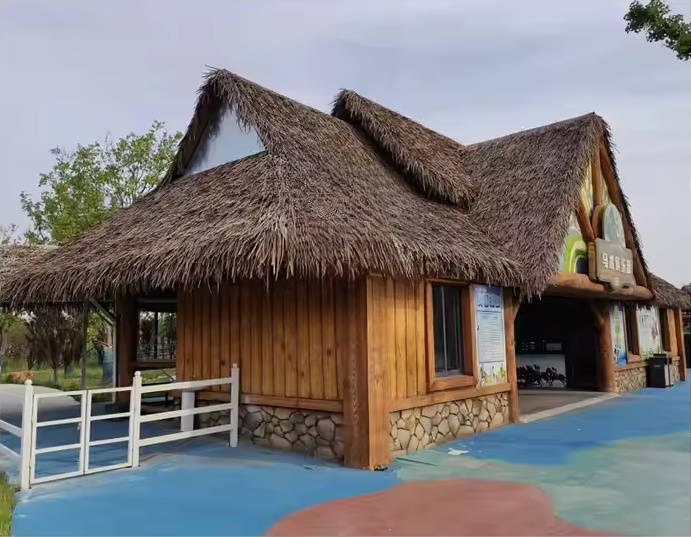
Sức hút của kiến trúc nhiệt đới trong thiết kế khách sạn cao cấp và nhà ở đã khơi dậy một cuộc phục hưng đáng kể đối với các giải pháp mái lá. Các kiến trúc sư hiện đại và chủ đầu tư khu nghỉ dưỡng ngày càng bị thu hút bởi vẻ đẹp chân thực của mái lá truyền thống, song họ lại yêu cầu vật liệu phải đáp ứng các tiêu chuẩn đương đại về độ bền, an toàn và bảo trì. Sự giao thoa giữa nét quyến rũ cổ xưa và tính thực tiễn hiện đại này đã đưa mái lá nhân tạo trở thành một yếu tố thiết kế mang tính chuyển đổi cho các biệt thự cao cấp, khu nghỉ dưỡng boutique và các dự án mang phong cách nhiệt đới trên toàn thế giới.
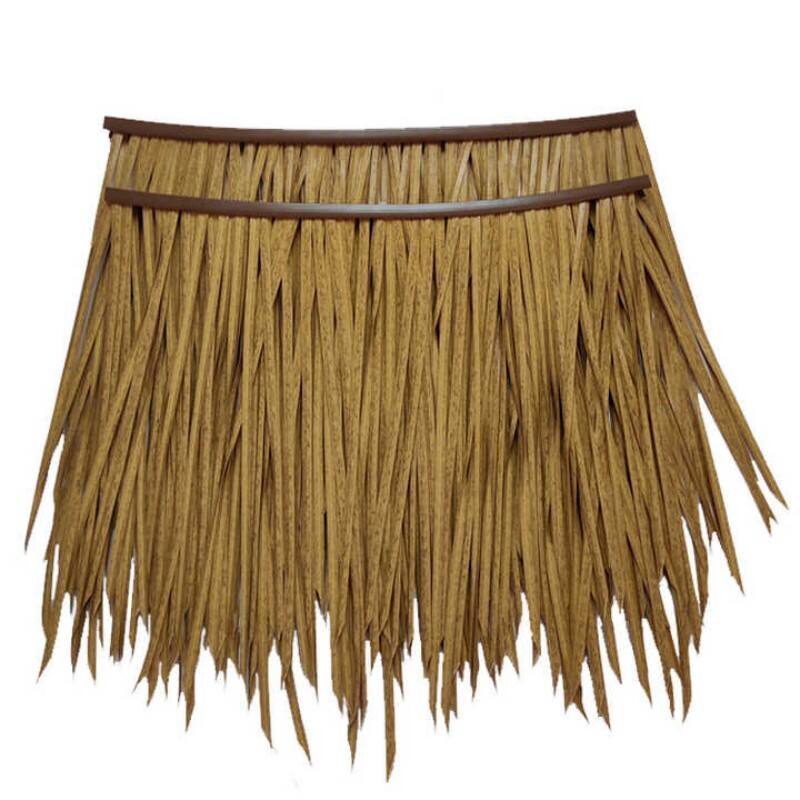
Ngày nay, các chủ đầu tư bất động sản và chủ nhà tinh tế đang tìm kiếm các giải pháp mái lợp mang lại vẻ đẹp thị giác đầy chất thơ của mái rơm tự nhiên, đồng thời loại bỏ những thách thức vốn có của vật liệu hữu cơ. Mái lợp giả rơm ra đời như một giải pháp cân bằng hoàn hảo, mang đến cho các nhà thiết kế sự tự do sáng tạo vô hạn nhằm kiến tạo những không gian nhiệt đới chân thực mà không phải hy sinh độ bền kết cấu, an toàn cháy nổ hay hiệu suất vận hành lâu dài. Từ các khu nghỉ dưỡng bãi biển cao cấp tại Đông Nam Á đến những biệt thự nghỉ dưỡng sang trọng ở vùng Caribe, vật liệu lợp đổi mới này đang định hình lại cách các kiến trúc sư tiếp cận kiến trúc nhiệt đới và phong cách nghỉ dưỡng.
Tầm nhìn Kiến trúc và Triết lý Thiết kế
Vẻ đẹp Nhiệt đới Chân thực trong Xây dựng Hiện đại
Mái lợp bằng thảm cỏ nhân tạo đại diện cho một bước tiến tinh vi trong triết lý thiết kế nhiệt đới, nơi tính chân thực hòa quyện cùng tính thực tiễn. Các kiến trúc sư đương đại đang thực hiện các dự án khu nghỉ dưỡng cao cấp nhận ra rằng khách hàng mong đợi những trải nghiệm sâu sắc, giúp họ như được chuyển đến những khung cảnh nhiệt đới tuyệt đẹp. Độ tương phản thị giác, sự đa dạng về màu sắc và đường nét hữu cơ của một mái lợp bằng thảm cỏ nhân tạo được thiết kế kỹ lưỡng tạo nên cảm giác đặc trưng về không gian này, đồng thời đáp ứng các yêu cầu về kết cấu và vận hành trong lĩnh vực dịch vụ lưu trú thương mại.
Các chuyên gia thiết kế đánh giá cao việc vật liệu lợp mái bằng thảm nhân tạo có thể được chế tạo sao cho tái hiện chính xác những biến đổi tinh tế về màu sắc và các hoa văn phong hóa tự nhiên vốn có trên lớp lợp truyền thống từ lá cọ hoặc sậy. Sự chú trọng đến tính chân thực về mặt thị giác này giúp các kiến trúc sư duy trì được tính toàn vẹn trong thiết kế đối với các khu nghỉ dưỡng quy mô lớn, nơi mà vật liệu tự nhiên thường thiếu sự đồng nhất, đắt đỏ và tốn kém chi phí bảo trì. Khả năng đạt được chất lượng và vẻ ngoài đồng đều trên nhiều tòa nhà, đồng thời vẫn giữ được nét thẩm mỹ thủ công, đại diện cho một bước tiến quan trọng trong kiến trúc khu nghỉ dưỡng.
Tích hợp với Kiến trúc Khu Nghỉ Dưỡng Hiện Đại
Thiết kế biệt thự và khu nghỉ dưỡng hiện đại ngày càng nhấn mạnh vào việc tích hợp liền mạch giữa không gian sống trong nhà và ngoài trời. Mái lợp bằng thảm cỏ nhân tạo đóng vai trò then chốt trong triết lý thiết kế này bằng cách tạo ra sự liên tục về mặt thị giác giữa các mái che dạng pavilion, khu vực ăn uống, cơ sở spa và chỗ ở dành cho khách. Các kiến trúc sư có thể lựa chọn hệ thống mái lợp bằng thảm cỏ nhân tạo phù hợp với các vật liệu tự nhiên khác như tre, gỗ tếch và đá, đồng thời đảm bảo hiệu suất ổn định trên nhiều ứng dụng kết cấu đa dạng.
Tính linh hoạt trong việc lắp đặt mái lá nhân tạo cho phép các nhà thiết kế khám phá những hình thức kiến trúc phức tạp mà việc sử dụng vật liệu tự nhiên sẽ gặp nhiều khó khăn hoặc thậm chí không thể thực hiện được. Các đường viền mái cong, độ dốc mái lớn và các cấu hình mái phức tạp gồm nhiều mặt nghiêng giao nhau (hip-and-valley) đều trở nên khả thi khi làm việc với các vật liệu nhân tạo được chế tạo kỹ lưỡng. Sự tự do trong thiết kế này giúp các kiến trúc sư tạo ra những công trình mang dấu ấn riêng, vừa thể hiện tinh thần của kiến trúc nhiệt đới truyền thống, vừa tích hợp các tiện nghi hiện đại và hệ thống an toàn tiên tiến.
Đổi mới vật liệu và đặc tính hiệu năng
Công nghệ Vật liệu Tổng hợp Tiên tiến
Sự phát triển của vật liệu mái vỏ lát tổng hợp hiệu suất cao đại diện cho một thành tựu công nghệ quan trọng trong kỹ thuật vật liệu xây dựng. Các hệ thống mái vỏ tổng hợp hiện đại sử dụng các thành phần polyme tiên tiến chống lại sự phân hủy tia UV, hấp thụ độ ẩm và mở rộng nhiệt trong khi vẫn duy trì các đặc điểm trực quan của vật liệu tự nhiên. Các giải pháp kỹ thuật này thường kết hợp các chất ổn định tia UV và chất phụ gia chống cháy vượt quá khả năng hoạt động của vật liệu rơm hữu cơ.
Chất lượng mái lá nhân tạo các sản phẩm được trang bị quy trình sản xuất tinh vi nhằm tạo ra các biến thể kết cấu và độ chuyển sắc màu chân thực. Các kỹ thuật đúc và ép đùn được sử dụng trong quá trình sản xuất cho phép nhà sản xuất tái tạo các hoa văn bất quy tắc và sự biến đổi hữu cơ vốn có trong rơm lá tự nhiên, đồng thời đảm bảo các đặc tính cấu trúc ổn định. Độ chính xác cao trong sản xuất này giúp các kiến trúc sư có thể lựa chọn vật liệu lợp mái bằng rơm lá nhân tạo một cách tự tin, nhờ vào cả hiệu quả thẩm mỹ lẫn hiệu năng kỹ thuật.
Độ bền và Khả năng chống thời tiết
Khả năng chống chịu thời tiết vượt trội của hệ thống mái rơm lá nhân tạo khiến chúng đặc biệt giá trị trong các dự án khu nghỉ dưỡng cao cấp tại những vùng khí hậu khắc nghiệt. Khác với các vật liệu rơm lá tự nhiên dễ bị suy giảm nhanh chóng dưới tác động của tia UV mạnh, mưa lớn và không khí mặn, các giải pháp thay thế nhân tạo duy trì được độ bền cấu trúc cũng như vẻ ngoài nguyên bản trong suốt nhiều thập kỷ. Độ bền vượt trội này trực tiếp giúp giảm chi phí bảo trì và nâng cao tính nhất quán trong trải nghiệm của khách lưu trú đối với các chủ đầu tư khu nghỉ dưỡng.
Kháng gió là một lợi thế hiệu suất quan trọng khác của các hệ thống mái lá nhân tạo trong các ứng dụng khu nghỉ dưỡng. Các hệ thống gắn kết được thiết kế kỹ lưỡng và quy trình lắp đặt tiêu chuẩn đảm bảo vật liệu mái lá nhân tạo có thể chịu được sức gió cấp bão mà không gặp phải tình trạng dịch chuyển – vấn đề thường gặp ở mái lá tự nhiên. Độ tin cậy này đặc biệt quan trọng đối với các cơ sở nghỉ dưỡng tại khu vực nhiệt đới, nơi các hiện tượng thời tiết khắc nghiệt thường xuyên đe dọa đến độ bền cấu trúc công trình cũng như an toàn của khách.
Ứng Dụng Thiết Kế và Khả Năng Sáng Tạo
Giải pháp mái cho biệt thự cao cấp
Các dự án biệt thự tư nhân mang đến những cơ hội đặc biệt để phô diễn tính linh hoạt trong thiết kế của các hệ thống mái bằng thảm lá nhân tạo. Những khách hàng nhà ở cao cấp tìm kiếm vẻ đẹp nhiệt đới chân thực mà không phải gánh chịu chi phí bảo trì thường xuyên đánh giá cao các hệ thống mái bằng thảm lá nhân tạo như một giải pháp lý tưởng nhằm tạo nên những tuyên bố kiến trúc nổi bật. Tính linh hoạt của vật liệu cho phép các kiến trúc sư thiết kế các cấu hình mái tùy chỉnh, phù hợp với bối cảnh cảnh quan và phong cách kiến trúc cụ thể, đồng thời đảm bảo hiệu suất bền vững theo thời gian.
Việc lắp đặt mái lá nhân tạo cho các biệt thự cao cấp thường tích hợp nhiều yếu tố kiến trúc, bao gồm mái chính của khu nhà ở, mái cho các lầu vọng cảnh bên hồ bơi, mái cho khu bếp ngoài trời và mái cho khu nhà khách. Độ đồng nhất của vật liệu nhân tạo đảm bảo sự hài hòa về mặt thị giác trên toàn bộ các công trình, đồng thời cho phép các kiến trúc sư thay đổi độ dốc mái, phần mái đua ra và các xử lý chi tiết nhằm tạo nên điểm nhấn kiến trúc. Cách tiếp cận toàn diện này đối với thiết kế mái lá nhân tạo giúp hình thành những không gian sang trọng liền mạch, vừa mang cảm giác nhiệt đới chân thực, vừa đáp ứng các tiêu chuẩn hiện đại.
Tích hợp Thiết kế cho Khu Nghỉ Dưỡng và Dịch Vụ Lưu Trú
Các dự án khu nghỉ dưỡng đại diện cho những ứng dụng đòi hỏi khắt khe nhất đối với hệ thống mái lá nhân tạo, nơi tính thẩm mỹ phải kết hợp hài hòa với độ tin cậy trong vận hành và an toàn cho khách. Các kiến trúc sư hàng đầu chuyên thiết kế khu nghỉ dưỡng lựa chọn vật liệu mái lá nhân tạo cho các khu vực lễ tân, nhà hàng, cơ sở spa và chỗ ở dành cho khách—những nơi mà hệ thống mái đóng góp đáng kể vào trải nghiệm tổng thể của khách. Khả năng tạo ra các chủ đề thị giác nhất quán trên toàn bộ quần thể khu nghỉ dưỡng quy mô lớn, đồng thời vẫn giữ được đặc trưng riêng của từng tòa nhà, cho thấy tính linh hoạt trong thiết kế của các vật liệu nhân tạo hiện đại.
Việc tích hợp các hệ thống mái thảm nhân tạo với các dịch vụ xây dựng hiện đại đặt ra những thách thức và cơ hội thiết kế đặc thù. Các kiến trúc sư phải phối hợp việc lắp đặt mái thảm nhân tạo với các hệ thống HVAC, cơ sở hạ tầng chiếu sáng và mạng lưới truyền thông, đồng thời vẫn giữ được vẻ đẹp hữu cơ vốn là đặc trưng của kiến trúc khu nghỉ dưỡng nhiệt đới. Để tích hợp thành công, cần lập kế hoạch cẩn thận cho các điểm xuyên thấu dịch vụ, các điểm gắn kết kết cấu và các vị trí tiếp cận bảo trì nhằm đảm bảo rằng các hệ thống mái thảm nhân tạo làm tăng chứ không làm giảm hiệu năng của công trình.
Kỹ thuật lắp đặt và các yếu tố cần cân nhắc trong thiết kế
Yêu cầu về kết cấu và kỹ thuật
Các yếu tố cần xem xét trong thiết kế kết cấu đối với hệ thống mái rơm nhân tạo khác biệt đáng kể so với các vật liệu lợp truyền thống, do đó yêu cầu các phương pháp kỹ thuật chuyên biệt nhằm tính đến tải trọng gió, phương pháp gắn kết và sự giãn nở nhiệt. Các kiến trúc sư làm việc với ứng dụng mái rơm nhân tạo phải phối hợp chặt chẽ với kỹ sư kết cấu để đảm bảo hệ thống khung mái cung cấp đủ khả năng chịu lực cho việc lắp đặt cũng như hiệu suất hoạt động lâu dài. Đặc tính tương đối nhẹ của các vật liệu nhân tạo thường cho phép áp dụng các hệ kết cấu hiệu quả hơn so với các vật liệu lợp truyền thống.
Việc lắp đặt đúng cách các hệ thống mái thảm nhân tạo đòi hỏi sự chú ý kỹ lưỡng đến việc chuẩn bị nền, các mẫu cố định và tích hợp chống thấm. Thành công của các dự án mái thảm nhân tạo phụ thuộc rất lớn vào việc đào tạo thợ lắp đặt cũng như kiểm soát chất lượng trong quá trình thi công. Các kiến trúc sư phải nêu rõ các yêu cầu lắp đặt và cung cấp bản vẽ chi tiết đề cập đến các chi tiết kết nối quan trọng, nhằm đảm bảo hệ thống mái thảm nhân tạo hoạt động đúng như thiết kế trong suốt tuổi thọ sử dụng của nó.
Quy hoạch Bảo trì và Tuổi thọ
Yêu cầu bảo trì giảm thiểu của các hệ thống mái lá nhân tạo mang lại lợi thế đáng kể cho các chủ đầu tư khu nghỉ dưỡng và chủ nhà cao cấp; tuy nhiên, việc lập kế hoạch bảo trì phù hợp vẫn rất quan trọng để đảm bảo hiệu suất tối ưu. Khác với các vật liệu lá tự nhiên đòi hỏi thay thế và sửa chữa thường xuyên, các hệ thống mái lá nhân tạo thường chỉ cần làm sạch và kiểm tra định kỳ nhằm duy trì vẻ ngoài cũng như chức năng của chúng. Sự đơn giản trong bảo trì này giúp chủ sở hữu bất động sản tập trung nguồn lực vào dịch vụ khách hàng thay vì các công việc sửa chữa mái nhà kéo dài.
Việc giám sát hiệu suất dài hạn của các hệ thống mái lá nhân tạo cung cấp dữ liệu quý giá để cải tiến thiết kế trong tương lai và tối ưu hóa bảo trì. Các kiến trúc sư và chủ sở hữu công trình nên xây dựng quy trình kiểm tra nhằm đánh giá cả các chỉ số hiệu suất về mặt thẩm mỹ lẫn chức năng, đảm bảo rằng các hệ thống mái lá nhân tạo tiếp tục đáp ứng các mục tiêu thiết kế trong suốt tuổi thọ sử dụng. Cách tiếp cận chủ động này đối với việc lập kế hoạch bảo trì giúp tối đa hóa lợi ích đầu tư vào công nghệ mái lá nhân tạo.
Tác động môi trường và tính bền vững
Đặc tính vật liệu bền vững
Hồ sơ môi trường của các hệ thống mái lá nhân tạo vừa mang lại những lợi thế vừa đặt ra một số vấn đề cần xem xét so với các lựa chọn tự nhiên. Mặc dù vật liệu nhân tạo đòi hỏi quy trình sản xuất tiêu tốn nhiều năng lượng, tuổi thọ sử dụng kéo dài và nhu cầu bảo trì giảm thiểu thường dẫn đến tác động môi trường tổng thể thấp hơn trong suốt vòng đời công trình. Nhiều sản phẩm mái lá nhân tạo tích hợp thành phần tái chế và có thể được tái chế khi kết thúc tuổi thọ sử dụng, góp phần hiện thực hóa các nguyên tắc kinh tế tuần hoàn trong xây dựng công trình.
Việc loại bỏ áp lực khai thác đối với các vật liệu lợp mái bằng cỏ tự nhiên đại diện cho một lợi ích sinh thái đáng kể khi áp dụng mái lợp bằng vật liệu tổng hợp. Việc thu hoạch cỏ lợp truyền thống có thể ảnh hưởng tiêu cực đến các hệ sinh thái đất ngập nước và các khu vực canh tác, trong khi các giải pháp thay thế bằng vật liệu tổng hợp loại bỏ hoàn toàn áp lực môi trường này. Đối với các nhà phát triển khu nghỉ dưỡng và chủ nhà có ý thức bảo vệ môi trường, các hệ thống mái lợp bằng vật liệu tổng hợp mang đến giải pháp đạt được vẻ đẹp nhiệt đới chân thực mà không gây xáo trộn đến môi trường sống tự nhiên.
Hiệu suất Năng lượng và Các Yếu tố Khí hậu
Các đặc tính hiệu suất nhiệt của hệ thống mái bằng thảm cỏ nhân tạo có thể góp phần nâng cao hiệu quả năng lượng tổng thể của tòa nhà khi được tích hợp một cách phù hợp với các chiến lược thiết kế công trình. Các đặc tính cách nhiệt của vật liệu mái bằng thảm cỏ nhân tạo, kết hợp với thiết kế thông gió thích hợp, có thể làm giảm nhu cầu làm mát trong các khí hậu nhiệt đới đồng thời vẫn giữ được vẻ ngoài chân thực vốn là yếu tố định hình kiến trúc khu nghỉ dưỡng cao cấp. Lợi thế về hiệu suất năng lượng này hỗ trợ các mục tiêu phát triển bền vững mà vẫn bảo toàn tính xác thực trong thiết kế.
Việc thích ứng với biến đổi khí hậu đang trở thành một yếu tố ngày càng quan trọng trong thiết kế khu nghỉ dưỡng và nhà ở cao cấp, trong đó các hệ thống mái bằng thảm cọ nhân tạo mang lại khả năng chống chịu tốt hơn so với các lựa chọn tự nhiên. Khả năng chịu đựng các hiện tượng thời tiết cực đoan, kháng lại sự suy giảm do các yếu tố căng thẳng liên quan đến khí hậu và duy trì tính ổn định về hiệu suất góp phần thực hiện các mục tiêu bền vững dài hạn. Các kiến trúc sư thiết kế nhằm nâng cao khả năng phục hồi trước biến đổi khí hậu coi các hệ thống mái bằng thảm cọ nhân tạo là công cụ hữu ích để tạo ra các công trình kiến trúc nhiệt đới bền vững, có khả năng thích nghi với những điều kiện môi trường thay đổi.
Câu hỏi thường gặp
Các hệ thống mái bằng thảm cọ nhân tạo thường có tuổi thọ bao lâu trong môi trường khu nghỉ dưỡng nhiệt đới?
Hệ thống mái vỏ cỏ tổng hợp chất lượng cao được thiết kế để cung cấp 15-25 năm tuổi thọ trong môi trường nhiệt đới đòi hỏi, vượt quá đáng kể tuổi thọ 3-7 năm điển hình của vật liệu vỏ cỏ tự nhiên. Thời gian sống lâu chính xác phụ thuộc vào các yếu tố bao gồm cường độ tiếp xúc tia UV, điều kiện gió, tiếp xúc với không khí mặn và các phương pháp bảo trì. Nhiều nhà sản xuất cung cấp bảo hành từ 10-15 năm, phản ánh sự tự tin vào hiệu suất lâu dài của công nghệ mái vỏ dừa tổng hợp.
Những lợi thế an toàn cháy nào mà mái vỏ cỏ nhân tạo cung cấp so với các vật liệu tự nhiên?
Vật liệu lợp mái bằng rơm nhân tạo có thể được thiết kế để đáp ứng các yêu cầu cụ thể về khả năng chống cháy, với nhiều sản phẩm đạt cấp độ chống cháy Class A – vượt trội hơn so với rơm tự nhiên. Việc bổ sung các chất phụ gia chống cháy và đặc tính tự dập tắt ngọn lửa giúp giảm đáng kể nguy cơ lan rộng của đám cháy so với các vật liệu hữu cơ khô. Lợi thế về an toàn cháy nổ này đặc biệt quan trọng trong các ứng dụng tại khu nghỉ dưỡng, nơi mà sự an toàn của khách và các yêu cầu bảo hiểm đòi hỏi các đặc tính chống cháy vượt trội.
Các hệ thống mái lợp bằng rơm nhân tạo có thể được lắp đặt trên các kết cấu công trình hiện hữu không?
Các hệ thống mái bằng thảm nhân tạo thường có thể được lắp đặt như các ứng dụng cải tạo trên các công trình hiện hữu, miễn là khung mái bên dưới có khả năng chịu tải bổ sung và cung cấp các điểm gắn kết phù hợp. Đặc tính tương đối nhẹ của vật liệu nhân tạo khiến chúng thích hợp cho các dự án cải tạo, nơi dung lượng kết cấu có thể hạn chế các lựa chọn mái khác. Tuy nhiên, việc đánh giá kỹ thuật một cách đúng đắn là điều thiết yếu để đảm bảo rằng các công trình hiện hữu có thể chịu tải an toàn các hệ thống mái bằng thảm nhân tạo và đáp ứng các yêu cầu của quy chuẩn xây dựng địa phương.
Mái bằng thảm nhân tạo hoạt động như thế nào trong các khu vực thường xuyên chịu ảnh hưởng của bão?
Các hệ thống mái lá nhân tạo hiện đại được thiết kế đặc biệt để chịu được các điều kiện gió mạnh phổ biến ở các khu vực nhiệt đới dễ xảy ra bão. Việc lắp đặt đúng cách bằng các hệ thống cố định cơ học và các phương pháp gắn kết đã được tính toán kỹ thuật giúp mái lá nhân tạo chống lại lực nâng do gió gây ra—những lực này có thể dễ dàng làm hư hại hoặc phá hủy mái lá tự nhiên. Nhiều sản phẩm mái lá nhân tạo đã được kiểm tra khả năng chịu được vận tốc gió vượt quá 150 dặm/giờ, do đó rất phù hợp cho các ứng dụng tại khu nghỉ dưỡng cao cấp ở những khu vực thường xuyên chịu ảnh hưởng của các cơn bão nhiệt đới và bão dữ dội.
Mục lục
- Tầm nhìn Kiến trúc và Triết lý Thiết kế
- Đổi mới vật liệu và đặc tính hiệu năng
- Ứng Dụng Thiết Kế và Khả Năng Sáng Tạo
- Kỹ thuật lắp đặt và các yếu tố cần cân nhắc trong thiết kế
- Tác động môi trường và tính bền vững
-
Câu hỏi thường gặp
- Các hệ thống mái bằng thảm cọ nhân tạo thường có tuổi thọ bao lâu trong môi trường khu nghỉ dưỡng nhiệt đới?
- Những lợi thế an toàn cháy nào mà mái vỏ cỏ nhân tạo cung cấp so với các vật liệu tự nhiên?
- Các hệ thống mái lợp bằng rơm nhân tạo có thể được lắp đặt trên các kết cấu công trình hiện hữu không?
- Mái bằng thảm nhân tạo hoạt động như thế nào trong các khu vực thường xuyên chịu ảnh hưởng của bão?