 EN
EN

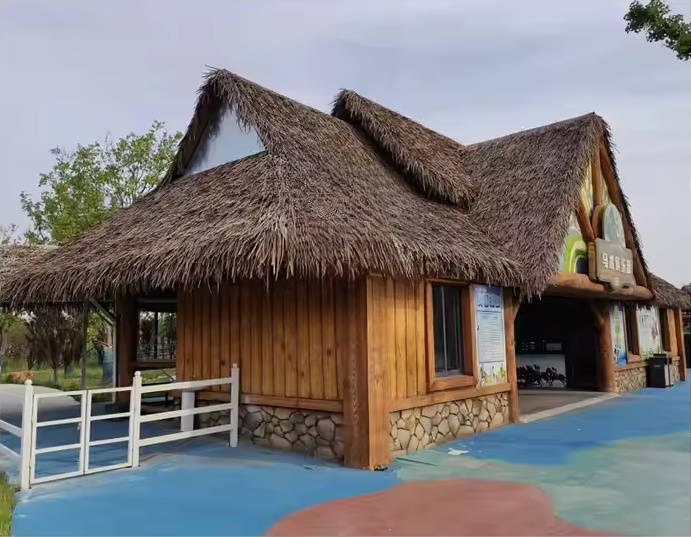
Green buildings represent the future of sustainable construction, where every material choice impacts environmental performance, energy efficiency, and long-term operational costs. As architects and developers seek innovative roofing solutions that align with green building standards, the synthetic thatch roof emerges as a compelling alternative to traditional materials, offering unique advantages in sustainable design while maintaining aesthetic appeal and functional performance.
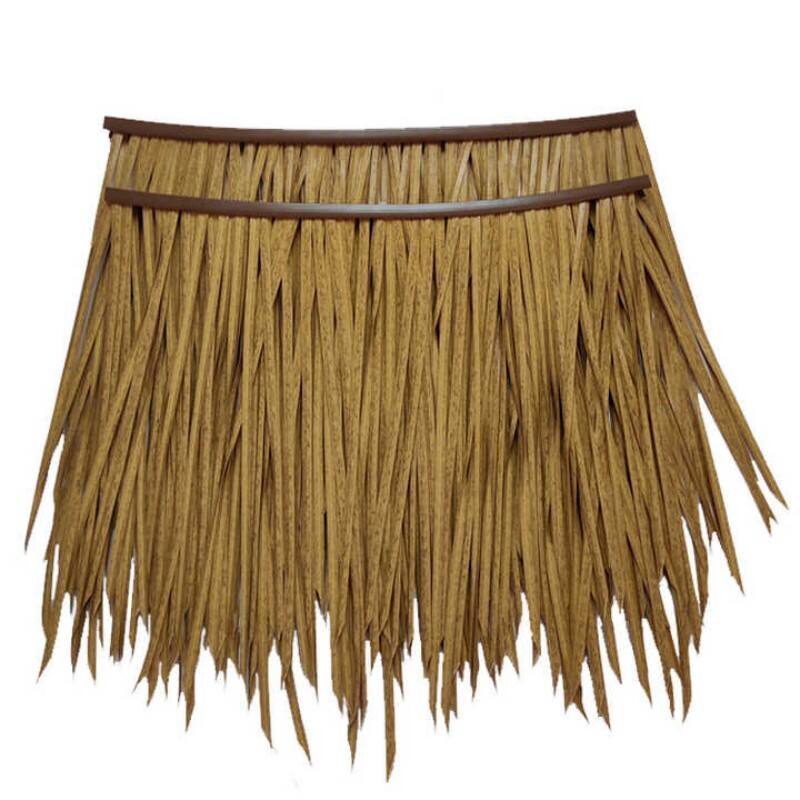
The application potential of synthetic thatch roof systems in green buildings extends far beyond simple aesthetic considerations, encompassing thermal performance, durability, recyclability, and contribution to various green building certification programs. Modern synthetic thatch roof technology addresses many limitations of natural thatching while introducing new possibilities for sustainable building design that were previously unattainable with conventional roofing materials.
Environmental Benefits and Sustainability Profile
Carbon Footprint Reduction
The synthetic thatch roof contributes significantly to reducing the overall carbon footprint of green buildings through multiple mechanisms. Unlike natural thatch that requires continuous harvesting and replacement cycles every 15-20 years, synthetic alternatives can maintain performance for decades without replacement, eliminating the carbon emissions associated with frequent material production and transportation. The manufacturing process of quality synthetic thatch roof systems typically generates lower lifetime carbon emissions compared to the cumulative impact of multiple natural thatch replacements over a building's lifespan.
Modern synthetic thatch roof materials often incorporate recycled content, further reducing their environmental impact. High-density polyethylene and other polymer-based synthetic thatch systems can contain significant percentages of post-consumer recycled materials, contributing to circular economy principles that are fundamental to green building design. This recycled content integration allows green building projects to achieve higher scores in materials and resources categories of various certification systems.
Resource Conservation
The resource conservation benefits of synthetic thatch roof applications in green buildings extend to both material sourcing and long-term maintenance requirements. Natural thatching materials like reed, straw, and palm fronds require extensive agricultural resources, including land, water, and processing facilities. In contrast, synthetic thatch roof systems eliminate the pressure on these natural resources while providing comparable or superior performance characteristics.
Water conservation represents another significant advantage of synthetic thatch roof systems in green building applications. Unlike natural thatch that may require periodic water treatment for pest control and preservation, synthetic alternatives maintain their properties without water-intensive maintenance procedures. This characteristic aligns particularly well with green building water efficiency goals and reduces the long-term operational water footprint of the building.
Thermal Performance and Energy Efficiency
Insulation Properties
The thermal performance characteristics of synthetic thatch roof systems offer substantial benefits for green building energy efficiency objectives. Advanced synthetic thatch roof designs incorporate engineered air spaces and thermal barriers that can provide superior insulation properties compared to natural thatching materials. These thermal performance improvements directly contribute to reduced heating and cooling energy consumption, supporting green building energy efficiency targets.
The consistent thermal properties of synthetic thatch roof materials eliminate the variability issues common with natural thatch, where moisture content and material density can significantly impact insulation performance. This consistency allows green building designers to accurately model and predict thermal performance throughout the building's operational life, supporting more precise energy efficiency calculations for certification purposes.
Heat Island Effect Mitigation
Synthetic thatch roof systems contribute effectively to urban heat island mitigation strategies in green building design. The textured surface and lighter color options available in synthetic thatch roof materials can reflect more solar radiation than conventional dark roofing materials, reducing surface temperatures and contributing to cooler urban microclimates. This heat reflection capability supports green building requirements for reducing heat island effects while maintaining the desired aesthetic appearance of traditional thatching.
The ventilation characteristics inherent in synthetic thatch roof design promote natural airflow beneath the roofing system, further enhancing cooling performance. This passive ventilation reduces mechanical cooling loads and supports natural ventilation strategies that are highly valued in green building certification programs.
Durability and Lifecycle Benefits
Extended Service Life
The extended service life of synthetic thatch roof systems represents a critical advantage for green building lifecycle performance. While natural thatch typically requires replacement every 15-25 years depending on climate conditions, quality synthetic thatch roof systems can maintain structural and aesthetic performance for 30-50 years or more. This extended service life reduces the frequency of material replacement, construction waste generation, and associated environmental impacts over the building's operational lifetime.
The predictable performance characteristics of synthetic thatch roof materials enable more accurate lifecycle cost analysis and environmental impact assessment, both important factors in green building certification processes. This predictability allows building owners and facility managers to develop long-term maintenance and replacement schedules that optimize both economic and environmental performance.
Weather Resistance
Weather resistance capabilities of synthetic thatch roof systems exceed those of natural materials in most climate conditions, contributing to improved building envelope performance in green building applications. UV resistance, moisture management, wind resistance, and temperature cycling performance of modern synthetic thatch roof materials provide consistent protection without the degradation patterns common in natural thatching materials.
This enhanced weather resistance translates directly into reduced maintenance requirements, lower lifecycle costs, and improved building envelope integrity over time. These benefits support green building operational efficiency goals while maintaining the aesthetic characteristics that make thatched roofing appealing for certain architectural styles and cultural contexts.
Integration with Green Building Certification Systems
LEED Compatibility
Synthetic thatch roof systems can contribute to multiple LEED credit categories, enhancing the overall certification potential of green building projects. In the Materials and Resources category, synthetic thatch roof systems with recycled content contribute to credits for building product disclosure and optimization. The extended service life and reduced maintenance requirements support credits related to building lifecycle impact reduction and operational efficiency.
Energy and Atmosphere credits can benefit from the thermal performance characteristics of properly designed synthetic thatch roof systems. The insulation properties and heat island mitigation effects contribute to overall building energy performance optimization, supporting credits for energy performance improvement and renewable energy integration where applicable.
Regional Green Building Standards
The adaptability of synthetic thatch roof systems to various regional green building standards makes them attractive for international projects and diverse climate zones. Standards such as BREEAM, Green Star, and regional certification programs often emphasize local material appropriateness and cultural context, areas where synthetic thatch roof systems can excel by providing traditional aesthetic appeal with modern sustainable performance.
The ability to customize synthetic thatch roof appearance, color, and texture to match local building traditions while meeting modern performance requirements supports green building goals for community integration and cultural sensitivity. This customization capability allows projects to achieve aesthetic objectives without compromising environmental performance standards.
Economic and Practical Considerations
Installation and Maintenance Efficiency
The installation efficiency of synthetic thatch roof systems provides practical advantages for green building project schedules and construction impact reduction. Standardized synthetic thatch roof panels and components can be installed more quickly and predictably than natural thatching, reducing construction timeline and associated environmental impacts from extended construction periods. The lighter weight of synthetic materials also reduces structural requirements and installation equipment needs.
Maintenance requirements for synthetic thatch roof systems align well with green building operational efficiency goals. The reduced need for periodic replacement, treatment, and repair compared to natural thatch translates into lower maintenance costs, reduced building operations environmental impact, and improved long-term building performance predictability.
Cost-Benefit Analysis
Lifecycle cost analysis of synthetic thatch roof applications in green buildings typically demonstrates favorable economic performance compared to natural alternatives. While initial material costs may be higher, the extended service life, reduced maintenance requirements, and improved performance characteristics often result in lower total cost of ownership over the building's operational life.
The cost benefits extend beyond direct material and maintenance savings to include reduced risk of weather-related damage, improved insurance ratings, and potential energy savings from enhanced thermal performance. These factors contribute to improved return on investment for green building projects incorporating synthetic thatch roof systems.
FAQ
How does synthetic thatch roof performance compare to natural thatch in green building applications?
Synthetic thatch roof systems typically outperform natural thatch in green building applications through superior durability, consistent thermal properties, reduced maintenance requirements, and elimination of organic decay issues. While natural thatch may have slight advantages in breathability and biodegradability, synthetic alternatives provide more predictable lifecycle performance and reduced environmental impact through extended service life and lower maintenance resource consumption.
What green building certification credits can synthetic thatch roof systems contribute to?
Synthetic thatch roof systems can contribute to materials and resources credits through recycled content and lifecycle impact reduction, energy performance credits through thermal insulation and heat island mitigation, and innovation credits through traditional aesthetic preservation with modern sustainable performance. The specific credits available depend on the certification system and the particular synthetic thatch roof product specifications.
Are synthetic thatch roof materials recyclable at end of life?
Most high-quality synthetic thatch roof materials are recyclable, particularly those made from thermoplastic polymers like HDPE. The recyclability depends on the specific material composition and local recycling infrastructure. Many manufacturers are developing take-back programs and designing products with end-of-life recyclability as a key consideration for circular economy compliance in green building standards.
What climate conditions are most suitable for synthetic thatch roof applications in green buildings?
Synthetic thatch roof systems perform well across diverse climate conditions, from tropical to temperate zones. They are particularly advantageous in areas with high humidity, frequent precipitation, or extreme temperature variations where natural thatch may deteriorate rapidly. The UV resistance and moisture management properties of synthetic thatch roof materials make them suitable for most climates where green buildings require durable, low-maintenance roofing solutions.
Table of Contents
- Environmental Benefits and Sustainability Profile
- Thermal Performance and Energy Efficiency
- Durability and Lifecycle Benefits
- Integration with Green Building Certification Systems
- Economic and Practical Considerations
-
FAQ
- How does synthetic thatch roof performance compare to natural thatch in green building applications?
- What green building certification credits can synthetic thatch roof systems contribute to?
- Are synthetic thatch roof materials recyclable at end of life?
- What climate conditions are most suitable for synthetic thatch roof applications in green buildings?