 EN
EN

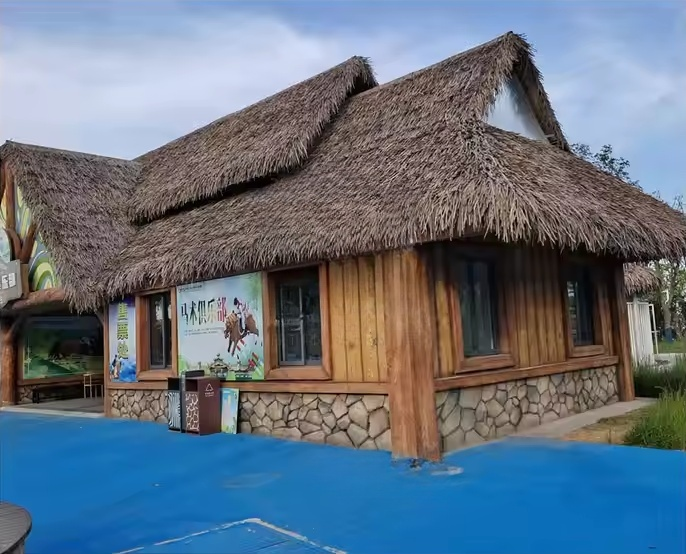
Installing a synthetic thatch roof in hotels and restaurants requires careful planning and execution to achieve the authentic tropical aesthetic that guests expect while maintaining durability and fire safety standards. The application process involves specific techniques that differ from traditional roofing methods, as synthetic thatch materials are designed to replicate natural palm fronds while offering superior weather resistance and longevity. Understanding the proper installation sequence ensures that your hospitality venue achieves the desired visual impact while meeting building codes and operational requirements.
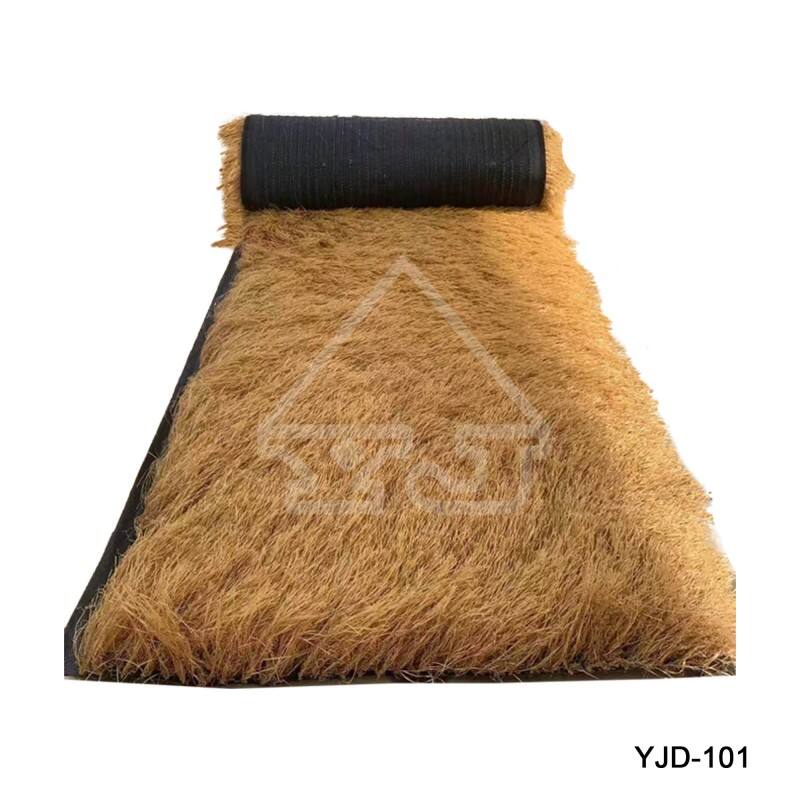
The application of synthetic thatch roof materials in commercial hospitality settings requires specialized knowledge of substrate preparation, layering techniques, and weatherproofing considerations. Modern synthetic thatch products are engineered to withstand constant exposure to varying weather conditions while maintaining their appearance over extended periods. Professional installation teams must understand the unique characteristics of these materials to ensure proper adhesion, adequate drainage, and seamless integration with existing structural elements that support the overall design vision.
Pre-Installation Assessment and Planning
Structural Evaluation Requirements
Before applying synthetic thatch roof materials, conduct a comprehensive structural assessment to verify that the existing framework can support the additional weight and wind loads associated with the installation. The underlying structure must be capable of handling both the static load of the synthetic thatch roof system and dynamic loads from wind uplift forces that can affect the material during severe weather events. Engineering calculations should account for local building codes, seismic requirements, and the specific load characteristics of the chosen synthetic thatch product.
Structural reinforcement may be necessary in some cases, particularly when retrofitting existing buildings that were not originally designed to accommodate thatch roofing systems. The assessment should include examination of roof decking condition, rafter spacing, and the integrity of existing fasteners and connections. Professional engineers can provide recommendations for any required modifications to ensure the structure meets safety standards while supporting the aesthetic goals of the synthetic thatch roof installation.
Load distribution calculations must consider the concentration of weight at attachment points and the potential for thermal expansion and contraction of the synthetic materials. The evaluation process should also address ventilation requirements and the impact of the synthetic thatch roof on existing HVAC systems, ensuring that air circulation patterns remain adequate for guest comfort and building performance.
Material Selection and Quantity Planning
Selecting the appropriate synthetic thatch roof material involves evaluating factors such as color consistency, texture authenticity, fire resistance ratings, and warranty coverage that align with the specific requirements of hotel and restaurant applications. Different synthetic thatch products offer varying levels of UV protection, weather resistance, and maintenance requirements that directly impact long-term operational costs and guest satisfaction. The selection process should prioritize materials that maintain their appearance over time while requiring minimal ongoing maintenance intervention.
Quantity calculations must account for waste factors, overlapping requirements, and the specific installation pattern chosen for the project. Accurate measurement of roof areas, including complex geometries around dormers, chimneys, and other architectural features, ensures adequate material procurement while minimizing excess inventory. Professional installers typically recommend ordering an additional ten to fifteen percent beyond calculated requirements to accommodate cutting waste and future repair needs.
Material staging and storage considerations become particularly important in hotel and restaurant environments where ongoing operations must continue during installation. The synthetic thatch roof materials should be stored in climate-controlled environments away from direct sunlight and moisture until installation begins. Proper inventory management prevents delays and ensures that materials maintain their quality characteristics throughout the application process.
Installation Methodology and Techniques
Substrate Preparation and Waterproofing
Proper substrate preparation forms the foundation for successful synthetic thatch roof application, beginning with thorough cleaning and inspection of the existing roof surface to remove debris, loose materials, and any contaminants that could interfere with adhesion. The substrate must provide a stable, level surface that can accommodate the attachment methods specified by the synthetic thatch manufacturer while maintaining adequate drainage characteristics. Surface irregularities should be corrected using appropriate leveling compounds or structural modifications before proceeding with installation.
Waterproofing membrane installation requires careful attention to detail, as this layer provides the primary protection against water infiltration while supporting the synthetic thatch roof system above. The membrane must be installed with proper overlaps, sealed joints, and adequate flashing around penetrations and transitions. Quality waterproofing prevents moisture-related problems that could compromise the structural integrity of the building and create maintenance issues that affect guest experiences.
Ventilation considerations must be addressed during substrate preparation to prevent condensation buildup and ensure adequate air circulation beneath the synthetic thatch roof system. Proper ventilation design prevents ice dam formation in colder climates and reduces thermal stress on both the synthetic materials and the underlying structure. The preparation phase should also include installation of any necessary electrical conduits or mounting hardware required for lighting systems or other architectural elements.
Application Sequence and Fastening Methods
The installation sequence for synthetic thatch roof materials typically begins at the lowest point of the roof and progresses upward in overlapping courses that replicate the natural shedding pattern of traditional thatch construction. Each course must be properly aligned and secured using fastening methods that penetrate through the synthetic material into the structural substrate while maintaining the aesthetic appearance of natural thatch. The overlap pattern ensures that water flows naturally over the surface without creating pooling areas or penetration points.
Fastening methods vary depending on the specific synthetic thatch roof product being installed, but typically involve specialized clips, screws, or adhesive systems designed to secure the material without visible attachment points. The fastening pattern must distribute loads evenly across the substrate while allowing for thermal movement of the synthetic materials during temperature cycling. Proper fastening prevents wind uplift and ensures long-term stability of the installation under various weather conditions.
Quality control during the application process involves regular inspection of fastening torques, overlap dimensions, and alignment patterns to ensure consistency throughout the installation. Documentation of the installation process, including photographs and material certifications, provides valuable records for warranty claims and future maintenance planning. The installation team should maintain detailed records of any deviations from standard procedures and their approved resolutions.
Integration with Building Systems and Safety Requirements
Fire Safety and Building Code Compliance
Fire safety considerations for synthetic thatch roof installations in hotels and restaurants require compliance with local building codes and fire department regulations that govern combustible materials in commercial occupancies. Modern synthetic thatch products typically carry fire resistance ratings that meet or exceed requirements for commercial applications, but proper installation techniques and integration with fire suppression systems remain critical for overall safety performance. The installation must not compromise existing fire safety systems or create new hazards that could endanger guests or staff.
Building code compliance involves coordination with local authorities to obtain necessary permits and inspections throughout the installation process. The synthetic thatch roof system must meet requirements for wind resistance, structural attachment, and integration with existing building systems while maintaining the desired aesthetic appearance. Code officials may require documentation of material certifications, installation procedures, and structural calculations to verify compliance with applicable standards.
Emergency access considerations must be addressed during planning to ensure that the synthetic thatch roof installation does not interfere with required egress routes or fire department access to the building. The installation should include provisions for maintenance access that allow inspection and repair activities without compromising the integrity of the system. Safety equipment and fall protection systems may be required during installation and future maintenance activities.
HVAC and Electrical Integration
Integration of synthetic thatch roof systems with existing HVAC equipment requires careful planning to maintain adequate ventilation while preserving the aesthetic appeal of the installation. Penetrations for exhaust vents, intake systems, and other mechanical equipment must be properly sealed and flashed to prevent water infiltration while allowing necessary air circulation. The synthetic thatch materials should not interfere with equipment operation or maintenance access requirements.
Electrical system integration involves planning for lighting systems, security equipment, and other electrical components that may be mounted on or near the synthetic thatch roof installation. Proper electrical code compliance requires appropriate conduit routing, junction box placement, and grounding systems that do not compromise the integrity of the waterproofing or create fire hazards. All electrical work must be performed by qualified electricians familiar with the requirements for installations involving synthetic roofing materials.
Control system integration may be necessary to coordinate the synthetic thatch roof installation with building automation systems that monitor temperature, humidity, and other environmental conditions. These systems can provide early warning of potential problems and optimize building performance while maintaining guest comfort levels. The installation should accommodate sensor placement and wiring requirements without affecting the visual appearance of the finished roof system.
Quality Control and Maintenance Planning
Installation Inspection and Testing
Quality control during synthetic thatch roof installation requires systematic inspection of each installation phase to verify compliance with manufacturer specifications and industry best practices. Visual inspections should document proper overlap patterns, fastener placement, and overall appearance consistency across the entire roof area. Any deviations from approved installation procedures must be identified and corrected before proceeding to subsequent phases of the work.
Testing procedures may include water testing of completed sections to verify waterproofing effectiveness and proper drainage performance. Wind resistance testing ensures that fastening methods provide adequate holding power under anticipated load conditions. The testing process should be documented with photographs and written reports that become part of the permanent installation record for warranty and maintenance reference.
Final inspection checklists should address all aspects of the synthetic thatch roof installation including structural connections, waterproofing integrity, material condition, and compliance with approved plans and specifications. Independent third-party inspection may be required for some installations to satisfy insurance requirements or building code provisions. The inspection process should identify any corrective actions needed before the installation can be considered complete and ready for occupancy.
Long-term Maintenance Protocols
Developing comprehensive maintenance protocols for synthetic thatch roof installations ensures optimal performance and appearance throughout the expected service life of the material. Regular inspection schedules should address potential issues such as loose fasteners, damaged sections, debris accumulation, and signs of weathering that could affect performance or appearance. Maintenance activities should be scheduled to minimize disruption to hotel and restaurant operations while ensuring timely identification and resolution of potential problems.
Cleaning procedures for synthetic thatch roof materials require specific techniques and approved cleaning agents that maintain material integrity while removing dirt, algae, and other contaminants that can affect appearance. Pressure washing parameters must be carefully controlled to avoid damaging the synthetic materials or forcing water into the underlying structure. Professional cleaning services familiar with synthetic thatch products can provide optimal results while maintaining warranty coverage.
Documentation systems for maintenance activities should track inspection results, cleaning schedules, repair actions, and material condition assessments over time. This information provides valuable data for optimizing maintenance intervals and budgeting for future repairs or replacement activities. Proper maintenance documentation also supports warranty claims and helps identify patterns that may indicate installation or material issues requiring attention.
FAQ
How long does it take to install a synthetic thatch roof on a hotel or restaurant?
The installation timeline for a synthetic thatch roof varies significantly based on project size, complexity, and weather conditions, but typically ranges from one to four weeks for most hotel and restaurant applications. Simple rectangular roof areas with minimal penetrations can often be completed in seven to ten working days, while complex geometries with multiple dormers, chimneys, and architectural features may require three to four weeks. Weather delays can extend the schedule, as synthetic thatch roof installation should not proceed during rain or high wind conditions that could compromise safety or installation quality.
What building permits are required for synthetic thatch roof installation in commercial properties?
Commercial synthetic thatch roof installations typically require building permits that address structural modifications, fire safety compliance, and integration with existing building systems. The specific permit requirements vary by jurisdiction, but generally include review of structural calculations, material certifications, and compliance with local building codes for commercial occupancies. Fire department approval may be required for installations in hotels and restaurants due to life safety considerations and the need to verify that the synthetic thatch roof materials meet fire resistance requirements for the specific occupancy classification.
Can synthetic thatch roofing be installed over existing roofing materials?
Synthetic thatch roof systems can often be installed over existing roofing materials, provided the underlying structure can support the additional weight and the existing roof provides a suitable substrate for attachment. The existing roof must be in good condition without significant damage, moisture problems, or structural deficiencies that could compromise the new installation. Professional evaluation is essential to determine whether overlay installation is appropriate or if removal of existing materials is necessary to ensure proper performance and code compliance.
What maintenance is required to keep synthetic thatch roofing looking authentic in hospitality applications?
Synthetic thatch roof maintenance in hotels and restaurants typically involves periodic cleaning to remove debris and environmental contaminants, annual inspections to identify any damaged or loose sections, and prompt repair of any issues to prevent more extensive problems. Most synthetic thatch products require cleaning every two to three years using approved methods and cleaning agents that preserve the material's appearance and integrity. Regular inspection helps identify potential problems early, allowing for cost-effective repairs that maintain the authentic appearance guests expect while extending the service life of the installation.
Table of Contents
- Pre-Installation Assessment and Planning
- Installation Methodology and Techniques
- Integration with Building Systems and Safety Requirements
- Quality Control and Maintenance Planning
-
FAQ
- How long does it take to install a synthetic thatch roof on a hotel or restaurant?
- What building permits are required for synthetic thatch roof installation in commercial properties?
- Can synthetic thatch roofing be installed over existing roofing materials?
- What maintenance is required to keep synthetic thatch roofing looking authentic in hospitality applications?