 EN
EN

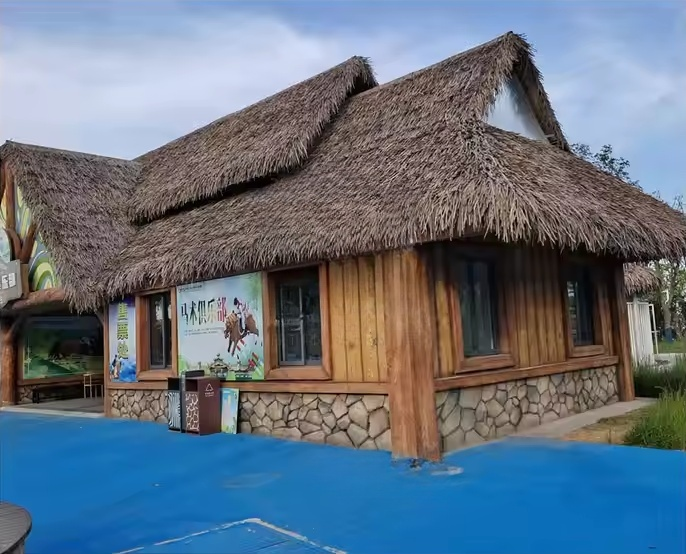
Rattan weave has emerged as a transformative design element that bridges the gap between natural aesthetics and contemporary architectural innovation. This versatile material offers designers unprecedented creative freedom to craft spaces that seamlessly blend organic textures with modern functionality, creating environments that resonate with both comfort and sophistication.
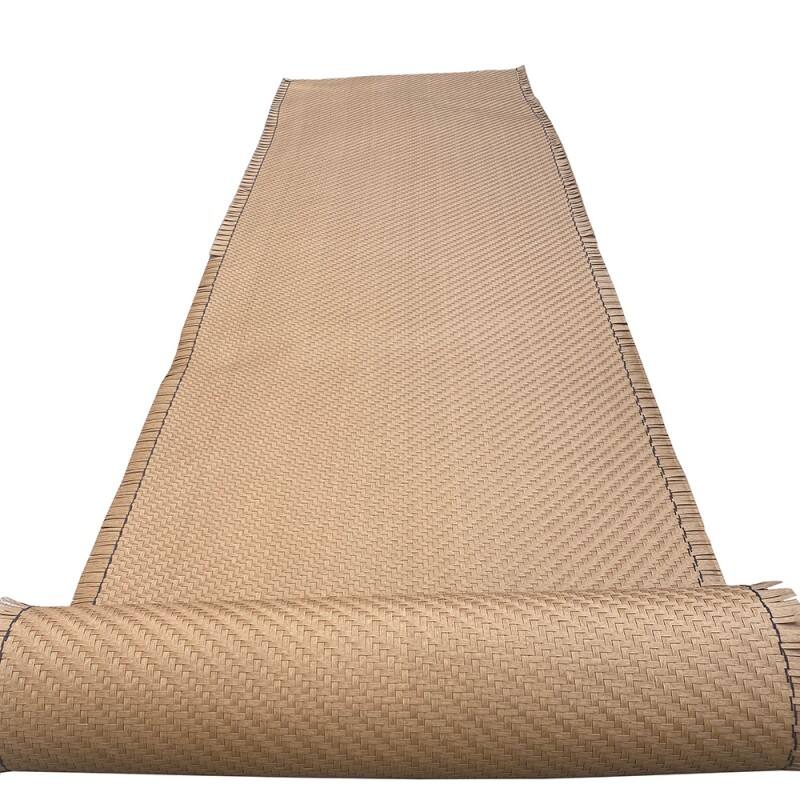
The creative potential of rattan weave extends far beyond traditional applications, enabling designers to reimagine interior and exterior spaces through innovative pattern manipulation, dimensional layering, and strategic material integration. From residential living spaces to commercial installations, rattan weave provides an authentic yet refined foundation for expressing artistic vision while maintaining practical durability and weather resistance.
Interior Design Applications for Rattan Weave
Living Space Transformation Techniques
Rattan weave revolutionizes living space aesthetics by introducing organic texture patterns that create visual depth without overwhelming existing design elements. Interior designers leverage the natural flexibility of rattan weave to construct feature walls that serve as focal points, incorporating varying weave densities to achieve different light filtration effects throughout the day.
The material's inherent warmth transforms sterile modern interiors into inviting environments that encourage relaxation and social interaction. Rattan weave applications in living spaces often extend beyond traditional wall treatments to include room dividers, decorative ceiling installations, and integrated furniture elements that maintain design continuity.
Creative layering techniques allow designers to combine different rattan weave patterns within single spaces, creating visual hierarchy through texture variation rather than color contrast. This approach enables sophisticated interior compositions that remain cohesive while offering multiple points of visual interest for occupants and visitors.
Bedroom and Private Space Integration
Private spaces benefit significantly from rattan weave integration through its natural ability to create intimate, cocoon-like environments that promote rest and rejuvenation. Bedroom applications often focus on headboard treatments, accent walls, and window covering systems that filter natural light while maintaining privacy.
The acoustic properties of rattan weave contribute to improved sleep quality by reducing sound transmission between rooms and dampening harsh exterior noises. This functional benefit complements the visual appeal, making rattan weave an ideal choice for master bedrooms, guest rooms, and meditation spaces.
Innovative designers incorporate rattan weave into built-in storage solutions, creating seamless integration between functional elements and decorative features. These applications demonstrate how creative material usage can eliminate the distinction between furniture and architectural elements.
Exterior Design Innovation with Rattan Weave
Facade Enhancement Strategies
Exterior applications of rattan weave transform building facades through dynamic shadow play and three-dimensional texture creation that changes throughout daily light cycles. Architects utilize varying weave patterns to control solar heat gain while maintaining visual connection between interior and exterior environments.
The weather-resistant properties of modern rattan weave materials enable creative facade treatments that withstand environmental stresses without compromising aesthetic integrity. These installations often feature modular panel systems that allow for future design modifications and maintenance accessibility.
Strategic placement of rattan weave elements creates visual rhythm across building exteriors, breaking up monotonous surface treatments while adding human scale to large architectural compositions. This approach helps integrate contemporary buildings into natural or historic contexts more successfully.
Landscape Integration Concepts
Rattan weave extends architectural language into landscape design through privacy screens, pergola treatments, and transitional elements that blur boundaries between built and natural environments. These applications create cohesive outdoor living spaces that feel both protected and connected to nature.
Garden structures incorporating rattan weave provide framework for climbing vegetation while maintaining their aesthetic value during dormant seasons. This dual functionality maximizes design impact across seasonal changes, ensuring year-round visual interest in outdoor spaces.
Pool areas and outdoor entertainment spaces benefit from rattan weave screening systems that create intimate zones while maintaining airflow and partial visibility. These installations demonstrate how creative material application can solve functional challenges while enhancing overall design quality.
Creative Pattern Development and Customization
Geometric Pattern Exploration
Advanced rattan weave applications involve sophisticated geometric pattern development that creates unique visual signatures for specific projects. Designers experiment with traditional weaving techniques alongside contemporary fabrication methods to achieve patterns impossible through conventional construction approaches.
Geometric variations in rattan weave patterns allow for cultural expression and regional adaptation while maintaining material consistency across different project phases. This flexibility enables designers to respond to local architectural traditions while introducing contemporary innovation.
Computer-aided design tools facilitate complex pattern development that optimizes both aesthetic impact and structural performance. These technological advances expand creative possibilities while ensuring practical installation requirements are met throughout the construction process.
Dimensional Weaving Techniques
Three-dimensional rattan weave applications create sculptural wall treatments that function as both architectural elements and artistic installations. These techniques involve layering multiple weave planes at varying depths to achieve complex shadow patterns and visual texture.
Dimensional weaving enables designers to incorporate functional elements such as integrated lighting, ventilation, and storage within decorative rattan weave compositions. This integration demonstrates how creative thinking can maximize space efficiency while maintaining design excellence.
The flexibility of rattan weave materials supports curved and compound surface applications that would be challenging with rigid materials. These capabilities open new possibilities for organic architectural forms that complement natural environmental features.
Material Innovation and Sustainability Integration
Synthetic Enhancement Technologies
Modern rattan weave development incorporates synthetic enhancement technologies that improve durability, fire resistance, and color retention while preserving natural aesthetic qualities. These innovations extend material lifespan and reduce maintenance requirements in demanding applications.
Hybrid material systems combine natural rattan weave with synthetic reinforcement to achieve performance characteristics suitable for high-traffic commercial installations. This approach maintains authentic appearance while meeting stringent building code requirements for public spaces.
Advanced surface treatments protect rattan weave from UV degradation, moisture penetration, and insect damage without altering the material's tactile properties or visual characteristics. These protective systems ensure long-term design integrity in challenging environmental conditions.
Environmental Performance Benefits
Rattan weave contributes to sustainable building practices through renewable material sourcing, carbon sequestration during growth phases, and biodegradable end-of-life characteristics. These environmental benefits align with contemporary green building standards and certification programs.
The thermal properties of rattan weave provide natural insulation benefits that reduce energy consumption for heating and cooling systems. Strategic application can significantly improve building performance while reducing operational costs over building lifecycles.
Local sourcing opportunities for rattan weave materials support regional economies while reducing transportation-related environmental impacts. This economic benefit encourages sustainable community development alongside architectural innovation.
FAQ
What makes rattan weave suitable for both interior and exterior design applications?
Rattan weave offers exceptional versatility through its natural flexibility, weather resistance when properly treated, and ability to complement various architectural styles. Modern processing techniques enhance durability while preserving aesthetic appeal, making it equally effective in protected interior environments and exposed exterior conditions where it withstands temperature fluctuations, moisture, and UV exposure.
How can designers customize rattan weave patterns for specific creative projects?
Customization options include varying weave density, combining different strand thicknesses, creating geometric patterns through systematic arrangement, and incorporating dimensional elements. Designers can also integrate modern fabrication techniques with traditional weaving methods to achieve unique textures, control light filtration, and create signature aesthetic elements that reflect project-specific design goals and cultural contexts.
What are the maintenance requirements for creative rattan weave installations?
Maintenance typically involves periodic cleaning with mild solutions, inspection for loose elements, and reapplication of protective treatments as needed. Interior installations require minimal maintenance beyond regular dusting and occasional deep cleaning, while exterior applications may need annual inspection and protective coating renewal to maintain weather resistance and color stability over time.
Can rattan weave be integrated with modern building systems and technologies?
Yes, rattan weave readily integrates with contemporary building systems including LED lighting, climate control, and smart building technologies. Designers often incorporate hidden wiring, mounting systems, and modular connections that allow for technological updates while preserving aesthetic integrity. This compatibility enables rattan weave to function as both decorative and functional building components in modern architectural applications.
Table of Contents
- Interior Design Applications for Rattan Weave
- Exterior Design Innovation with Rattan Weave
- Creative Pattern Development and Customization
- Material Innovation and Sustainability Integration
-
FAQ
- What makes rattan weave suitable for both interior and exterior design applications?
- How can designers customize rattan weave patterns for specific creative projects?
- What are the maintenance requirements for creative rattan weave installations?
- Can rattan weave be integrated with modern building systems and technologies?