 EN
EN
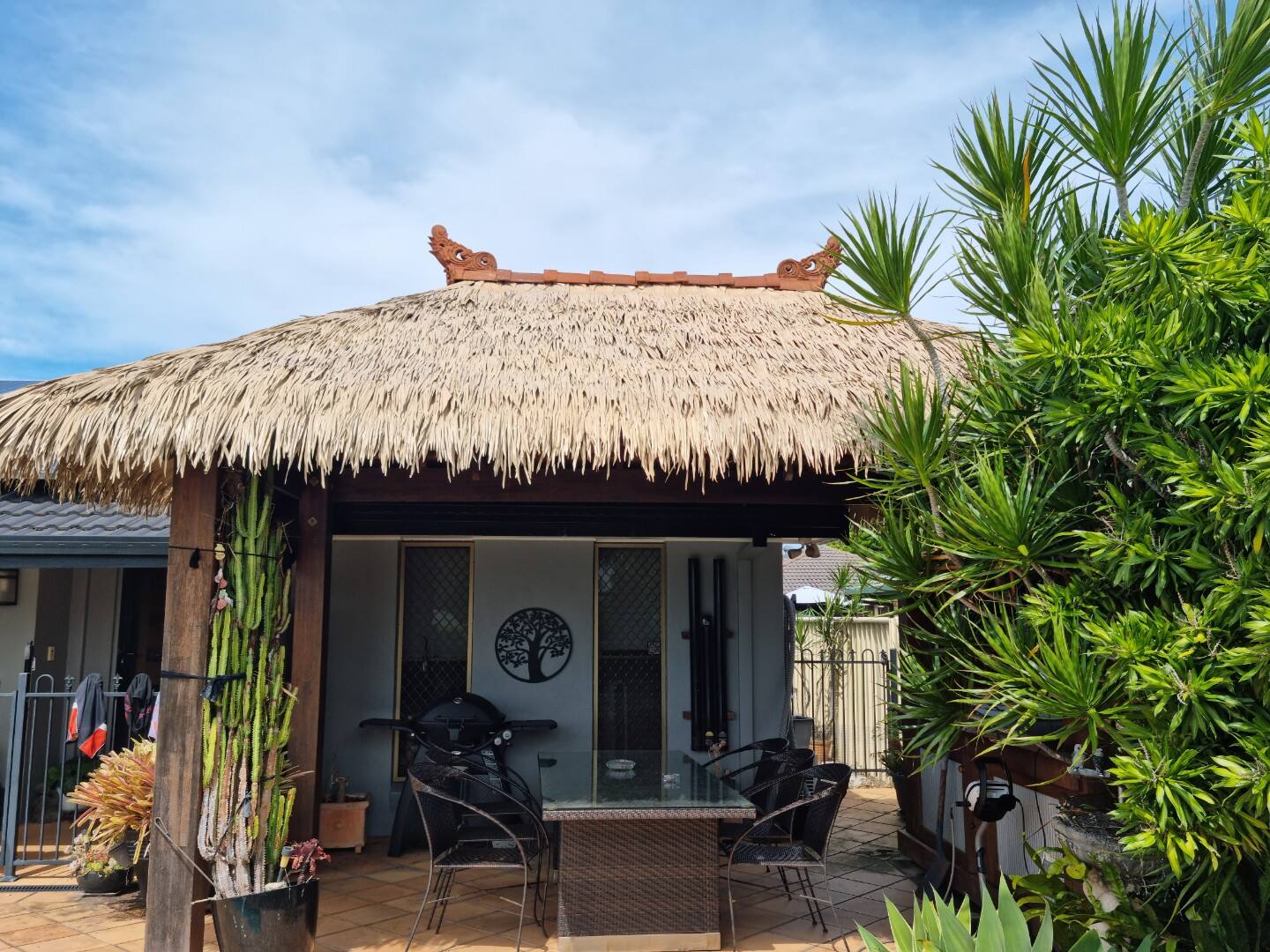
Maintaining the integrity and appearance of rattan weave materials requires understanding the specific vulnerabilities that can compromise their structural stability and aesthetic appeal over extended periods. The natural properties of rattan weave make it susceptible to various forms of deterioration, including moisture damage, UV exposure, mechanical stress, and environmental contamination. Implementing proper preventive measures ensures that rattan weave installations maintain their functional performance and visual quality throughout their intended service life.
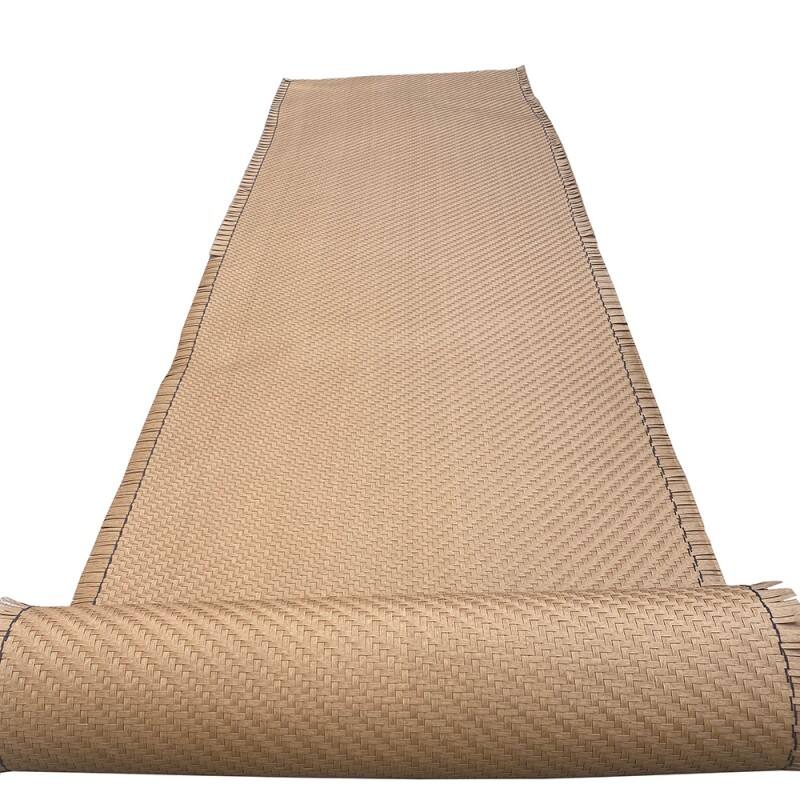
Professional damage prevention for rattan weave involves systematic approaches that address both immediate threats and long-term degradation factors. The weaving structure of rattan creates specific stress points where damage typically initiates, making targeted protection strategies essential for preserving the material's inherent flexibility and strength. Understanding how environmental conditions, usage patterns, and maintenance practices interact with rattan weave characteristics enables the development of comprehensive protection protocols that extend material lifespan significantly.
Understanding Rattan Weave Vulnerability Points
Structural Weak Points in Woven Patterns
The interlaced structure of rattan weave creates natural stress concentration points where individual strands cross and bend around each other. These intersection points experience increased tension during normal expansion and contraction cycles, making them primary locations for crack initiation and fiber separation. The weaving tension applied during manufacturing also influences these vulnerability zones, as overly tight weaving can create excessive stress that manifests as premature failure under load.
Identifying these critical stress points requires examining the weave pattern geometry and understanding how load distribution occurs across the woven matrix. Different weaving techniques create varying stress distributions, with tighter weaves generally showing better initial strength but potentially higher long-term stress concentrations. The strand diameter and spacing ratio significantly affects how mechanical forces transfer through the rattan weave structure, influencing where protective measures should focus.
Material Degradation Mechanisms
Rattan weave degradation occurs through multiple simultaneous pathways that compound over time to reduce material integrity. Photodegradation from ultraviolet radiation breaks down the lignin and cellulose components within rattan fibers, causing surface chalking, color fading, and gradual embrittlement. This process accelerates in high-intensity sunlight environments and can penetrate deeper into the material structure when surface protective treatments fail or wear away.
Moisture-induced degradation represents another critical mechanism affecting rattan weave longevity. Cyclic wetting and drying causes dimensional changes that create internal stress within individual strands and at weave intersections. Extended moisture exposure can promote fungal growth and accelerate chemical decomposition of natural polymers in the rattan material. The hygroscopic nature of rattan weave means that humidity control becomes essential for preventing moisture-related damage in both indoor and outdoor applications.
Environmental Protection Strategies
UV Protection and Solar Shielding
Implementing effective ultraviolet protection for rattan weave requires understanding both direct and reflected solar radiation exposure patterns in the installation environment. Direct sunlight exposure creates the highest risk for photodegradation, but reflected radiation from adjacent surfaces can also contribute significantly to cumulative UV damage. Strategic placement of rattan weave installations to minimize peak sun exposure hours helps reduce overall UV stress without compromising functional requirements.
Surface treatments specifically designed for rattan weave UV protection include penetrating sealers with UV-blocking additives and protective coatings that create a barrier layer over the woven structure. These treatments must maintain the material's breathability while providing effective screening of harmful radiation wavelengths. Regular reapplication schedules become critical for maintaining protection effectiveness, as UV exposure gradually degrades the protective treatments themselves.
Moisture Management and Ventilation
Controlling moisture exposure involves managing both direct water contact and ambient humidity levels that can affect rattan weave stability. Proper drainage design around installations prevents water accumulation that could lead to prolonged moisture exposure and associated degradation. Ventilation strategies must balance air circulation benefits with protection from direct weather exposure, particularly in covered outdoor applications where trapped humidity could create problematic conditions.
Vapor barriers and moisture management systems help control humidity migration in enclosed spaces containing rattan weave materials. The positioning of these barriers must account for seasonal temperature variations that can drive moisture movement through building assemblies. Understanding the permeability characteristics of rattan weave helps determine appropriate moisture control strategies that prevent condensation buildup while allowing necessary moisture exchange.
Mechanical Protection Methods
Load Distribution and Support Design
Proper mechanical protection for rattan weave begins with understanding the load-bearing characteristics and designing support systems that distribute forces evenly across the woven structure. Point loads concentrated on small areas of rattan weave create stress concentrations that can initiate damage, making distributed support critical for long-term performance. The flexibility of rattan weave materials requires support systems that accommodate natural movement while preventing excessive deflection.
Backing materials and reinforcement strategies help distribute mechanical loads while preserving the aesthetic and functional properties of rattan weave installations. The selection of backing materials must consider thermal expansion compatibility and moisture behavior to prevent differential movement that could stress the weave structure. Edge support and perimeter restraint systems prevent localized deformation that commonly occurs at unsupported boundaries.
Impact and Abrasion Resistance
Protecting rattan weave from mechanical damage requires identifying potential impact sources and implementing appropriate shielding strategies. High-traffic areas present particular challenges where contact with people, equipment, or furniture could cause abrasion or impact damage to exposed rattan weave surfaces. The weave pattern orientation relative to expected impact directions influences the material's resistance to damage and helps inform protection design.
Surface hardening treatments and protective films can increase the resistance of rattan weave to minor impacts and abrasion without significantly altering appearance or texture. These treatments penetrate into the fiber structure to strengthen individual strands and weave intersections. The application technique and treatment depth affect both protection effectiveness and the material's retained flexibility characteristics.
Maintenance and Inspection Protocols
Regular Assessment Procedures
Systematic inspection protocols for rattan weave focus on early detection of damage initiation points before they progress to significant structural problems. Visual inspection techniques identify surface changes such as discoloration, fiber separation, or weave distortion that indicate developing issues. The frequency of inspections should account for environmental exposure levels and usage intensity, with high-stress installations requiring more frequent monitoring.
Documentation of inspection findings creates baseline data for tracking degradation progression and evaluating the effectiveness of protection measures. Photographic records help identify subtle changes that might be missed during routine visual inspections. Establishing inspection criteria and damage classification systems ensures consistent evaluation standards across different personnel and time periods.
Preventive Cleaning and Treatment
Cleaning procedures for rattan weave must balance the need for contamination removal with preservation of the material's integrity and protective treatments. Accumulated dirt, dust, and biological growth can accelerate degradation by retaining moisture and blocking natural ventilation through the weave structure. The cleaning method selection depends on the type of contamination and the specific protective treatments applied to the rattan weave surface.
Regular application of protective treatments maintains the barrier properties that shield rattan weave from environmental damage. Treatment schedules should account for exposure conditions and observed wear patterns to optimize protection while minimizing maintenance costs. The compatibility between different treatment products requires careful consideration to prevent chemical interactions that could compromise performance or create new degradation pathways.
Long-Term Performance Optimization
Lifecycle Planning and Management
Effective long-term management of rattan weave installations requires understanding the expected performance timeline and planning maintenance activities to maximize useful service life. Different environmental conditions and usage patterns create varying degradation rates that influence optimal replacement and renewal schedules. Documenting performance history provides valuable data for improving protection strategies and maintenance protocols.
Economic analysis of protection investment versus replacement costs helps optimize maintenance spending while ensuring adequate performance levels. The cost-effectiveness of various protection strategies changes over the installation lifetime as materials age and environmental exposure accumulates. Tracking maintenance costs and performance outcomes enables data-driven decisions about protection strategy modifications or system upgrades.
Emerging Protection Technologies
Advanced protective treatments and monitoring technologies offer new opportunities for extending rattan weave service life and improving damage prevention capabilities. Nanotechnology-based treatments provide enhanced penetration and longer-lasting protection compared to conventional surface applications. Smart monitoring systems can detect early signs of degradation that might be missed during manual inspections, enabling proactive maintenance interventions.
Research developments in natural fiber preservation continue to introduce new approaches for protecting rattan weave materials. Bio-based treatments offer environmentally sustainable options that may provide superior compatibility with natural fiber structures. The integration of these emerging technologies with traditional protection methods creates comprehensive strategies that address multiple degradation mechanisms simultaneously.
FAQ
What are the most critical factors that cause rattan weave damage over time?
The primary damage factors for rattan weave include ultraviolet radiation exposure that breaks down natural fibers, moisture cycling that causes dimensional instability, mechanical stress at weave intersections, and biological degradation from fungal or insect activity. Environmental temperature fluctuations accelerate these processes by increasing the rate of chemical reactions and physical stress cycles.
How often should protective treatments be reapplied to maintain rattan weave integrity?
Protective treatment renewal depends on environmental exposure levels and treatment type, but generally ranges from annually for high-exposure outdoor installations to every 2-3 years for protected indoor applications. Regular inspection of treatment condition helps determine optimal reapplication timing based on actual performance rather than fixed schedules.
Can damaged rattan weave sections be repaired without replacing entire panels?
Local repairs are possible for minor damage using compatible rattan materials and weaving techniques that match the original pattern. However, repairs may create stress concentrations or visual discontinuities that affect long-term performance. The feasibility of repair versus replacement depends on damage extent and location relative to structural stress points.
What environmental conditions pose the greatest risk to rattan weave longevity?
High-intensity solar exposure combined with temperature cycling creates the most aggressive degradation conditions for rattan weave. Coastal environments with salt exposure accelerate corrosion of any metal components and increase hygroscopic moisture absorption. Environments with high humidity fluctuations and poor ventilation promote biological degradation and dimensional instability.
Table of Contents
- Understanding Rattan Weave Vulnerability Points
- Environmental Protection Strategies
- Mechanical Protection Methods
- Maintenance and Inspection Protocols
- Long-Term Performance Optimization
-
FAQ
- What are the most critical factors that cause rattan weave damage over time?
- How often should protective treatments be reapplied to maintain rattan weave integrity?
- Can damaged rattan weave sections be repaired without replacing entire panels?
- What environmental conditions pose the greatest risk to rattan weave longevity?