 EN
EN
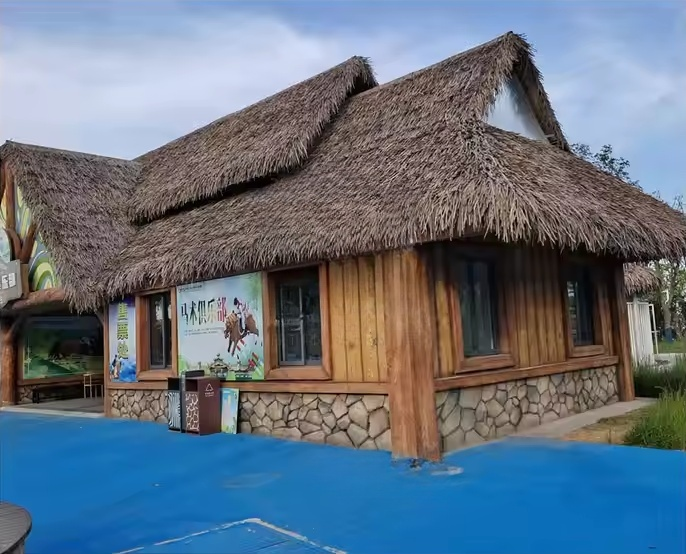
When selecting materials for interior and exterior applications, the performance comparison between rattan weave and artificial alternatives becomes crucial for architects, designers, and property owners. This comprehensive analysis explores how natural rattan weave performs against synthetic materials across multiple performance criteria, helping stakeholders make informed decisions based on durability, maintenance requirements, environmental impact, and cost considerations.
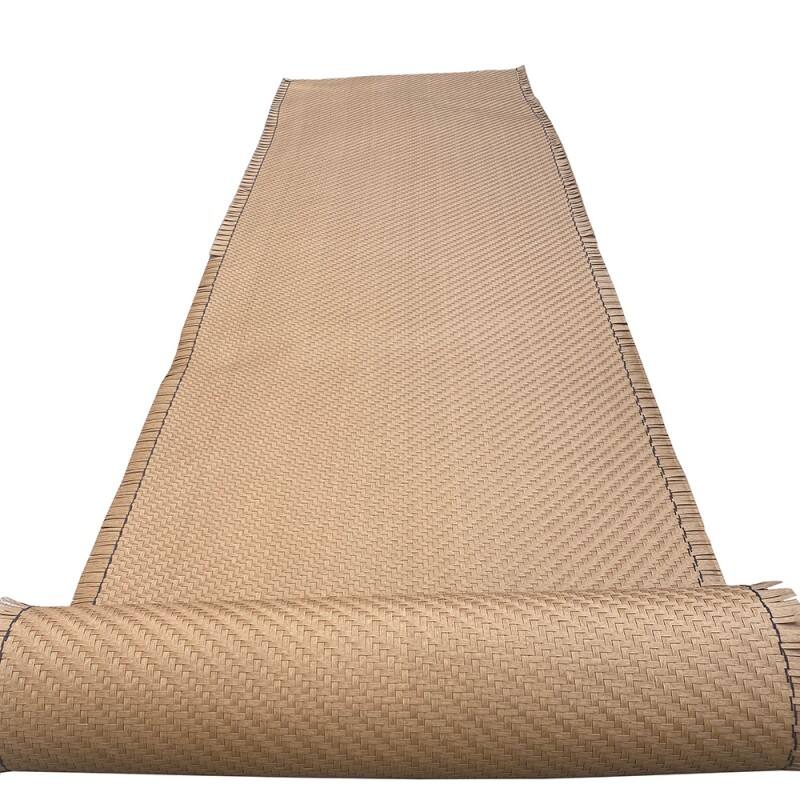
The choice between rattan weave and artificial materials significantly impacts project outcomes, affecting everything from long-term maintenance costs to aesthetic appeal and environmental sustainability. Understanding the performance characteristics of each material type enables professionals to select the most appropriate solution for specific applications, climate conditions, and project requirements while balancing performance expectations with budget constraints.
Material Composition and Performance Fundamentals
Natural Rattan Weave Structure
Natural rattan weave derives its performance characteristics from the inherent properties of rattan palm fibers, which feature a complex cellular structure that provides natural flexibility and strength. The weaving process creates interlocked patterns that distribute stress evenly across the material surface, resulting in excellent tensile strength and impact resistance. Rattan weave maintains its structural integrity through natural lignin and cellulose components that provide both flexibility and durability under normal use conditions.
The cellular structure of rattan weave allows for natural moisture regulation, enabling the material to expand and contract with humidity changes without compromising its weave pattern. This characteristic makes rattan weave particularly suitable for applications where dimensional stability under varying environmental conditions is important. The natural oils present in rattan fibers also contribute to its resistance against certain types of biological degradation and insect damage.
Artificial Material Composition
Artificial materials designed to replicate rattan weave typically utilize synthetic polymers such as polyethylene, polypropylene, or polyvinyl chloride as their base components. These materials are engineered to provide consistent performance characteristics through controlled manufacturing processes that eliminate the natural variations found in organic materials. Synthetic rattan weave alternatives often incorporate UV stabilizers, colorants, and texture additives to enhance their performance and aesthetic appeal.
The molecular structure of artificial materials allows for precise control over properties such as flexibility, color retention, and weather resistance. Modern synthetic alternatives often feature multi-layer constructions that combine different polymer types to optimize specific performance aspects, such as surface durability, core strength, and environmental resistance. These engineered characteristics enable artificial materials to maintain consistent performance across different environmental conditions and applications.
Durability and Longevity Performance
Weather Resistance Comparison
Rattan weave exhibits natural weather resistance through its evolved cellular structure, but requires proper treatment and maintenance to achieve optimal outdoor performance. Natural rattan can withstand moderate moisture exposure and temperature fluctuations, though extended exposure to direct sunlight and heavy rainfall can cause gradual degradation of the fiber structure. The performance of rattan weave in outdoor applications depends significantly on the specific rattan species used and the quality of any protective treatments applied during processing.
Artificial materials typically demonstrate superior weather resistance due to their engineered polymer composition and added stabilizers. Synthetic rattan weave alternatives resist UV degradation, moisture absorption, and temperature extremes more effectively than natural materials. High-quality artificial materials can maintain their structural integrity and appearance for extended periods under harsh weather conditions without requiring the same level of protective maintenance as natural rattan weave.
Mechanical Strength Analysis
The mechanical strength of rattan weave varies based on fiber density, weave pattern, and processing methods, with high-quality natural rattan demonstrating excellent tensile strength and flexibility. Natural rattan weave can absorb impact energy effectively due to its fibrous structure, making it resistant to cracking and sudden failure under stress. However, the strength characteristics of rattan weave can degrade over time due to environmental exposure and natural aging processes.
Artificial materials offer more predictable mechanical properties that remain consistent throughout their service life. Rattan weave alternatives made from engineered polymers can be designed to match or exceed the strength characteristics of natural materials while maintaining these properties over longer periods. The controlled manufacturing process ensures uniform strength distribution and eliminates weak points that might occur in natural materials due to growth variations or processing inconsistencies.
Maintenance Requirements and Performance Impact
Natural Material Maintenance Demands
Rattan weave requires regular maintenance to preserve its performance characteristics and aesthetic appearance over time. This maintenance typically includes periodic cleaning with appropriate solutions, application of protective treatments to enhance weather resistance, and inspection for signs of wear or damage that could compromise structural integrity. The frequency of maintenance depends on environmental conditions, with outdoor applications requiring more intensive care than indoor installations.
The natural properties of rattan weave make it susceptible to biological degradation if not properly maintained, requiring treatments to prevent mold, mildew, and insect damage. Regular conditioning treatments help maintain the flexibility of natural fibers and prevent cracking or splitting that can occur with age and environmental exposure. The cost and effort required for proper rattan weave maintenance must be factored into long-term performance evaluations.
Artificial Material Care Requirements
Artificial materials typically require minimal maintenance to maintain their performance characteristics, with most synthetic rattan weave alternatives needing only periodic cleaning with standard cleaning solutions. The non-porous surface of most artificial materials prevents the accumulation of dirt, moisture, and biological contaminants that can affect performance. This reduced maintenance requirement often translates to lower long-term ownership costs despite potentially higher initial material costs.
The maintenance simplicity of artificial materials makes them particularly attractive for commercial applications where minimizing ongoing care requirements is important for operational efficiency. Synthetic rattan weave alternatives typically maintain their appearance and performance with basic cleaning protocols, eliminating the need for specialized treatments or professional maintenance services that natural materials might require.
Cost Performance and Economic Considerations
Initial Investment Analysis
The initial cost of rattan weave varies significantly based on quality, source, and processing level, with premium natural materials often commanding higher prices than basic artificial alternatives. However, the cost comparison becomes more complex when considering installation requirements, as natural rattan weave may require specialized handling and installation techniques that add to project costs. The availability of natural rattan can also affect pricing, particularly for specific grades or processing styles.
Artificial materials typically offer more predictable pricing structures due to controlled manufacturing processes and consistent supply chains. The initial cost of high-quality synthetic rattan weave alternatives may be comparable to or higher than natural materials, but this investment often provides better value when considering total project costs including installation, initial treatments, and setup requirements.
Long-term Economic Performance
The long-term economic performance of rattan weave includes ongoing maintenance costs, replacement frequency, and performance degradation impacts that affect operational efficiency. Natural materials may require more frequent replacement in demanding applications, adding to total ownership costs over the material's service life. The need for specialized maintenance treatments and potential for unexpected repairs also contributes to the overall economic impact of natural rattan weave installations.
Artificial materials often demonstrate superior long-term economic performance through reduced maintenance requirements and extended service life. The predictable performance degradation patterns of synthetic materials enable better financial planning and reduce the risk of unexpected replacement costs. This economic advantage becomes more pronounced in commercial applications where material failure or performance degradation can have significant operational impacts.
Environmental Impact and Sustainability Performance
Natural Material Environmental Profile
Rattan weave offers significant environmental advantages as a renewable resource that grows rapidly and requires minimal processing to achieve usable form. The cultivation of rattan supports sustainable forestry practices and provides economic benefits to communities in tropical regions where these materials naturally occur. Natural rattan weave is completely biodegradable at end of life, minimizing long-term environmental impact when disposal becomes necessary.
The carbon footprint of rattan weave includes consideration of transportation distances from source regions to application sites, which can be significant for projects located far from tropical growing areas. However, the carbon sequestration that occurs during rattan growth often offsets transportation impacts, particularly when compared to the energy-intensive manufacturing processes required for artificial alternatives.
Artificial Material Environmental Considerations
Artificial materials present a more complex environmental profile that includes energy-intensive manufacturing processes but often results in longer service life and reduced replacement frequency. Modern synthetic rattan weave alternatives increasingly incorporate recycled content and are designed for recyclability at end of life, improving their environmental performance compared to earlier generations of artificial materials.
The environmental impact of artificial materials must consider the full lifecycle including raw material extraction, manufacturing energy consumption, transportation, use phase performance, and end-of-life disposal or recycling options. While the initial environmental impact may be higher than natural alternatives, the extended service life and reduced maintenance requirements of artificial materials can result in lower total environmental impact over the material's lifetime.
FAQ
How does the performance of rattan weave compare to artificial materials in outdoor applications?
In outdoor applications, artificial materials typically outperform natural rattan weave in terms of weather resistance, UV stability, and maintenance requirements. While natural rattan weave provides excellent initial performance and aesthetic appeal, it requires more intensive maintenance and has shorter service life when exposed to harsh weather conditions. Artificial materials maintain consistent performance over longer periods but may lack the natural variation and texture that makes rattan weave aesthetically appealing.
What are the key factors that determine the performance lifespan of rattan weave versus artificial alternatives?
The performance lifespan depends primarily on environmental conditions, maintenance quality, and initial material grade. Natural rattan weave lifespan is most affected by moisture exposure, UV radiation, and biological factors, while artificial materials are primarily limited by UV degradation and mechanical wear. High-quality artificial materials with proper UV stabilization can maintain performance for 10-15 years or more, while natural rattan weave typically requires replacement or major maintenance within 5-8 years in demanding outdoor applications.
Can artificial materials match the aesthetic and tactile qualities of natural rattan weave?
Modern artificial materials can closely replicate the visual appearance of rattan weave through advanced texturing and coloring techniques, but subtle differences in tactile qualities remain detectable. The natural variation in fiber thickness, color, and texture that characterizes authentic rattan weave is difficult to replicate perfectly in synthetic materials. However, high-quality artificial alternatives provide acceptable aesthetic performance for most applications while offering superior functional performance characteristics.
How do maintenance costs compare between rattan weave and artificial materials over their service life?
Maintenance costs for natural rattan weave typically exceed those of artificial materials by 60-80% over the material's service life due to requirements for specialized treatments, more frequent cleaning, and earlier replacement needs. Artificial materials require primarily routine cleaning and occasional inspection, while rattan weave needs protective treatments, conditioning, and potential repairs to maintain optimal performance. The total cost of ownership often favors artificial materials despite potentially higher initial purchase prices.
Table of Contents
- Material Composition and Performance Fundamentals
- Durability and Longevity Performance
- Maintenance Requirements and Performance Impact
- Cost Performance and Economic Considerations
- Environmental Impact and Sustainability Performance
-
FAQ
- How does the performance of rattan weave compare to artificial materials in outdoor applications?
- What are the key factors that determine the performance lifespan of rattan weave versus artificial alternatives?
- Can artificial materials match the aesthetic and tactile qualities of natural rattan weave?
- How do maintenance costs compare between rattan weave and artificial materials over their service life?