 EN
EN
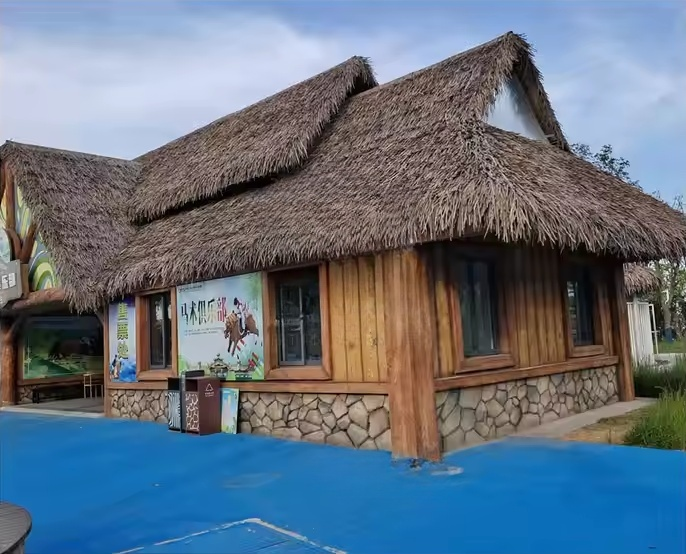
Building a thatched roof cottage requires careful attention to design elements that honor traditional aesthetics while meeting modern construction standards. The unique characteristics of a thatched roof cottage demand specialized planning considerations that differ significantly from conventional roofing systems. Understanding these design requirements ensures your project achieves both authentic charm and long-term durability.
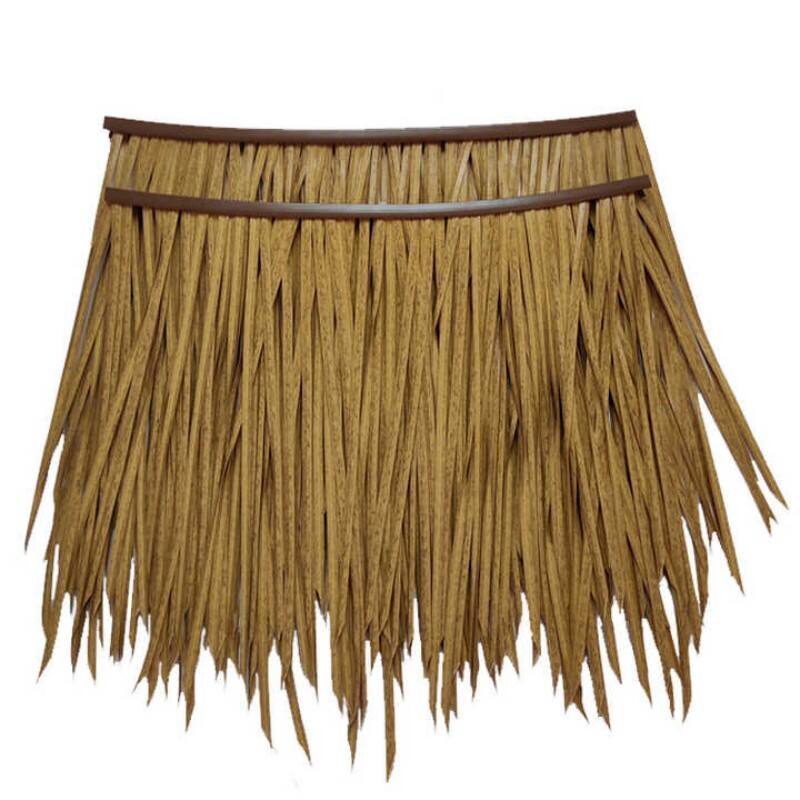
The architectural integrity of a thatched roof cottage depends on balancing historical authenticity with contemporary building codes and performance expectations. This comprehensive approach to design consideration encompasses structural engineering, material selection, weather resistance, and regulatory compliance. Each decision impacts not only the visual appeal but also the functionality and longevity of your thatched roof cottage investment.
Structural Foundation Requirements for Thatched Roof Cottage Construction
Load-Bearing Calculations and Framework Design
The structural foundation of any thatched roof cottage must accommodate the significant weight distribution characteristics of thatched roofing materials. Traditional thatching adds substantial load compared to conventional roofing, requiring reinforced beam structures and enhanced load-bearing capacity throughout the framework. Professional engineering assessment ensures your thatched roof cottage foundation can safely support both the static weight and dynamic forces from wind and weather exposure.
Proper timber selection plays a crucial role in supporting thatched roof cottage construction. Oak, ash, or engineered lumber provides the necessary strength-to-weight ratio for spanning larger cottage dimensions while maintaining structural integrity. The framework design must incorporate adequate ventilation pathways and moisture management systems that complement the natural breathing characteristics of thatched materials.
Foundation Depth and Drainage Systems
Establishing appropriate foundation depth prevents settling issues that could compromise the roof line integrity of your thatched roof cottage. Local soil conditions, frost line depth, and drainage requirements dictate minimum foundation specifications that support long-term structural stability. Inadequate foundation preparation leads to shifting that affects thatch installation and creates maintenance challenges over time.
Integrated drainage systems around the foundation perimeter protect both the cottage structure and thatched roofing from water damage. French drains, gravel beds, and proper grading direct water away from foundation walls while maintaining optimal moisture levels around the building envelope. This drainage planning becomes especially critical for thatched roof cottage designs in areas with heavy rainfall or seasonal flooding concerns.
Roof Pitch and Angle Optimization
Traditional Pitch Requirements for Effective Water Shedding
Achieving the correct roof pitch represents one of the most critical design considerations for any thatched roof cottage project. Traditional thatching requires a minimum pitch of 45 degrees to ensure proper water shedding and prevent moisture penetration into the thatch layer. Steeper pitches between 50-55 degrees provide optimal performance in regions with heavy precipitation or snow loading conditions.
The relationship between roof pitch and thatch thickness directly affects both weather resistance and aesthetic authenticity in thatched roof cottage construction. Steeper angles allow for thinner thatch application while maintaining weather protection, reducing overall material costs and structural load requirements. However, pitch decisions must balance performance requirements with local planning restrictions and neighborhood design guidelines.
Ridge Line Design and Hip Considerations
Ridge line construction requires specialized attention in thatched roof cottage design to ensure proper weather sealing and authentic appearance. Traditional ridge techniques using straw, reed, or modern synthetic alternatives must integrate seamlessly with the main thatch surface while providing secure attachment points for long-term stability. The ridge design affects both water management and overall visual proportions of the cottage profile.
Hip roof configurations in thatched roof cottage designs present additional complexity requiring expert craftsmanship and precise material calculations. Hip valleys must incorporate proper flashing systems and transition details that maintain the natural appearance while preventing water infiltration. These intersection points represent potential failure areas requiring enhanced design attention and quality installation techniques.
Material Selection and Performance Standards
Natural Versus Synthetic Thatching Options
Contemporary thatched roof cottage construction offers choices between traditional natural materials and modern synthetic alternatives that provide enhanced durability and fire resistance. Natural wheat straw, water reed, and long straw maintain authentic appearance and environmental sustainability, while synthetic options offer consistent performance characteristics and reduced maintenance requirements over time.
Performance evaluation of thatching materials must consider local climate conditions, fire safety requirements, and long-term maintenance expectations for your thatched roof cottage investment. Synthetic thatch panels provide UV resistance, flame retardancy, and consistent color retention that addresses many limitations of natural materials while maintaining visual authenticity from ground level observation.
Quality Grading and Source Verification
Material quality verification ensures your thatched roof cottage achieves expected performance and longevity standards regardless of material choice. Natural thatching materials require careful source selection, proper harvesting timing, and appropriate storage conditions to maintain structural integrity during installation. Quality natural thatch exhibits consistent stem diameter, appropriate moisture content, and freedom from pest damage or disease.
Synthetic thatching materials should meet established performance standards for UV resistance, flame spread ratings, and dimensional stability under temperature fluctuations. Certification documentation provides verification of material compliance with building codes and insurance requirements that may apply to thatched roof cottage construction in your area. Proper material selection directly impacts both initial installation success and long-term maintenance requirements.
Fire Safety and Building Code Compliance
Fire-Resistant Design Features
Fire safety considerations represent paramount importance in modern thatched roof cottage design, requiring integration of protective systems that maintain aesthetic integrity while meeting safety standards. Fire-resistant barriers, automatic sprinkler systems, and enhanced egress planning address the inherent combustibility concerns associated with traditional thatching materials without compromising the cottage's visual appeal.
Incorporating fire-resistant synthetic thatching materials or treating natural thatch with approved flame retardants provides additional protection for thatched roof cottage occupants. These safety enhancements work in conjunction with proper spacing from neighboring structures, defensive landscaping choices, and emergency access planning that considers the unique characteristics of thatched construction.
Local Building Code Integration
Building code compliance for thatched roof cottage projects requires early consultation with local authorities to understand specific requirements and permitting processes. Many jurisdictions have special provisions or restrictions governing thatched construction that may affect design decisions, material choices, and construction methods. Professional architectural services familiar with thatched construction help navigate these regulatory requirements effectively.
Insurance considerations significantly impact the feasibility and ongoing costs of thatched roof cottage ownership. Many insurance providers require specific safety features, maintenance protocols, or construction standards to provide coverage for thatched properties. Understanding these requirements during the design phase prevents costly modifications or coverage limitations after construction completion.
Environmental Integration and Sustainability
Climate Adaptation Strategies
Regional climate conditions heavily influence design decisions for successful thatched roof cottage construction, requiring adaptation strategies that address local weather patterns, temperature extremes, and seasonal variations. Coastal environments demand enhanced salt air resistance and wind loading considerations, while inland locations may emphasize thermal performance and precipitation management.
Ventilation design becomes especially critical in thatched roof cottage construction to manage moisture levels and prevent condensation issues that could compromise thatch performance. Natural ventilation systems work harmoniously with the breathing characteristics of thatched materials while maintaining comfortable interior conditions throughout seasonal changes.
Sustainable Construction Practices
Sustainable design approaches for thatched roof cottage construction emphasize local material sourcing, energy efficiency optimization, and minimal environmental impact during construction. Traditional thatching materials offer natural carbon sequestration benefits and biodegradability that align with environmental stewardship goals while providing authentic aesthetic results.
Integration of modern energy-efficient systems within traditional thatched roof cottage designs requires careful planning to maintain authentic appearance while achieving contemporary performance standards. Solar panels, high-performance windows, and advanced insulation systems can be incorporated discretely to enhance sustainability without compromising the cottage's traditional character and charm.
FAQ
What is the minimum roof pitch required for a thatched roof cottage?
A thatched roof cottage requires a minimum pitch of 45 degrees for effective water shedding, though 50-55 degrees provides optimal performance in areas with heavy precipitation. The steep pitch ensures proper drainage and prevents moisture penetration into the thatch layer, which is essential for long-term durability and weather resistance.
How do building codes affect thatched roof cottage construction?
Building codes for thatched roof cottage construction vary by location but typically include enhanced fire safety requirements, structural load specifications, and special permitting processes. Many jurisdictions require fire-resistant barriers, sprinkler systems, or specific spacing from neighboring structures. Early consultation with local authorities ensures compliance and prevents costly design changes.
What are the main structural considerations for supporting a thatched roof?
Thatched roofing systems require reinforced structural frameworks capable of supporting significantly more weight than conventional roofing materials. The design must include proper load-bearing calculations, adequate foundation depth, integrated drainage systems, and appropriate timber selection to handle both static loads and dynamic forces from weather exposure safely.
Can synthetic materials be used in thatched roof cottage construction?
Yes, modern synthetic thatching materials offer enhanced durability, fire resistance, and consistent performance while maintaining authentic visual appearance. Synthetic options provide UV resistance, flame retardancy, and reduced maintenance requirements compared to natural materials, making them suitable for thatched roof cottage projects where traditional materials may present practical limitations.