 EN
EN
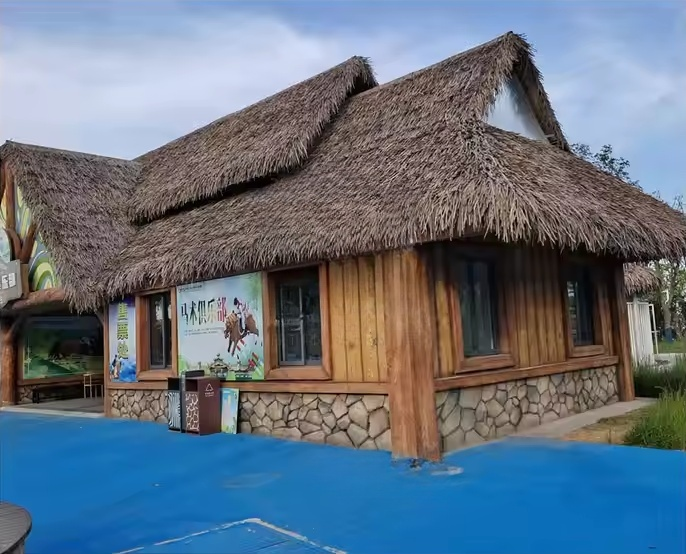
Owning a thatched roof cottage brings unique charm and historical character to any property, but it also requires specialized maintenance and fire prevention strategies that differ significantly from conventional roofing systems. Traditional thatch materials, while beautiful and naturally insulating, present specific challenges that every thatched roof cottage owner must understand to protect their investment and ensure long-term structural integrity.
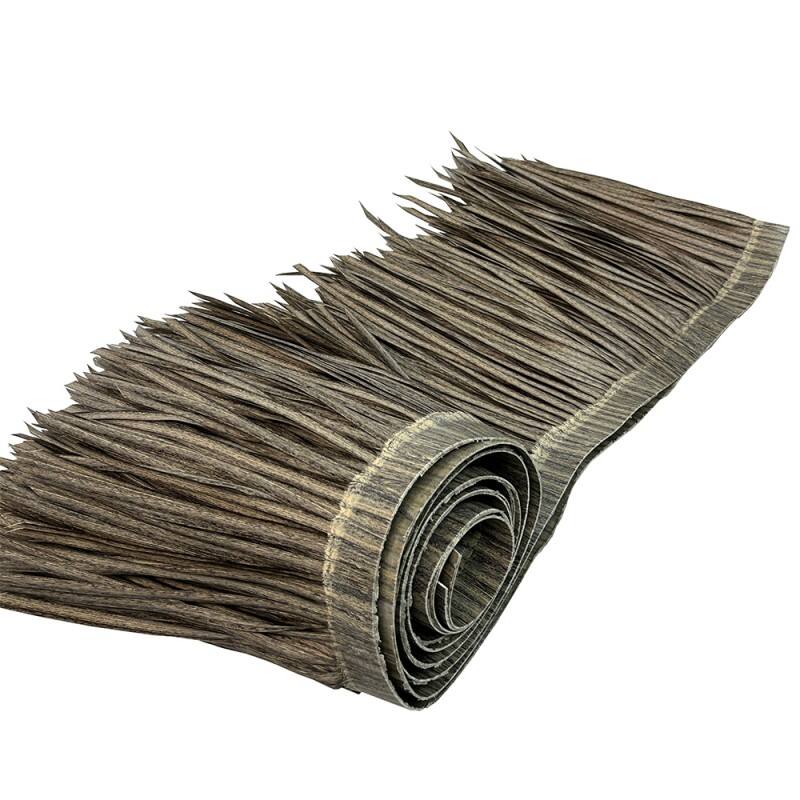
The distinctive vulnerability of a thatched roof cottage to fire damage, combined with the organic nature of traditional thatching materials, makes comprehensive maintenance and prevention strategies essential for property protection. Modern solutions now offer enhanced fire resistance while maintaining the aesthetic appeal that makes thatched roof cottage properties so desirable in rural and heritage communities.
Understanding Fire Risks in Thatched Roof Cottage Properties
Primary Fire Hazards and Ignition Sources
A thatched roof cottage faces multiple fire risks that stem from both internal and external sources. Chimney sparks represent the most common ignition source, particularly when proper spark arrestors are not installed or maintained. The dry organic materials used in traditional thatching create ideal conditions for rapid fire spread once ignition occurs.
Electrical faults in older thatched roof cottage properties pose additional risks, especially when wiring runs through roof spaces or near thatch materials. Faulty heating systems, improperly maintained fireplaces, and even lightning strikes can trigger devastating fires that spread rapidly through the entire thatched roof cottage structure.
External fire sources, including nearby bonfires, barbecues, or even cigarettes carelessly discarded near the property, can ignite thatch materials. The porous nature of traditional thatch means that a thatched roof cottage remains vulnerable to ember attacks from distant fires, making comprehensive fire prevention strategies crucial for property protection.
Material Vulnerability and Fire Behavior
Traditional thatching materials in a thatched roof cottage create unique fire behavior patterns that differ dramatically from conventional roofing materials. Straw, reed, and other organic materials burn rapidly and can reach extremely high temperatures within minutes of ignition, making early detection and prevention absolutely critical.
The layered structure of thatch in a thatched roof cottage allows fire to spread both horizontally and vertically through the material, often creating hidden fire pockets that can reignite hours after the initial incident appears extinguished. This characteristic makes traditional firefighting approaches less effective and emphasizes the importance of prevention over reaction.
Moisture content plays a crucial role in fire vulnerability, as properly maintained thatch with appropriate moisture levels provides some natural fire resistance. However, during dry seasons or in poorly maintained thatched roof cottage properties, this natural protection diminishes significantly, requiring enhanced prevention measures and alternative materials.
Essential Maintenance Practices for Fire Prevention
Regular Thatch Inspection and Condition Assessment
Systematic inspection of your thatched roof cottage should occur at least twice annually, focusing on identifying signs of deterioration, pest damage, or structural weakness that could contribute to fire risk. Professional thatchers can assess the overall condition of the thatch and recommend specific maintenance interventions to maintain fire resistance properties.
Key inspection points include checking for loose or damaged thatch that could provide easy ignition points, identifying areas where moisture retention might promote decay, and ensuring that ridge capping remains intact and properly sealed. A well-maintained thatched roof cottage with properly secured thatch materials presents fewer fire risks than neglected properties.
Documentation of inspection findings helps establish maintenance schedules and track the overall condition of your thatched roof cottage over time. Regular photographic records can help identify gradual changes that might not be immediately apparent during routine visual inspections, enabling proactive maintenance before problems become fire risks.
Chimney and Heating System Maintenance
The chimney system in a thatched roof cottage requires specialized attention due to the proximity of combustible materials to heat sources. Annual chimney cleaning and inspection by qualified professionals ensures proper draft and removes creosote buildup that could ignite and send sparks into the thatch material.
Installation and maintenance of appropriate spark arrestors specifically designed for thatched roof cottage applications can significantly reduce fire risk from chimney emissions. These devices must be regularly cleaned and inspected to ensure they function effectively and do not become clogged with debris that could affect chimney performance.
Heating system maintenance extends beyond the chimney to include inspection of fireplace construction, flue lining integrity, and proper clearances between heating appliances and combustible materials. Modern heating solutions designed for thatched roof cottage applications often include enhanced safety features that reduce fire risk while maintaining efficient operation.
Modern Fire Prevention Technologies and Solutions
Advanced Fire Detection and Suppression Systems
Contemporary fire detection technology offers specialized solutions designed specifically for thatched roof cottage applications, including heat and smoke detection systems that can identify fires in their earliest stages. Early warning systems provide crucial extra minutes for evacuation and fire service response, potentially saving both lives and property.
Sprinkler systems designed for heritage and rural properties can provide automated fire suppression capabilities while minimizing water damage to the thatched roof cottage structure. These systems require careful design to ensure adequate coverage without compromising the historical character or structural integrity of traditional buildings.
Integrated monitoring systems can connect fire detection equipment to professional monitoring services, ensuring rapid emergency response even when the thatched roof cottage is unoccupied. Modern wireless technology makes installation feasible even in older properties where traditional wired systems might be impractical or invasive.
Fire-Resistant Thatching Materials and Treatments
Modern synthetic thatching materials offer enhanced fire resistance while maintaining the traditional appearance that makes a thatched roof cottage so appealing. These thatched roof cottage solutions combine aesthetic authenticity with improved safety performance, providing property owners with practical alternatives to traditional organic materials.
Fire-retardant treatments for existing thatch materials can improve fire resistance properties while preserving the original character of a thatched roof cottage. These treatments require periodic reapplication and professional assessment to maintain their effectiveness over time, making them part of ongoing maintenance rather than one-time solutions.
Hybrid approaches that combine traditional thatching techniques with modern fire-resistant materials offer compromise solutions for thatched roof cottage owners who want to maintain authenticity while improving safety. These approaches often involve strategic placement of fire-resistant materials in high-risk areas while preserving traditional thatch in visible locations.
Environmental and Seasonal Fire Prevention Strategies
Landscape Management and Defensible Space
Creating appropriate defensible space around a thatched roof cottage involves managing vegetation and combustible materials within a specific radius of the building to reduce fire spread risk from external sources. Strategic landscaping can provide both aesthetic appeal and fire protection through careful selection and placement of fire-resistant plant species.
Regular maintenance of gutters, gardens, and outdoor areas removes accumulated organic debris that could serve as ignition sources or fire spread pathways. A well-maintained thatched roof cottage property with clean surroundings presents significantly lower fire risk than properties where combustible materials accumulate near the structure.
Water access and storage solutions, including emergency water supplies and accessible connection points for fire service equipment, can dramatically improve fire suppression capabilities. Strategic placement of water storage facilities ensures that adequate supplies are available for both manual firefighting efforts and professional fire service operations.
Seasonal Risk Management and Weather Considerations
Seasonal fire prevention planning for a thatched roof cottage must account for changing weather patterns, humidity levels, and local fire risk conditions throughout the year. High-risk periods, typically during dry summer months, require enhanced vigilance and additional prevention measures to protect against increased ignition probability.
Weather monitoring and fire danger assessment help thatched roof cottage owners make informed decisions about heating system use, outdoor activities, and maintenance scheduling during high-risk periods. Understanding local fire weather patterns enables proactive risk management rather than reactive responses to dangerous conditions.
Emergency preparedness planning specific to thatched roof cottage properties should include evacuation procedures, communication plans, and coordination with local fire services who understand the unique challenges presented by thatched roofing materials. Regular practice and review of emergency procedures ensure effective response when fire threats arise.
FAQ
How often should a thatched roof cottage undergo professional fire safety inspection?
A thatched roof cottage should receive professional fire safety inspection annually, with additional assessments after severe weather events or when any modifications are made to heating systems or electrical installations. Professional inspections can identify potential fire risks that property owners might overlook and ensure that all fire prevention systems function properly.
Can modern fire suppression systems be installed in historical thatched roof cottage properties without damaging their heritage value?
Yes, modern fire suppression systems can be designed and installed in historical thatched roof cottage properties using discrete installation methods that preserve architectural integrity while providing enhanced safety. Specialized heritage fire protection consultants can develop solutions that meet both safety requirements and conservation standards for protected buildings.
What insurance considerations apply specifically to thatched roof cottage properties regarding fire prevention?
Insurance for a thatched roof cottage typically requires evidence of proper fire prevention measures, including regular maintenance records, professional inspections, and installation of approved fire detection systems. Many insurers offer premium reductions for properties that exceed minimum fire prevention requirements or use modern fire-resistant thatching materials.
Are there building regulations that specifically address fire safety in thatched roof cottage construction and renovation?
Building regulations for thatched roof cottage properties include specific fire safety requirements that address chimney construction, electrical installation standards, and emergency access provisions. Local building control authorities can provide guidance on current regulations and approved methods for improving fire safety while maintaining the traditional character of thatched roof cottage properties.
Table of Contents
- Understanding Fire Risks in Thatched Roof Cottage Properties
- Essential Maintenance Practices for Fire Prevention
- Modern Fire Prevention Technologies and Solutions
- Environmental and Seasonal Fire Prevention Strategies
-
FAQ
- How often should a thatched roof cottage undergo professional fire safety inspection?
- Can modern fire suppression systems be installed in historical thatched roof cottage properties without damaging their heritage value?
- What insurance considerations apply specifically to thatched roof cottage properties regarding fire prevention?
- Are there building regulations that specifically address fire safety in thatched roof cottage construction and renovation?