 EN
EN

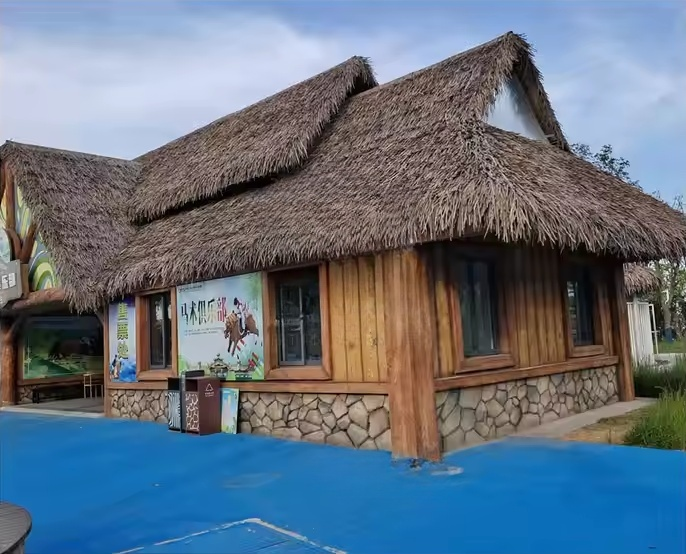
Creating a stunning thatched roof cottage for vacation rentals requires careful attention to design elements that balance authentic charm with modern functionality. The distinctive appeal of a thatched roof cottage lies in its ability to transport guests to a bygone era while providing contemporary comfort and convenience. This unique architectural style has become increasingly popular among vacation rental owners seeking to differentiate their properties in competitive markets.
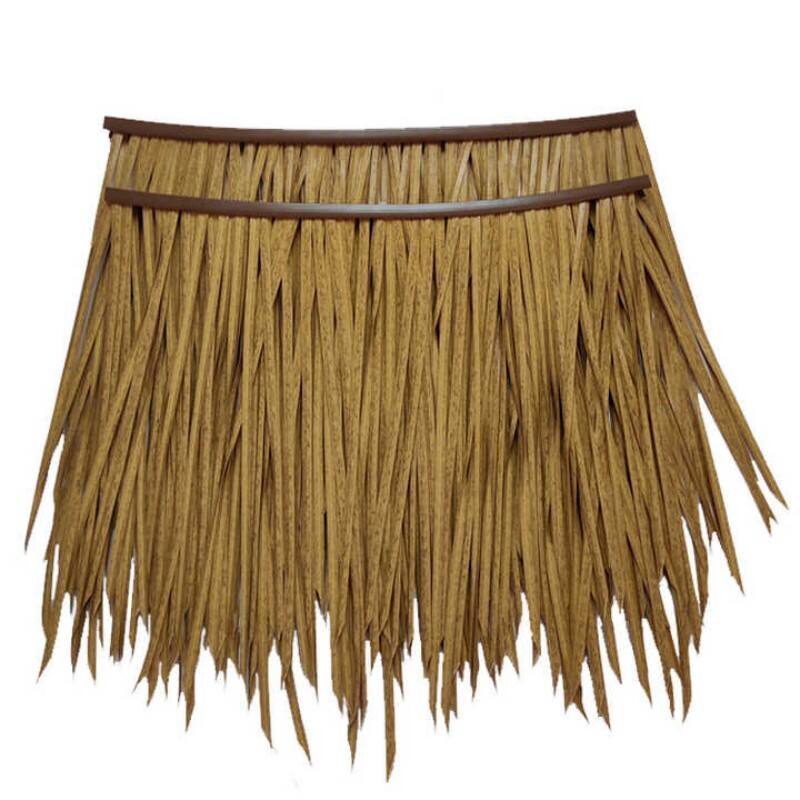
Successful thatched roof cottage design demands understanding both traditional construction techniques and modern guest expectations. The process involves selecting appropriate materials, creating functional floor plans, integrating essential amenities, and ensuring compliance with safety regulations while preserving the romantic aesthetic that makes these properties so desirable. Proper planning during the design phase prevents costly modifications later and ensures your vacation rental delivers the enchanting experience guests seek.
Architectural Foundation and Structural Considerations
Understanding Traditional Thatched Cottage Proportions
The foundation of any successful thatched roof cottage design begins with understanding traditional proportions and architectural principles. Authentic thatched cottages typically feature low-pitched roofs with steep angles ranging from 45 to 55 degrees, which allows for proper water drainage and thatch longevity. The roof dominates the visual profile, often extending nearly to ground level and creating the characteristic cozy appearance that guests find irresistible.
Wall heights in traditional thatched roof cottage designs rarely exceed eight feet, maintaining intimate proportions that enhance the feeling of warmth and security. Windows are typically small and positioned to create charming asymmetrical facades, while doorways feature low lintels that require slight ducking when entering. These design elements contribute to the authentic cottage experience that modern vacation rental guests seek.
Modern adaptations of thatched roof cottage design must balance authenticity with practical considerations such as building codes and accessibility requirements. Structural engineering becomes crucial when adapting traditional designs for contemporary use, particularly regarding foundation requirements, load-bearing calculations, and seismic considerations in applicable regions.
Selecting Appropriate Foundation Systems
Foundation design for thatched roof cottage construction requires special consideration due to the unique weight distribution and moisture management needs of thatched roofing systems. Stone or concrete foundations work best, providing stable support while allowing for proper ventilation beneath the structure. Elevated foundations help protect against moisture infiltration and extend the lifespan of both the thatch and underlying structure.
Proper drainage around the foundation prevents water accumulation that could compromise both structural integrity and thatch performance. French drain systems and gravel beds create effective moisture management solutions while maintaining the rustic aesthetic appropriate for thatched roof cottage designs. Foundation height should account for potential landscaping features such as gardens, pathways, and outdoor seating areas that enhance the overall vacation rental experience.
Thatched Roofing Material Selection and Installation
Choosing Between Natural and Synthetic Thatch Options
Material selection represents one of the most critical decisions in thatched roof cottage design, directly impacting both aesthetics and long-term maintenance requirements. Traditional natural thatch materials include wheat straw, water reed, and combed wheat reed, each offering distinct appearance characteristics and durability profiles. Natural materials provide unmatched authenticity but require specialized installation expertise and regular maintenance schedules.
Modern synthetic thatch alternatives offer significant advantages for vacation rental properties, providing consistent appearance, enhanced fire resistance, and reduced maintenance requirements. High-quality thatched roof cottage installations using synthetic materials can achieve remarkable visual authenticity while offering superior weather resistance and longevity. These materials often include UV stabilizers and fire-retardant treatments that enhance safety and performance in vacation rental applications.
Color consistency becomes particularly important in vacation rental applications where professional photography and guest expectations demand visual perfection. Synthetic thatch materials maintain uniform coloration and texture over time, ensuring your thatched roof cottage continues to photograph beautifully throughout its service life. Installation techniques for synthetic materials often prove simpler and faster than traditional methods, reducing construction timelines and costs.
Installation Techniques and Weather Considerations
Proper thatch installation requires understanding of traditional laying techniques adapted for modern performance requirements. The installation process begins with creating appropriate roof substrate using oriented strand board or plywood sheathing that provides secure attachment points for thatch materials. Vapor barriers and ventilation systems prevent moisture accumulation within the roof assembly while allowing natural breathability that characterizes authentic thatched roofing.
Weather considerations during thatched roof cottage construction significantly impact installation scheduling and material selection. Wind exposure, precipitation patterns, and temperature extremes in your specific location influence both installation techniques and long-term performance expectations. Professional installers experienced with thatched roofing systems can adapt traditional techniques to local climate conditions while maintaining aesthetic authenticity.
Ridge construction and hip details require particular attention in thatched roof cottage designs, as these areas experience the highest stress and weather exposure. Proper flashing integration, ventilation provisions, and attachment methods ensure long-term weather resistance while preserving the characteristic profile that makes thatched cottages so appealing to vacation rental guests.
Interior Design and Space Planning
Creating Functional Floor Plans Within Traditional Proportions
Interior space planning for thatched roof cottage vacation rentals must maximize functionality while preserving the intimate character that guests expect. Open floor plans work particularly well in smaller cottages, creating the illusion of larger spaces while maintaining the cozy atmosphere that defines successful thatched cottage experiences. Kitchen, living, and dining areas can flow together seamlessly while preserving distinct functional zones through furniture placement and lighting design.
Ceiling height variations created by traditional thatched roof cottage construction provide opportunities for creative space utilization. Lower ceiling areas work well for intimate seating nooks, reading alcoves, or bedroom spaces, while higher areas accommodate cooking, dining, and entertaining functions. Exposed beam construction adds authentic character while providing mounting points for lighting, fans, and decorative elements.
Storage solutions require creative integration in thatched roof cottage designs due to space constraints and architectural limitations. Built-in furniture, window seats with storage compartments, and custom millwork maximize functionality without compromising aesthetic authenticity. Under-stair storage, attic access, and cleverly concealed closets provide essential storage capacity while maintaining clean interior lines.
Integrating Modern Amenities Seamlessly
Modern vacation rental guests expect contemporary amenities despite choosing traditional thatched roof cottage accommodations. HVAC systems require careful integration to avoid disrupting authentic interior aesthetics while providing reliable climate control. Mini-split systems, radiant floor heating, and strategically placed vents can deliver modern comfort without visible intrusion on cottage character.
Kitchen design in thatched roof cottage vacation rentals balances period-appropriate aesthetics with modern functionality. Farmhouse sinks, butcher block countertops, and traditional cabinetry styles maintain authentic character while concealing contemporary appliances and convenience features. Island designs and peninsula layouts maximize counter space and storage while creating natural gathering areas for vacation rental guests.
Bathroom integration requires particular sensitivity to space constraints and moisture management concerns. Traditional materials such as natural stone, wood paneling, and period-appropriate fixtures maintain cottage character while incorporating modern conveniences like efficient toilets, rainfall showers, and heated towel racks. Proper ventilation becomes crucial in thatched roof cottage bathrooms to prevent moisture-related issues.
Landscape Design and Exterior Features
Creating Complementary Garden Environments
Landscape design around thatched roof cottage vacation rentals should enhance the authentic rural character while providing functional outdoor spaces for guest enjoyment. Traditional English cottage gardens featuring perennial borders, herb gardens, and climbing roses create the romantic setting that guests associate with thatched cottage experiences. Pathways constructed from natural stone, brick, or gravel maintain period authenticity while providing safe access to entrances and outdoor amenities.
Garden planning must consider both aesthetic goals and practical maintenance requirements for vacation rental properties. Low-maintenance plantings that provide seasonal color and fragrance work best, minimizing ongoing care while ensuring consistently beautiful presentation for arriving guests. Native plant selections adapted to local climate conditions reduce irrigation requirements and support local ecosystem health.
Outdoor seating areas and entertainment spaces extend the usable area of thatched roof cottage vacation rentals while providing additional revenue opportunities. Stone patios, wooden decks, and pergola structures can accommodate outdoor dining, relaxation, and social gatherings while maintaining appropriate scale and material compatibility with cottage architecture.
Utility Integration and Practical Considerations
Utility system integration requires careful planning to maintain the authentic appearance of thatched roof cottage exteriors while ensuring reliable service for vacation rental operations. Electrical service, internet connectivity, and water systems must be professionally installed and properly concealed to avoid disrupting cottage aesthetics. Underground utility runs and strategically placed junction boxes minimize visual impact while providing necessary infrastructure.
Parking and access considerations become particularly important for vacation rental properties, as guests arrive with luggage, groceries, and recreational equipment. Parking areas should be positioned to minimize visual impact on cottage character while providing convenient access to entrances. Gravel surfaces, permeable pavers, or grass-paving systems maintain rural character while providing stable parking surfaces.
Security systems and exterior lighting require thoughtful integration to provide safety and peace of mind without compromising cottage ambiance. Motion-activated lighting, security cameras, and access control systems can be discretely integrated using traditional-style fixtures and concealed wiring that preserves authentic cottage appearance.
Safety, Regulations, and Maintenance Planning
Fire Safety and Building Code Compliance
Fire safety represents a critical consideration in thatched roof cottage design, requiring careful attention to material selection, evacuation planning, and suppression systems. Modern building codes often require enhanced fire protection measures for thatched roofing installations, including fire-retardant treatments, sprinkler systems, and specialized detection equipment. Working with local building officials early in the design process ensures compliance while maintaining authentic cottage character.
Synthetic thatch materials often provide superior fire resistance compared to natural materials while maintaining visual authenticity appropriate for vacation rental applications. Professional installation of fire-rated synthetic thatch systems can achieve building code compliance while reducing insurance costs and improving guest safety. Emergency egress planning becomes particularly important in thatched roof cottage designs due to potential evacuation constraints created by traditional construction methods.
Insurance considerations for thatched roof cottage vacation rentals require specialized coverage and risk assessment procedures. Working with insurance providers experienced in thatched construction helps identify appropriate coverage levels and risk mitigation strategies. Documentation of materials, installation methods, and safety systems supports favorable insurance terms and protects your investment.
Long-term Maintenance and Preservation Strategies
Maintenance planning for thatched roof cottage vacation rentals should address both routine care requirements and long-term preservation goals. Preventive maintenance schedules covering roof inspection, gutter cleaning, and moisture management help extend material lifespan while maintaining guest safety. Professional maintenance providers experienced with thatched construction can identify potential issues before they become costly repairs.
Seasonal maintenance requirements vary based on local climate conditions and material selections. Pre-winter preparations might include drainage system inspection, thatch condition assessment, and weather sealing verification. Spring maintenance often focuses on cleaning, minor repairs, and preparation for peak vacation rental season. Maintaining detailed maintenance logs supports warranty claims and helps optimize replacement scheduling.
Guest education regarding thatched roof cottage characteristics helps prevent damage and ensures positive experiences. Providing information about traditional construction methods, material properties, and appropriate use guidelines helps guests appreciate the unique features of your property while avoiding behaviors that could cause damage or safety concerns.
FAQ
How long does it take to build a thatched roof cottage for vacation rental use?
Construction timelines for thatched roof cottage vacation rentals typically range from 8 to 12 months, depending on size, complexity, and local permitting requirements. The thatching process itself usually requires 2-4 weeks with experienced installers, while foundation work, framing, and interior finishing follow standard construction schedules. Weather conditions and material availability can impact timelines, particularly for natural thatch installations that require specific seasonal conditions.
What are the ongoing costs associated with maintaining a thatched roof cottage rental property?
Annual maintenance costs for thatched roof cottage vacation rentals typically range from $2,000 to $5,000, including routine roof inspections, minor repairs, and preventive treatments. Major roof renovations occur every 15-25 years for natural thatch or 25-40 years for high-quality synthetic materials. Additional costs include specialized insurance premiums, which may be 20-50% higher than standard property coverage, and periodic professional cleaning of gutters and drainage systems.
Can I build a thatched roof cottage in areas with strict building codes?
Most jurisdictions allow thatched roof cottage construction with proper engineering, fire safety measures, and code compliance documentation. Working with architects experienced in thatched construction and early consultation with building officials helps identify specific requirements and approval processes. Synthetic thatch materials often simplify code compliance by meeting fire resistance standards while maintaining authentic appearance, making approval more straightforward in regulated areas.
What size thatched roof cottage works best for vacation rental profitability?
Optimal thatched roof cottage sizes for vacation rental profitability typically range from 800 to 1,200 square feet, accommodating 2-4 guests comfortably while maintaining intimate cottage character. This size range balances construction costs with rental rates, allowing premium pricing for the unique experience while keeping investment levels manageable. Properties exceeding 1,500 square feet may lose the cozy cottage feel that guests specifically seek when choosing thatched accommodations.
Table of Contents
- Architectural Foundation and Structural Considerations
- Thatched Roofing Material Selection and Installation
- Interior Design and Space Planning
- Landscape Design and Exterior Features
- Safety, Regulations, and Maintenance Planning
-
FAQ
- How long does it take to build a thatched roof cottage for vacation rental use?
- What are the ongoing costs associated with maintaining a thatched roof cottage rental property?
- Can I build a thatched roof cottage in areas with strict building codes?
- What size thatched roof cottage works best for vacation rental profitability?