 EN
EN
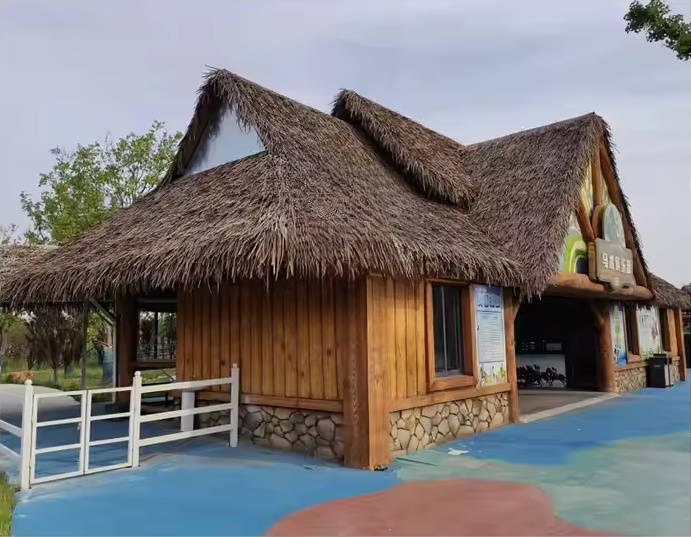
Modern architecture increasingly embraces sustainable and durable roofing solutions that combine aesthetic appeal with superior weather protection. A synthetic thatch roof represents a revolutionary advancement in roofing technology, offering property owners the traditional charm of natural thatch while delivering enhanced durability and exceptional weather resistance. Unlike conventional thatched roofing materials that deteriorate rapidly under harsh environmental conditions, synthetic alternatives provide long-lasting protection that maintains both structural integrity and visual appeal for decades.
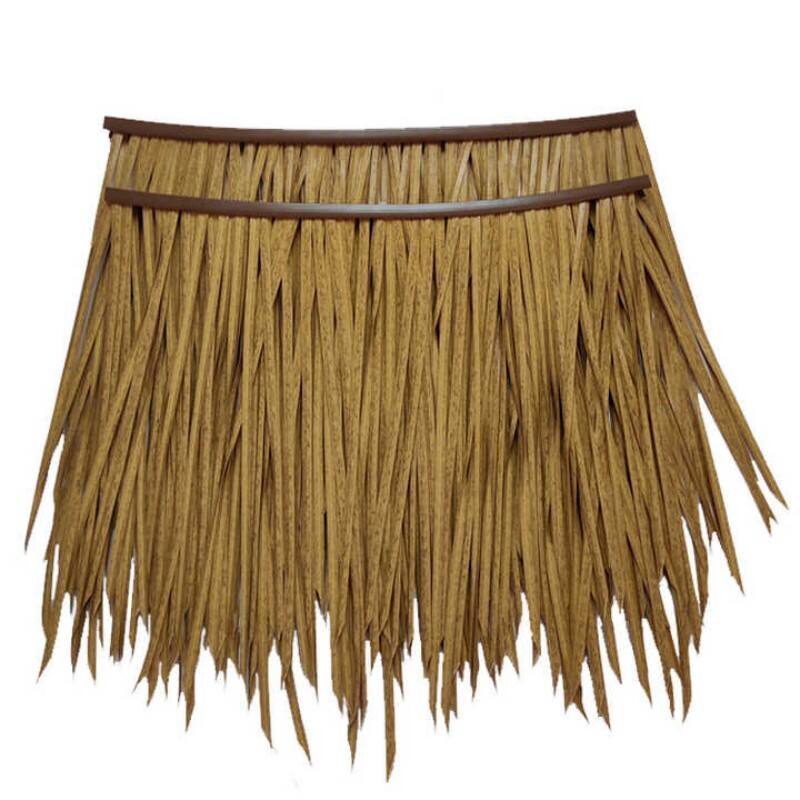
The engineering behind synthetic thatch materials incorporates advanced polymer technology designed to withstand extreme weather conditions while maintaining the authentic appearance of traditional thatching. These innovative roofing systems utilize high-density polyethylene and specialized UV-resistant compounds that prevent degradation from prolonged sun exposure, ensuring consistent performance across diverse climate zones. Property developers and architects increasingly specify synthetic thatch roof solutions for tropical resorts, residential developments, and commercial structures where both aesthetic value and long-term reliability are paramount.
Advanced Material Composition and Engineering
High-Density Polyethylene Foundation
The core structure of a synthetic thatch roof relies on high-density polyethylene materials that provide exceptional strength and flexibility. This polymer base offers superior resistance to cracking, splitting, and mechanical damage compared to natural thatch materials. The molecular structure of HDPE creates a barrier against moisture penetration while maintaining breathability characteristics essential for proper ventilation. Manufacturing processes incorporate specialized additives that enhance the material's resistance to thermal expansion and contraction, preventing structural failures common in traditional roofing systems.
Advanced extrusion techniques create synthetic thatch panels with consistent density and uniform thickness distribution. Quality control measures ensure each panel meets stringent performance standards for load-bearing capacity and impact resistance. The manufacturing process allows for precise color matching and texture replication that closely mimics natural thatch materials. These engineering specifications result in roofing systems capable of withstanding high winds, heavy precipitation, and extreme temperature variations without compromising structural integrity.
UV Protection and Color Stability
Ultraviolet radiation poses the most significant threat to conventional roofing materials, causing rapid degradation and color fading over time. Synthetic thatch roof systems incorporate specialized UV-resistant compounds that provide 15-year protection against solar radiation damage. These additives work at the molecular level to absorb and dissipate harmful UV energy before it can break down the polymer structure. Color stabilizers ensure consistent appearance throughout the material's lifespan, preventing unsightly fading and discoloration.
Laboratory testing demonstrates that synthetic thatch materials maintain their original color properties even after prolonged exposure to intense tropical sunlight. The UV protection system extends beyond surface treatment to include integrated compounds throughout the material thickness. This comprehensive approach ensures long-term performance in challenging environments where natural materials would fail within months. Property owners benefit from reduced maintenance requirements and sustained aesthetic appeal throughout the roofing system's extended service life.
Superior Weather Resistance Characteristics
Moisture Management and Waterproofing
Traditional thatch materials absorb significant moisture during rainfall, creating conditions conducive to mold growth, insect infestation, and structural decay. A synthetic thatch roof addresses these challenges through advanced moisture-resistant properties that prevent water absorption while maintaining natural drainage characteristics. The non-porous surface sheds water effectively, reducing the risk of leak formation and interior moisture damage.
Engineered drainage channels within synthetic thatch panels direct water flow away from vulnerable areas, preventing pooling and standing water accumulation. The material's hydrophobic properties ensure rapid water runoff even during extended periods of heavy rainfall. This moisture management system eliminates the need for frequent maintenance and repairs associated with water-damaged natural thatch. Property owners experience significant cost savings through reduced repair expenses and extended replacement intervals.
Wind Resistance and Structural Stability
High-wind conditions pose severe challenges for traditional thatched roofing systems, often resulting in material displacement and structural damage. Synthetic thatch roof panels feature engineered interlocking mechanisms that create secure connections between adjacent sections. These mechanical fastening systems distribute wind loads across the entire roofing assembly, preventing localized stress concentrations that could cause failure. Impact testing validates the material's ability to withstand debris impact during severe weather events.
The lightweight yet durable construction of synthetic thatch materials reduces structural loading on supporting frameworks while maintaining exceptional wind uplift resistance. Aerodynamic panel profiles minimize wind turbulence and pressure differentials that contribute to roof damage. Installation specifications include reinforced attachment points and supplementary fastening systems for regions prone to extreme weather conditions. These engineering features provide property owners with confidence in their roofing system's ability to protect structures during hurricane-force winds and severe storm events.
Long-Term Durability and Performance
Resistance to Environmental Degradation
Environmental factors including temperature cycling, chemical exposure, and biological attack significantly impact roofing material longevity. Synthetic thatch roof systems demonstrate exceptional resistance to these degradation mechanisms through carefully engineered polymer formulations. The material maintains structural properties across wide temperature ranges without becoming brittle in cold conditions or softening under extreme heat. Chemical resistance prevents damage from acid rain, salt spray, and atmospheric pollutants common in urban and coastal environments.
Biological resistance eliminates concerns about insect infestation, fungal growth, and rodent damage that plague natural thatch materials. The synthetic composition provides no nutritional value for pests while incorporating compounds that actively discourage insect activity. This biological immunity ensures consistent performance without the need for chemical treatments or pest control measures. Property owners benefit from reduced maintenance costs and extended service life compared to organic roofing alternatives.
Maintenance Requirements and Cost Effectiveness
The superior durability characteristics of synthetic thatch roof systems translate directly into reduced maintenance requirements and lower lifecycle costs. Unlike natural thatch that requires annual inspection and frequent repairs, synthetic alternatives maintain their protective qualities with minimal intervention. Routine cleaning procedures involve simple washing with standard detergents, eliminating the need for specialized maintenance techniques or expensive treatment products.
Cost analysis demonstrates significant savings over traditional roofing systems when evaluated across the material's complete service life. Initial installation costs are offset by reduced maintenance expenses, extended replacement intervals, and improved energy efficiency. The consistent appearance and performance characteristics eliminate the need for premature replacement due to aesthetic degradation or functional failure. Property developers and facility managers appreciate the predictable maintenance budgets and reduced operational complexity associated with synthetic thatch roofing systems.
Installation Advantages and Technical Specifications
Simplified Installation Process
The standardized dimensions and lightweight construction of synthetic thatch roof panels facilitate rapid installation with conventional roofing tools and techniques. Pre-engineered attachment systems eliminate the need for specialized fasteners or complex joining procedures. Installation crews familiar with standard roofing practices can efficiently complete synthetic thatch projects without extensive additional training. The modular panel design allows for easy customization and adaptation to various architectural configurations.
Quality control during manufacturing ensures consistent panel dimensions and surface textures that align perfectly during installation. The precision-molded profiles create seamless joints that maintain the authentic appearance of traditional thatch while providing superior weather sealing. Installation efficiency reduces labor costs and project timelines compared to natural thatch application. Contractors appreciate the predictable installation process and reduced risk of weather-related delays during construction.
Performance Specifications and Standards
Comprehensive testing protocols validate the performance characteristics of synthetic thatch roof systems under simulated and actual environmental conditions. Fire resistance ratings demonstrate superior safety compared to natural materials, meeting building code requirements for commercial and residential applications. Thermal performance specifications indicate excellent insulation properties that contribute to energy efficiency and occupant comfort.
Load-bearing capacity testing confirms structural adequacy for snow loads, maintenance access, and equipment installation. Impact resistance standards ensure protection against hail damage and falling debris. These verified performance characteristics provide architects and engineers with confidence in specifying synthetic thatch materials for demanding applications. Building officials recognize the superior safety and durability characteristics when evaluating permit applications and code compliance.
Applications and Market Adoption
Resort and Hospitality Industry
The hospitality sector increasingly adopts synthetic thatch roof solutions for tropical resorts and themed entertainment venues where authentic appearance and reliable performance are equally important. Resort developers appreciate the reduced maintenance burden and consistent aesthetic appeal that synthetic materials provide. The ability to maintain perfect appearance throughout hurricane seasons and extreme weather events ensures uninterrupted guest experiences and revenue generation.
Synthetic thatch installations in coastal environments demonstrate exceptional resistance to salt spray corrosion and humidity-related degradation. The materials maintain their structural integrity and visual appeal despite constant exposure to challenging marine conditions. Resort operators report significant cost savings through reduced roof replacement frequency and emergency repair requirements. The consistent performance characteristics enable accurate budgeting and long-term facility planning.
Residential and Commercial Applications
Homeowners seeking distinctive architectural features increasingly specify synthetic thatch roof systems for gazebos, pool houses, and accent structures. The materials provide authentic tropical aesthetics without the maintenance concerns associated with natural thatch. Commercial applications include restaurants, retail establishments, and office buildings where unique roofing systems create memorable visual impact while ensuring reliable weather protection.
The versatility of synthetic thatch materials accommodates various architectural styles and structural requirements. Custom color options and texture variations allow designers to achieve specific aesthetic goals while maintaining superior performance characteristics. Building owners appreciate the long-term value proposition and reduced liability exposure compared to natural alternatives. The growing market adoption reflects increasing awareness of synthetic thatch benefits across multiple industry segments.
FAQ
How long does a synthetic thatch roof typically last compared to natural thatch
A high-quality synthetic thatch roof system typically provides 15-20 years of reliable service with minimal maintenance requirements, significantly exceeding the 3-5 year lifespan of natural thatch materials. The synthetic composition resists degradation from UV radiation, moisture, pests, and temperature cycling that rapidly deteriorate organic materials. Property owners can expect consistent performance throughout the material's service life without the frequent repairs and partial replacements required for traditional thatch.
Can synthetic thatch materials withstand hurricane-force winds and severe storms
Modern synthetic thatch roof systems are engineered to withstand wind speeds exceeding 120 mph when properly installed according to manufacturer specifications. The interlocking panel design and reinforced attachment systems distribute wind loads across the entire roof assembly, preventing localized failures common in natural thatch. Impact testing validates the material's ability to resist damage from flying debris during severe weather events, providing superior protection compared to organic alternatives.
What fire safety advantages do synthetic thatch roofs offer over natural materials
Synthetic thatch materials incorporate flame-retardant compounds that significantly reduce fire risk compared to highly combustible natural thatch. The materials meet or exceed building code requirements for fire resistance in commercial and residential applications. Unlike natural thatch that can ignite from small sparks or embers, synthetic alternatives resist ignition and limit flame spread, enhancing overall building safety and reducing insurance liability concerns.
How does the installation cost of synthetic thatch compare to traditional roofing materials
While initial material costs for synthetic thatch roof systems may exceed conventional roofing options, the total cost of ownership becomes highly competitive when considering reduced maintenance expenses, extended service life, and improved energy efficiency. Installation labor costs are comparable to standard roofing systems due to the simplified installation process and lightweight panel construction. Property owners typically recover the initial investment through reduced maintenance and replacement costs within the first decade of service.
Table of Contents
- Advanced Material Composition and Engineering
- Superior Weather Resistance Characteristics
- Long-Term Durability and Performance
- Installation Advantages and Technical Specifications
- Applications and Market Adoption
-
FAQ
- How long does a synthetic thatch roof typically last compared to natural thatch
- Can synthetic thatch materials withstand hurricane-force winds and severe storms
- What fire safety advantages do synthetic thatch roofs offer over natural materials
- How does the installation cost of synthetic thatch compare to traditional roofing materials