 EN
EN

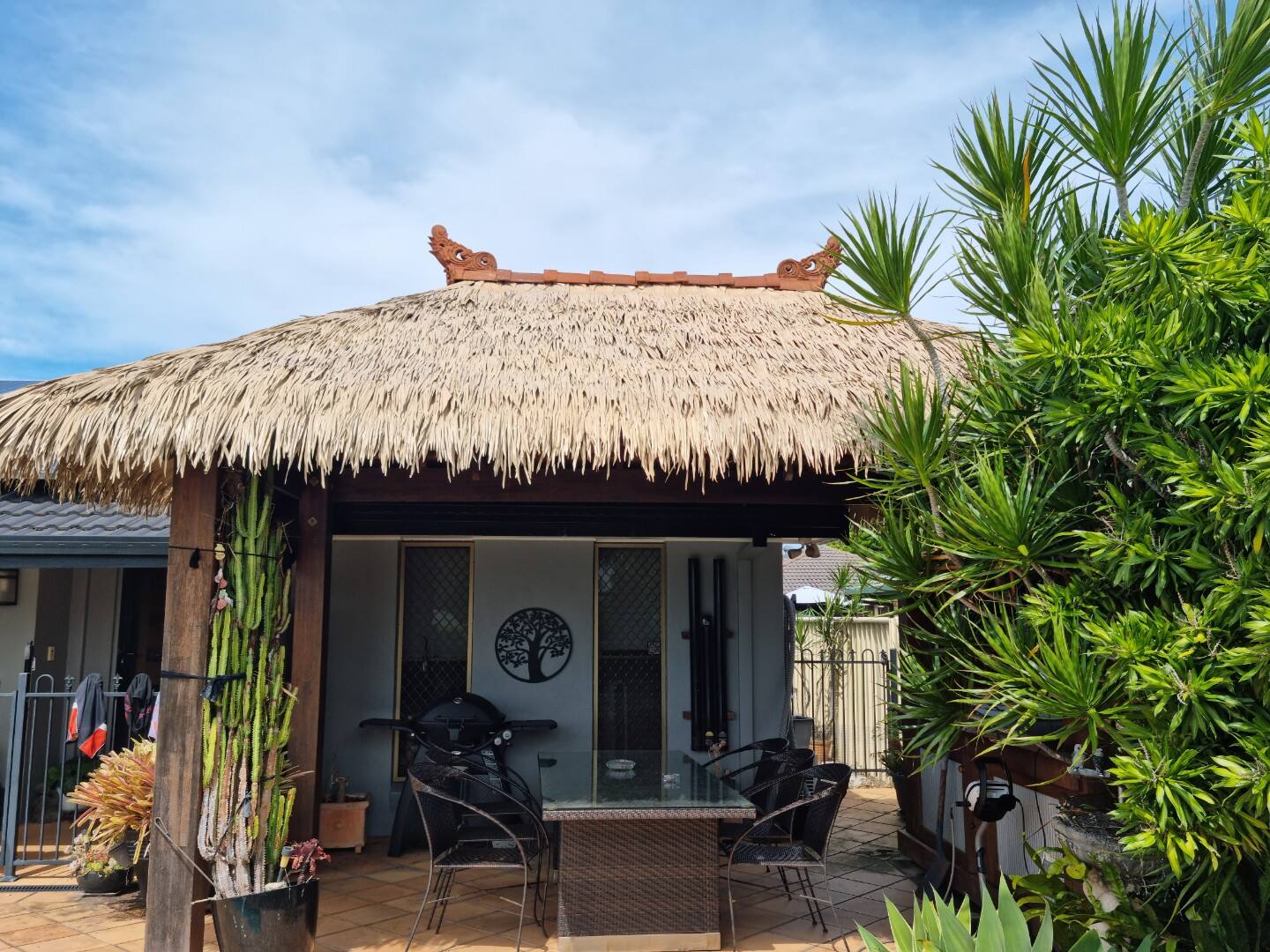
Modern construction projects increasingly demand roofing solutions that combine aesthetic appeal with practical durability. A synthetic thatch roof offers the perfect balance between traditional charm and contemporary performance, providing property owners with an attractive alternative to natural thatching materials. These innovative roofing systems have revolutionized the way architects and builders approach tropical and resort-style designs, delivering exceptional weather resistance while maintaining the authentic appearance of traditional thatch.
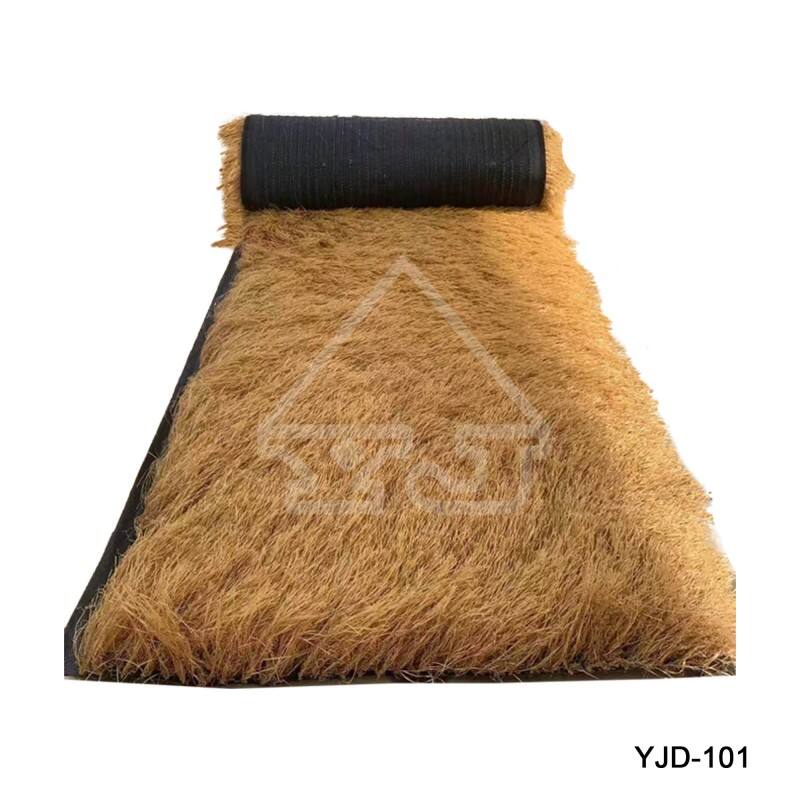
Installation success depends heavily on understanding the unique characteristics and requirements of synthetic thatch materials. Unlike conventional roofing systems, a synthetic thatch roof requires specialized techniques and careful attention to detail throughout the installation process. Professional installers must consider factors such as substrate preparation, material handling, and environmental conditions to ensure optimal performance and longevity.
Pre-Installation Planning and Assessment
Site Evaluation and Structural Requirements
Comprehensive site evaluation forms the foundation of successful synthetic thatch roof installation. Professional contractors must assess the existing roof structure to ensure adequate load-bearing capacity and proper ventilation systems. The underlying framework requires careful inspection for any signs of damage, moisture intrusion, or structural deficiencies that could compromise the installation quality.
Proper structural assessment includes evaluating rafter spacing, decking condition, and overall roof geometry. The synthetic thatch roof system requires consistent support across all installation points, with particular attention to areas where panels or rolls will overlap. Engineers often recommend reinforcement in specific areas to accommodate the unique weight distribution characteristics of synthetic thatching materials.
Environmental Considerations and Climate Factors
Weather conditions play a crucial role in determining installation timing and methodology for synthetic thatch roof projects. Ideal installation conditions include dry weather with minimal wind, allowing installers to work safely and efficiently. Temperature considerations are equally important, as extreme heat or cold can affect material flexibility and adhesive performance.
Local climate patterns influence long-term performance expectations and installation techniques. Regions with high humidity, frequent rainfall, or extreme temperature variations require specific adaptation strategies. Professional installers must understand how these environmental factors impact material behavior and adjust their techniques accordingly to ensure optimal synthetic thatch roof performance.
Material Selection and Quality Control
Understanding Synthetic Thatch Materials
Modern synthetic thatch roof materials incorporate advanced polymer technologies designed to replicate the appearance and texture of natural thatch while providing superior durability. High-quality synthetic options feature UV-resistant formulations, flame-retardant properties, and enhanced color stability that maintains aesthetic appeal over extended periods.
Material quality varies significantly among manufacturers, making careful selection essential for project success. Premium synthetic thatch roof products offer improved installation characteristics, including better flexibility, consistent dimensions, and enhanced attachment capabilities. Professional installers should evaluate material specifications thoroughly, considering factors such as thickness, density, and manufacturing tolerances.
Quality Inspection and Material Handling
Thorough material inspection before installation prevents costly delays and ensures consistent quality throughout the project. Each shipment of synthetic thatch roof materials requires careful examination for damage, defects, or inconsistencies that could affect installation quality or long-term performance.
Proper material handling techniques preserve product integrity and facilitate efficient installation. Storage requirements include protection from direct sunlight, moisture, and temperature extremes. Materials should be organized systematically to ensure proper installation sequence and minimize handling damage during the construction process.
Installation Techniques and Best Practices
Substrate Preparation and Base Layer Installation
Proper substrate preparation ensures optimal adhesion and performance for synthetic thatch roof installations. The base layer must be clean, dry, and structurally sound, with any necessary repairs completed before material installation begins. Surface preparation often includes power washing, debris removal, and application of appropriate primer systems.
Professional installers typically begin with a synthetic thatch roof underlayment system that provides additional weather protection and creates an optimal bonding surface. This base layer installation requires precise alignment and proper overlap patterns to ensure complete coverage and water resistance throughout the roofing system.
Panel Installation and Alignment Procedures
Systematic panel installation ensures consistent appearance and optimal weather protection for synthetic thatch roof systems. Professional installers work from bottom to top, establishing proper overlap patterns and maintaining consistent exposure rates throughout the installation process. Precise measurement and marking facilitate accurate panel placement and minimize material waste.
Alignment procedures require careful attention to manufacturer specifications and local building codes. Each panel or roll must be positioned correctly to ensure proper water shedding characteristics and maintain the authentic appearance of traditional thatch. Quality installation includes regular alignment checks and adjustments to prevent cumulative errors that could affect overall system performance.
Attachment Methods and Fastening Systems
Mechanical Fastening Techniques
Mechanical fastening provides reliable attachment for synthetic thatch roof installations, with various options available depending on substrate type and local wind load requirements. Stainless steel fasteners offer superior corrosion resistance and longevity, particularly in coastal or high-moisture environments where traditional fasteners might deteriorate over time.
Fastener selection must consider the specific characteristics of the synthetic thatch roof material and underlying substrate. Proper fastener length, thread type, and head configuration ensure secure attachment without damaging the synthetic thatch material. Professional installers follow manufacturer recommendations for fastener spacing and penetration depth to optimize holding power and weather resistance.
Adhesive Applications and Bonding Systems
Advanced adhesive systems provide additional security and weather sealing for synthetic thatch roof installations. High-performance construction adhesives create strong bonds between synthetic materials and various substrate types, enhancing overall system integrity and weather resistance.
Proper adhesive application requires attention to environmental conditions, surface preparation, and curing requirements. Professional installers must understand compatibility between adhesive systems and synthetic thatch roof materials to prevent chemical reactions or bonding failures. Temperature and humidity conditions during application significantly impact adhesive performance and final bond strength.
Weather Sealing and Moisture Management
Overlap and Joint Sealing Procedures
Effective moisture management prevents water infiltration and ensures long-term synthetic thatch roof performance. Proper overlap techniques create multiple barriers against water penetration, with each layer designed to direct moisture away from the underlying structure. Professional installation includes careful attention to overlap dimensions and sealing procedures at all joint locations.
Joint sealing requires specialized materials and techniques designed specifically for synthetic thatch roof applications. High-quality sealants maintain flexibility over extended temperature ranges while providing durable adhesion to synthetic materials. Proper application techniques ensure complete coverage and eliminate potential leak points throughout the roofing system.
Ridge and Edge Detail Installation
Ridge and edge details require specialized attention during synthetic thatch roof installation to ensure proper weather sealing and aesthetic continuity. These critical areas experience the highest exposure to weather elements and require enhanced protection measures to prevent water infiltration and wind damage.
Professional installation techniques for ridge areas include proper underlayment overlap, strategic fastener placement, and appropriate sealant application. Edge details must accommodate thermal movement while maintaining weather resistance throughout all seasonal conditions. Quality workmanship in these areas significantly impacts overall system performance and longevity.
Quality Control and Final Inspection
Installation Verification Procedures
Comprehensive quality control procedures ensure that synthetic thatch roof installations meet manufacturer specifications and local building codes. Professional contractors implement systematic inspection protocols throughout the installation process, identifying and correcting potential issues before they become significant problems.
Installation verification includes checking fastener patterns, overlap dimensions, and overall system alignment. Each phase of the synthetic thatch roof installation requires documentation and approval before proceeding to subsequent steps. This methodical approach prevents compounding errors and ensures consistent quality throughout the entire project.
Performance Testing and Warranty Considerations
Final performance testing validates synthetic thatch roof installation quality and helps identify any areas requiring attention before project completion. Professional testing procedures may include water resistance tests, wind uplift evaluations, and visual inspections for proper appearance and alignment.
Warranty considerations require careful documentation of installation procedures, material specifications, and quality control measures. Most synthetic thatch roof manufacturers require compliance with specific installation standards to maintain warranty coverage. Professional installers provide detailed documentation supporting warranty claims and demonstrating adherence to recommended practices.
FAQ
What tools are essential for synthetic thatch roof installation
Essential tools include pneumatic fasteners, measuring equipment, cutting tools designed for synthetic materials, and safety equipment. Professional installers also require specialized adhesives, sealants, and weather-resistant fasteners appropriate for the specific synthetic thatch roof system being installed.
How long does synthetic thatch roof installation typically take
Installation timeframes vary based on roof size, complexity, and weather conditions. Most residential synthetic thatch roof projects require 3-7 days for completion, while larger commercial installations may take several weeks. Proper planning and adequate crew size significantly impact project duration and efficiency.
What maintenance is required after synthetic thatch roof installation
Regular maintenance includes periodic visual inspections, debris removal, and occasional cleaning to maintain appearance. Professional maintenance programs typically recommend annual inspections and immediate attention to any damaged or loose components to ensure continued performance and warranty compliance.
Can synthetic thatch roof be installed over existing roofing materials
Installation over existing materials depends on structural capacity, local building codes, and manufacturer recommendations. Many synthetic thatch roof systems can be installed over properly prepared existing surfaces, but professional evaluation is essential to ensure structural adequacy and proper installation techniques.