 EN
EN
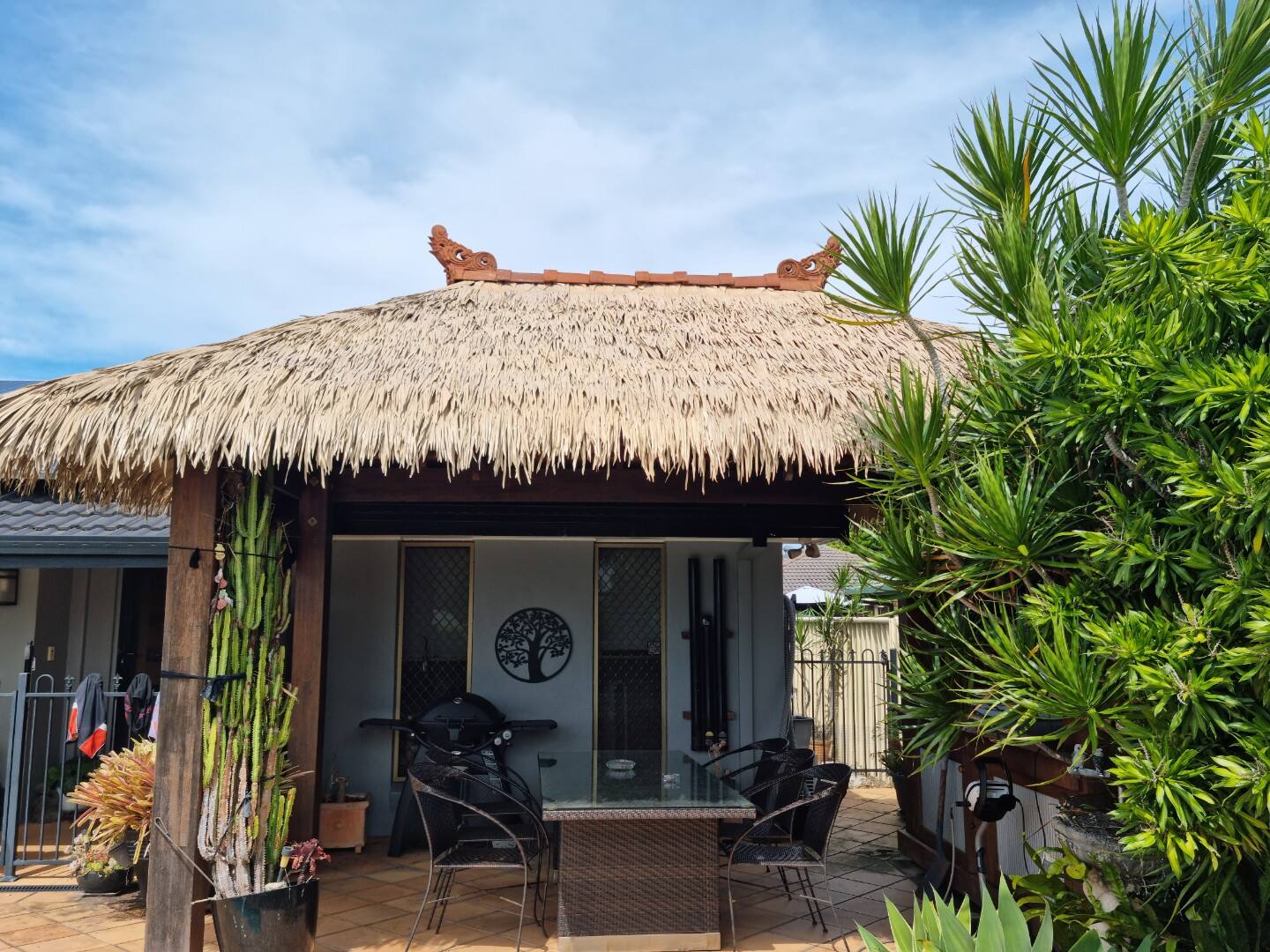
The roofing industry has witnessed remarkable innovations over the past decade, with synthetic thatch roof solutions emerging as a revolutionary alternative to traditional natural thatch. Property developers, resort owners, and homeowners are increasingly turning to these modern roofing systems as they seek to balance authentic aesthetic appeal with superior performance characteristics. Traditional thatch has served humanity for thousands of years, providing natural insulation and distinctive architectural charm, yet it comes with inherent limitations that modern construction demands often cannot accommodate. The synthetic thatch roof represents a technological leap forward, addressing the shortcomings of natural materials while preserving the visual authenticity that makes thatched roofing so desirable.
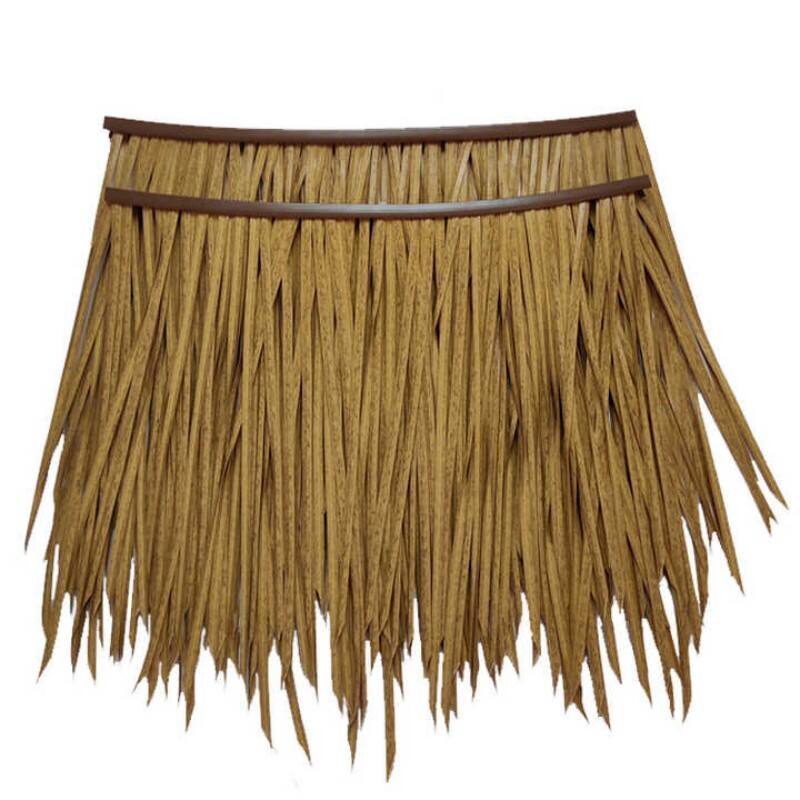
Understanding the fundamental differences between these two roofing approaches requires examining multiple performance factors that directly impact long-term building operations. From durability and maintenance requirements to fire safety and environmental considerations, each roofing type presents distinct advantages and challenges. Modern construction projects, particularly in commercial applications such as tropical resorts, theme parks, and residential developments, demand roofing solutions that can withstand extreme weather conditions while maintaining their aesthetic appeal for decades. The synthetic thatch roof has been engineered specifically to meet these demanding requirements, incorporating advanced materials science and manufacturing techniques to deliver consistent performance across diverse climatic conditions.
Material Composition and Manufacturing Differences
Natural Thatch Construction Methods
Traditional thatch roofing relies on organic materials harvested from specific plants, most commonly reed, straw, water reed, or palm fronds depending on regional availability. The installation process requires skilled craftsmen who understand the intricate layering techniques passed down through generations. These materials are bundled and secured in overlapping layers, creating a dense barrier that naturally sheds water while providing excellent insulation properties. The thickness of traditional thatch typically ranges from 12 to 18 inches, with the outer layer gradually weathering and requiring periodic replacement to maintain weather resistance.
The harvesting and preparation of natural thatch materials follow seasonal cycles, with optimal cutting times crucial for longevity. Reed cutting typically occurs during winter months when plant sugars are at their lowest levels, reducing the likelihood of insect infestation and rot. The drying process can take several months, and proper storage is essential to prevent mold and decay before installation. This traditional approach, while environmentally sustainable in terms of raw materials, requires significant labor investment and specialized knowledge that is becoming increasingly scarce in modern construction markets.
Synthetic Thatch Engineering
The synthetic thatch roof utilizes advanced polymer materials, primarily high-density polyethylene (HDPE) or similar synthetic compounds, engineered to replicate the appearance and performance characteristics of natural thatch while eliminating its inherent weaknesses. Manufacturing processes involve precision molding and UV-stabilization treatments that ensure consistent color retention and structural integrity across decades of exposure. Each synthetic panel is designed with specific dimensions and attachment methods that streamline installation while providing superior weather sealing compared to traditional methods.
Modern synthetic thatch roof systems incorporate multiple layers of protection, including UV inhibitors, flame retardants, and anti-microbial treatments that prevent the growth of moss, algae, and other organisms that commonly affect natural thatch. The manufacturing process allows for precise control over color consistency, texture patterns, and dimensional stability, ensuring that each installation maintains uniform appearance regardless of environmental conditions. Quality control measures during production include accelerated weathering tests, flame resistance certification, and structural load testing to verify long-term performance characteristics.
Durability and Weather Resistance Performance
Traditional Thatch Longevity Factors
Natural thatch roofing typically provides 15 to 25 years of service life under optimal conditions, though this varies significantly based on climate, installation quality, and maintenance practices. The organic nature of traditional thatch makes it susceptible to various forms of degradation, including UV damage, moisture penetration, wind uplift, and biological deterioration. In humid tropical environments, the lifespan may be reduced to 10-15 years due to accelerated decomposition and increased fungal activity. Ridge caps and exposed edges typically require replacement every 5-7 years, adding to ongoing maintenance costs.
Weather resistance in traditional thatch depends heavily on proper layering techniques and regular maintenance to replace worn outer layers. Heavy rainfall can cause premature deterioration if water penetrates beyond the outer weathering layer, while prolonged dry periods can lead to brittleness and increased fire risk. Wind resistance requires proper securing methods and may necessitate additional reinforcement in hurricane-prone regions. The natural settling and compression of organic materials over time can create gaps that compromise weather protection and require professional attention.
Synthetic Thatch Weather Performance
A quality synthetic thatch roof system offers superior longevity, typically warranted for 15-20 years with expected service life extending beyond 25 years under normal conditions. The engineered materials resist UV degradation, moisture absorption, and thermal cycling that commonly affect natural materials. Synthetic panels maintain their structural integrity and appearance throughout their service life, requiring minimal maintenance beyond periodic cleaning. Wind resistance is enhanced through precision-engineered attachment systems that distribute loads more effectively than traditional bundling methods.
The weather resistance of synthetic thatch roof installations exceeds traditional systems in multiple categories, including hail impact resistance, thermal expansion management, and resistance to salt spray in coastal environments. Advanced synthetic materials do not absorb moisture, eliminating the freeze-thaw damage that can occur in colder climates. The dimensional stability of synthetic materials prevents the gaps and settling issues common with organic thatch, maintaining consistent weather protection throughout the system's lifespan. Hurricane and high-wind testing has demonstrated superior performance compared to traditional thatch installations.
Fire Safety and Building Code Compliance
Fire Risks in Traditional Thatch Systems
Traditional thatch presents significant fire safety challenges that have led to strict building code restrictions in many jurisdictions. Dry organic materials are inherently combustible, and traditional thatch can ignite from sparks, embers, or direct flame contact. The thick, densely packed nature of natural thatch can create slow-burning fires that are difficult to detect and extinguish, potentially leading to complete structural loss. Insurance companies often impose higher premiums or coverage restrictions for buildings with traditional thatch roofing due to elevated fire risk.
Fire prevention in traditional thatch systems typically requires spark arrestors, specialized chimney designs, and regular inspection of potential ignition sources. Many building codes require fire barriers, sprinkler systems, or other active fire suppression measures when traditional thatch is used. The installation of electrical systems in traditional thatch structures requires special precautions and certified installations to prevent electrical fires. Despite these precautions, the fundamental combustibility of organic materials remains a limiting factor in many commercial applications.
Fire Resistance in Synthetic Systems
Modern synthetic thatch roof products are engineered with flame-retardant properties that significantly improve fire safety compared to traditional materials. Many synthetic thatch systems meet Class A or Class B fire ratings, depending on the specific formulation and installation method. The materials are designed to resist ignition from normal sources and self-extinguish when the ignition source is removed. This enhanced fire resistance opens up applications in commercial buildings, resorts, and residential areas where traditional thatch would not meet fire code requirements.
The synthetic thatch roof systems undergo rigorous fire testing to ensure compliance with international building codes and insurance requirements. The improved fire safety characteristics often result in reduced insurance premiums and broader approval for use in commercial applications. Advanced formulations include fire-retardant additives that are integral to the material rather than applied coatings, ensuring long-term fire resistance that does not degrade over time. This fundamental safety improvement makes synthetic thatch suitable for applications where traditional thatch would be prohibited or impractical.
Installation Process and Labor Requirements
Traditional Thatch Installation Complexity
Installing traditional thatch requires specialized craftsmen with years of training and experience in proper layering techniques, material selection, and weatherproofing methods. The installation process is labor-intensive, often taking several weeks for a typical residential structure, with weather delays extending the timeline significantly. Each bundle must be individually placed, secured, and shaped to create the proper water-shedding profile, requiring continuous quality control and adjustment throughout the installation. The availability of skilled thatchers is limited in many regions, often resulting in higher labor costs and extended project schedules.
The traditional installation process involves multiple stages, beginning with substrate preparation, followed by the installation of base layers, intermediate layers, and finish layers, each requiring specific techniques and materials. Ridge construction is particularly complex, requiring specialized knowledge to create durable, weather-resistant peaks that integrate properly with the main roof field. Quality control during traditional installation relies heavily on the experience and skill of individual craftsmen, leading to potential inconsistencies between different installations or even within the same project.
Synthetic Thatch Installation Efficiency
The synthetic thatch roof installation process is significantly more streamlined, utilizing standardized panels and attachment systems that can be installed by trained roofing professionals without specialized thatching experience. Installation time is typically reduced by 60-70% compared to traditional methods, with a typical residential project completed in days rather than weeks. The standardized dimensions and attachment methods ensure consistent installation quality regardless of the installer's experience level, reducing quality variations and potential performance issues.
Modern synthetic thatch roof systems include detailed installation guidelines and quality control checklists that ensure proper performance. The panels are designed with interlocking features that automatically create proper overlap and weather sealing, eliminating guesswork and reducing installation errors. Standardized fastening systems and pre-engineered ridge components further simplify the installation process while ensuring superior weather resistance. The reduced complexity and installation time translate directly to lower labor costs and faster project completion, making synthetic systems more economically attractive for large-scale applications.
Maintenance Requirements and Life Cycle Costs
Traditional Thatch Maintenance Demands
Traditional thatch requires ongoing maintenance throughout its service life, with annual inspections recommended to identify areas requiring repair or replacement. The outer weathering layer typically needs partial replacement every 5-7 years, while ridge caps and exposed edges may require attention even more frequently. Maintenance work requires skilled craftsmen familiar with traditional techniques, making routine upkeep expensive and sometimes difficult to schedule. Organic materials are also susceptible to damage from birds, rodents, and insects, requiring additional pest control measures and potential repairs.
The life cycle costs of traditional thatch extend beyond initial installation to include regular maintenance, periodic major repairs, and eventual complete replacement. Weather events such as severe storms, hail, or high winds can cause significant damage requiring immediate professional attention. The organic nature of traditional thatch makes it vulnerable to moss and algae growth, particularly in humid climates, necessitating periodic cleaning and treatment. These ongoing maintenance requirements can result in total ownership costs that exceed the initial installation investment over the roof's lifetime.
Synthetic Thatch Maintenance Advantages
Synthetic thatch roof systems require minimal maintenance throughout their service life, typically limited to periodic cleaning and inspection of fasteners and flashing components. The non-organic materials resist biological growth, eliminating the need for moss and algae treatments common with traditional thatch. Cleaning can be accomplished with standard pressure washing equipment, and most synthetic systems maintain their appearance without specialized treatments or coatings. The dimensional stability of synthetic materials prevents the settling and gap formation that requires ongoing attention in traditional systems.
The long-term maintenance costs of synthetic thatch roof installations are significantly lower than traditional systems, with most maintenance activities possible using general roofing contractors rather than specialized thatchers. The materials' resistance to weather damage, UV degradation, and biological attack reduces the frequency and cost of repairs. Many synthetic thatch systems include warranties covering material defects and performance characteristics, providing additional protection against unexpected maintenance costs. The reduced maintenance requirements and improved longevity result in lower total cost of ownership despite potentially higher initial installation costs.
Environmental Impact and Sustainability Considerations
Traditional Thatch Environmental Profile
Traditional thatch materials are renewable resources that can be sustainably harvested when managed properly, offering excellent end-of-life biodegradability and minimal environmental impact during disposal. The harvesting and processing of natural thatch materials typically requires minimal energy input and produces negligible carbon emissions compared to manufactured roofing materials. Traditional thatching supports rural economies and maintains traditional land management practices that can provide environmental benefits such as habitat preservation and sustainable agriculture.
However, the environmental advantages of traditional thatch can be offset by transportation requirements when materials must be shipped long distances, and the shorter service life means more frequent replacement cycles. The labor-intensive nature of traditional thatching, while supporting craftsmanship traditions, can result in higher overall carbon footprints when project timelines and transportation requirements are considered. Sustainable harvesting practices are essential to maintain the environmental benefits, but these practices are not always consistently applied across all suppliers and regions.
Synthetic Thatch Sustainability Factors
Modern synthetic thatch roof systems are increasingly manufactured using recycled materials and designed for eventual recyclability at the end of their service life. The extended lifespan of synthetic materials reduces the frequency of replacement cycles, potentially resulting in lower lifetime environmental impact despite the energy-intensive manufacturing process. Many manufacturers are implementing sustainable production practices, including the use of renewable energy sources and waste reduction programs that minimize environmental impact during production.
The synthetic thatch roof industry is developing advanced recycling programs that allow end-of-life materials to be processed into new products, creating a circular economy approach to synthetic roofing materials. The durability and longevity of synthetic systems mean fewer resources are consumed over the building's lifetime compared to multiple replacements of shorter-lived traditional materials. Energy efficiency improvements in buildings with synthetic thatch, including better thermal performance and reduced air infiltration, can result in lower operational energy consumption that offsets manufacturing impacts over the system's lifetime.
Cost Analysis and Economic Considerations
Initial Investment Comparison
The initial cost of traditional thatch installation varies significantly based on regional availability of materials and skilled labor, typically ranging from moderate to high depending on project location and complexity. Material costs for traditional thatch are generally lower than synthetic alternatives, but the labor-intensive installation process often results in total installed costs that are competitive with synthetic systems. The availability of skilled thatchers significantly impacts pricing, with limited availability in some regions driving costs substantially higher than areas with established thatching traditions.
Synthetic thatch roof systems typically involve higher material costs but substantially lower installation labor costs due to simplified installation procedures and broader contractor availability. The standardized nature of synthetic systems allows for more accurate cost estimation and reduced risk of cost overruns during installation. Project scheduling is more predictable with synthetic systems, reducing the risk of weather delays and associated cost increases that commonly affect traditional thatch installations. The overall initial investment often favors synthetic systems in regions where skilled thatchers are scarce or expensive.
Long-term Economic Value
The total cost of ownership analysis strongly favors synthetic thatch roof systems due to reduced maintenance requirements, extended service life, and lower insurance costs in many cases. Traditional thatch requires significant ongoing investment in maintenance, repairs, and periodic replacement of weathering layers, costs that accumulate substantially over the roof's lifetime. The unpredictable nature of traditional thatch maintenance, including emergency repairs after weather events, can create budget challenges for property owners and facility managers.
Synthetic thatch systems offer predictable ownership costs with minimal maintenance requirements and warranty protection against performance issues. The extended service life of synthetic materials, often double that of traditional thatch, reduces the lifecycle replacement costs significantly. Insurance savings due to improved fire resistance can provide ongoing cost benefits throughout the system's life. For commercial applications such as resorts or themed developments, the consistent appearance and reduced maintenance downtime of synthetic thatch roof systems provide additional economic value through improved operational efficiency and guest satisfaction.
FAQ
How long does a synthetic thatch roof last compared to traditional thatch
A high-quality synthetic thatch roof typically lasts 20-30 years with minimal maintenance, significantly longer than traditional thatch which usually requires major renovation every 15-25 years. The synthetic materials resist UV degradation, moisture damage, and biological deterioration that commonly affect natural thatch. Many manufacturers provide 15-20 year warranties on synthetic thatch systems, with expected service life extending well beyond the warranty period. Traditional thatch requires periodic replacement of outer layers every 5-7 years, while synthetic systems maintain their performance throughout their entire service life.
Can synthetic thatch roof systems withstand hurricane-force winds
Modern synthetic thatch roof systems are engineered to meet or exceed local wind load requirements and have demonstrated superior performance in high-wind conditions compared to traditional thatch. The precision-engineered attachment systems distribute wind loads more effectively than traditional bundling methods, and the synthetic materials maintain their structural integrity under extreme conditions. Many synthetic thatch products have been tested to hurricane standards and carry appropriate certifications for use in high-wind zones. The consistent quality and engineered design of synthetic systems provide more predictable wind resistance than traditional thatch installations.
What fire safety advantages do synthetic thatch roofs offer
Synthetic thatch roof systems are formulated with flame-retardant properties and typically achieve Class A or Class B fire ratings, making them suitable for commercial applications where traditional thatch would not meet code requirements. The materials are designed to resist ignition and self-extinguish when the ignition source is removed, significantly reducing fire spread risk. This improved fire safety often results in lower insurance premiums and approval for use in areas where traditional thatch is prohibited. The flame-retardant properties are integral to the material rather than applied coatings, ensuring long-term fire resistance that does not degrade over time.
Are synthetic thatch roofs environmentally friendly
Modern synthetic thatch roof systems are increasingly manufactured using recycled materials and designed for recyclability at end of life, while their extended lifespan reduces replacement frequency compared to traditional thatch. Many manufacturers implement sustainable production practices including renewable energy use and waste reduction programs. Although synthetic materials require more energy to produce initially, their durability and minimal maintenance requirements can result in lower lifetime environmental impact. The improved thermal performance and air sealing of synthetic systems can also reduce building energy consumption, providing operational environmental benefits throughout the building's life.
Table of Contents
- Material Composition and Manufacturing Differences
- Durability and Weather Resistance Performance
- Fire Safety and Building Code Compliance
- Installation Process and Labor Requirements
- Maintenance Requirements and Life Cycle Costs
- Environmental Impact and Sustainability Considerations
- Cost Analysis and Economic Considerations
- FAQ