 EN
EN
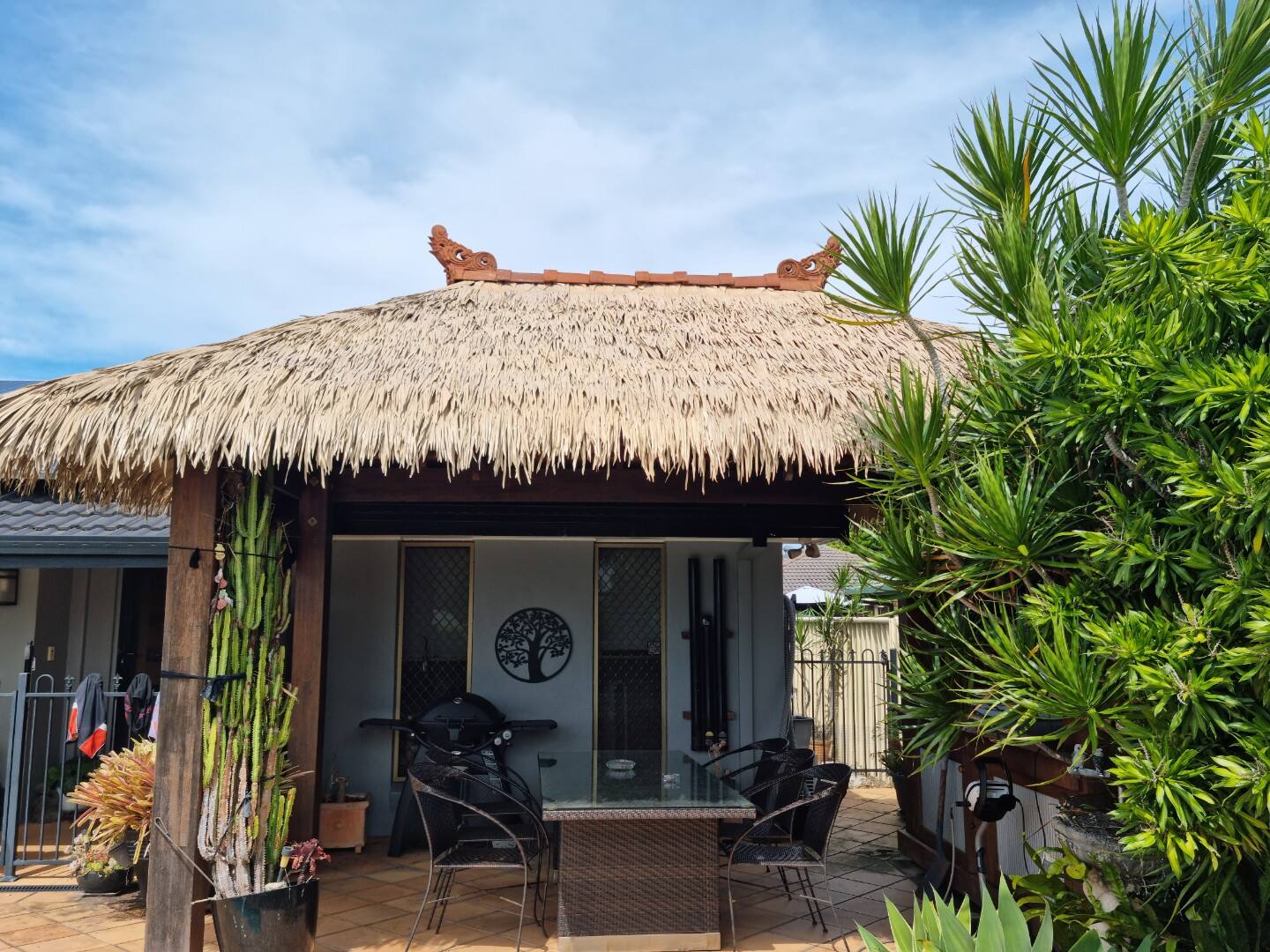
The roofing and landscaping industries have witnessed a significant transformation with the introduction of synthetic palm leaf thatch materials. These innovative alternatives to traditional natural thatching offer unprecedented durability, weather resistance, and aesthetic appeal for both commercial and residential applications. As property developers and architects increasingly seek sustainable, long-lasting solutions for outdoor spaces, synthetic palm leaf thatch has emerged as a superior choice that combines authentic tropical aesthetics with modern engineering excellence.
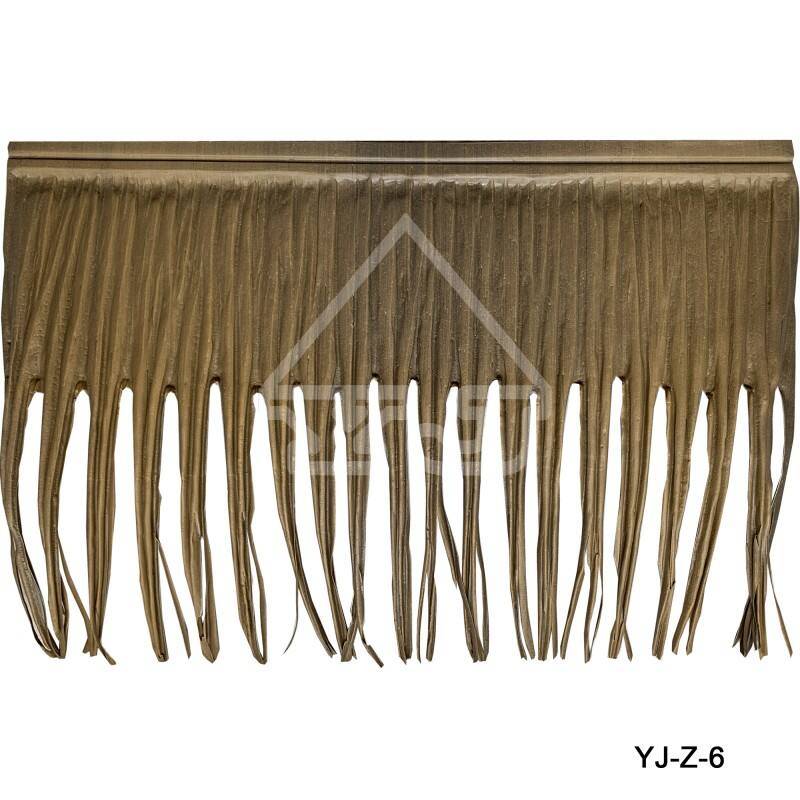
Superior Durability and Weather Resistance
Extended Lifespan Compared to Natural Materials
Natural palm thatch typically requires replacement every 3-5 years due to degradation from UV exposure, moisture, and pest damage. In contrast, synthetic palm leaf thatch can maintain its structural integrity and visual appeal for 15-20 years or more. This extended lifespan results from advanced polymer compositions that resist cracking, fading, and brittleness even under extreme weather conditions. The manufacturing process incorporates UV stabilizers that prevent the material from breaking down when exposed to direct sunlight for prolonged periods.
The superior durability of synthetic palm leaf thatch translates directly into cost savings for property owners. While the initial investment may be higher than natural alternatives, the reduced frequency of replacement and maintenance significantly lowers long-term ownership costs. Additionally, synthetic materials maintain their appearance throughout their lifespan, eliminating the gradual deterioration that characterizes natural thatch.
Resistance to Environmental Factors
Environmental challenges that quickly destroy natural palm thatch have minimal impact on synthetic alternatives. Heavy rainfall, high humidity, and temperature fluctuations can cause natural materials to rot, warp, or develop mold and mildew. Synthetic palm leaf thatch incorporates moisture-resistant properties that prevent water absorption, eliminating the risk of rot and fungal growth that commonly affects natural materials.
Wind resistance represents another critical advantage of synthetic materials. Natural palm leaves can become loose or detached during storms, creating safety hazards and requiring immediate repairs. Synthetic palm leaf thatch systems feature enhanced attachment mechanisms and flexible yet strong construction that withstands high winds without compromising structural integrity. This resilience makes synthetic options particularly valuable in coastal regions prone to severe weather events.
Low Maintenance Requirements
Minimal Upkeep Compared to Natural Alternatives
Natural palm thatch demands constant attention to maintain its appearance and functionality. Regular cleaning, pest control treatments, and preventive maintenance consume significant time and resources. Synthetic palm leaf thatch eliminates most of these maintenance requirements, requiring only occasional cleaning with standard pressure washing or mild detergent solutions. This simplified maintenance approach reduces both labor costs and the need for specialized treatment products.
The absence of organic material in synthetic palm leaf thatch means it does not attract insects, birds, or small animals that commonly nest in natural thatch. This elimination of pest-related issues removes the need for regular pest control treatments and reduces the risk of structural damage from animal activity. Property managers appreciate this benefit as it significantly simplifies ongoing maintenance protocols.
Consistent Performance Throughout Seasons
Seasonal variations that affect natural thatch have no impact on synthetic materials. Natural palm leaves expand and contract with temperature changes, potentially creating gaps or loosening attachments. Synthetic palm leaf thatch maintains consistent dimensions and performance characteristics regardless of seasonal temperature variations, ensuring reliable protection and aesthetic appeal year-round.
The color stability of synthetic materials represents another maintenance advantage. Natural thatch gradually fades and changes color as it ages, requiring replacement to maintain desired aesthetics. Synthetic palm leaf thatch incorporates colorfast technology that preserves original colors throughout the material's lifespan, eliminating the need for periodic replacement purely for aesthetic reasons.
Cost-Effectiveness and Economic Benefits
Long-Term Financial Advantages
While synthetic palm leaf thatch may require a higher initial investment compared to natural materials, the total cost of ownership strongly favors synthetic alternatives. The extended lifespan, reduced maintenance requirements, and elimination of frequent replacements create substantial savings over time. Commercial property owners particularly benefit from these economic advantages as they can predict and budget for roofing expenses more accurately.
Labor costs associated with installation and maintenance of synthetic palm leaf thatch are typically lower than natural alternatives. The standardized dimensions and consistent quality of synthetic materials streamline installation processes, reducing the time and expertise required for proper installation. Additionally, the reduced frequency of maintenance interventions means fewer disruptions to business operations for commercial properties.
Insurance and Risk Management Benefits
Many insurance providers recognize the reduced risk profile associated with synthetic palm leaf thatch compared to natural materials. The fire-resistant properties of high-quality synthetic materials, combined with their resistance to weather-related damage, can result in lower insurance premiums for properties using these materials. This additional cost saving enhances the overall economic benefit of choosing synthetic alternatives.
The predictable performance characteristics of synthetic palm leaf thatch also support better risk management for property owners. Unlike natural materials that can fail unexpectedly due to hidden damage or accelerated aging, synthetic materials provide consistent performance that allows for better planning and budgeting of future maintenance activities.
Environmental and Sustainability Considerations
Reduced Environmental Impact
The production and use of synthetic palm leaf thatch can contribute to environmental conservation efforts by reducing demand for natural palm materials. Harvesting natural palm leaves for thatch production can impact local ecosystems and biodiversity, particularly when demand exceeds sustainable harvesting rates. By choosing synthetic alternatives, property owners help reduce pressure on natural palm populations and their associated ecosystems.
Modern synthetic palm leaf thatch production increasingly incorporates recycled materials and sustainable manufacturing processes. Many manufacturers have developed closed-loop production systems that minimize waste and reduce energy consumption. The longer lifespan of synthetic materials also means fewer resources are consumed over time compared to the frequent replacement required for natural alternatives.
Waste Reduction and Lifecycle Benefits
The extended lifespan of synthetic palm leaf thatch significantly reduces the volume of waste generated compared to natural materials. Natural thatch requires disposal every few years, contributing to organic waste streams that may not always be properly managed. Synthetic materials, with their 15-20 year lifespan, generate substantially less waste over equivalent time periods.
At the end of their useful life, many synthetic palm leaf thatch products can be recycled into new materials rather than being sent to landfills. This recyclability creates a circular economy approach that further enhances the environmental benefits of synthetic alternatives. Progressive manufacturers are developing take-back programs that facilitate proper recycling of their products at end-of-life.
Aesthetic and Design Flexibility
Consistent Visual Appeal
Natural palm thatch exhibits significant variation in color, texture, and size that can create uneven appearances in large installations. Synthetic palm leaf thatch offers consistent visual characteristics that ensure uniform appearance across entire projects. This consistency is particularly valuable for commercial applications where brand image and professional appearance are critical considerations.
The manufacturing process for synthetic palm leaf thatch allows for precise color matching and texture replication that can be maintained across multiple production runs. This capability ensures that replacement sections or expansion projects can achieve seamless integration with existing installations, something that is often impossible with natural materials due to seasonal variations and aging effects.
Customization and Design Options
Synthetic materials offer design flexibility that natural alternatives cannot match. Manufacturers can produce synthetic palm leaf thatch in various colors, sizes, and textures to meet specific project requirements. This customization capability allows architects and designers to achieve precise aesthetic goals while maintaining the authentic appearance of natural palm thatch.
The consistent quality and predictable performance of synthetic palm leaf thatch enable more precise project planning and specification. Designers can specify exact quantities and characteristics with confidence that the delivered materials will match expectations. This predictability reduces project risks and helps ensure successful completion of complex installations.
Installation and Performance Benefits
Simplified Installation Processes
The standardized dimensions and consistent quality of synthetic palm leaf thatch streamline installation processes compared to natural materials. Natural thatch requires sorting, grading, and custom fitting during installation, adding time and complexity to projects. Synthetic materials arrive ready for installation with predictable dimensions and attachment points that simplify the installation process.
Installation teams can work more efficiently with synthetic palm leaf thatch because the materials handle consistently and predictably. The absence of variation in size, shape, or structural integrity means installers can develop standardized techniques that improve both speed and quality of installation. This efficiency translates into lower labor costs and shorter project timelines.
Performance Reliability
Synthetic palm leaf thatch provides predictable performance characteristics that allow for accurate engineering calculations and load assessments. Natural materials exhibit wide variation in strength, weight, and durability that can complicate structural design and safety assessments. The consistent properties of synthetic materials enable more precise engineering and improved safety margins in structural applications.
The reliable performance of synthetic palm leaf thatch extends to its behavior under various environmental conditions. Unlike natural materials that may respond unpredictably to extreme weather, synthetic alternatives maintain consistent performance parameters that support reliable protection and structural integrity throughout their service life.
FAQ
How long does synthetic palm leaf thatch typically last compared to natural materials
Synthetic palm leaf thatch typically lasts 15-20 years or more with minimal maintenance, while natural palm thatch usually requires replacement every 3-5 years. The extended lifespan of synthetic materials results from UV-resistant polymers and weather-resistant construction that prevents the degradation common in natural materials. This longevity makes synthetic options significantly more cost-effective over time despite higher initial costs.
What maintenance is required for synthetic palm leaf thatch installations
Synthetic palm leaf thatch requires minimal maintenance, typically limited to occasional cleaning with pressure washing or mild detergent solutions. Unlike natural thatch, synthetic materials do not require pest control treatments, regular replacement of damaged sections, or preventive treatments for mold and rot. This simplified maintenance approach reduces both ongoing costs and the time required for upkeep activities.
Can synthetic palm leaf thatch withstand severe weather conditions
High-quality synthetic palm leaf thatch is engineered to withstand severe weather including high winds, heavy rainfall, and extreme temperature variations. The materials incorporate flexible yet strong construction and enhanced attachment systems that maintain structural integrity during storms. This weather resistance eliminates the frequent repairs and replacements that natural thatch requires after severe weather events.
Is synthetic palm leaf thatch environmentally friendly
Modern synthetic palm leaf thatch can be environmentally friendly through reduced harvesting pressure on natural palm populations, incorporation of recycled materials in manufacturing, and recyclability at end-of-life. The extended lifespan significantly reduces waste generation compared to natural alternatives, and many manufacturers are implementing sustainable production practices that minimize environmental impact throughout the product lifecycle.