 EN
EN
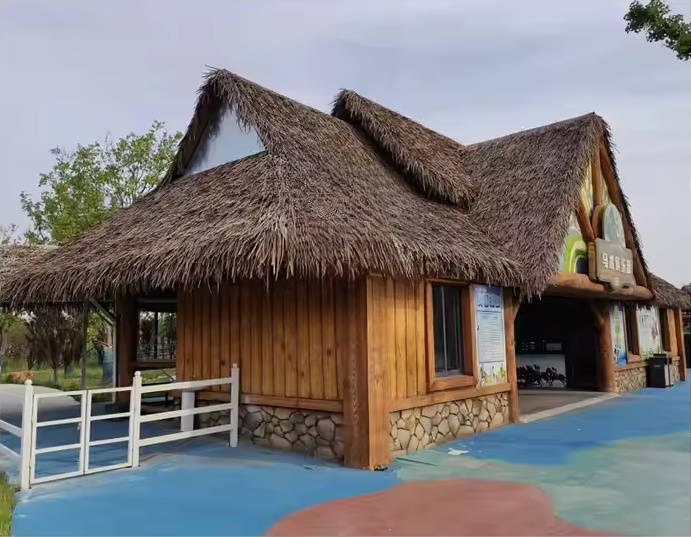
The construction and hospitality industries are experiencing a significant shift toward sustainable building materials that combine environmental responsibility with aesthetic appeal. Among these innovative solutions, synthetic palm leaf thatch has emerged as a revolutionary alternative to traditional natural thatching materials. This eco-friendly roofing solution offers the authentic tropical appearance that property developers and designers seek while delivering superior durability and reduced environmental impact compared to conventional palm fronds.
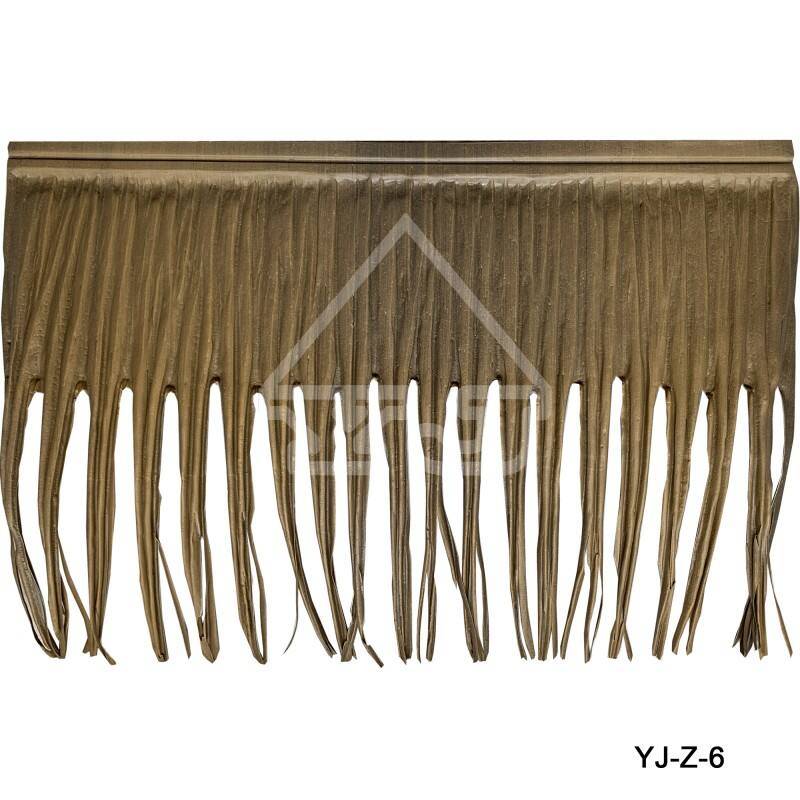
Environmental Advantages of Modern Thatching Solutions
Reduced Deforestation Impact
Traditional palm leaf harvesting has contributed to deforestation pressures in tropical regions where natural palm trees are increasingly scarce. Synthetic palm leaf thatch eliminates this environmental concern by utilizing recycled materials and advanced polymer technologies that replicate the natural appearance without requiring tree harvesting. Manufacturing facilities can produce consistent quantities of synthetic thatching materials without depleting natural palm populations or disrupting local ecosystems.
The production process for synthetic alternatives typically incorporates recycled plastics and sustainable manufacturing practices that significantly reduce the carbon footprint compared to traditional harvesting methods. This approach supports conservation efforts in tropical regions while providing construction industries with reliable material supplies that are not subject to seasonal availability or weather-related harvesting disruptions.
Longevity and Waste Reduction
One of the most compelling environmental benefits of synthetic palm leaf thatch lies in its exceptional durability and longevity compared to natural materials. While traditional palm fronds typically require replacement every two to three years due to weathering and decay, synthetic alternatives can maintain their appearance and structural integrity for decades with minimal maintenance requirements.
This extended lifespan dramatically reduces waste generation and the frequency of material replacement cycles. Property owners can avoid the recurring environmental costs associated with harvesting, transportation, and disposal of natural thatching materials. The reduced maintenance requirements also minimize the use of chemical treatments and preservatives that are often necessary to extend the life of natural palm leaves in commercial applications.
Market Growth Drivers and Industry Trends
Hospitality Sector Adoption
The global hospitality industry has become a primary driver of synthetic palm leaf thatch adoption, particularly in tropical resort destinations where authentic aesthetic appeal is crucial for guest experience. Resort developers increasingly recognize that synthetic alternatives provide the desired visual impact while eliminating the operational challenges associated with natural thatching materials, including frequent replacement costs and fire safety concerns.
Market research indicates that luxury resort chains are incorporating synthetic thatching solutions into their sustainability initiatives, using these materials to achieve both environmental certifications and cost reduction goals. The ability to maintain consistent appearance across multiple properties without relying on local material availability has made synthetic options particularly attractive for international hospitality brands expanding into emerging markets.
Residential Market Expansion
Beyond commercial applications, the residential market for synthetic palm leaf thatch is experiencing rapid growth as homeowners seek to create tropical-inspired outdoor living spaces. Pool pavilions, outdoor kitchens, and garden structures increasingly feature synthetic thatching that provides the desired aesthetic without the maintenance burden of natural materials.
This residential market expansion is supported by improved manufacturing techniques that have enhanced the visual authenticity of synthetic products while reducing costs. Homeowners can now achieve professional-quality tropical aesthetics through DIY installation methods that were not practical with traditional materials, contributing to market growth in suburban and urban areas far from tropical regions.
Technical Innovations and Material Performance
UV Resistance and Color Stability
Recent advances in UV-resistant polymer formulations have addressed one of the primary limitations of early synthetic thatching products. Modern synthetic palm leaf thatch incorporates advanced stabilizers and pigmentation systems that maintain color consistency and material integrity even under intense solar exposure in tropical climates.
These technical improvements have expanded the geographic applicability of synthetic solutions, making them viable for high-UV environments where natural materials would require frequent replacement or chemical treatment. The enhanced UV resistance also supports the environmental benefits by extending product lifecycles and reducing replacement frequency in demanding outdoor applications.
Fire Safety and Building Code Compliance
Fire safety regulations have increasingly favored synthetic thatching materials over natural alternatives in commercial construction projects. Modern synthetic palm leaf thatch products are engineered to meet or exceed building code requirements for flame spread and smoke generation, providing architects and developers with compliant solutions that maintain aesthetic authenticity.
The improved fire safety characteristics of synthetic palm leaf thatch have opened new market opportunities in regions with strict fire codes, including California, Australia, and Mediterranean areas prone to wildfire risks. This regulatory advantage has become a significant market driver as insurance companies increasingly recognize the risk reduction benefits of synthetic materials in fire-prone areas.
Cost Analysis and Economic Benefits
Initial Investment vs Long-Term Savings
While the initial cost of synthetic palm leaf thatch may exceed that of natural materials, comprehensive lifecycle cost analysis reveals significant long-term economic advantages. The extended lifespan of synthetic products, combined with reduced maintenance requirements and elimination of replacement cycles, typically results in lower total ownership costs over a 10-year period.
Property developers and facility managers are increasingly incorporating these lifecycle cost calculations into their material selection decisions, particularly for large-scale projects where maintenance access and labor costs are significant factors. The predictable performance characteristics of synthetic materials also enable more accurate budgeting and reduced contingency requirements in project planning.
Labor and Installation Efficiency
Installation efficiency represents another economic advantage of synthetic palm leaf thatch systems. Unlike natural materials that require skilled craftsmen familiar with traditional thatching techniques, synthetic products can be installed using standard construction methods and readily available labor resources.
The consistent dimensions and standardized attachment methods of synthetic materials reduce installation time and minimize waste during construction. This efficiency gain is particularly valuable in markets where skilled thatching craftsmen are scarce or expensive, enabling broader geographic adoption of tropical aesthetic designs without specialized labor requirements.
Regional Market Dynamics and Growth Opportunities
North American Market Development
The North American market for synthetic palm leaf thatch has experienced substantial growth driven by the expansion of resort-style residential communities and commercial entertainment venues seeking tropical theming. Florida, California, and Hawaii represent primary growth markets where synthetic alternatives address both aesthetic desires and practical considerations including hurricane resistance and fire safety compliance.
Market penetration in northern climates has also increased as synthetic materials demonstrate superior freeze-thaw cycle resistance compared to natural alternatives. This climate adaptability has enabled tropical-themed developments in unexpected geographic areas, expanding the total addressable market for synthetic thatching products beyond traditional warm-weather regions.
International Expansion Trends
International markets present significant growth opportunities for synthetic palm leaf thatch manufacturers, particularly in developing countries where tourism infrastructure development is accelerating. The ability to achieve consistent quality and appearance without relying on local material sources makes synthetic options attractive for international hotel chains and resort developers.
Export market development is supported by the lightweight and compact packaging characteristics of synthetic materials, which reduce shipping costs and enable efficient global distribution. This logistical advantage, combined with extended shelf life and storage stability, facilitates international market entry for manufacturers seeking to capitalize on global tourism industry growth.
Sustainability Certifications and Green Building Integration
LEED and Green Building Standards
The integration of synthetic palm leaf thatch into green building certification programs has accelerated market adoption among environmentally conscious developers and architects. Many synthetic products now qualify for LEED points through recycled content, durability credits, and reduced environmental impact compared to natural alternatives.
Building certification consultants increasingly recommend synthetic thatching materials as part of sustainable design strategies that balance aesthetic requirements with environmental performance goals. The ability to contribute to green building certifications while achieving desired visual outcomes has made synthetic options particularly attractive for high-profile sustainable development projects.
Carbon Footprint Reduction
Lifecycle assessment studies demonstrate that synthetic palm leaf thatch typically generates lower carbon emissions over its useful life compared to natural materials when transportation, replacement cycles, and end-of-life disposal are considered. The reduced frequency of material replacement eliminates recurring transportation emissions associated with natural material harvesting and distribution.
Manufacturing facilities are also implementing carbon reduction initiatives including renewable energy adoption and closed-loop recycling programs that further improve the environmental profile of synthetic products. These sustainability improvements support corporate environmental commitments and align with increasingly stringent environmental regulations in key markets.
FAQ
How long does synthetic palm leaf thatch typically last compared to natural materials
Synthetic palm leaf thatch generally provides 15-20 years of service life with minimal maintenance, significantly exceeding the 2-3 year replacement cycle typical of natural palm fronds. The extended lifespan results from UV-resistant formulations and weatherproof construction that eliminates the decay and pest issues common with natural materials. This durability advantage translates to lower long-term costs and reduced environmental impact through fewer replacement cycles.
What maintenance requirements are associated with synthetic thatching materials
Maintenance requirements for synthetic palm leaf thatch are minimal compared to natural alternatives, typically involving only periodic cleaning with standard pressure washing equipment. Unlike natural materials that require regular treatment with fungicides and pesticides, synthetic products maintain their appearance and integrity without chemical interventions. Annual inspection for secure attachment and debris removal represents the primary ongoing maintenance activity for most installations.
Are synthetic palm leaf products suitable for all climate conditions
Modern synthetic palm leaf thatch is engineered to perform effectively across diverse climate conditions, including extreme UV exposure, freeze-thaw cycles, and high humidity environments. Advanced polymer formulations and UV stabilizers enable reliable performance in tropical, desert, and temperate climates where natural materials would deteriorate rapidly. The consistent performance characteristics across climate zones enable standardized installation methods and predictable lifecycle costs regardless of geographic location.
How do fire safety characteristics of synthetic materials compare to natural thatch
Synthetic palm leaf thatch products are specifically engineered to meet or exceed building code fire safety requirements, typically achieving Class A fire ratings that natural materials cannot match. The controlled manufacturing process enables consistent fire retardant properties throughout the material, while natural thatch presents inherent fire risks that have led to building code restrictions in many jurisdictions. Insurance companies often recognize the reduced fire risk of synthetic materials through lower premiums for properties using compliant synthetic thatching systems.
Table of Contents
- Environmental Advantages of Modern Thatching Solutions
- Market Growth Drivers and Industry Trends
- Technical Innovations and Material Performance
- Cost Analysis and Economic Benefits
- Regional Market Dynamics and Growth Opportunities
- Sustainability Certifications and Green Building Integration
-
FAQ
- How long does synthetic palm leaf thatch typically last compared to natural materials
- What maintenance requirements are associated with synthetic thatching materials
- Are synthetic palm leaf products suitable for all climate conditions
- How do fire safety characteristics of synthetic materials compare to natural thatch