 EN
EN
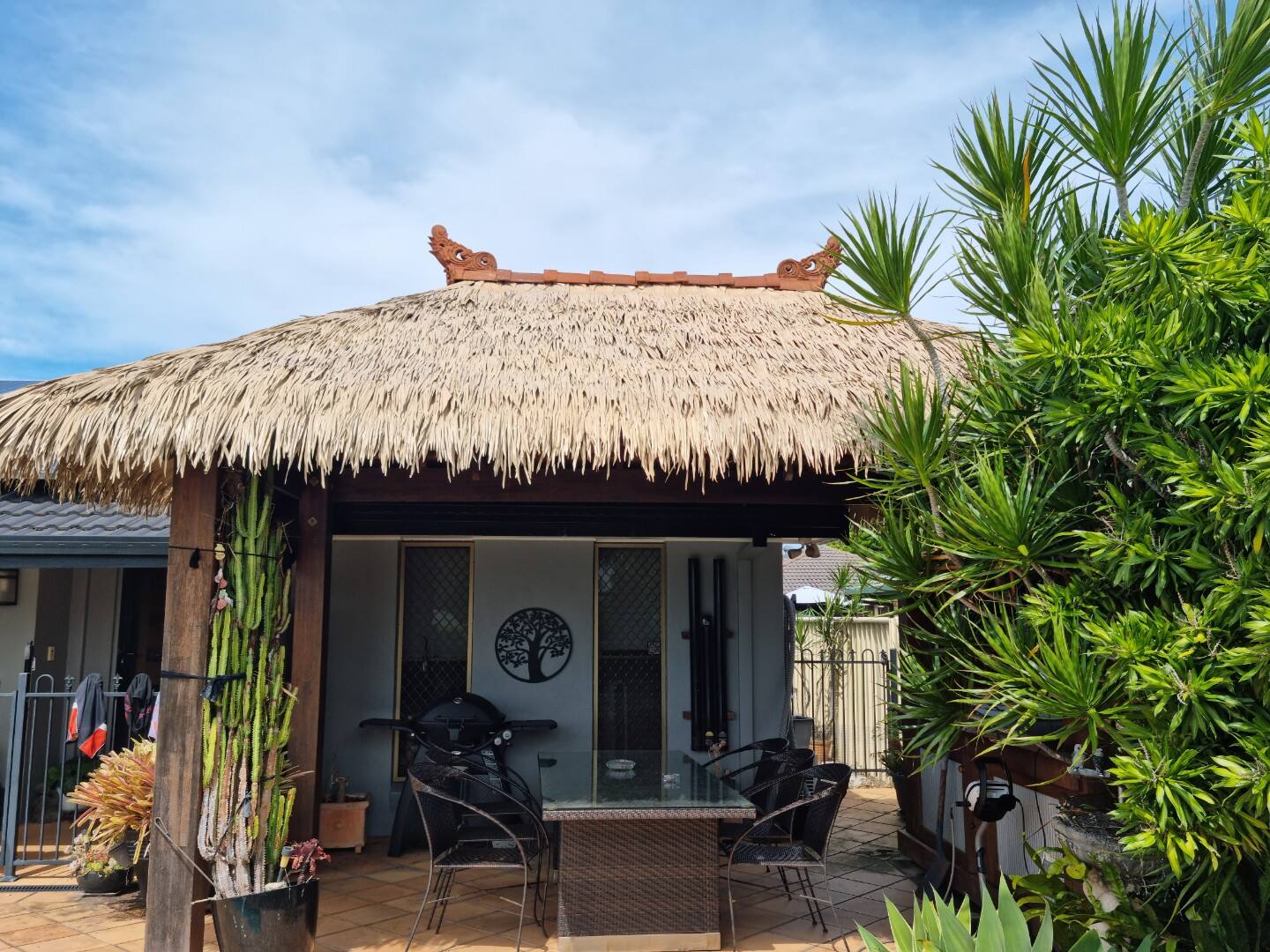
Modern tropical resort designers face mounting pressure to create authentic island atmospheres while maintaining durability and cost-effectiveness. Traditional palm thatch roofing, though visually stunning, presents numerous challenges including frequent maintenance, fire hazards, and pest attraction. Today's hospitality industry increasingly turns to synthetic palm leaf thatch solutions that deliver the same exotic appeal without compromising on longevity or safety standards.
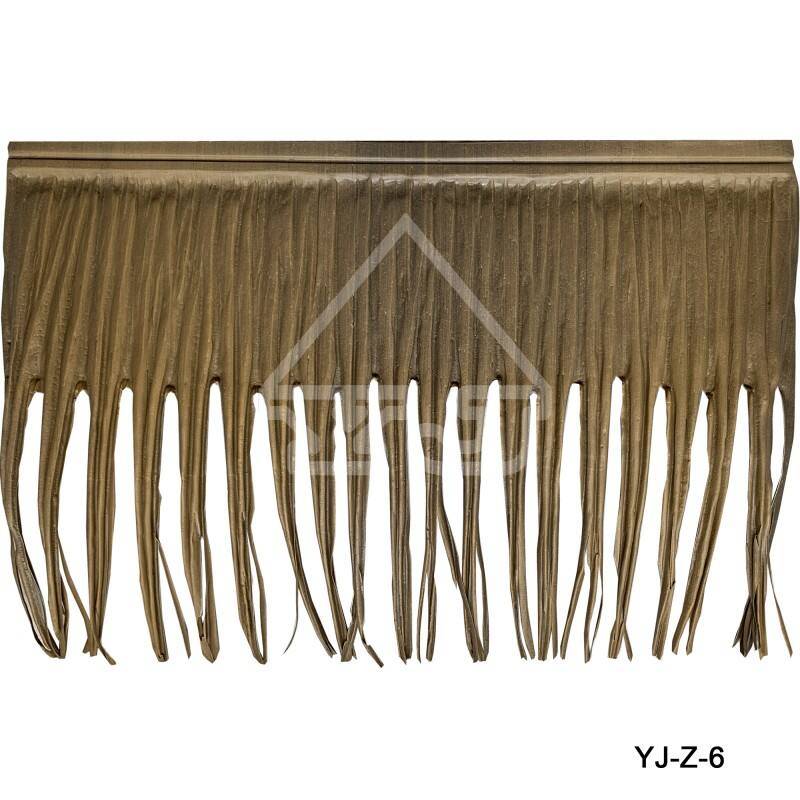
The evolution of synthetic palm leaf thatch represents a significant breakthrough in architectural materials for tropical and subtropical developments. Resort owners now benefit from roofing systems that capture the essence of island living while providing superior weather resistance and extended service life. This innovative material addresses traditional thatching limitations through advanced polymer engineering and UV-resistant formulations.
Material Composition and Engineering Excellence
Advanced Polymer Technology
Contemporary synthetic palm leaf thatch utilizes high-grade polyethylene and specialized additives to replicate natural palm frond characteristics. The manufacturing process incorporates multi-layer extrusion techniques that create realistic textures and color variations matching authentic palm leaves. These materials undergo rigorous testing for tensile strength, flexibility, and color retention under extreme weather conditions.
The polymer matrix includes UV stabilizers, antioxidants, and thermal stabilizers that prevent degradation from prolonged sun exposure. Advanced manufacturing techniques ensure each synthetic palm leaf thatch panel maintains consistent quality and appearance. The material density optimization provides optimal weight distribution while maintaining structural integrity across large roofing installations.
Weather Resistance Properties
Synthetic palm leaf thatch demonstrates exceptional resistance to tropical weather patterns including heavy rainfall, high humidity, and intense solar radiation. The material's hydrophobic properties prevent water absorption that typically leads to rot and deterioration in natural thatch. Salt air resistance makes these materials particularly suitable for coastal resort applications where traditional materials face accelerated corrosion.
Wind resistance testing confirms synthetic palm leaf thatch performance in hurricane-prone regions where natural materials often fail catastrophically. The engineered fiber structure maintains flexibility while providing superior tear resistance compared to organic alternatives. Temperature cycling tests demonstrate material stability across extreme ranges from tropical heat to air-conditioned interior environments.
Aesthetic Appeal and Design Versatility
Visual Authenticity
Modern synthetic palm leaf thatch achieves remarkable visual similarity to natural materials through sophisticated color matching and texture replication processes. The manufacturing approach incorporates multiple color tones within individual fronds, creating the natural variation found in authentic palm leaves. Surface texturing techniques produce the characteristic rough texture and irregular edges that define traditional thatching materials.
Professional landscape architects frequently specify synthetic palm leaf thatch for projects requiring authentic tropical aesthetics without maintenance concerns. The material's consistent appearance eliminates the patchy, weathered look that develops in natural thatch over time. Color stability ensures resort facilities maintain their intended design vision throughout extended service periods.
Installation Flexibility
Synthetic palm leaf thatch systems accommodate various architectural styles from traditional Balinese bale designs to contemporary tropical modernist structures. The lightweight properties reduce structural loading requirements compared to traditional thatch installations. Modular panel systems enable efficient installation across complex roof geometries including curved surfaces and irregular angles.
Installation versatility extends to retrofit applications where existing structures require tropical theming without structural modifications. The material adapts to standard roofing substrates and integrates with conventional waterproofing systems. Custom fabrication options allow designers to specify panel dimensions and configurations matching specific project requirements.
Economic Benefits and Cost Analysis
Lifecycle Cost Advantages
Resort operators realize significant cost savings through synthetic palm leaf thatch installations compared to natural alternatives. The extended service life eliminates frequent replacement cycles required with organic materials. Reduced maintenance requirements translate to lower labor costs and minimal operational disruptions during peak tourist seasons.
Initial material costs demonstrate favorable comparison when considering total ownership expenses over typical resort planning horizons. The absence of pest treatment, fungicide applications, and fire retardant treatments reduces ongoing chemical maintenance costs. Insurance premiums often decrease due to improved fire resistance ratings and reduced liability exposure.
Operational Efficiency
Synthetic palm leaf thatch installations require minimal ongoing maintenance compared to traditional thatching systems that demand regular inspection and repair. The material's resistance to biological degradation eliminates concerns about insect infestation and rodent damage common in natural thatch roofs. Weather-related damage occurs less frequently, reducing emergency repair requirements during adverse conditions.
Cleaning protocols for synthetic palm leaf thatch involve simple pressure washing procedures rather than specialized treatments required for natural materials. The non-porous surface resists staining and discoloration from environmental pollutants. Maintenance scheduling becomes predictable rather than reactive, enabling better resource allocation and budget planning.
Environmental Considerations and Sustainability
Resource Conservation
Synthetic palm leaf thatch production eliminates pressure on natural palm populations that face increasing demand from construction and tourism industries. The manufacturing process utilizes recycled polymer content where feasible, contributing to circular economy principles. Material longevity reduces replacement frequency, minimizing overall resource consumption throughout building lifecycles.
Transportation efficiency improves due to lighter weight and more compact packaging compared to natural thatch materials. Regional manufacturing capabilities reduce shipping distances and associated carbon footprints. End-of-life recycling programs enable material recovery rather than disposal in landfill systems.
Ecosystem Impact Reduction
Natural thatch harvesting often involves ecosystem disruption and habitat alteration in tropical regions already facing environmental pressures. Synthetic palm leaf thatch alternatives reduce demand for wild palm harvesting while supporting sustainable tourism development. The material's pest resistance eliminates need for chemical treatments that can impact surrounding ecosystems.
Fire resistance properties reduce wildfire risk compared to highly flammable natural thatch, protecting surrounding vegetation and wildlife habitats. Water runoff from synthetic palm leaf thatch contains no organic decomposition products that might affect local water quality. The stable material composition prevents leaching of harmful substances into soil or groundwater systems.
Installation and Technical Specifications
Structural Requirements
Synthetic palm leaf thatch installations require standard structural support systems capable of handling distributed loads across roofing surfaces. The material's consistent weight distribution simplifies structural calculations compared to natural thatch with variable density characteristics. Engineering specifications accommodate thermal expansion and contraction through appropriate fastening systems and joint details.
Substrate preparation follows conventional roofing practices with additional considerations for drainage and ventilation systems. The synthetic palm leaf thatch system integrates with standard flashing details and waterproof membrane installations. Structural attachment points utilize corrosion-resistant fasteners rated for tropical marine environments.
Performance Standards
Quality synthetic palm leaf thatch meets or exceeds building code requirements for roofing materials in tropical climates. Fire resistance ratings typically achieve Class A or Class B classifications depending on specific formulations and installation methods. Wind uplift resistance testing confirms performance under hurricane-force conditions common in tropical resort destinations.
Thermal performance characteristics provide adequate insulation properties while allowing natural ventilation through the thatch structure. UV resistance specifications guarantee color stability and material integrity for extended exposure periods. Warranty coverage typically extends 10-15 years for material performance and appearance retention.
FAQ
How long does synthetic palm leaf thatch typically last compared to natural materials
Synthetic palm leaf thatch generally provides 15-20 years of service life under normal tropical conditions, compared to 3-5 years for natural palm thatch. The extended lifespan results from superior weather resistance and immunity to biological degradation that affects organic materials. Proper installation and minimal maintenance can extend service life even further in protected applications.
Can synthetic palm leaf thatch withstand hurricane-force winds
Quality synthetic palm leaf thatch systems demonstrate excellent wind resistance when properly installed according to manufacturer specifications. The material's engineered fiber structure maintains flexibility while resisting tear propagation under high wind loads. Many systems meet building code requirements for hurricane-prone regions, though specific performance depends on installation details and structural support adequacy.
Does synthetic palm leaf thatch provide adequate insulation for tropical climates
Synthetic palm leaf thatch offers thermal performance suitable for tropical resort applications, providing solar heat reflection while allowing natural ventilation. The material structure creates air gaps that enhance insulation properties compared to solid roofing materials. Additional insulation layers can be incorporated beneath the synthetic palm leaf thatch system for enhanced thermal control in air-conditioned spaces.
What maintenance is required for synthetic palm leaf thatch installations
Synthetic palm leaf thatch requires minimal maintenance consisting primarily of periodic cleaning with pressure washing equipment. Annual inspections should check fastener integrity and drainage system function. Unlike natural thatch, synthetic materials require no pest treatments, fungicide applications, or frequent repairs. Occasional panel replacement may be necessary in high-traffic areas or following severe weather events.
Table of Contents
- Material Composition and Engineering Excellence
- Aesthetic Appeal and Design Versatility
- Economic Benefits and Cost Analysis
- Environmental Considerations and Sustainability
- Installation and Technical Specifications
-
FAQ
- How long does synthetic palm leaf thatch typically last compared to natural materials
- Can synthetic palm leaf thatch withstand hurricane-force winds
- Does synthetic palm leaf thatch provide adequate insulation for tropical climates
- What maintenance is required for synthetic palm leaf thatch installations