 EN
EN
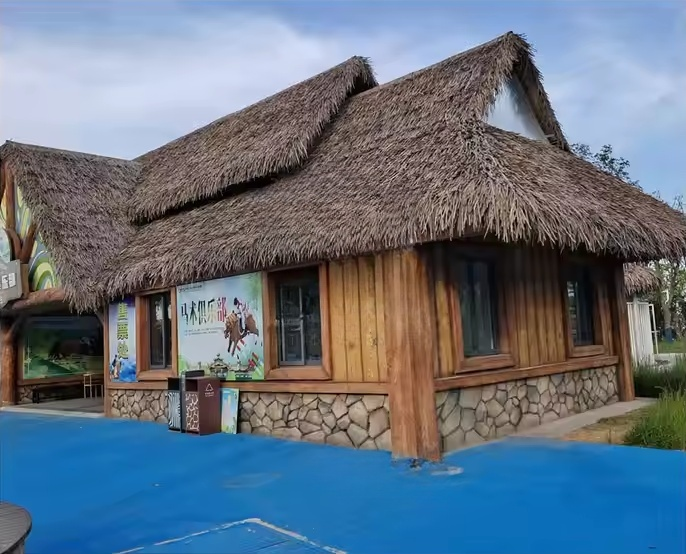
The hospitality industry continues to embrace sustainable and aesthetically appealing roofing solutions that enhance guest experiences while maintaining operational efficiency. Synthetic palm leaf thatch has emerged as a premier choice for hotels and resorts seeking to create authentic tropical ambiance without the maintenance challenges associated with natural materials. This innovative roofing solution combines the visual appeal of traditional thatch with modern durability and weather resistance, making it an ideal investment for luxury resorts, boutique hotels, and eco-friendly accommodations worldwide.
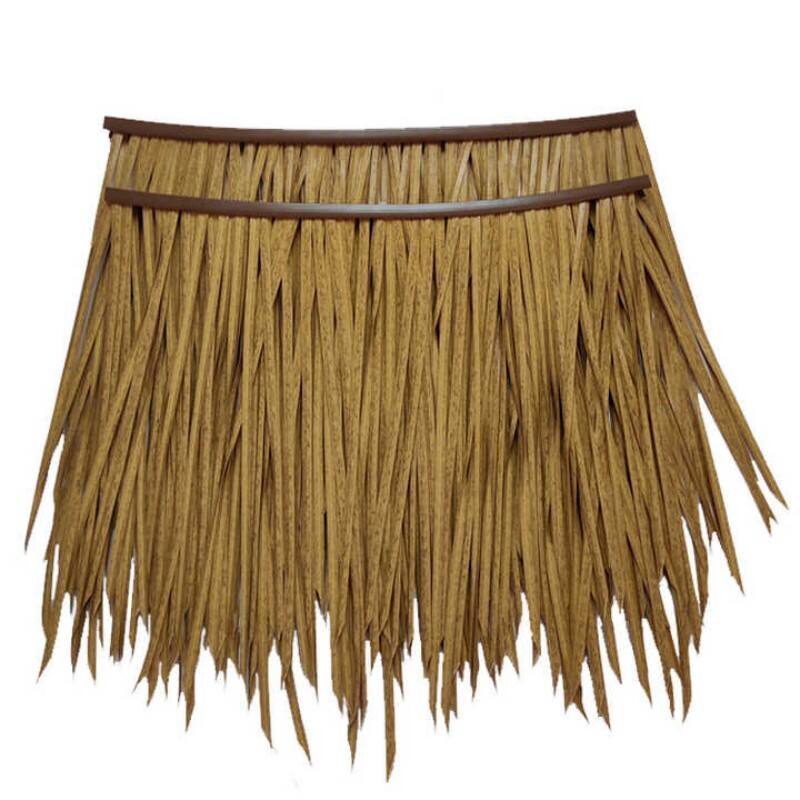
Modern hospitality design increasingly focuses on creating immersive experiences that transport guests to tropical paradise settings. The implementation of synthetic palm leaf thatch allows property developers and hotel operators to achieve these design objectives while ensuring long-term structural integrity and cost-effectiveness. Unlike natural thatch materials that require frequent replacement and intensive maintenance, synthetic alternatives provide consistent appearance and performance throughout their extended lifespan, making them particularly valuable for commercial hospitality applications.
The strategic selection and installation of synthetic palm leaf thatch requires careful consideration of various factors including climate conditions, architectural design requirements, fire safety regulations, and guest expectations. Properties that successfully integrate these materials often report enhanced guest satisfaction, reduced maintenance costs, and improved operational efficiency. Understanding the best practices for implementation ensures optimal results and maximizes the return on investment for hospitality businesses of all sizes.
Understanding Synthetic Palm Leaf Thatch Materials and Composition
Advanced HDPE Construction Technology
High-density polyethylene represents the foundation of premium synthetic palm leaf thatch systems, offering exceptional durability and weather resistance for commercial hospitality applications. This advanced polymer construction provides superior UV stability, preventing color fading and material degradation that commonly affects natural thatch materials in tropical environments. The molecular structure of HDPE ensures consistent performance across varying temperature ranges while maintaining flexibility necessary for proper installation and long-term structural integrity.
Modern manufacturing processes create synthetic palm leaf thatch panels that closely replicate the texture, color variations, and natural appearance of authentic palm fronds. Advanced molding techniques produce realistic surface details including natural fiber patterns and organic color gradations that enhance visual authenticity. These manufacturing innovations allow hospitality properties to achieve desired aesthetic goals while benefiting from superior material performance and longevity compared to traditional roofing options.
Quality synthetic palm leaf thatch incorporates multiple layers of protection including UV-resistant coatings, flame-retardant treatments, and anti-microbial properties that prevent mold and mildew growth in humid environments. These protective features ensure consistent appearance and structural performance throughout the material's extended service life, typically spanning 15 to 25 years depending on environmental conditions and maintenance practices.
Fire Safety and Building Code Compliance
Commercial hospitality applications require strict adherence to fire safety regulations and building codes that govern roofing materials in public accommodations. Premium synthetic palm leaf thatch incorporates flame-retardant additives during the manufacturing process, achieving necessary fire resistance ratings for hotel and resort installations. These safety features provide peace of mind for property owners while ensuring compliance with local building authorities and insurance requirements.
Understanding fire safety classifications and testing standards helps hospitality professionals select appropriate synthetic thatch products for specific applications and locations. Many jurisdictions require documented fire resistance ratings and certification from recognized testing laboratories before approving installation permits. Working with experienced suppliers ensures proper documentation and compliance with all applicable safety regulations throughout the installation process.
Insurance considerations often favor synthetic palm leaf thatch over natural materials due to reduced fire risk and improved safety profiles. Many insurance providers offer favorable premium rates for properties utilizing fire-resistant synthetic roofing materials, contributing to overall cost savings and operational benefits for hospitality businesses.
Strategic Planning and Design Integration
Architectural Compatibility Assessment
Successful integration of synthetic palm leaf thatch requires comprehensive architectural analysis to ensure compatibility with existing structures and design themes. Professional assessment considers factors including roof pitch requirements, structural load capacity, drainage systems, and integration with other building materials. This preliminary evaluation prevents costly modifications and ensures optimal performance throughout the installation process.
Design flexibility represents a significant advantage of synthetic palm leaf thatch systems, allowing customization to match specific architectural styles and aesthetic preferences. Various panel sizes, color options, and texture patterns enable designers to create unique visual effects while maintaining consistent quality and performance standards. This adaptability makes synthetic thatch suitable for diverse hospitality applications ranging from intimate bungalows to expansive resort complexes.
Climate considerations play crucial roles in material selection and installation planning for hospitality properties in tropical and subtropical regions. Understanding local weather patterns, seasonal precipitation levels, and wind exposure helps determine appropriate panel specifications and installation techniques. Proper planning ensures optimal performance and longevity while minimizing maintenance requirements throughout the material's service life.
Guest Experience and Aesthetic Considerations
Creating authentic tropical ambiance requires careful attention to visual details that enhance guest perceptions and overall satisfaction. Synthetic palm leaf thatch provides consistent appearance that maintains visual appeal without the irregular aging and deterioration associated with natural materials. This consistency ensures that guest areas always present an attractive and well-maintained appearance that supports positive brand impressions.
Color coordination and texture selection influence how synthetic palm leaf thatch integrates with surrounding landscape elements and architectural features. Natural color variations and realistic textures help create seamless transitions between roofing materials and tropical vegetation, enhancing the overall authenticity of resort environments. Careful selection ensures that synthetic materials complement rather than compete with natural design elements.
Guest photography and social media considerations increasingly influence hospitality design decisions, making visual authenticity essential for marketing success. High-quality synthetic palm leaf thatch provides photogenic backdrops that enhance guest experiences and support digital marketing efforts. Properties often report increased social media engagement and positive online reviews when synthetic thatch installations successfully create desired tropical atmospheres.
Installation Best Practices and Technical Requirements
Professional Installation Protocols
Proper installation techniques ensure optimal performance and longevity of synthetic palm leaf thatch systems in commercial hospitality applications. Professional installers follow manufacturer specifications for panel spacing, fastening methods, and overlap requirements that prevent water infiltration and wind damage. These technical requirements vary depending on roof pitch, climate conditions, and specific product specifications, making professional expertise essential for successful installations.
Substrate preparation represents a critical foundation element that affects long-term performance and appearance of synthetic palm leaf thatch installations. Proper decking materials, moisture barriers, and ventilation systems prevent condensation buildup and structural problems that could compromise system integrity. Professional installation includes comprehensive substrate evaluation and preparation to ensure optimal conditions for synthetic thatch application.
Quality control measures during installation prevent common problems including improper alignment, inadequate fastening, and insufficient weather sealing that could lead to premature failure or maintenance issues. Experienced installers utilize specialized tools and techniques designed specifically for synthetic palm leaf thatch applications, ensuring consistent results and manufacturer warranty compliance throughout the installation process.
Weather Sealing and Moisture Management
Effective moisture management prevents water damage and extends the service life of synthetic palm leaf thatch installations in humid tropical environments. Proper installation techniques include strategic overlap patterns, sealed fastener locations, and integrated drainage systems that direct water away from structural elements. These moisture control measures protect underlying structures while maintaining the aesthetic appeal of synthetic thatch surfaces.
Ventilation considerations ensure adequate airflow beneath synthetic palm leaf thatch panels, preventing condensation buildup and maintaining optimal thermal performance. Proper ventilation design includes ridge vents, soffit openings, and air circulation pathways that promote moisture evaporation while preventing heat buildup that could affect guest comfort in covered areas.
Flashing details and transition areas require special attention during installation to ensure water-tight seals at roof penetrations, wall connections, and equipment mounting locations. Professional installation includes custom flashing fabrication and sealing techniques that maintain weather resistance while accommodating thermal expansion and structural movement over time.
Maintenance Protocols and Operational Management
Preventive Maintenance Scheduling
Systematic maintenance protocols maximize the lifespan and appearance of synthetic palm leaf thatch installations while minimizing operational disruptions for hospitality properties. Regular inspection schedules identify potential issues before they become costly problems, allowing proactive maintenance that preserves system performance and guest satisfaction. These maintenance programs typically include quarterly visual inspections, annual detailed assessments, and immediate response protocols for weather-related damage.
Cleaning procedures for synthetic palm leaf thatch focus on removing accumulated debris, organic growth, and environmental contaminants that could affect appearance or performance. Approved cleaning methods include low-pressure washing, soft brushing techniques, and specialized cleaning solutions designed for synthetic roofing materials. Regular cleaning maintains the attractive appearance that guests expect while preventing problems that could require costly repairs or premature replacement.
Documentation systems track maintenance activities, inspection results, and performance trends that inform future maintenance decisions and budget planning. Comprehensive records help identify patterns, optimize maintenance schedules, and demonstrate compliance with manufacturer warranty requirements. These documentation practices support operational efficiency while protecting the significant investment in synthetic palm leaf thatch systems.
Seasonal Care and Weather Preparation
Seasonal maintenance protocols prepare synthetic palm leaf thatch installations for varying weather conditions including storm seasons, dry periods, and temperature extremes. Pre-storm inspections ensure secure fastening and proper drainage while post-storm assessments identify any damage requiring immediate attention. These seasonal preparations minimize weather-related problems and maintain consistent performance throughout annual climate cycles.
Tropical environments present unique maintenance challenges including UV exposure, salt air corrosion, and organic growth that require specialized care approaches. Understanding these environmental factors helps maintenance teams develop appropriate cleaning schedules, protective treatments, and replacement timelines that optimize synthetic palm leaf thatch performance in challenging conditions.
Emergency response procedures ensure rapid assessment and repair of synthetic palm leaf thatch systems following severe weather events or unexpected damage. Established protocols include contact information for qualified repair contractors, emergency stabilization techniques, and temporary protection measures that minimize guest disruption while permanent repairs are completed.
Cost Analysis and Return on Investment
Initial Investment Considerations
Comprehensive cost analysis for synthetic palm leaf thatch installations includes material costs, installation expenses, and long-term operational savings that justify the initial investment for hospitality properties. While premium synthetic materials typically require higher upfront costs compared to basic roofing options, the extended lifespan and reduced maintenance requirements often provide favorable returns over the system's service life.
Labor costs for synthetic palm leaf thatch installation vary depending on project complexity, accessibility, and local market conditions. Professional installation ensures proper techniques and manufacturer warranty compliance, making qualified contractor selection essential for protecting the investment. Detailed project estimates should include all associated costs including permits, inspections, and potential structural modifications required for proper installation.
Financing options and depreciation schedules help hospitality businesses manage cash flow while investing in synthetic palm leaf thatch systems that enhance property values and guest experiences. Many suppliers offer flexible payment terms and warranty programs that reduce financial risk while providing predictable maintenance costs throughout the material's service life.
Operational Savings and Revenue Impact
Long-term operational savings from synthetic palm leaf thatch installations include reduced maintenance labor, eliminated replacement costs, and improved energy efficiency compared to traditional roofing materials. These savings accumulate over time, often offsetting higher initial costs within five to seven years depending on property size and maintenance requirements. Detailed financial projections help justify investments and demonstrate value to stakeholders and investors.
Guest satisfaction improvements and enhanced booking rates often result from authentic tropical aesthetics created by high-quality synthetic palm leaf thatch installations. Properties frequently report increased occupancy rates, premium pricing opportunities, and positive review scores following successful thatch installations that enhance overall guest experiences and brand positioning.
Insurance premium reductions and reduced liability exposure contribute to operational savings through improved fire safety and weather resistance provided by quality synthetic palm leaf thatch systems. Many insurance providers recognize these safety benefits with favorable rate structures that provide ongoing cost savings throughout the policy period.
Environmental Impact and Sustainability Benefits
Sustainable Material Production
Modern synthetic palm leaf thatch production emphasizes environmental responsibility through recycled content utilization, energy-efficient manufacturing processes, and reduced transportation impacts compared to natural material harvesting. Advanced polymer recycling technologies allow incorporation of post-consumer materials while maintaining performance standards required for commercial hospitality applications. These sustainable production practices support corporate environmental goals while providing superior product performance.
Life cycle assessments demonstrate favorable environmental profiles for synthetic palm leaf thatch compared to natural alternatives when considering harvesting impacts, transportation requirements, and replacement frequency. Extended service life reduces material consumption over time while eliminating the environmental disruption associated with frequent natural thatch harvesting and replacement activities.
Carbon footprint considerations favor synthetic palm leaf thatch installations due to reduced transportation requirements, elimination of ongoing replacement activities, and improved energy efficiency in covered areas. These environmental benefits align with sustainability initiatives increasingly important to hospitality guests and corporate social responsibility programs.
Waste Reduction and Recycling Programs
End-of-life recycling programs for synthetic palm leaf thatch materials support circular economy principles while minimizing landfill impacts from hospitality renovation projects. Many manufacturers offer take-back programs that reclaim used materials for reprocessing into new products, reducing waste generation and supporting sustainable business practices throughout the hospitality industry.
Installation waste reduction techniques minimize environmental impact during construction activities while supporting LEED certification and green building initiatives. Proper material planning, efficient cutting techniques, and waste segregation practices reduce disposal requirements while maximizing material utilization rates throughout installation projects.
Maintenance waste streams from synthetic palm leaf thatch installations remain minimal compared to natural materials that require frequent replacement and generate significant organic waste. This waste reduction contributes to overall environmental performance while reducing disposal costs and supporting sustainability goals important to modern hospitality operations.
Frequently Asked Questions
How long does synthetic palm leaf thatch typically last in tropical resort environments
Quality synthetic palm leaf thatch systems designed for commercial hospitality applications typically provide 15 to 25 years of service life in tropical environments when properly installed and maintained. This extended lifespan significantly exceeds natural thatch materials that require replacement every 3 to 7 years, making synthetic alternatives highly cost-effective for resort and hotel applications. Factors affecting longevity include material quality, installation techniques, maintenance practices, and specific environmental conditions including UV exposure and weather severity.
What maintenance requirements should hotels expect with synthetic palm leaf thatch installations
Synthetic palm leaf thatch requires minimal maintenance compared to natural materials, typically involving quarterly visual inspections, annual detailed assessments, and periodic cleaning to remove debris and maintain appearance. Cleaning procedures include low-pressure washing and soft brushing techniques using approved cleaning solutions designed for synthetic roofing materials. Most maintenance activities can be performed by regular facility maintenance staff, eliminating the need for specialized thatching contractors required for natural material maintenance and replacement.
Are there fire safety concerns with synthetic thatch in hospitality applications
Premium synthetic palm leaf thatch incorporates flame-retardant additives and achieves fire resistance ratings suitable for commercial hospitality applications, often providing superior fire safety compared to natural thatch materials. These products undergo rigorous testing to meet building code requirements and insurance standards for public accommodations. Many insurance providers offer favorable premium rates for properties using fire-resistant synthetic roofing materials, recognizing the improved safety profile and reduced liability exposure.
How does synthetic palm leaf thatch compare cost-wise to natural alternatives
While synthetic palm leaf thatch typically requires higher initial investment compared to natural materials, the total cost of ownership often favors synthetic alternatives due to extended lifespan, reduced maintenance requirements, and eliminated replacement costs. Natural thatch requires replacement every 3 to 7 years along with ongoing maintenance by specialized contractors, while synthetic materials provide consistent performance for 15 to 25 years with minimal maintenance. Life cycle cost analysis typically shows break-even within 5 to 7 years, followed by significant ongoing savings throughout the synthetic material's service life.
Table of Contents
- Understanding Synthetic Palm Leaf Thatch Materials and Composition
- Strategic Planning and Design Integration
- Installation Best Practices and Technical Requirements
- Maintenance Protocols and Operational Management
- Cost Analysis and Return on Investment
- Environmental Impact and Sustainability Benefits
-
Frequently Asked Questions
- How long does synthetic palm leaf thatch typically last in tropical resort environments
- What maintenance requirements should hotels expect with synthetic palm leaf thatch installations
- Are there fire safety concerns with synthetic thatch in hospitality applications
- How does synthetic palm leaf thatch compare cost-wise to natural alternatives