 EN
EN
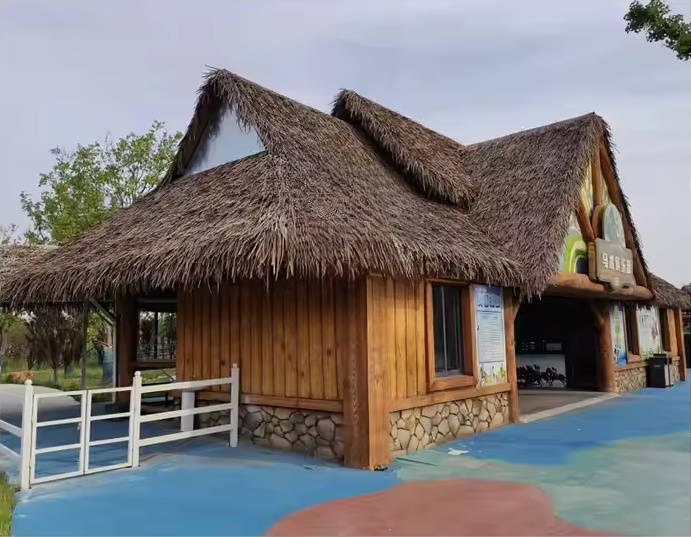
Modern tropical resort design has evolved dramatically over the past decade, with property developers and architects increasingly turning to innovative materials that deliver authentic aesthetics without the maintenance challenges of traditional options. Among these cutting-edge solutions, synthetic palm leaf thatch has emerged as a revolutionary building material that transforms ordinary resort spaces into immersive tropical paradises. This advanced roofing and decorative material combines the natural beauty of traditional palm fronds with engineered durability that withstands harsh weather conditions, UV radiation, and constant exposure to moisture.
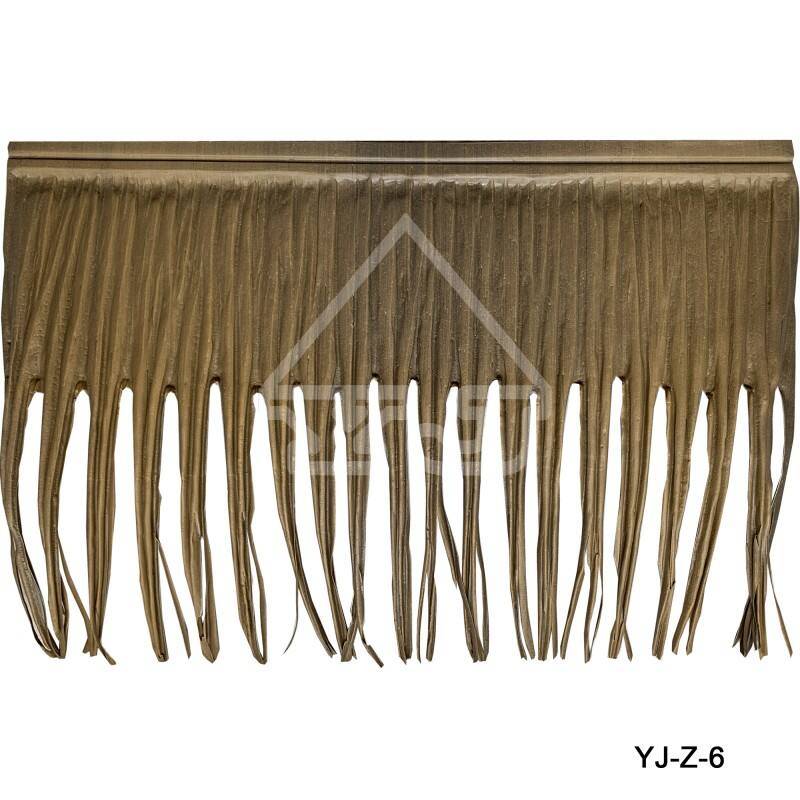
The hospitality industry's shift toward sustainable yet low-maintenance materials has created unprecedented demand for high-quality synthetic alternatives to natural thatching. Resort owners recognize that synthetic palm leaf thatch offers significant advantages in terms of longevity, fire resistance, and overall cost-effectiveness compared to traditional palm fronds that require frequent replacement and extensive upkeep. This transformation represents more than just a material upgrade; it signifies a fundamental change in how tropical resorts approach design sustainability while maintaining the exotic ambiance that guests expect from premium vacation destinations.
Material Innovation and Engineering Excellence
Advanced Manufacturing Processes
The production of high-quality synthetic palm leaf thatch involves sophisticated manufacturing techniques that replicate the intricate textures, colors, and patterns found in natural palm fronds. Modern synthetic materials utilize advanced polymer compounds specifically engineered to withstand tropical climates while maintaining their aesthetic appeal for decades. These manufacturing processes incorporate UV-resistant additives, flame-retardant compounds, and anti-microbial treatments that ensure the synthetic palm leaf thatch performs consistently across diverse environmental conditions.
State-of-the-art molding and texturing technologies enable manufacturers to create synthetic palm leaf thatch with remarkable authenticity, featuring natural-looking variations in color, texture, and leaf shape that make the artificial material virtually indistinguishable from genuine palm fronds. The engineering precision involved in this manufacturing process ensures that each synthetic leaf maintains structural integrity while exhibiting the organic randomness that characterizes natural thatching materials.
Durability and Performance Characteristics
Unlike natural palm fronds that deteriorate rapidly under constant exposure to salt air, humidity, and intense sunlight, synthetic palm leaf thatch demonstrates exceptional resilience against environmental stressors that typically plague tropical resort properties. The engineered materials resist color fading, structural degradation, and biological contamination that commonly affect organic thatching materials within months of installation.
Performance testing demonstrates that premium synthetic palm leaf thatch maintains its structural integrity and visual appeal for fifteen to twenty years under normal tropical conditions, representing a dramatic improvement over natural materials that require replacement every two to three years. This extended lifespan translates into substantial cost savings for resort operators while eliminating the disruption and expense associated with frequent maintenance cycles.
Design Versatility and Aesthetic Applications
Architectural Integration Possibilities
Contemporary resort architects appreciate synthetic palm leaf thatch for its exceptional design flexibility, which enables creative applications ranging from traditional tiki-style roofing to modern interpretations of tropical architecture. The material's lightweight construction and modular installation systems allow for complex curved surfaces, dramatic overhangs, and intricate geometric patterns that would be difficult or impossible to achieve with natural thatching materials.
The standardized dimensions and consistent quality of synthetic palm leaf thatch facilitate precise architectural planning and enable designers to create sophisticated tropical environments that maintain visual authenticity while incorporating contemporary amenities and safety features. This design flexibility has opened new possibilities for resort properties seeking to differentiate themselves through distinctive architectural elements that capture the essence of tropical paradise.
Color and Texture Customization Options
Modern synthetic palm leaf thatch production techniques allow for extensive customization in terms of color palettes, texture variations, and leaf configurations that enable resort designers to create unique aesthetic signatures tailored to specific brand requirements or regional preferences. Manufacturers can produce synthetic palm leaf thatch in various color combinations ranging from natural golden tones to weathered silver-gray finishes that complement different architectural styles and landscape designs.
Advanced coloring processes ensure that synthetic palm leaf thatch maintains color consistency throughout its service life, eliminating the unpredictable fading and discoloration patterns that characterize natural thatching materials exposed to tropical weather conditions. This color stability allows resort designers to implement long-term aesthetic strategies without concerns about material degradation affecting the overall visual impact of their tropical design concepts.
Installation and Maintenance Advantages
Streamlined Installation Procedures
The installation process for synthetic palm leaf thatch offers significant advantages over traditional thatching methods, with standardized attachment systems and lightweight materials that reduce installation time and labor costs. Professional installation teams can complete complex thatching projects in a fraction of the time required for natural materials, minimizing disruption to resort operations and reducing overall project timelines.
The modular design of synthetic palm leaf thatch systems enables precise fitting and seamless integration with existing architectural elements, while specialized fastening systems ensure secure attachment that withstands high winds and severe weather conditions common in tropical resort locations. This installation efficiency represents a crucial advantage for resort properties operating on tight construction schedules or seeking to minimize guest disruption during renovation projects.
Long-Term Maintenance Requirements
One of the most compelling advantages of synthetic palm leaf thatch involves its minimal maintenance requirements compared to natural thatching materials that demand constant attention, replacement, and pest management interventions. Synthetic materials resist insect infestation, fungal growth, and organic decomposition that plague natural palm fronds in humid tropical environments.
Routine maintenance for synthetic palm leaf thatch typically involves only periodic cleaning with standard pressure washing equipment and occasional inspection for weather-related damage or attachment system integrity. This simplified maintenance approach allows resort maintenance teams to focus resources on other critical property management tasks while ensuring that thatched areas maintain their pristine appearance throughout their extended service life.
Economic Benefits and Cost Analysis
Initial Investment Considerations
While the upfront cost of synthetic palm leaf thatch typically exceeds that of natural materials, comprehensive cost analysis reveals substantial long-term savings when factoring in replacement cycles, maintenance requirements, and operational disruptions associated with traditional thatching materials. Resort financial managers increasingly recognize that synthetic palm leaf thatch represents a strategic investment that delivers measurable returns through reduced maintenance costs and extended service life.
The predictable performance characteristics of synthetic palm leaf thatch enable accurate budget planning and eliminate the unexpected expenses associated with premature material failure or weather-related damage that commonly affects natural thatching systems. This financial predictability proves particularly valuable for resort properties operating under strict budget constraints or seeking to optimize long-term operational efficiency.
Return on Investment Analysis
Detailed financial analysis demonstrates that synthetic palm leaf thatch typically achieves full cost recovery within five to seven years through reduced maintenance expenses, eliminated replacement cycles, and decreased labor requirements. The extended service life of synthetic materials continues to generate cost savings for an additional decade beyond the payback period, creating substantial value for resort property investments.
Additional economic benefits include reduced insurance premiums due to improved fire resistance, decreased liability risks associated with falling debris from deteriorating natural materials, and enhanced property values resulting from the premium appearance and durability of synthetic palm leaf thatch installations. These secondary financial advantages contribute significantly to the overall economic value proposition of synthetic thatching materials.
Environmental Impact and Sustainability
Resource Conservation Benefits
The adoption of synthetic palm leaf thatch contributes to environmental conservation by reducing demand for natural palm fronds that are often harvested unsustainably from wild populations or plantation operations with questionable environmental practices. This shift toward synthetic materials helps preserve natural palm ecosystems while eliminating the carbon footprint associated with frequent harvesting, processing, and transportation of organic thatching materials.
Modern synthetic palm leaf thatch production utilizes recycled materials and environmentally responsible manufacturing processes that minimize waste generation and energy consumption compared to the resource-intensive cycles required for natural material harvesting and replacement. The extended service life of synthetic materials further reduces environmental impact by eliminating frequent disposal and replacement cycles that characterize natural thatching systems.
Waste Reduction and Disposal Considerations
Unlike natural palm fronds that create substantial organic waste requiring disposal every few years, synthetic palm leaf thatch generates minimal waste throughout its service life and can often be recycled at the end of its useful period. This waste reduction capability proves particularly valuable for resort properties in remote locations where waste disposal options are limited or expensive.
The elimination of regular replacement cycles associated with synthetic palm leaf thatch significantly reduces the volume of construction waste generated by resort properties, contributing to broader sustainability goals and potentially qualifying properties for green building certifications or environmental recognition programs that enhance their market positioning and guest appeal.
Quality Standards and Selection Criteria
Performance Specifications and Testing
Selecting high-quality synthetic palm leaf thatch requires careful evaluation of performance specifications including UV resistance ratings, fire safety certifications, wind load capabilities, and color retention guarantees that ensure the material meets the demanding requirements of tropical resort environments. Professional specification processes should include comprehensive testing data and manufacturer warranties that provide confidence in long-term performance expectations.
Industry-standard testing protocols evaluate synthetic palm leaf thatch performance across multiple criteria including accelerated weathering resistance, structural integrity under extreme conditions, and aesthetic durability over extended exposure periods. These standardized testing procedures enable resort designers and property managers to make informed material selection decisions based on objective performance data rather than marketing claims or visual appearance alone.
Supplier Evaluation and Quality Assurance
Successful synthetic palm leaf thatch projects depend heavily on selecting reputable suppliers with proven track records in tropical resort applications and demonstrated expertise in manufacturing high-quality synthetic thatching materials. Supplier evaluation should include assessment of manufacturing capabilities, quality control processes, warranty terms, and technical support resources that ensure project success.
Quality assurance protocols should include material sampling, performance verification, and installation oversight that guarantee synthetic palm leaf thatch meets specified requirements and performs as expected throughout its service life. These quality control measures prove essential for protecting the substantial investment that resort properties make in premium thatching systems and ensuring guest satisfaction with the tropical ambiance created by synthetic materials.
Future Trends and Technological Developments
Emerging Material Technologies
Ongoing research and development in synthetic palm leaf thatch technology continues to produce innovations in material composition, manufacturing processes, and performance characteristics that promise even greater advantages for tropical resort applications. Emerging technologies include smart materials that respond to environmental conditions, enhanced UV resistance formulations, and improved recyclability features that address evolving sustainability requirements.
Advanced manufacturing techniques under development promise to deliver synthetic palm leaf thatch with even more realistic appearance characteristics, improved weather resistance, and enhanced installation efficiency that will further expand the material's applications in tropical resort design. These technological advances ensure that synthetic palm leaf thatch will continue to evolve as a preferred material for premium resort properties seeking authentic tropical aesthetics combined with modern performance standards.
Market Expansion and Industry Adoption
The growing recognition of synthetic palm leaf thatch advantages has sparked increased adoption across diverse hospitality market segments including luxury resorts, themed entertainment venues, residential developments, and commercial properties seeking tropical design elements. This expanding market adoption drives continued innovation and cost reduction through economies of scale that benefit all synthetic palm leaf thatch applications.
Industry forecasts indicate sustained growth in synthetic palm leaf thatch demand driven by increasing environmental awareness, rising maintenance costs for natural materials, and growing appreciation for the aesthetic and performance advantages of high-quality synthetic alternatives. This market expansion ensures continued investment in product development and manufacturing efficiency that will benefit resort properties considering synthetic palm leaf thatch for current and future projects.
FAQ
How long does synthetic palm leaf thatch typically last in tropical climates
High-quality synthetic palm leaf thatch typically provides fifteen to twenty years of reliable service in tropical resort environments when properly installed and maintained. This extended lifespan represents a significant improvement over natural palm fronds that usually require replacement every two to three years due to weathering, pest damage, and organic deterioration in humid tropical conditions.
Can synthetic palm leaf thatch withstand hurricane-force winds and severe weather
Premium synthetic palm leaf thatch systems are engineered to meet or exceed local building code requirements for wind resistance and structural integrity in tropical storm conditions. Proper installation with appropriate fastening systems enables synthetic thatching to withstand hurricane-force winds that would typically destroy natural palm frond installations, though specific performance capabilities depend on the quality of materials and installation procedures used.
What maintenance is required for synthetic palm leaf thatch installations
Synthetic palm leaf thatch requires minimal maintenance consisting primarily of periodic cleaning with pressure washing equipment and routine inspection for attachment system integrity or weather-related damage. Unlike natural materials, synthetic thatching does not require pest control treatments, fungicide applications, or frequent replacement of deteriorated sections, resulting in substantially reduced maintenance costs and labor requirements.
How does the cost of synthetic palm leaf thatch compare to natural materials over time
While synthetic palm leaf thatch involves higher initial investment costs compared to natural materials, comprehensive lifecycle cost analysis demonstrates significant long-term savings through reduced maintenance requirements, eliminated replacement cycles, and decreased labor costs. Most synthetic thatching systems achieve full cost recovery within five to seven years and continue generating savings throughout their extended service life, making them economically advantageous for resort properties focused on long-term operational efficiency.
Table of Contents
- Material Innovation and Engineering Excellence
- Design Versatility and Aesthetic Applications
- Installation and Maintenance Advantages
- Economic Benefits and Cost Analysis
- Environmental Impact and Sustainability
- Quality Standards and Selection Criteria
- Future Trends and Technological Developments
-
FAQ
- How long does synthetic palm leaf thatch typically last in tropical climates
- Can synthetic palm leaf thatch withstand hurricane-force winds and severe weather
- What maintenance is required for synthetic palm leaf thatch installations
- How does the cost of synthetic palm leaf thatch compare to natural materials over time