 EN
EN
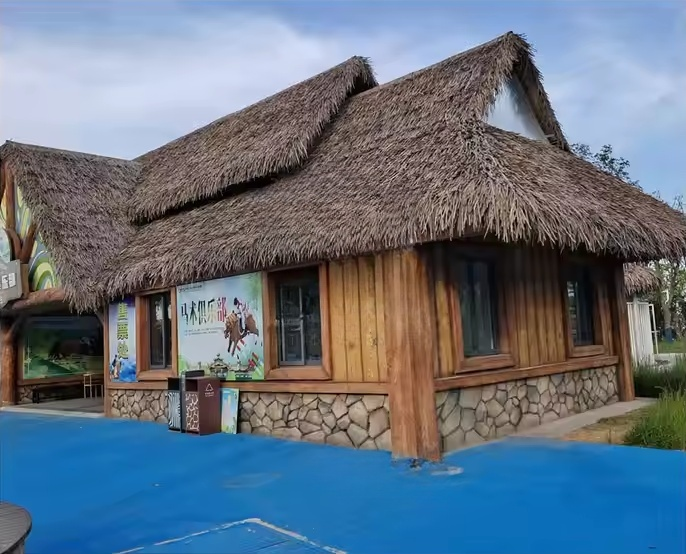
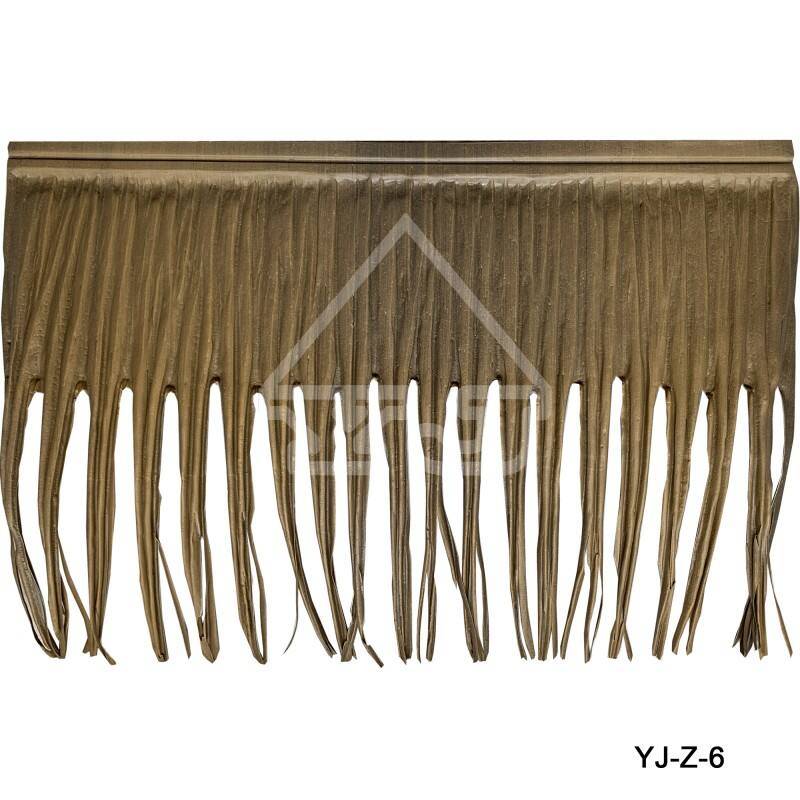
When selecting roofing materials for tropical-style construction projects, hospitality venues, or landscaping applications, synthetic palm leaf thatch has emerged as a superior alternative to traditional natural thatch. This innovative roofing solution combines the aesthetic appeal of authentic palm leaves with the durability and performance characteristics that modern construction demands. Understanding the key supplier advantages when choosing synthetic palm leaf thatch can significantly impact project success, long-term maintenance costs, and overall customer satisfaction.
Manufacturing Quality and Material Standards
Advanced Production Techniques
Leading suppliers of synthetic palm leaf thatch utilize state-of-the-art manufacturing processes that ensure consistent quality and performance. These advanced production techniques involve precision molding, UV stabilization treatments, and multi-layer construction methods that replicate the natural texture and appearance of authentic palm fronds. The manufacturing process typically includes computer-controlled color matching systems that maintain uniformity across large production runs, ensuring that every batch of synthetic palm leaf thatch meets the same exacting standards for color consistency and dimensional accuracy.
Quality manufacturers employ rigorous testing protocols throughout the production cycle, including stress testing for wind resistance, thermal cycling assessments for temperature stability, and accelerated aging tests that simulate years of environmental exposure. These comprehensive quality control measures guarantee that each piece of synthetic palm leaf thatch will perform reliably under real-world conditions, providing architects and contractors with confidence in their material selection decisions.
Material Composition and Durability
Superior suppliers prioritize the development of advanced polymer formulations that enhance the longevity and weather resistance of synthetic palm leaf thatch products. These specialized materials often incorporate high-grade polyethylene or polypropylene bases infused with titanium dioxide and other UV stabilizers that prevent degradation from prolonged sun exposure. The result is a roofing material that maintains its structural integrity and aesthetic appeal for decades, significantly outperforming natural thatch alternatives.
The composition of premium synthetic palm leaf thatch typically includes flame-retardant additives that enhance fire safety characteristics, making these materials suitable for commercial applications where building codes require specific fire resistance ratings. Additionally, the non-organic nature of synthetic materials eliminates concerns about insect infestation, mold growth, and bacterial contamination that commonly affect natural thatch installations.
Technical Performance and Installation Support
Weather Resistance Capabilities
Established suppliers provide synthetic palm leaf thatch products engineered to withstand extreme weather conditions, including hurricane-force winds, heavy rainfall, and intense UV radiation. These materials undergo extensive testing in controlled environments that simulate decades of exposure to harsh climatic conditions. The results demonstrate superior performance characteristics compared to natural alternatives, with synthetic options maintaining their structural integrity and appearance long after natural thatch would require replacement.
The waterproofing capabilities of high-quality synthetic palm leaf thatch represent a significant advantage over traditional materials. Advanced surface treatments create hydrophobic properties that cause water to shed efficiently while preventing moisture absorption that could lead to dimensional instability or premature deterioration. This enhanced weather resistance translates into reduced maintenance requirements and extended service life, providing substantial long-term cost savings for property owners.
Installation Guidance and Technical Documentation
Professional suppliers distinguish themselves by providing comprehensive installation support that includes detailed technical documentation, installation guides, and ongoing technical assistance. These resources ensure that contractors can achieve optimal results with synthetic palm leaf thatch installations, reducing the likelihood of performance issues or premature failure due to improper installation techniques.
Leading suppliers often maintain technical support teams staffed by experienced professionals who can provide project-specific guidance for complex installations or unique architectural requirements. This level of support proves invaluable for large-scale commercial projects where installation quality directly impacts project timelines and overall success. The availability of technical expertise throughout the installation process represents a significant competitive advantage when selecting supplier partners.
Supply Chain Reliability and Logistics
Inventory Management and Availability
Reliable suppliers maintain substantial inventory levels of synthetic palm leaf thatch products to accommodate varying project demands and delivery schedules. This inventory management capability proves crucial for large construction projects that require consistent material availability throughout extended installation periods. Suppliers with robust inventory systems can provide accurate delivery projections and maintain product availability even during peak construction seasons or unexpected demand fluctuations.
The ability to source synthetic palm leaf thatch materials quickly and reliably impacts project scheduling and cost management significantly. Suppliers with well-established supply chains can minimize project delays caused by material shortages while providing competitive pricing through efficient procurement and distribution networks. This reliability becomes particularly important for international projects where shipping logistics and customs clearance procedures can introduce additional complexity.
Global Distribution Networks
Established manufacturers of synthetic palm leaf thatch typically maintain extensive distribution networks that enable efficient delivery to project sites worldwide. These networks include strategically located warehouses, partnerships with regional distributors, and relationships with specialized transportation providers experienced in handling construction materials. The scope and efficiency of distribution capabilities directly impact project costs and timelines, making supplier selection a critical factor in overall project success.
International distribution expertise becomes essential for resort developments, hospitality projects, and architectural installations in remote locations where material availability may be limited. Suppliers with proven track records in global logistics can navigate complex shipping requirements, customs regulations, and local import restrictions that might otherwise delay project completion or increase costs unexpectedly.
Customization Capabilities and Design Support
Product Variation and Aesthetic Options
Leading suppliers offer extensive customization options for synthetic palm leaf thatch products, including multiple color variations, texture patterns, and dimensional specifications that accommodate diverse architectural styles and design requirements. This flexibility enables architects and designers to achieve specific aesthetic goals while maintaining the performance advantages of synthetic materials. Custom color matching services allow projects to incorporate brand-specific colors or complement existing architectural elements seamlessly.
The availability of different synthetic palm leaf thatch profiles and configurations provides design versatility that may not be achievable with natural materials. Suppliers capable of producing custom lengths, widths, and curvatures can accommodate unique architectural features such as curved rooflines, complex geometric patterns, or integrated lighting systems that enhance the overall design impact while maintaining weather protection functionality.
Design Consultation Services
Professional suppliers often provide design consultation services that help architects and contractors optimize their use of synthetic palm leaf thatch materials for specific project requirements. These services may include site assessments, wind load calculations, drainage design recommendations, and structural integration advice that ensures optimal performance and longevity. Access to experienced design professionals can prevent costly mistakes and ensure that material selections align with project goals and performance expectations.
The value of design support extends beyond initial planning to include ongoing project assistance during construction phases. Suppliers with dedicated design teams can address field questions, provide technical clarifications, and offer solutions for unexpected challenges that may arise during installation. This level of support represents a significant advantage when working with synthetic palm leaf thatch in complex or innovative applications.
Environmental Considerations and Sustainability
Eco-Friendly Manufacturing Processes
Forward-thinking suppliers prioritize environmental responsibility throughout their manufacturing operations, implementing sustainable production practices that minimize waste generation and energy consumption. These efforts often include recycling programs for production waste, energy-efficient manufacturing equipment, and responsible sourcing of raw materials. The environmental impact of synthetic palm leaf thatch production continues to improve as manufacturers adopt cleaner technologies and more sustainable business practices.
Many suppliers now offer synthetic palm leaf thatch products manufactured from recycled materials, reducing the environmental footprint while maintaining performance characteristics. These eco-friendly alternatives appeal to environmentally conscious developers and contribute to green building certification programs such as LEED or BREEAM. The availability of sustainable options represents an important consideration for projects prioritizing environmental responsibility.
Lifecycle Environmental Impact
The extended service life of synthetic palm leaf thatch significantly reduces the environmental impact associated with frequent replacement cycles required by natural alternatives. This longevity translates into reduced material consumption, lower transportation emissions, and decreased waste generation over the building's operational lifetime. Additionally, the synthetic nature of these materials eliminates the need for chemical treatments or pesticides that might be required to maintain natural thatch installations.
End-of-life considerations for synthetic palm leaf thatch include recyclability options that allow materials to be processed into new products rather than contributing to landfill waste. Progressive suppliers are developing take-back programs and partnerships with recycling facilities that ensure responsible disposal and material recovery when installations reach the end of their service life.
Cost Considerations and Value Proposition
Initial Investment and Long-term Economics
While the initial cost of synthetic palm leaf thatch may exceed that of natural alternatives, the total cost of ownership typically favors synthetic materials due to their extended service life and reduced maintenance requirements. Comprehensive cost analysis should include factors such as installation labor, ongoing maintenance, replacement frequency, and performance reliability over the expected building lifetime. These calculations consistently demonstrate the superior economic value of high-quality synthetic options.
Suppliers who provide detailed cost modeling and lifecycle analysis tools enable informed decision-making that considers all relevant economic factors. This analytical approach helps project stakeholders understand the true financial implications of material choices and supports budget planning for long-term facility management. The availability of such analytical support represents a valuable service that distinguishes professional suppliers from commodity vendors.
Warranty Coverage and Risk Mitigation
Established suppliers typically offer comprehensive warranty programs that provide protection against material defects, premature failure, and performance shortfalls. These warranties often extend for decades and include coverage for both material replacement and associated labor costs. The scope and duration of warranty coverage reflect the supplier's confidence in their synthetic palm leaf thatch products and provide important risk mitigation for property owners and contractors.
Warranty terms should be carefully evaluated to understand coverage limitations, maintenance requirements, and claim procedures. Suppliers with strong financial stability and established track records provide greater assurance that warranty commitments will be honored throughout the coverage period. This financial security represents an important factor in supplier selection, particularly for large commercial projects where warranty claims could involve substantial costs.
FAQ
How long does synthetic palm leaf thatch typically last compared to natural thatch
Synthetic palm leaf thatch typically lasts 15-25 years or more with minimal maintenance, while natural thatch usually requires replacement every 3-7 years depending on climate conditions and maintenance practices. The extended lifespan of synthetic materials results from UV-resistant formulations and weather-resistant construction that prevents the deterioration commonly experienced with organic materials. This longevity advantage makes synthetic options more cost-effective over time despite higher initial investment costs.
What maintenance is required for synthetic palm leaf thatch installations
Synthetic palm leaf thatch requires minimal maintenance compared to natural alternatives, typically involving periodic cleaning with water and mild detergents to remove accumulated dirt or debris. Unlike natural thatch, synthetic materials do not require treatments for pest control, mold prevention, or structural reinforcement. Occasional inspection for wind damage or loose attachments may be necessary, but the non-organic nature of synthetic materials eliminates most maintenance concerns associated with traditional thatching.
Can synthetic palm leaf thatch be installed in areas with strict building codes
Yes, many synthetic palm leaf thatch products are engineered to meet stringent building codes and fire safety requirements that may prohibit natural thatch installations. High-quality synthetic materials often include flame-retardant properties and can achieve required fire resistance ratings for commercial and residential applications. Suppliers typically provide documentation and testing reports that demonstrate compliance with relevant building codes and safety standards.
How does the appearance of synthetic palm leaf thatch compare to natural materials
Modern synthetic palm leaf thatch products closely replicate the texture, color variations, and overall appearance of natural palm fronds through advanced manufacturing techniques and realistic surface treatments. Many installations are virtually indistinguishable from natural thatch at normal viewing distances, while providing superior consistency and uniformity that may actually enhance the overall aesthetic appeal. Color stability over time ensures that synthetic installations maintain their appearance without the fading and weathering typical of natural materials.
Table of Contents
- Manufacturing Quality and Material Standards
- Technical Performance and Installation Support
- Supply Chain Reliability and Logistics
- Customization Capabilities and Design Support
- Environmental Considerations and Sustainability
- Cost Considerations and Value Proposition
-
FAQ
- How long does synthetic palm leaf thatch typically last compared to natural thatch
- What maintenance is required for synthetic palm leaf thatch installations
- Can synthetic palm leaf thatch be installed in areas with strict building codes
- How does the appearance of synthetic palm leaf thatch compare to natural materials