 EN
EN
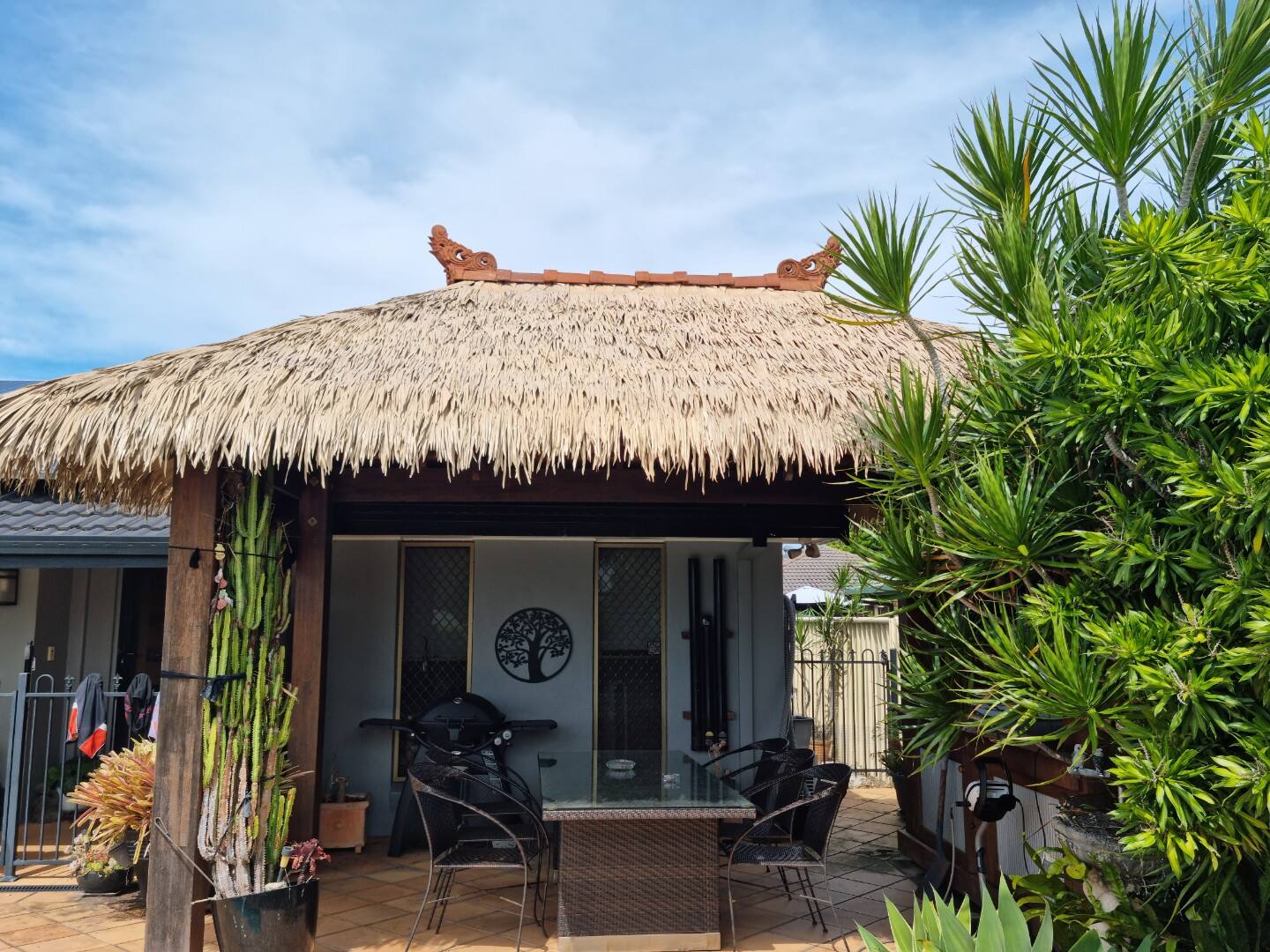
When choosing roofing materials for tropical-themed projects, resort developments, or outdoor entertainment spaces, the debate between synthetic palm leaf thatch and natural materials has become increasingly relevant. Modern construction demands durability, cost-effectiveness, and aesthetic appeal, making synthetic palm leaf thatch an attractive alternative to traditional natural options. Understanding the financial implications, maintenance requirements, and long-term value of each material type helps property developers, architects, and homeowners make informed decisions that align with their project goals and budget constraints.
Initial Investment Analysis
Upfront Material Costs
The initial purchase price represents the most immediate cost consideration when comparing synthetic palm leaf thatch to natural alternatives. Natural palm fronds typically cost between $2 to $4 per square foot, depending on the species, quality grade, and geographic availability. Regional variations significantly impact pricing, with imported materials commanding premium rates in areas where palm trees are not indigenous. Processing, bundling, and transportation costs further inflate the base material expense.
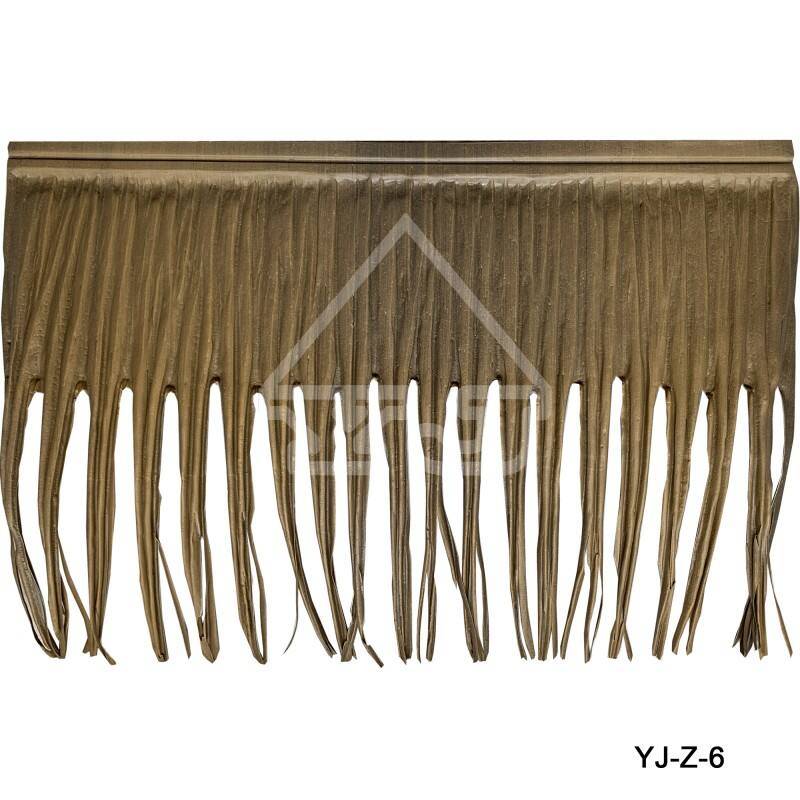
Synthetic palm leaf thatch materials generally range from $3 to $7 per square foot for high-quality options. While the upfront cost appears higher, synthetic alternatives offer consistent pricing regardless of seasonal fluctuations or natural supply constraints that affect organic materials. Premium synthetic options incorporate advanced UV-resistant polymers and realistic texturing that justifies the higher initial investment through superior performance characteristics.
Installation Expenses
Installation labor costs vary significantly between natural and synthetic materials due to different handling requirements and installation techniques. Natural palm fronds require skilled craftspeople familiar with traditional thatching methods, often commanding specialized labor rates ranging from $8 to $15 per square foot. The delicate nature of organic materials demands careful handling and precise placement to ensure proper water shedding and structural integrity.
Synthetic palm leaf thatch installation typically costs between $5 to $10 per square foot, benefiting from standardized installation procedures and reduced material waste. The lightweight nature and consistent dimensions of synthetic materials allow for faster installation times and reduced labor complexity. Many synthetic products feature interlocking systems or pre-fabricated panels that streamline the installation process and minimize skilled labor requirements.
Long-Term Durability Considerations
Weather Resistance Performance
Natural palm fronds demonstrate varying degrees of weather resistance depending on the species and processing methods employed. Most organic thatching materials last between 5 to 15 years in tropical climates, with significant degradation occurring due to UV exposure, moisture absorption, and insect damage. Wind resistance varies considerably, with properly installed natural thatch providing adequate protection under normal weather conditions but requiring frequent maintenance in hurricane-prone regions.
High-quality synthetic palm leaf thatch offers superior weather resistance with typical lifespans extending 20 to 30 years under normal outdoor conditions. Advanced polymer formulations resist UV degradation, moisture absorption, and temperature fluctuations that compromise natural materials. Wind resistance often exceeds natural alternatives due to consistent material properties and engineered fastening systems designed for specific wind load requirements.
Maintenance Requirements
Natural thatching materials require regular maintenance including periodic re-tightening, replacement of damaged sections, and treatment for pest infestations. Annual maintenance costs typically range from $1 to $3 per square foot, with major renovations required every 7 to 10 years. Seasonal cleaning, debris removal, and structural inspections add to the ongoing operational expenses associated with natural materials.
Synthetic palm leaf thatch requires minimal maintenance beyond periodic cleaning and occasional fastener inspection. Annual maintenance costs generally remain below $0.50 per square foot, primarily involving surface cleaning and visual inspections. The non-organic nature eliminates pest-related issues and reduces the frequency of major maintenance interventions, contributing to lower lifetime operational costs.
Environmental Impact Assessment
Sustainability Factors
Natural palm fronds represent a renewable resource when harvested sustainably from managed plantations or natural stands. The carbon footprint of natural materials remains relatively low, particularly when sourced locally and processed using traditional methods. Biodegradability at end-of-life presents an environmental advantage, though transportation from distant sources can increase the overall environmental impact significantly.
Modern synthetic palm leaf thatch incorporates recyclable materials and advanced manufacturing processes that minimize waste generation. While the initial carbon footprint may be higher due to polymer production, the extended lifespan and reduced replacement frequency can result in lower lifetime environmental impact. Some manufacturers utilize recycled content and offer end-of-life recycling programs to address disposal concerns.
Resource Conservation
Harvesting natural palm fronds can impact local ecosystems and wildlife habitats when not managed responsibly. Overharvesting in some regions has led to concerns about biodiversity loss and habitat degradation. Sustainable sourcing practices and certification programs help mitigate these issues but may increase material costs and limit availability in certain markets.
Synthetic alternatives reduce pressure on natural palm populations and eliminate the need for continuous harvesting operations. The manufacturing process, while energy-intensive, occurs in controlled environments with established environmental regulations and waste management systems. Resource conservation benefits become more pronounced in regions where natural palm resources face ecological pressure or regulatory restrictions.
Performance Characteristics
Aesthetic Qualities
Natural palm fronds provide authentic texture, color variations, and organic appeal that many designers and property owners prefer for traditional or resort-style applications. The natural aging process creates unique patina effects that enhance visual appeal over time. However, inconsistent coloration, varying sizes, and unpredictable weathering patterns can create maintenance challenges and aesthetic inconsistencies.
High-quality synthetic palm leaf thatch replicates natural appearance through advanced molding techniques and realistic coloration systems. Consistent color matching, uniform dimensions, and controlled aging characteristics provide predictable aesthetic outcomes throughout the material's lifespan. Some synthetic products offer color customization options not available with natural materials, enabling better integration with specific design schemes.
Functional Performance
Water shedding capabilities vary among natural palm species, with some varieties providing excellent rain protection while others require careful installation and maintenance to prevent leaks. Thermal performance generally remains good due to the natural insulating properties of organic fibers. Fire resistance varies significantly, with some natural materials requiring chemical treatment to meet building codes.
Engineered synthetic palm leaf thatch offers consistent water shedding performance through designed drainage channels and hydrophobic surface treatments. Thermal properties can be optimized through material selection and structural design, often exceeding natural material performance. Fire retardant formulations help synthetic materials meet strict building codes while maintaining aesthetic appeal and durability characteristics.
Regional Market Variations
Supply Chain Factors
Geographic location significantly impacts the cost and availability of both natural and synthetic thatching materials. Regions with abundant palm resources typically offer natural materials at competitive prices, while areas requiring importation face substantial transportation costs and supply uncertainties. Seasonal availability fluctuations can disrupt project timelines and inflate costs during peak demand periods.
Synthetic palm leaf thatch benefits from established manufacturing and distribution networks that provide consistent availability and pricing across different geographic markets. Global production capabilities and standardized shipping methods reduce regional price variations and supply chain disruptions. However, import duties and shipping costs can still impact final pricing in certain international markets.
Local Building Requirements
Building codes and regulations vary significantly between jurisdictions, with some areas restricting natural materials due to fire safety concerns or pest management issues. Insurance requirements may favor synthetic materials due to their consistent performance characteristics and reduced liability risks. Local permitting processes can favor materials with established testing data and certification documents.
Synthetic materials often benefit from standardized testing protocols and certification processes that simplify approval procedures across different jurisdictions. Engineering specifications and performance data facilitate architect and contractor acceptance while reducing project approval timelines. However, some historical districts or cultural preservation areas may require natural materials to maintain authentic appearance standards.
Total Cost of Ownership
Lifecycle Financial Analysis
Calculating the true cost comparison between synthetic palm leaf thatch and natural alternatives requires comprehensive lifecycle analysis including initial investment, installation, maintenance, and replacement costs over a 20-year period. Natural materials typically require full replacement every 10 to 12 years, effectively doubling the material and installation costs within the analysis timeframe.
Synthetic alternatives, despite higher initial costs, often demonstrate superior financial performance over extended periods due to reduced maintenance requirements and longer replacement intervals. When factoring in labor costs, material waste, and operational disruptions associated with frequent maintenance, synthetic palm leaf thatch frequently provides 25 to 40 percent lower total cost of ownership compared to natural materials.
Value Engineering Considerations
Project-specific factors including location, usage intensity, aesthetic requirements, and budget constraints influence the optimal material selection decision. High-visibility applications may justify premium synthetic materials that provide consistent appearance and performance, while budget-conscious projects might benefit from carefully sourced natural alternatives with planned replacement cycles.
Risk assessment considerations include potential cost escalations for natural materials due to supply constraints, environmental regulations, or harvesting restrictions. Synthetic palm leaf thatch provides cost predictability and performance guarantees that facilitate accurate project budgeting and long-term financial planning for commercial and residential applications.
FAQ
How much can I expect to save annually with synthetic palm leaf thatch compared to natural materials
Annual savings with synthetic palm leaf thatch typically range from $2 to $5 per square foot compared to natural materials when considering maintenance, replacement reserves, and operational costs. The exact savings depend on local labor rates, natural material availability, and climate conditions. Most property owners realize break-even within 5 to 7 years, with continued savings throughout the extended lifespan of synthetic materials.
What factors affect the price difference between synthetic and natural palm thatching
Several factors influence pricing variations including geographic location, material quality grades, installation complexity, and local labor costs. Import duties, transportation expenses, and seasonal availability fluctuations significantly impact natural material pricing. Synthetic palm leaf thatch pricing remains more stable due to controlled manufacturing processes and established distribution networks, though premium grades with enhanced features command higher prices.
Do insurance companies offer different rates for synthetic versus natural thatching materials
Many insurance providers offer preferential rates for synthetic thatching materials due to improved fire resistance, weather durability, and reduced maintenance-related claims. Natural materials may face higher premiums or coverage restrictions in fire-prone areas or regions with severe weather exposure. Policy holders should consult with insurance representatives to understand specific coverage implications and potential cost differences based on material selection.
How do warranty terms compare between synthetic and natural palm thatching products
Synthetic palm leaf thatch typically includes manufacturer warranties ranging from 15 to 25 years covering UV degradation, structural integrity, and color retention. Natural materials rarely include formal warranties beyond basic defect coverage due to the unpredictable nature of organic material performance. Extended warranty coverage for synthetic products provides additional financial protection and peace of mind for property owners making long-term investment decisions.
Table of Contents
- Initial Investment Analysis
- Long-Term Durability Considerations
- Environmental Impact Assessment
- Performance Characteristics
- Regional Market Variations
- Total Cost of Ownership
-
FAQ
- How much can I expect to save annually with synthetic palm leaf thatch compared to natural materials
- What factors affect the price difference between synthetic and natural palm thatching
- Do insurance companies offer different rates for synthetic versus natural thatching materials
- How do warranty terms compare between synthetic and natural palm thatching products