 EN
EN
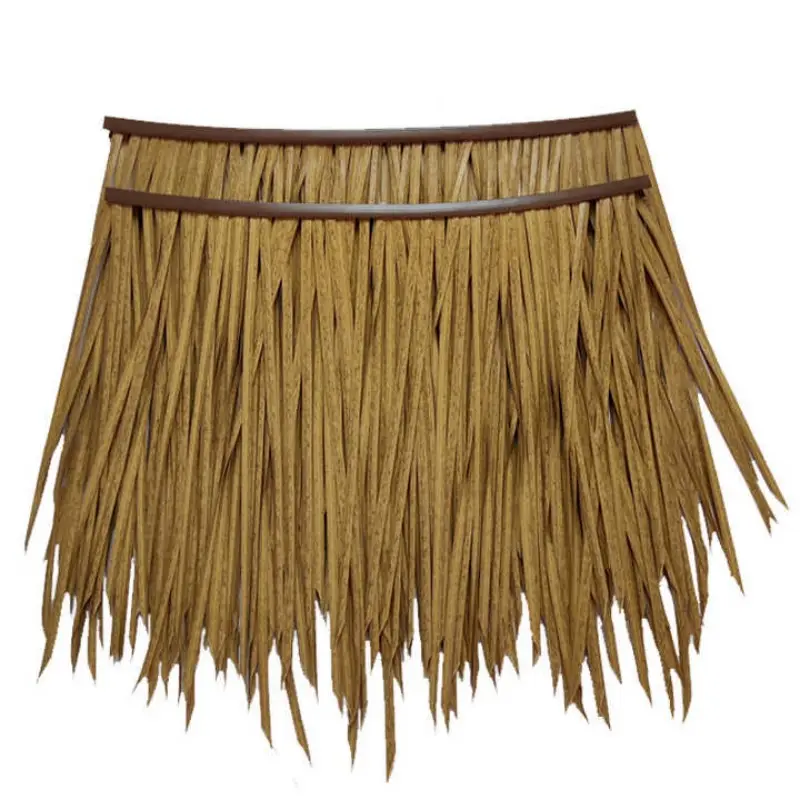
Modern construction materials have revolutionized the roofing industry, offering innovative solutions that combine traditional aesthetics with contemporary performance standards. The synthetic thatch roof represents one of the most significant advances in roofing technology, providing property owners with the authentic appearance of natural thatch while delivering superior protection against fire and water damage. This innovative material addresses long-standing concerns about traditional thatched roofing systems, making it an ideal choice for residential, commercial, and hospitality applications where both visual appeal and safety performance are paramount.
Understanding Synthetic Thatch Materials and Construction
Advanced Polymer Technology
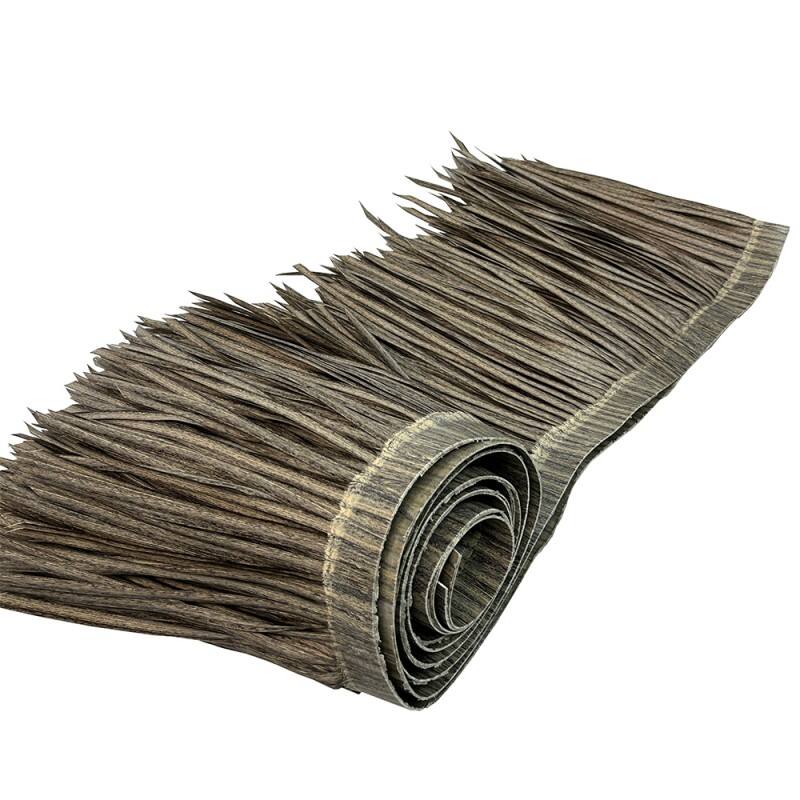
Synthetic thatch roof materials utilize sophisticated polymer compounds engineered to replicate the natural texture, color, and appearance of traditional grass or reed thatch. These advanced materials undergo specialized manufacturing processes that create authentic-looking strands with varying lengths and diameters, ensuring visual consistency across large installation areas. The polymer base provides exceptional durability while maintaining flexibility that allows the material to withstand thermal expansion and contraction cycles without cracking or splitting.
Manufacturing techniques incorporate multiple color variations within individual strands, creating the natural weathered appearance that characterizes aged thatch installations. The polymer matrix includes UV stabilizers that prevent color fading and material degradation from prolonged sun exposure, ensuring long-term aesthetic performance. Advanced extrusion processes create hollow fiber structures that reduce overall weight while maintaining structural integrity, making synthetic thatch roof systems easier to install and less demanding on underlying structural supports.
Installation Method Innovation
Contemporary synthetic thatch roof installation employs modular panel systems that streamline the construction process while ensuring consistent coverage and appearance. These panels feature interlocking mechanisms that create seamless transitions between sections, eliminating visible joints that could compromise the authentic thatched appearance. Professional installation teams can complete projects significantly faster than traditional thatch application, reducing labor costs and minimizing weather exposure during construction phases.
Underlayment systems designed specifically for synthetic thatch applications provide additional moisture protection and thermal insulation benefits. These specialized membranes include vapor barriers that prevent condensation buildup while allowing controlled ventilation through designated pathways. The modular approach enables precise customization around architectural features such as dormers, chimneys, and roof penetrations without requiring extensive field modifications or custom fabrication work.
Fire Resistance Characteristics and Safety Benefits
Enhanced Fire Safety Performance
Fire resistance represents one of the most significant advantages of synthetic thatch roof systems compared to natural materials. Advanced polymer formulations include flame-retardant additives that significantly reduce ignition risk and limit flame spread across the roof surface. Laboratory testing demonstrates that synthetic thatch materials meet or exceed Class A fire rating requirements, providing property owners with enhanced protection against external fire sources such as wildfire embers or neighboring structure fires.
The heat-fused construction process creates additional fire resistance by eliminating loose fibers that could easily ignite from spark contact. This manufacturing technique bonds individual strands at multiple contact points, creating a cohesive surface that resists combustion initiation. When exposed to high temperatures, synthetic thatch roof materials undergo controlled charring that forms protective barriers, slowing heat transfer and preventing fire penetration to underlying structural elements.
Building Code Compliance and Insurance Benefits
Modern building codes increasingly recognize synthetic thatch roof systems as acceptable alternatives to traditional materials, particularly in areas with high fire risk designations. Many jurisdictions that previously restricted or prohibited natural thatch installations now permit synthetic alternatives due to their improved safety characteristics. This regulatory acceptance opens new opportunities for architectural designs that incorporate traditional thatched aesthetics in locations where natural materials would be inappropriate or prohibited.
Insurance companies often provide favorable premium rates for properties with synthetic thatch roof installations due to reduced fire risk exposure. The documented fire performance characteristics enable insurers to classify these installations in lower risk categories, resulting in potential cost savings for property owners. Some insurance providers offer specific discounts for synthetic thatch installations in wildfire-prone areas, recognizing the enhanced protection these materials provide against external fire threats.
Waterproofing Technology and Moisture Management
Advanced Water Resistance Features
Waterproofing performance in synthetic thatch roof systems exceeds traditional natural materials through engineered polymer compositions that repel moisture while maintaining breathability characteristics. The synthetic fibers feature hydrophobic surface treatments that cause water to bead and run off quickly, preventing absorption that could lead to rot, mold, or structural damage. This enhanced water resistance maintains consistent performance throughout the material's service life without requiring periodic treatments or replacements due to moisture-related deterioration.
Integrated drainage channels within the synthetic thatch roof structure direct water flow efficiently toward gutters and downspouts, preventing pooling or backup that could cause leakage. The uniform fiber density and controlled placement ensure consistent water shedding performance across the entire roof surface, eliminating weak spots that commonly develop in natural thatch installations over time. Advanced manufacturing processes create consistent fiber orientation that optimizes water flow patterns while maintaining the authentic random appearance of natural materials.
Long-Term Moisture Protection
Unlike natural thatch materials that require regular maintenance and replacement due to moisture-related degradation, synthetic alternatives provide decades of consistent waterproofing performance. The polymer base materials resist bacterial and fungal growth that commonly affect organic thatching materials, eliminating concerns about biological deterioration that compromises water resistance. This biological resistance ensures that synthetic thatch roof systems maintain their protective characteristics without requiring antimicrobial treatments or frequent inspections for decay indicators.
Temperature cycling and seasonal weather changes that cause natural thatch to expand, contract, and develop gaps have minimal impact on synthetic materials. The engineered polymer formulations maintain dimensional stability across wide temperature ranges, ensuring consistent coverage and water protection throughout seasonal transitions. This stability eliminates the need for annual maintenance procedures that natural thatch installations require to maintain waterproof integrity.
Installation Efficiency and Cost Considerations
Streamlined Installation Process
Professional installation of synthetic thatch roof systems typically requires significantly less time compared to natural thatch application, reducing overall project costs and minimizing weather-related delays. The modular panel design allows installation teams to cover large areas quickly while ensuring consistent appearance and performance characteristics. Standard roofing contractors can complete synthetic thatch installations with minimal specialized training, unlike natural thatch work that requires highly skilled craftspeople with extensive experience.
Weather independence during installation represents another significant advantage, as synthetic materials can be installed under conditions that would be unsuitable for natural thatch work. Rain, humidity, or temperature extremes that could damage natural materials or compromise installation quality have minimal impact on synthetic thatch roof installation procedures. This weather independence enables more flexible project scheduling and reduces the risk of installation delays that could extend project timelines and increase costs.
Economic Advantages and Return on Investment
Initial investment in synthetic thatch roof systems often provides superior long-term value compared to natural alternatives when considering maintenance requirements, replacement frequency, and insurance costs. The extended service life of synthetic materials eliminates the periodic replacement costs associated with natural thatch, which typically requires renewal every fifteen to twenty-five years depending on climate conditions and maintenance quality. Reduced maintenance requirements further enhance the economic benefits by eliminating annual inspection and repair costs that natural thatch installations demand.
Energy efficiency benefits contribute additional economic value through reduced heating and cooling costs over the system's service life. The insulation properties of synthetic thatch roof materials help regulate interior temperatures, reducing HVAC system workload and energy consumption. These operational savings compound over time, improving the overall return on investment while providing enhanced comfort for building occupants throughout seasonal temperature variations.
Environmental Impact and Sustainability Considerations
Resource Conservation Benefits
Synthetic thatch roof production eliminates the environmental impact associated with harvesting natural grasses and reeds used in traditional thatching applications. This conservation benefit protects natural habitats and wetland ecosystems that serve as sources for organic thatching materials. The manufacturing process for synthetic alternatives uses recyclable polymer materials and generates minimal waste compared to natural material processing and transportation requirements.
Extended service life characteristics of synthetic thatch reduce the frequency of roof replacement projects, minimizing construction waste and resource consumption over building lifetimes. The durability advantages translate to fewer manufacturing cycles and transportation requirements compared to natural materials that require periodic replacement. Some synthetic thatch roof products incorporate recycled content from post-consumer plastics, contributing to waste stream reduction while providing high-performance building materials.
Lifecycle Environmental Performance
Energy efficiency improvements provided by synthetic thatch roof systems contribute to reduced carbon emissions from building operations over extended service periods. The insulation properties help optimize HVAC system performance, reducing energy consumption and associated environmental impacts. This operational efficiency benefit compounds over the material's service life, providing environmental advantages that extend well beyond the initial installation phase.
End-of-life disposal options for synthetic thatch materials include recycling programs that convert used roofing materials into new polymer products. This circular economy approach minimizes landfill waste while providing raw materials for other applications, supporting sustainable material management practices. Some manufacturers offer take-back programs that facilitate proper recycling and ensure responsible disposal of synthetic thatch products at the end of their service life.
FAQ
How long does a synthetic thatch roof typically last compared to natural thatch
Synthetic thatch roof systems typically provide service lives of 30 to 50 years with minimal maintenance requirements, significantly exceeding the 15 to 25-year lifespan of natural thatch installations. The polymer materials resist biological degradation, UV damage, and moisture-related deterioration that commonly limit natural thatch performance. This extended durability translates to fewer replacement cycles and reduced long-term ownership costs while maintaining consistent appearance and protective performance throughout the material's service life.
What maintenance requirements do synthetic thatch roofs have
Synthetic thatch roof maintenance consists primarily of periodic cleaning to remove debris and occasional inspection of fastening systems and flashing details. Unlike natural thatch that requires annual inspections for pest damage, decay, and structural integrity, synthetic alternatives maintain consistent performance with minimal intervention. Standard roof maintenance procedures such as gutter cleaning and drainage system inspection apply to synthetic thatch installations, but specialized thatching maintenance requirements are eliminated.
Can synthetic thatch roofs be installed on existing roof structures
Most existing roof structures can accommodate synthetic thatch installation with appropriate structural evaluation and potential reinforcement if required. The lightweight characteristics of synthetic materials typically impose lower structural loads compared to natural thatch installations, making retrofit applications feasible on many existing buildings. Professional structural assessment ensures adequate support capacity and identifies any necessary modifications to safely support the new roofing system while meeting applicable building codes and engineering requirements.
How do synthetic thatch roofs perform in extreme weather conditions
Synthetic thatch roof systems demonstrate superior performance in extreme weather conditions including high winds, hail, and temperature extremes compared to natural alternatives. The engineered polymer materials maintain flexibility and strength across wide temperature ranges, preventing brittle failure during freeze-thaw cycles. Wind resistance characteristics meet or exceed building code requirements for high wind zones, and impact resistance from hail or debris provides enhanced protection for underlying structures and building contents.