 EN
EN
Traditional thatched roofing has evolved significantly over the centuries, transitioning from purely natural materials to innovative synthetic alternatives that offer enhanced durability and performance. Modern construction projects increasingly face the challenge of balancing aesthetic authenticity with practical functionality, particularly in tropical and resort environments where weather resistance is paramount. The emergence of synthetic thatch has revolutionized the roofing industry by providing solutions that maintain the visual appeal of natural materials while delivering superior longevity and reduced maintenance requirements. Understanding the fundamental differences between these two approaches is crucial for architects, contractors, and property developers making informed decisions about roofing materials for their projects.
Material Composition and Manufacturing Process
Natural Thatch Construction Elements
Natural thatch roofing relies on organic materials such as water reed, wheat straw, palm leaves, or grass varieties that have been harvested and prepared for construction use. The traditional process involves careful selection of materials based on local climate conditions and availability, with experienced thatchers hand-layering bundles to create weatherproof barriers. The density and thickness of natural thatch installations typically require substantial structural support due to the weight of the organic materials when wet. Quality natural thatch depends heavily on the skill of the installer and the seasonal timing of material harvesting, which directly impacts the longevity and performance of the finished roof.
The preparation process for natural materials involves drying, sorting, and bundling operations that can vary significantly based on regional practices and material types. Weather conditions during installation play a critical role in the success of natural thatch projects, as moisture content affects both workability and final performance. Traditional thatching methods require specialized knowledge passed down through generations, making skilled labor a limiting factor in many markets. The organic nature of these materials means they are subject to natural decay processes, pest infiltration, and environmental degradation over time.
Synthetic Thatch Engineering and Production
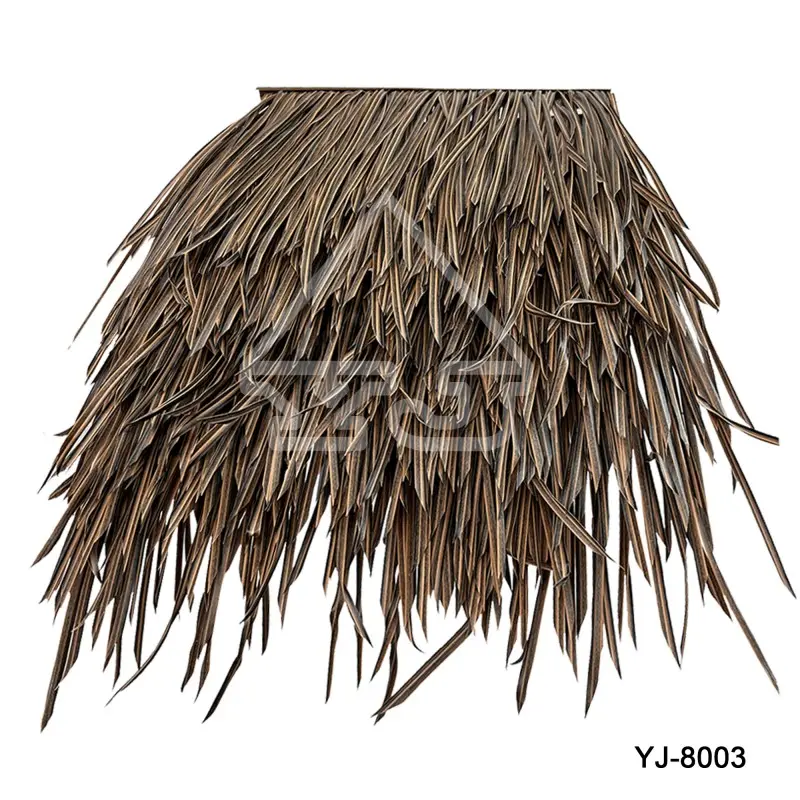
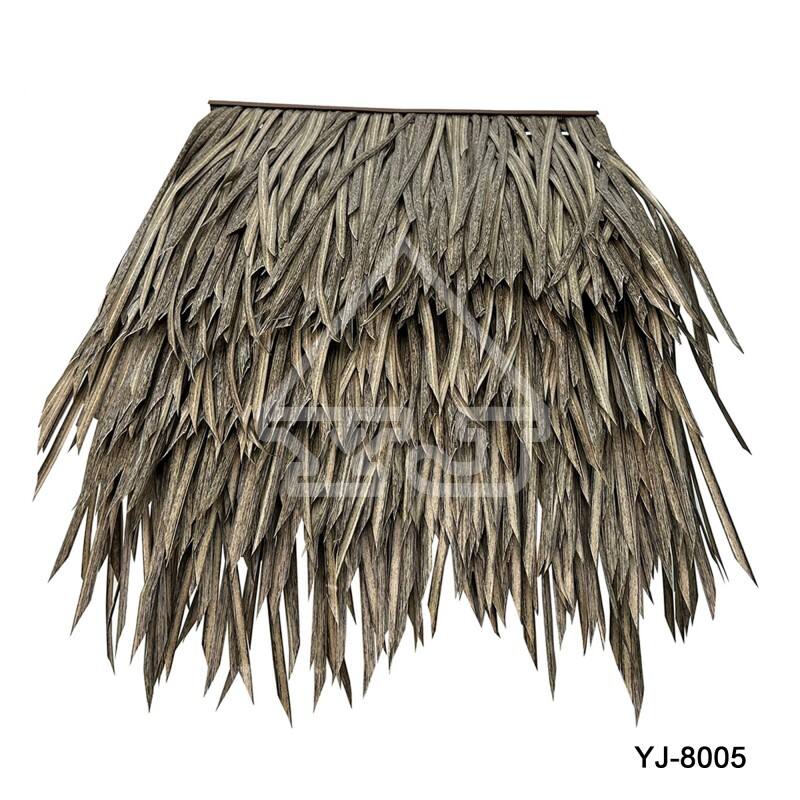
Synthetic thatch represents a technological advancement in roofing materials, utilizing high-density polyethylene (HDPE) or similar polymers engineered to replicate the appearance of natural thatch while providing enhanced performance characteristics. The manufacturing process involves precision molding and texturing techniques that create realistic visual patterns matching various natural thatch styles. Quality synthetic thatch products undergo extensive UV resistance testing and weathering simulation to ensure consistent performance across different climatic conditions. The controlled production environment allows for standardized quality and dimensional accuracy that cannot be achieved with natural materials.
Modern synthetic thatch manufacturing incorporates flame-retardant additives and colorfast pigments that maintain appearance consistency over extended periods. The lightweight nature of synthetic thatch panels reduces structural load requirements while maintaining the aesthetic appeal of traditional thatching. Production quality control measures ensure dimensional consistency and performance standards that eliminate the variability inherent in natural materials. Advanced polymer formulations provide resistance to environmental stressors including moisture, temperature fluctuations, and chemical exposure that would compromise natural materials.
Durability and Weather Resistance Comparison
Longevity Performance Analysis
Natural thatch roofing typically provides service life ranging from eight to fifteen years depending on material quality, installation expertise, and environmental conditions, with some premium installations lasting up to twenty-five years under optimal circumstances. The organic composition makes natural thatch susceptible to biological degradation from bacteria, fungi, and insect activity that gradually compromises structural integrity. Exposure to extreme weather events including heavy rainfall, high winds, and intense sunlight accelerates the deterioration process of natural materials. Regular maintenance requirements for natural thatch include periodic inspection, repair, and partial replacement of damaged sections to maintain weatherproofing effectiveness.
Climate factors significantly influence the performance lifespan of natural thatch installations, with tropical environments presenting particular challenges due to high humidity and intense UV exposure. The natural aging process of organic materials results in gradual color fading, texture changes, and mechanical property degradation that affects both appearance and functionality. Seasonal weather patterns impact natural thatch differently throughout the year, requiring adaptive maintenance strategies to address varying environmental stresses. The inherent variability in natural material properties means that performance outcomes can differ substantially even within the same installation project.
Synthetic Thatch Performance Standards
High-quality synthetic thatch products are engineered to provide service life extending fifteen to twenty-five years with minimal maintenance requirements, significantly outperforming natural alternatives in terms of longevity. The polymer construction offers superior resistance to moisture absorption, preventing the rot and decay issues that commonly affect natural thatch installations. UV stabilization additives incorporated during manufacturing protect against color fading and material degradation caused by prolonged sun exposure. Synthetic thatch maintains dimensional stability across temperature ranges that would cause natural materials to expand, contract, and potentially fail.
Weather resistance testing demonstrates that synthetic thatch performs consistently across diverse climatic conditions including coastal salt spray, acid rain, and extreme temperature fluctuations. The non-organic composition eliminates biological degradation pathways that affect natural materials, providing predictable performance characteristics over the product lifespan. Quality synthetic thatch products resist impact damage from hail, falling debris, and wind-borne objects better than natural alternatives due to their engineered flexibility and strength properties. The standardized manufacturing process ensures consistent quality control and performance predictability that cannot be achieved with natural materials subject to seasonal and regional variations.
Installation and Maintenance Requirements
Installation Process Complexity
Traditional natural thatch installation requires highly specialized craftsmen with extensive experience in layering techniques, bundle preparation, and weatherproofing methods that can take years to master effectively. The installation process is weather-dependent, requiring dry conditions for optimal material handling and proper layering of organic bundles to achieve waterproof integrity. Natural thatch projects often experience scheduling delays due to weather constraints, material availability, and the time-intensive nature of hand-installation methods. The weight of natural thatch materials requires robust structural support systems and careful load distribution calculations to prevent structural damage.
Quality control during natural thatch installation depends heavily on the individual craftsman's skill level and attention to detail, introducing variability in final product quality. The organic materials require careful handling to prevent damage during transport and installation, with broken or compromised bundles affecting overall roof integrity. Installation costs for natural thatch include not only material expenses but significant labor costs due to the specialized skills required and extended installation timeframes. Regional availability of skilled thatchers can be a limiting factor in project feasibility and timeline management for natural thatch installations.
Synthetic Thatch Installation Advantages
Synthetic thatch installation typically requires standard roofing skills rather than specialized traditional thatching expertise, making qualified installers more readily available in most markets. The lightweight panel design allows for faster installation with reduced structural load requirements compared to natural thatch systems. Weather conditions have minimal impact on synthetic thatch installation procedures, allowing for more predictable project scheduling and completion timelines. The standardized panel dimensions and connection systems facilitate accurate estimation of material quantities and installation time requirements.
Quality synthetic thatch products include detailed installation guides and support systems that reduce the likelihood of installation errors that could compromise performance. The modular panel design allows for easier repair and replacement of individual sections without affecting surrounding areas, unlike natural thatch where localized repairs often require extensive surrounding work. Installation costs for synthetic thatch are typically lower due to reduced labor time and the availability of qualified installers without specialized traditional skills. The consistent panel quality eliminates the material sorting and preparation time required for natural thatch installations.
Cost Analysis and Economic Considerations
Initial Investment Comparison
The upfront material cost of natural thatch varies significantly based on local availability, quality grade, and seasonal factors, with premium natural materials often commanding higher prices than synthetic alternatives. Installation labor costs for natural thatch typically exceed synthetic options due to the specialized skills required and extended installation timeframes necessary for proper layering techniques. Structural reinforcement requirements for natural thatch add additional costs to support the increased weight load compared to lightweight synthetic alternatives. Transportation costs for natural materials can be substantial, particularly for projects located far from harvesting areas or requiring imported specialty materials.
Natural thatch projects often experience cost overruns due to weather delays, material waste, and the need for experienced craftsmen who may be in limited supply. The seasonal availability of quality natural materials can affect pricing and project timing, sometimes requiring advanced purchasing and storage arrangements. Quality control challenges with natural materials may result in higher material usage rates to compensate for damaged or substandard bundles. Regional variations in natural thatch pricing reflect local supply chains, labor availability, and market demand fluctuations that affect project budgeting accuracy.
Long-Term Economic Performance
Synthetic thatch demonstrates superior long-term economic value through reduced maintenance requirements, extended service life, and predictable performance characteristics that minimize unexpected repair costs. The fifteen to twenty-five year service life of quality synthetic thatch products provides better cost per year of service compared to natural alternatives requiring replacement every eight to fifteen years. Maintenance costs for synthetic thatch are typically limited to periodic cleaning and inspection, whereas natural thatch requires ongoing repair, treatment, and partial replacement activities. Insurance considerations may favor synthetic thatch due to improved fire resistance and weather durability compared to natural materials.
Energy efficiency benefits of synthetic thatch can provide ongoing operational savings through improved insulation properties and reduced air infiltration compared to aging natural thatch installations. The predictable performance of synthetic thatch allows for accurate long-term budgeting and maintenance planning, eliminating unexpected costs associated with natural material degradation. Property value considerations often favor synthetic thatch due to the reduced maintenance burden and extended service life that appeal to potential buyers or tenants. Total cost of ownership calculations consistently demonstrate the economic advantages of synthetic thatch over multiple replacement cycles of natural materials.
Environmental Impact and Sustainability
Natural Thatch Environmental Considerations
Natural thatch materials are biodegradable and renewable, sourced from agricultural byproducts or sustainably managed vegetation that can be harvested without permanent environmental damage. The production process for natural thatch has minimal energy requirements compared to manufactured materials, relying primarily on manual harvesting, drying, and preparation methods. Local sourcing of natural thatch materials reduces transportation environmental impact while supporting regional agricultural economies and traditional craft industries. End-of-life disposal of natural thatch presents minimal environmental concerns as the organic materials decompose naturally without releasing harmful substances.
However, intensive harvesting of natural thatch materials can impact local ecosystems if not properly managed, potentially affecting wildlife habitat and plant biodiversity. The shorter service life of natural thatch results in more frequent replacement cycles, increasing the cumulative environmental impact of material harvesting and waste generation. Pesticide and chemical treatments sometimes applied to natural thatch for preservation can introduce environmental concerns regarding runoff and disposal. The variability in natural material quality may result in higher waste rates during installation and increased material consumption to achieve desired performance levels.
Synthetic Thatch Sustainability Profile
Modern synthetic thatch manufacturing incorporates recycled polymer content and energy-efficient production processes that reduce the overall environmental footprint compared to traditional manufacturing methods. The extended service life of synthetic thatch reduces replacement frequency and cumulative material consumption over building lifecycles compared to natural alternatives. Quality synthetic thatch products are recyclable at end of life, allowing material recovery rather than disposal in landfill environments. The durability and weather resistance of synthetic thatch eliminate the need for chemical treatments and preservatives required for natural material maintenance.
Manufacturing improvements continue to reduce the environmental impact of synthetic thatch production through cleaner production technologies and increased use of recycled feedstock materials. The lightweight nature of synthetic thatch reduces transportation fuel consumption and associated carbon emissions compared to heavier natural materials. Quality synthetic thatch products eliminate the ongoing environmental impact of frequent replacement and maintenance activities required for natural thatch installations. Life cycle assessment studies demonstrate favorable environmental profiles for synthetic thatch when considering total service life and performance characteristics.
FAQ
How long does synthetic thatch last compared to natural thatch
High-quality synthetic thatch typically provides fifteen to twenty-five years of service life with minimal maintenance, significantly outperforming natural thatch which generally lasts eight to fifteen years depending on environmental conditions and maintenance quality. The polymer construction of synthetic thatch resists UV degradation, moisture damage, and biological decay that commonly affect natural materials, resulting in more predictable and extended performance. While premium natural thatch installations may achieve longer service life under optimal conditions, synthetic thatch provides consistent performance across diverse climatic conditions without the variability inherent in organic materials.
Is synthetic thatch fire resistant compared to natural materials
Quality synthetic thatch products incorporate flame-retardant additives during manufacturing that provide superior fire resistance compared to natural thatch materials, which are inherently combustible due to their organic composition. Synthetic thatch meets building code fire safety requirements in most jurisdictions, while natural thatch may require additional fire suppression systems or may be prohibited in certain high-risk areas. The controlled manufacturing process allows synthetic thatch to achieve consistent fire performance ratings, whereas natural thatch fire resistance varies based on moisture content, material type, and installation density.
Can synthetic thatch achieve the authentic appearance of natural materials
Advanced manufacturing techniques in synthetic thatch production create highly realistic textures, colors, and patterns that closely replicate various natural thatch styles including palm, reed, and straw appearances. Quality synthetic thatch products undergo extensive development to match regional natural thatch characteristics while maintaining consistent appearance over the product lifespan. Unlike natural thatch which changes appearance through weathering and aging, synthetic thatch maintains its intended visual properties, providing predictable aesthetic results that meet design requirements for traditional or tropical architectural styles.
What are the maintenance requirements for synthetic thatch installations
Synthetic thatch maintenance is typically limited to periodic cleaning with water and mild detergent to remove accumulated debris and maintain appearance, requiring significantly less effort than natural thatch maintenance schedules. Unlike natural thatch which requires ongoing repair, treatment, and partial replacement, synthetic thatch provides maintenance-free performance for most of its service life. Inspection requirements for synthetic thatch focus on checking attachment points and clearing drainage areas rather than the material replacement and pest control activities necessary for natural thatch systems. The modular panel design of synthetic thatch allows for easy replacement of individual sections if damage occurs, without affecting surrounding installation areas.