 EN
EN

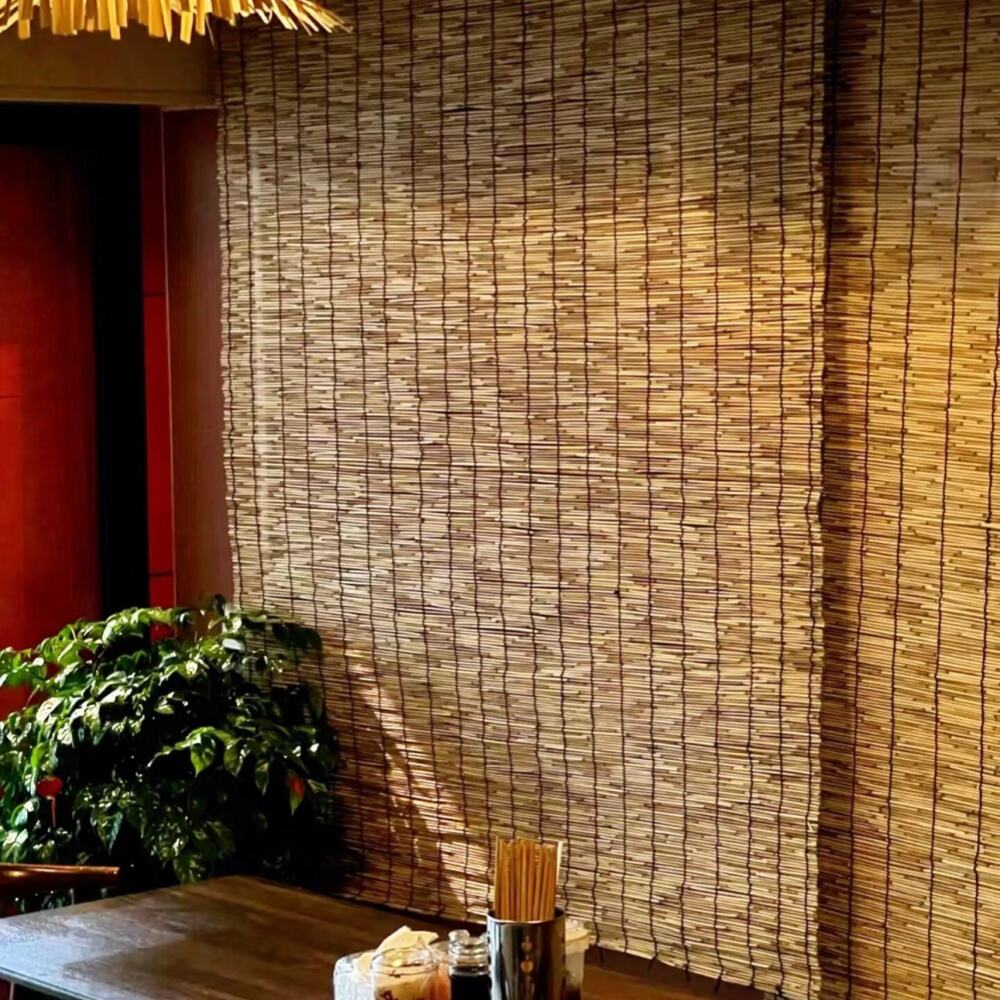
The design world is experiencing a remarkable renaissance in natural materials, with rattan weave materials emerging as a dominant force in contemporary furniture and architectural applications. This revival represents more than just aesthetic preference; it reflects a growing consciousness toward sustainable design practices and the timeless appeal of organic textures in modern living spaces.
Interior designers and architects worldwide are rediscovering the versatility of woven natural fibers, incorporating them into everything from statement furniture pieces to expansive ceiling installations. The current trend transcends traditional tropical or bohemian styling, finding expression in minimalist Scandinavian interiors, industrial lofts, and luxury hospitality environments. This widespread adoption speaks to the material's inherent adaptability and its ability to bridge different design philosophies while maintaining its distinctive character.
Evolution of Rattan Weave in Contemporary Design
Historical Context and Modern Adaptation
Traditional rattan craftsmanship has existed for centuries across Southeast Asian cultures, where artisans developed sophisticated weaving techniques that balanced durability with aesthetic appeal. Today's designers are building upon this rich heritage, combining time-tested methods with contemporary manufacturing processes to create products that meet modern performance standards while preserving authentic visual characteristics.
The transformation of rattan weave materials from purely functional items to design statements reflects broader shifts in consumer preferences toward artisanal quality and cultural authenticity. Modern production methods have enhanced the material's consistency and availability, making it accessible for large-scale commercial projects and residential applications alike.
Technological Innovations in Weave Construction
Advanced manufacturing techniques have revolutionized how rattan weave materials are produced and applied in contemporary settings. Precision cutting technologies ensure uniform strand dimensions, while controlled drying processes maintain optimal flexibility and color consistency throughout production runs. These improvements have expanded the material's applications beyond traditional uses.
Quality control systems now enable manufacturers to create standardized patterns that maintain the organic appeal of handwoven textures while delivering the reliability required for commercial installations. This balance between authenticity and consistency has opened new markets in hospitality, retail, and residential construction sectors.
Furniture Applications and Design Innovation
Seating Solutions and Structural Integration
Contemporary furniture designers are pushing the boundaries of how rattan weave materials can be incorporated into seating solutions, moving beyond traditional chair backs and seats to create fully integrated structural elements. These innovations include suspension seating systems where woven panels provide both support and visual interest, as well as modular furniture systems that combine rigid frames with flexible woven components.
The ergonomic benefits of woven surfaces have gained recognition among furniture designers who appreciate the material's natural flexibility and breathability. These characteristics make rattan weave particularly suitable for extended-use applications in office environments and hospitality settings where comfort and durability are paramount considerations.
Storage and Display Applications
Modern storage furniture increasingly features rattan weave materials as both functional and decorative elements. Cabinet doors, drawer fronts, and room dividers benefit from the material's ability to provide visual texture while maintaining structural integrity. The natural porosity of woven materials also offers practical advantages in applications requiring air circulation, such as linen storage or wine cabinet installations.
Display furniture utilizing woven panels creates sophisticated presentations for retail environments and residential showcases. The interplay between solid and woven surfaces allows designers to control visibility and light transmission while maintaining visual cohesion across furniture collections.
Architectural Roof and Ceiling Applications
Suspended Ceiling Systems
Architectural applications of rattan weave materials have expanded dramatically in recent years, with suspended ceiling installations becoming particularly popular in restaurants, hotels, and residential great rooms. These installations create dramatic visual impact while providing practical benefits such as acoustic dampening and indirect lighting opportunities.
The lightweight nature of woven panels makes them ideal for suspended applications where structural load considerations are critical. Modern mounting systems allow for easy installation and maintenance while ensuring long-term stability in high-traffic commercial environments.
Exterior Roofing and Weather Protection
Outdoor applications of rattan weave materials require careful consideration of weather resistance and structural performance. Treatment processes and protective coatings have enabled these materials to function effectively in covered outdoor spaces, pergolas, and gazebo installations where traditional roofing materials might appear too heavy or industrial.
The natural UV resistance of properly treated rattan weave materials, combined with their inherent flexibility, makes them suitable for installations that experience thermal expansion and contraction cycles. These characteristics have made woven materials popular choices for transitional spaces that bridge indoor and outdoor environments.
Sustainability and Environmental Considerations
Renewable Resource Management
The environmental appeal of rattan weave materials extends beyond their natural origin to encompass responsible harvesting and production practices. Sustainable rattan cultivation supports biodiversity in tropical regions while providing economic opportunities for local communities. This dual benefit has made rattan an attractive choice for environmentally conscious designers and consumers.
Certification programs now verify sustainable sourcing practices, ensuring that commercial rattan weave materials contribute to forest conservation rather than depletion. These programs have enhanced market confidence and enabled specifiers to document environmental benefits for green building certification processes.
End-of-Life Considerations and Recyclability
Unlike synthetic alternatives, rattan weave materials offer genuine biodegradability at the end of their service life. This characteristic eliminates long-term waste concerns and supports circular economy principles in design and construction. Proper disposal requires minimal processing, and the organic material can contribute to composting systems in appropriate applications.
The ability to refurbish and restore woven panels extends their useful life significantly compared to manufactured alternatives. Traditional repair techniques can address localized damage, while refinishing processes can restore appearance and protective properties without requiring complete replacement.
Installation and Maintenance Best Practices
Professional Installation Requirements
Successful installation of rattan weave materials requires understanding of the material's expansion characteristics and proper fastening techniques. Professional installers must account for seasonal moisture variations that can affect panel dimensions and adjust mounting systems accordingly. Proper spacing and flexible attachment points prevent damage during normal expansion cycles.
Quality installations incorporate appropriate backing materials and ventilation systems that support long-term performance while maintaining aesthetic appeal. These considerations are particularly important in high-humidity environments where moisture management becomes critical for material longevity.
Long-term Care and Preservation
Maintenance protocols for rattan weave materials focus on gentle cleaning methods and periodic protective treatments that preserve both appearance and structural integrity. Regular inspection schedules help identify potential issues before they compromise performance, while appropriate cleaning products maintain surface quality without damaging natural fibers.
Professional maintenance services can provide specialized treatments that extend service life and maintain warranty coverage for commercial installations. These services often include documentation systems that support facility management requirements and insurance compliance protocols.
FAQ
How durable are rattan weave materials in high-traffic commercial environments
Properly manufactured and installed rattan weave materials can withstand significant commercial use when appropriate grades are selected for specific applications. High-quality materials with proper protective treatments typically last 10-15 years in commercial settings with regular maintenance, making them cost-effective compared to frequent replacement of synthetic alternatives.
What climate conditions are best suited for rattan weave installations
Rattan weave materials perform optimally in environments with moderate humidity levels between 40-60% relative humidity. While treated materials can handle variations outside this range, extreme conditions may require additional protective measures or climate control systems to maintain long-term performance and appearance.
Can rattan weave materials be customized for specific design requirements
Most manufacturers offer extensive customization options including pattern variations, color treatments, and dimensional specifications to meet project requirements. Custom weaving patterns and specialized mounting systems can accommodate unique architectural features while maintaining material integrity and performance characteristics.
How do synthetic alternatives compare to natural rattan weave materials
While synthetic alternatives may offer enhanced weather resistance and consistency, natural rattan weave materials provide superior aesthetic authenticity, environmental benefits, and unique aging characteristics that many designers prefer. The choice typically depends on specific project requirements, budget considerations, and long-term sustainability goals.