 EN
EN
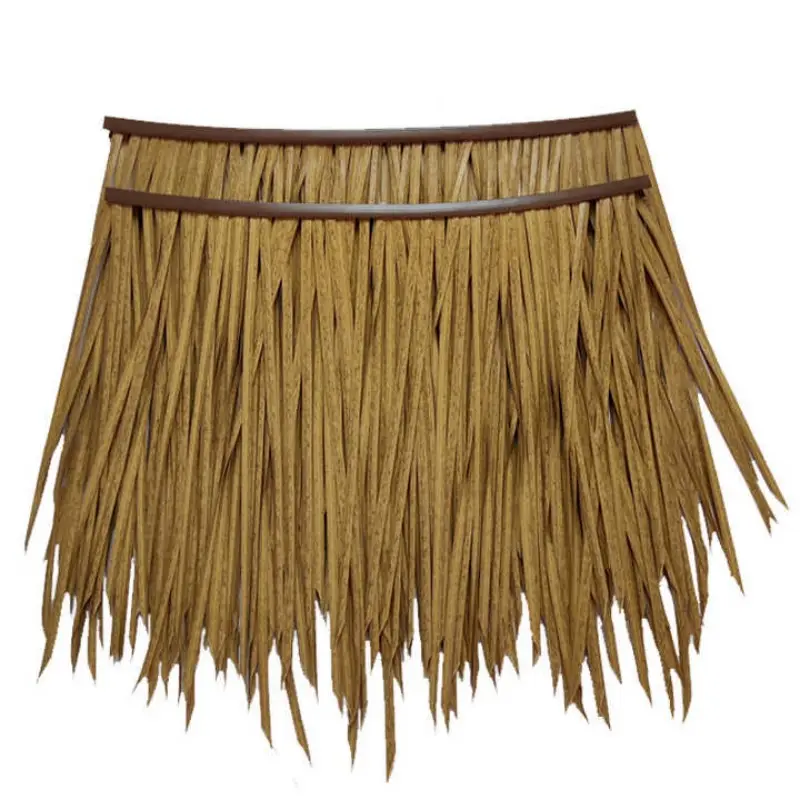
The cottage thatched construction industry is experiencing a remarkable transformation as we approach 2025, with innovative materials and sustainable practices reshaping traditional building methods. Modern homeowners and resort developers are increasingly seeking the timeless aesthetic appeal of thatched roofs while demanding enhanced durability, fire resistance, and minimal maintenance requirements. This evolution has sparked significant interest in synthetic thatch roofing solutions that combine traditional charm with contemporary performance standards.
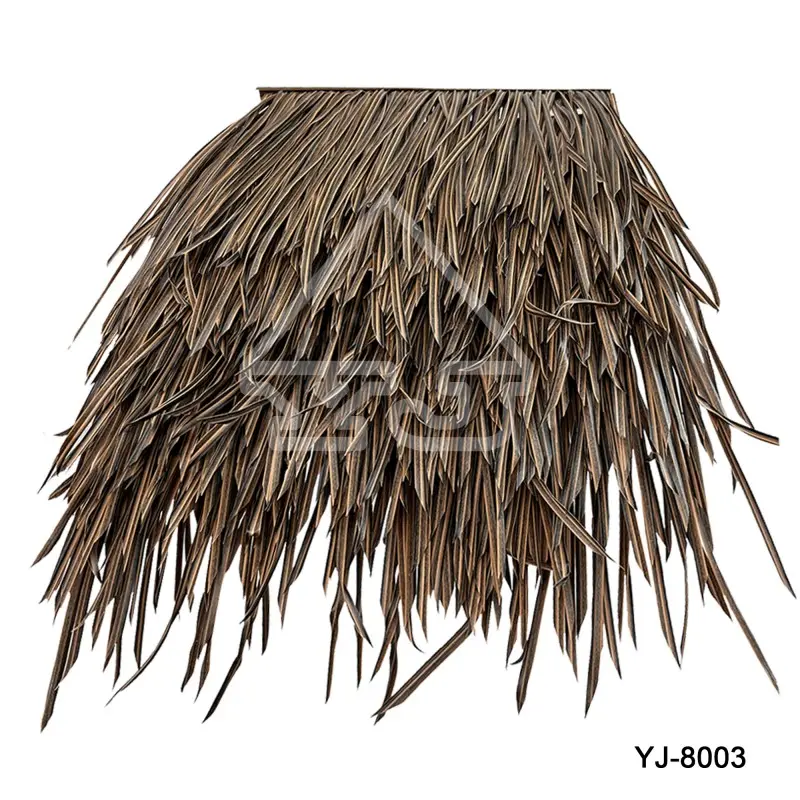
The shift toward modern thatching materials represents a fundamental change in how architects, contractors, and property owners approach cottage construction projects. Traditional natural thatch materials, while historically significant, present numerous challenges including susceptibility to fire, pest infestations, and frequent replacement cycles. Contemporary synthetic thatch roofing alternatives address these concerns while maintaining the authentic visual appeal that makes thatched cottages so desirable in today's market.
Advanced Material Technologies in Thatched Construction
High-Density Polyethylene Innovations
The development of advanced HDPE synthetic thatch roofing materials has revolutionized cottage construction standards for 2025. These engineered materials offer exceptional UV resistance, withstanding tropical climates and harsh weather conditions for extended periods without degradation. Modern HDPE formulations incorporate specialized additives that prevent color fading, maintain structural integrity, and resist thermal expansion that traditionally plagued synthetic roofing materials.
Manufacturing processes for synthetic thatch roofing have evolved to create remarkably realistic textures and color variations that closely mimic natural reed and straw materials. Advanced extrusion techniques produce individual synthetic thatch strands with varying diameters and surface textures, creating depth and authenticity that satisfies even the most discerning architectural standards. These materials undergo rigorous testing protocols to ensure consistent performance across diverse environmental conditions.
Fire-Resistant Coating Systems
Fire safety requirements have become increasingly stringent in cottage construction, driving innovation in flame-retardant synthetic thatch roofing technologies. Modern coating systems provide Class A fire ratings while maintaining the natural appearance that property owners desire. These protective treatments penetrate deep into synthetic thatch fibers, creating a permanent barrier against ignition without compromising flexibility or weather resistance.
Advanced intumescent coatings expand when exposed to high temperatures, creating an insulating char layer that protects underlying synthetic thatch roofing structures. This technology has enabled thatched cottage construction in areas previously restricted due to fire code limitations, opening new markets for traditional-style architecture in suburban and wildfire-prone regions.
Sustainable Construction Practices
Environmental Impact Reduction
Sustainability concerns are driving significant changes in cottage thatched construction approaches for 2025, with synthetic thatch roofing materials offering substantial environmental advantages over traditional harvested materials. The elimination of annual reed harvesting preserves natural wetland ecosystems while reducing transportation emissions associated with sourcing organic thatching materials from distant locations.
Recyclable synthetic thatch roofing systems contribute to circular economy principles, with end-of-life materials being processed into new construction products rather than creating landfill waste. Advanced polymer formulations ensure that synthetic thatch maintains structural integrity throughout extended service lives, reducing replacement frequency and associated environmental impacts of repeated construction activities.
Energy Efficiency Integration
Modern synthetic thatch roofing systems incorporate enhanced insulation properties that exceed traditional natural materials, contributing to improved energy efficiency in cottage construction projects. Specialized foam backing systems and reflective underlayments work in conjunction with synthetic thatch layers to create superior thermal barriers that reduce heating and cooling costs throughout the building's operational life.
Integration with solar panel systems has become increasingly sophisticated, with synthetic thatch roofing manufacturers developing mounting systems that maintain aesthetic continuity while accommodating renewable energy installations. These hybrid approaches enable cottage owners to embrace sustainable technology without compromising the traditional architectural character that defines thatched construction styles.
Installation and Maintenance Innovations
Modular Panel Systems
The introduction of standardized panel systems has transformed synthetic thatch roofing installation processes, reducing labor costs and improving construction timeline predictability. Pre-fabricated panels with integrated mounting systems allow skilled contractors to complete thatched cottage roofs in significantly less time compared to traditional hand-laying methods, making projects more economically viable for a broader range of clients.
Quality control improvements result from factory manufacturing of synthetic thatch roofing panels, ensuring consistent density, color matching, and dimensional accuracy that field installation cannot achieve. Standardized panel dimensions facilitate accurate material estimation and waste reduction, contributing to overall project sustainability and cost effectiveness in cottage construction applications.
Long-Term Performance Monitoring
Advanced warranty programs for synthetic thatch roofing systems now include comprehensive performance monitoring services that track material condition over extended periods. Digital documentation systems record installation details, maintenance schedules, and performance metrics that enable predictive maintenance approaches and extend service life beyond traditional expectations.
Remote sensing technologies integrated into premium synthetic thatch roofing installations provide real-time monitoring of structural integrity, moisture infiltration, and thermal performance. These systems alert property owners to potential issues before they develop into costly repair situations, representing a significant advancement in cottage construction maintenance practices for 2025.
Market Trends and Consumer Preferences
Resort and Hospitality Applications
The hospitality industry has embraced synthetic thatch roofing solutions for tropical resort developments where traditional materials cannot withstand intense UV exposure and seasonal weather patterns. Premium synthetic thatch systems provide the authentic aesthetic appeal that guests expect while delivering the durability and low maintenance requirements that resort operators demand for profitable long-term operations.
Customization capabilities in synthetic thatch roofing manufacturing enable resort developers to specify exact color matches and texture variations that complement specific architectural themes and regional design traditions. This flexibility has expanded the global market for thatched-style construction beyond traditional geographic boundaries, introducing these architectural elements to new cultural contexts and climate zones.
Residential Market Expansion
Growing consumer awareness of synthetic thatch roofing benefits has driven increased adoption in residential cottage construction projects, particularly among homeowners seeking distinctive architectural features with minimal maintenance obligations. Premium synthetic materials now closely replicate regional thatch variations, enabling authentic cottage designs that reflect local building traditions while incorporating modern performance characteristics.
Financing options and insurance considerations have improved significantly for synthetic thatch roofing installations, with many insurers offering reduced premiums for fire-resistant synthetic materials compared to traditional organic thatch. This economic advantage, combined with extended service life warranties, makes synthetic thatch roofing an increasingly attractive option for cottage construction projects across diverse market segments.
Future Development Directions
Smart Integration Technologies
Emerging technologies in synthetic thatch roofing include integrated sensor networks that monitor environmental conditions, structural loads, and material performance in real-time. These smart systems provide valuable data for optimizing building performance, predicting maintenance requirements, and improving future product developments based on actual field performance data from diverse installation environments.
Integration with building automation systems enables synthetic thatch roofing installations to actively contribute to energy management strategies, adjusting thermal properties and ventilation characteristics based on weather conditions and occupancy patterns. This technological evolution positions synthetic thatch as an active building component rather than a passive aesthetic element in modern cottage construction.
Advanced Manufacturing Techniques
Additive manufacturing technologies are beginning to influence synthetic thatch roofing production, enabling complex geometric forms and integrated functional features that traditional extrusion methods cannot achieve. Three-dimensional printing capabilities allow for customized synthetic thatch elements that perfectly match existing architectural details or create entirely new design possibilities for cottage construction applications.
Biomimetic design approaches in synthetic thatch roofing development study natural thatch structures at microscopic levels to replicate beneficial properties while eliminating problematic characteristics. This research-driven approach continues to improve synthetic material performance, appearance, and integration with traditional construction methods used in cottage building projects.
FAQ
How long does synthetic thatch roofing typically last compared to natural materials
Premium synthetic thatch roofing systems typically provide 15-25 years of service life with minimal maintenance, significantly exceeding the 8-12 year lifespan of traditional natural thatch materials. UV-resistant formulations and weather-resistant coatings contribute to extended durability that reduces long-term replacement costs and maintenance requirements for cottage construction projects.
What are the cost considerations for synthetic versus natural thatch installation
While initial material costs for synthetic thatch roofing may be higher than natural alternatives, the total cost of ownership typically favors synthetic materials due to reduced maintenance requirements, extended service life, and lower insurance premiums. Installation labor costs are generally comparable, though modular panel systems can reduce overall construction time and associated expenses.
Can synthetic thatch roofing be installed on existing cottage structures
Yes, synthetic thatch roofing systems can be retrofitted to existing cottage structures with appropriate structural assessment and reinforcement if necessary. The lighter weight of synthetic materials compared to traditional thatch often reduces structural load requirements, making upgrades feasible for older buildings that may not support heavy natural thatch installations.
What maintenance is required for synthetic thatch roofing systems
Synthetic thatch roofing requires minimal maintenance compared to natural materials, typically involving periodic cleaning to remove debris and visual inspections for damage. Most premium synthetic systems are self-cleaning through natural rainfall and resist pest infiltration, mold growth, and decay issues that require frequent attention with traditional thatching materials.
Table of Contents
- Advanced Material Technologies in Thatched Construction
- Sustainable Construction Practices
- Installation and Maintenance Innovations
- Market Trends and Consumer Preferences
- Future Development Directions
-
FAQ
- How long does synthetic thatch roofing typically last compared to natural materials
- What are the cost considerations for synthetic versus natural thatch installation
- Can synthetic thatch roofing be installed on existing cottage structures
- What maintenance is required for synthetic thatch roofing systems