 EN
EN
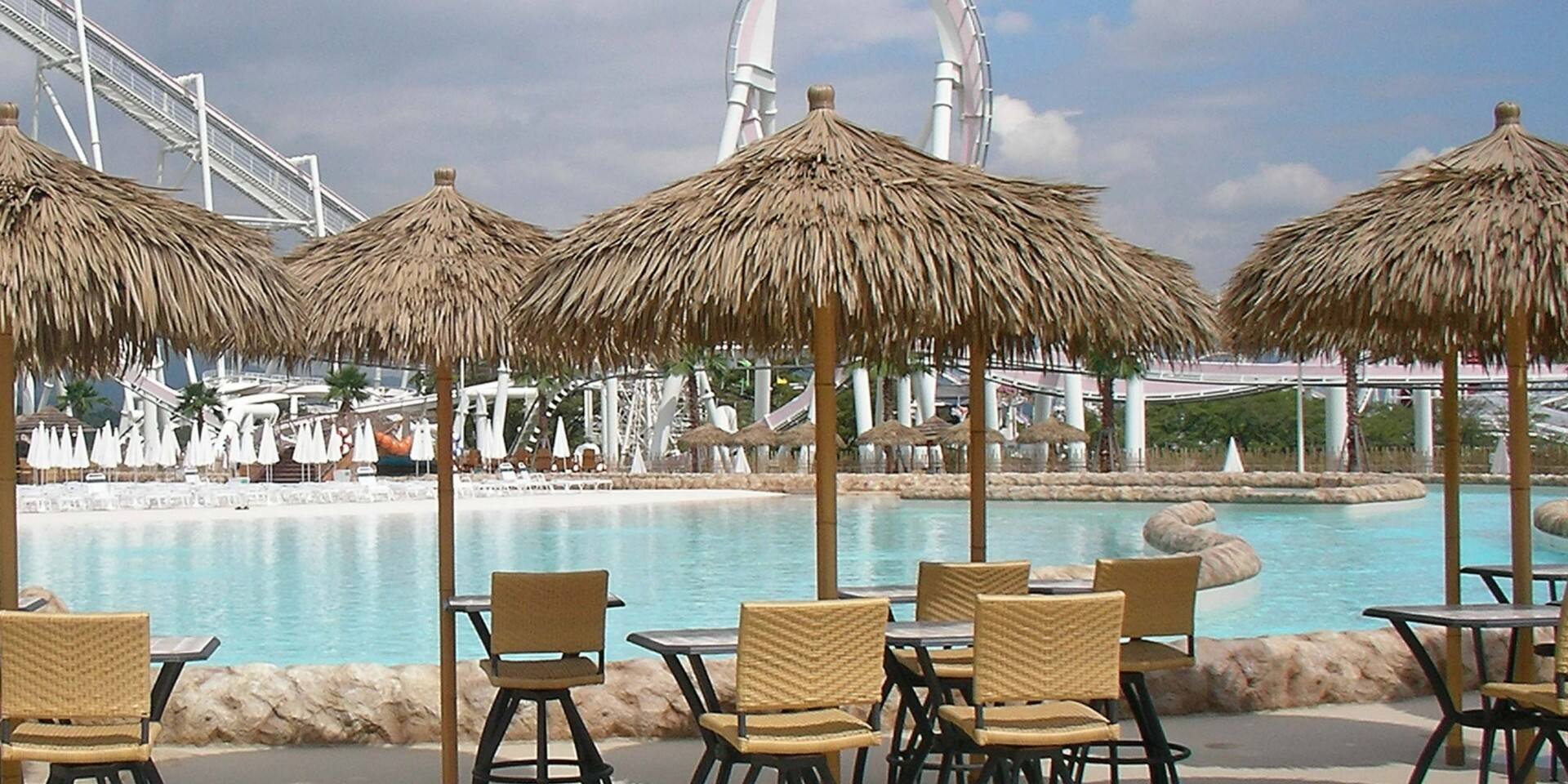
Commercial property developers and architects increasingly turn to alternative roofing solutions that combine aesthetic appeal with long-term durability. The artificial thatch roof has emerged as a compelling option for tropical resorts, entertainment venues, and hospitality projects seeking authentic visual appeal without the maintenance challenges of traditional materials. Understanding the cost-effectiveness of synthetic thatching requires careful analysis of initial investment, operational expenses, and return on investment over the building's lifecycle.
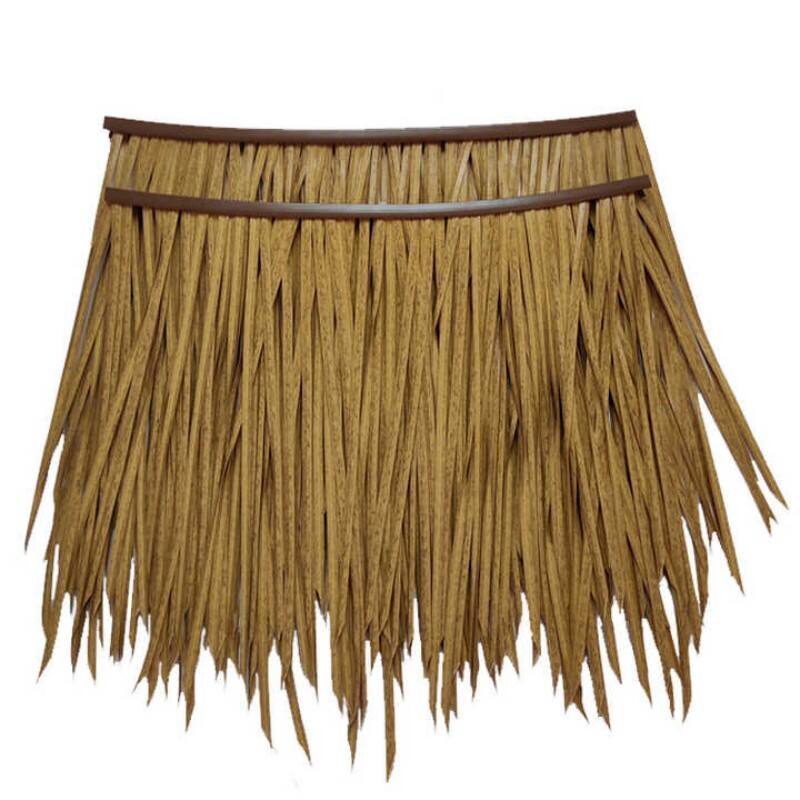
Modern synthetic thatching materials utilize high-density polyethylene and advanced UV-resistant compounds to replicate natural thatch appearance while delivering superior performance characteristics. These engineered solutions address critical concerns including fire resistance, weather durability, and pest prevention that traditional organic materials cannot reliably provide. Commercial projects benefit from predictable installation timelines and standardized quality control measures that reduce project risk and ensure consistent outcomes.
Initial Investment Analysis
Material Costs and Procurement
Evaluating material expenses requires comprehensive comparison between synthetic and natural thatching options. High-quality HDPE synthetic thatch panels typically cost between $12-18 per square foot, depending on panel dimensions, color variations, and flame-retardant specifications. This initial expense represents approximately 40-60% higher investment compared to natural palm or reed thatch materials, yet provides significant value through extended service life and reduced replacement frequency.
Procurement advantages include consistent availability regardless of seasonal harvesting cycles and standardized manufacturing quality that eliminates material variability concerns. Commercial buyers benefit from bulk pricing structures and predictable delivery schedules that facilitate project timeline management. The artificial thatch roof panels offer 15-year UV resistance warranties that provide financial protection against premature degradation in high-exposure environments.
Installation and Labor Requirements
Installation efficiency significantly impacts overall project costs through reduced labor hours and simplified application processes. Synthetic thatch panels feature standardized mounting systems that enable faster installation compared to hand-layered natural materials requiring specialized craftsmanship. Professional installation teams report 30-50% time savings when working with manufactured panels versus traditional thatching techniques.
Labor cost advantages extend beyond initial installation through reduced complexity of waterproofing and structural requirements. Synthetic materials maintain consistent dimensions and weight distribution, allowing engineers to optimize structural support systems and reduce steel or timber requirements. This optimization translates into measurable cost savings across foundation design, framing materials, and construction timeline compression.
Operational Cost Considerations
Maintenance and Repair Expenses
Long-term maintenance represents the most significant cost differential between synthetic and natural thatching systems. Traditional organic thatch requires annual inspection, periodic section replacement, and ongoing pest control treatments that accumulate substantial expenses over the building lifecycle. Professional maintenance contracts for natural thatch typically cost $2-4 per square foot annually, excluding major repair or replacement activities.
Synthetic thatch systems require minimal maintenance intervention beyond periodic cleaning and inspection for mechanical damage. Annual maintenance costs average $0.30-0.60 per square foot, representing an 80-85% reduction compared to natural alternatives. This dramatic cost difference compounds over time, creating substantial operational savings that often exceed the initial material premium within the first five years of operation.
Insurance and Risk Management
Insurance considerations play crucial roles in commercial property cost analysis, particularly for buildings located in fire-prone or extreme weather regions. Flame-retardant synthetic thatch materials typically qualify for reduced insurance premiums compared to combustible natural alternatives. Insurance providers recognize the fire safety advantages of engineered materials that meet building code requirements and provide consistent performance characteristics.
Risk management benefits extend to weather resilience and structural integrity assurance. Synthetic materials resist wind uplift, water infiltration, and UV degradation that commonly affect natural thatch performance. Reduced claim frequency and severity translate into lower insurance costs and improved property insurability for commercial ventures operating in challenging environmental conditions.
Return on Investment Calculation
Lifecycle Cost Analysis
Comprehensive lifecycle analysis reveals the true cost-effectiveness of artificial thatch roofing through systematic evaluation of all expenses from installation through end-of-life disposal. Initial investment premiums typically achieve payback within 4-6 years through reduced maintenance, insurance, and replacement costs. Extended service life projections of 15-20 years provide significant cost advantages compared to natural thatch requiring replacement every 5-8 years.
Net present value calculations demonstrate favorable returns when discount rates account for inflation and opportunity costs. Commercial properties utilizing synthetic thatch report 20-35% lower total ownership costs over 15-year analysis periods. These savings enable property owners to allocate resources toward revenue-generating improvements or operational enhancements rather than ongoing maintenance obligations.
Revenue Impact and Guest Experience
Revenue considerations include guest satisfaction metrics and operational continuity benefits that artificial thatch systems provide. Consistent appearance and weather resistance eliminate service interruptions caused by emergency repairs or seasonal maintenance activities. Hospitality properties report improved guest reviews and reduced complaint frequency when utilizing high-quality synthetic thatching materials.
Marketing advantages include authentic tropical aesthetics without environmental concerns associated with harvesting natural materials. Sustainability-conscious guests appreciate eco-friendly synthetic alternatives that reduce habitat disruption while maintaining desired visual authenticity. These positioning benefits support premium pricing strategies and enhanced market differentiation for commercial hospitality ventures.
Implementation Best Practices
Vendor Selection and Quality Assurance
Successful implementation requires careful vendor evaluation focusing on manufacturing quality, warranty terms, and technical support capabilities. Reputable manufacturers provide detailed installation guidance, structural engineering resources, and responsive customer service throughout the project lifecycle. Quality assurance protocols should include material testing documentation, fire safety certifications, and UV resistance validation.
Vendor partnerships extend beyond material supply to encompass training programs for installation crews and ongoing technical consultation. Established manufacturers offer comprehensive support including design assistance, structural load calculations, and compatibility verification with existing building systems. These services reduce project risk and ensure optimal performance outcomes for commercial applications.
Project Timeline and Coordination
Effective project management coordinates synthetic thatch installation with other construction activities to maximize efficiency and minimize delays. Early material ordering ensures adequate inventory availability while detailed installation sequencing prevents conflicts with electrical, plumbing, or HVAC work. Professional project managers report smoother execution when synthetic thatching occurs after structural completion but before final interior finishing activities.
Weather considerations remain important despite synthetic materials' superior moisture resistance compared to natural alternatives. Installation scheduling should account for wind conditions that affect panel handling and positioning accuracy. Proper planning enables consistent installation quality while maintaining project timeline adherence throughout varying weather conditions.
FAQ
What factors most significantly impact artificial thatch roof cost-effectiveness
The primary cost-effectiveness factors include initial material quality, installation efficiency, maintenance requirements, and insurance considerations. High-quality synthetic materials with extended warranties typically provide superior long-term value despite higher upfront costs. Professional installation and proper maintenance protocols maximize service life and minimize unexpected expenses throughout the building lifecycle.
How does synthetic thatch performance compare to natural materials in extreme weather
Synthetic thatch materials demonstrate superior performance in extreme weather conditions including high winds, heavy rainfall, and intense UV exposure. HDPE construction resists moisture absorption, prevents pest infiltration, and maintains structural integrity during severe weather events. Natural materials require frequent replacement and repair following extreme weather exposure, while synthetic alternatives typically require only minor maintenance intervention.
What warranty coverage should commercial buyers expect for artificial thatch systems
Reputable manufacturers typically provide 10-15 year warranties covering UV resistance, color stability, and structural integrity for commercial applications. Warranty terms should include coverage for manufacturing defects, premature degradation, and fire resistance specifications. Extended warranty options may be available for premium products or large-scale commercial installations requiring additional protection against performance risks.
How do building codes and regulations affect synthetic thatch installation costs
Building code compliance requirements vary by jurisdiction but generally favor synthetic materials that meet fire safety and structural standards. Flame-retardant synthetic thatch typically satisfies commercial building requirements without expensive fire suppression modifications. Local permitting processes may require engineering documentation and material certifications that manufacturers should provide to facilitate approval procedures and minimize regulatory delays.
Table of Contents
- Initial Investment Analysis
- Operational Cost Considerations
- Return on Investment Calculation
- Implementation Best Practices
-
FAQ
- What factors most significantly impact artificial thatch roof cost-effectiveness
- How does synthetic thatch performance compare to natural materials in extreme weather
- What warranty coverage should commercial buyers expect for artificial thatch systems
- How do building codes and regulations affect synthetic thatch installation costs