 EN
EN
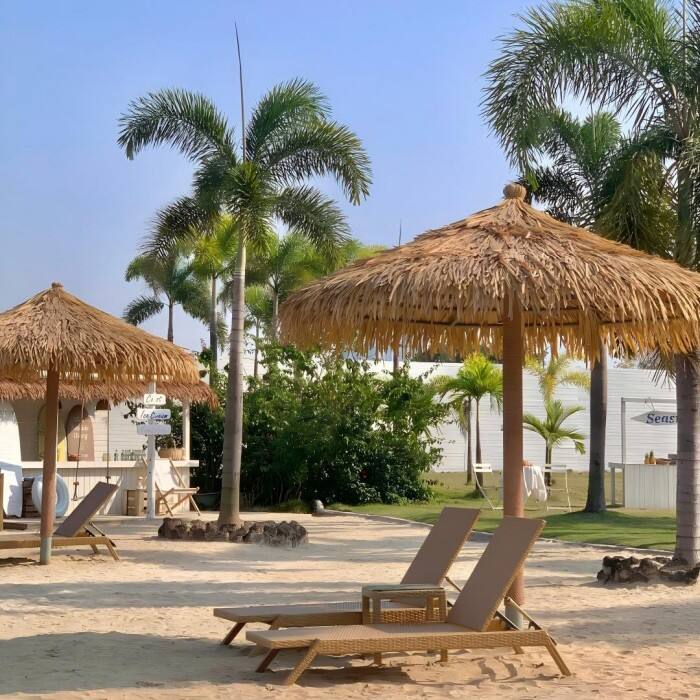
Selecting the right roofing material for commercial projects requires careful consideration of durability, aesthetics, and long-term performance. A synthetic thatch roof offers an ideal solution for businesses seeking the authentic appearance of traditional thatching without the maintenance challenges and fire safety concerns. Modern synthetic alternatives provide exceptional weather resistance while maintaining the distinctive tropical aesthetic that makes properties stand out in competitive hospitality and commercial markets.
Commercial developers and architects increasingly recognize synthetic thatching as a premium roofing solution that combines visual appeal with practical benefits. The material engineering behind quality synthetic thatch products ensures consistent performance across diverse climate conditions while eliminating the pest control issues and fire hazards associated with natural materials. Understanding the key selection criteria helps project managers make informed decisions that deliver both immediate visual impact and long-term operational efficiency.
Material Composition and Manufacturing Standards
Advanced Polymer Technology
High-density polyethylene represents the gold standard in synthetic thatch roof manufacturing, offering superior UV resistance and structural integrity. Premium HDPE formulations incorporate specialized additives that prevent color degradation and material brittleness even under intense tropical sun exposure. The molecular structure of quality HDPE maintains flexibility across temperature variations while providing exceptional tensile strength that withstands severe weather conditions including high winds and heavy rainfall.
Manufacturing processes significantly impact the final product quality, with advanced extrusion techniques creating more realistic textures and improved weather sealing capabilities. Leading manufacturers employ multi-layer production methods that embed UV stabilizers throughout the material rather than applying surface treatments alone. This comprehensive protection ensures that synthetic thatch roofing maintains its appearance and performance characteristics for extended periods without requiring frequent replacement or maintenance interventions.
Fire Resistance Classifications
Commercial applications demand strict adherence to fire safety regulations, making flame-retardant properties a critical selection factor. Quality synthetic thatch materials achieve Class A fire ratings through specialized chemical formulations that resist ignition and limit flame spread. These safety features provide essential protection for high-occupancy commercial buildings while maintaining the desired aesthetic appearance that attracts customers and guests.
Testing certifications from recognized safety organizations validate the fire performance characteristics of synthetic thatch products. Comprehensive fire testing evaluates ignition resistance, flame spread rates, and smoke production under controlled conditions that simulate real-world fire scenarios. Commercial project managers should verify that selected materials meet or exceed local building code requirements while providing documentation for insurance and regulatory compliance purposes.
Durability and Weather Performance
UV Resistance and Color Stability
Extended ultraviolet exposure represents one of the most significant challenges for outdoor roofing materials, particularly in tropical and subtropical commercial locations. Premium synthetic thatch incorporates advanced UV stabilization technology that maintains color consistency and material integrity for fifteen years or longer under continuous sun exposure. This longevity eliminates the frequent replacement cycles required with natural thatching materials while preserving the authentic appearance that defines successful commercial aesthetics.
Accelerated weathering tests provide reliable indicators of long-term performance under various climate conditions. Quality manufacturers subject their products to thousands of hours of simulated UV exposure, temperature cycling, and moisture testing to validate durability claims. These comprehensive testing protocols ensure that synthetic thatch roof installations maintain their visual appeal and structural performance throughout their intended service life without premature degradation or color shifting.
Wind and Storm Resistance
Commercial buildings in coastal and tropical regions face regular exposure to high winds and severe weather events that can compromise inferior roofing systems. Engineered synthetic thatch products feature enhanced attachment systems and improved aerodynamic profiles that reduce wind uplift forces while maintaining secure installation integrity. The flexible nature of quality HDPE materials allows controlled movement during wind events without causing structural damage or creating safety hazards.
Installation techniques significantly influence wind resistance performance, with proper overlap patterns and secure fastening methods creating integrated protective barriers. Professional installation teams understand the importance of consistent panel alignment and appropriate fastener spacing to achieve optimal wind load distribution. Regular inspection protocols help identify potential maintenance needs before weather events while ensuring continued protection for underlying structural components and building occupants.
Installation Considerations and Best Practices
Structural Requirements and Load Calculations
Successful commercial installation begins with accurate structural analysis and load-bearing calculations that account for both the roofing material weight and anticipated environmental loads. Synthetic thatch roof systems typically impose lower structural demands compared to traditional materials while requiring proper support spacing and attachment point distribution. Engineering consultation ensures that existing structures can adequately support the installation without requiring costly reinforcement modifications.
Building code compliance varies significantly between jurisdictions, making local regulation research an essential preliminary step in commercial projects. Many regions have specific requirements for synthetic roofing materials in commercial applications, including fire ratings, wind resistance standards, and installation certification procedures. Early coordination with local building officials helps identify any special requirements or approval processes that could impact project timelines or material selection decisions.
Professional Installation Standards
Certified installation teams bring specialized expertise in synthetic thatch application techniques that ensure optimal performance and longevity. Professional installers understand the importance of proper underlayment selection, ventilation integration, and weather barrier installation that protects underlying structures while maximizing the aesthetic appeal of the finished roof system. Experienced teams also recognize potential problem areas and implement preventive measures that reduce future maintenance requirements.
Quality control procedures during installation include systematic inspection of panel alignment, fastener placement, and overlap consistency that creates uniform appearance and reliable weather protection. Documentation of installation processes provides valuable reference information for future maintenance activities while supporting warranty claims if performance issues arise. Professional installation typically includes comprehensive cleanup procedures that protect surrounding landscaping and building areas from construction debris and material waste.
Cost Analysis and Return on Investment
Initial Investment Considerations
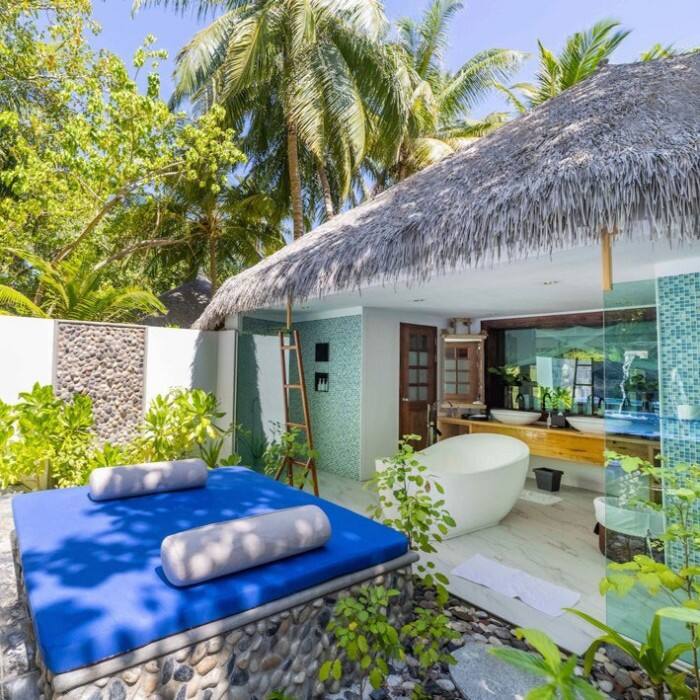
Commercial synthetic thatch roofing represents a significant upfront investment that delivers substantial long-term value through reduced maintenance costs and extended service life. Initial material costs typically exceed conventional roofing options but provide immediate aesthetic benefits that enhance property value and customer appeal. The distinctive appearance of quality synthetic thatch can differentiate commercial properties in competitive markets while supporting premium pricing strategies for hospitality and retail businesses.
Installation costs vary based on project complexity, building height, and regional labor rates but generally remain competitive with other premium roofing systems. Professional installation ensures optimal performance and warranty coverage while reducing the risk of costly repairs or premature replacement. Comprehensive project budgets should include provisions for proper structural preparation and any necessary building modifications to support the new roofing system effectively.
Long-Term Operational Savings
Maintenance cost reductions represent a significant financial advantage of synthetic thatch roof systems compared to natural alternatives. Elimination of pest control treatments, fire prevention measures, and frequent replacement cycles creates substantial operational savings that accumulate over the system's service life. Quality synthetic materials require minimal ongoing maintenance beyond periodic cleaning and inspection, reducing both direct costs and operational disruption for commercial businesses.
Insurance benefits often accompany synthetic thatch installations due to improved fire safety ratings and reduced maintenance-related risks. Many commercial insurance providers offer premium reductions for properties with fire-resistant roofing materials and comprehensive maintenance programs. These ongoing savings contribute to the overall return on investment while providing enhanced safety protection for building occupants and business operations.
FAQ
How long does a synthetic thatch roof last in commercial applications
Quality synthetic thatch roofing systems typically provide fifteen to twenty-five years of reliable service in commercial applications when properly installed and maintained. The actual service life depends on climate conditions, installation quality, and material specifications, with premium HDPE products offering the longest durability. Regular inspection and minimal maintenance help maximize the system's lifespan while preserving its aesthetic appeal throughout its service period.
What building codes apply to synthetic thatch in commercial projects
Commercial synthetic thatch installations must comply with local building codes regarding fire safety, wind resistance, and structural load requirements. Most jurisdictions require Class A fire ratings for commercial roofing materials along with proper installation by certified contractors. Project managers should consult with local building officials early in the planning process to identify specific requirements and obtain necessary permits for synthetic thatch roof installations.
Can synthetic thatch be installed over existing commercial roofing
Installation over existing roofing depends on the structural capacity of the building and the condition of the current system. Many commercial applications require complete removal of old materials to ensure proper attachment and ventilation for the new synthetic thatch system. Professional structural evaluation determines whether existing supports can handle additional loads while maintaining code compliance and warranty coverage for the new installation.
What maintenance is required for commercial synthetic thatch roofing
Commercial synthetic thatch requires minimal maintenance consisting primarily of periodic cleaning and annual inspections to identify any damage or wear issues. Power washing removes accumulated debris and maintains the material's appearance while inspection identifies potential problems before they require expensive repairs. Unlike natural materials, synthetic thatch roof systems do not require pest control treatments, fire retardant applications, or frequent replacement of deteriorated sections.