 EN
EN
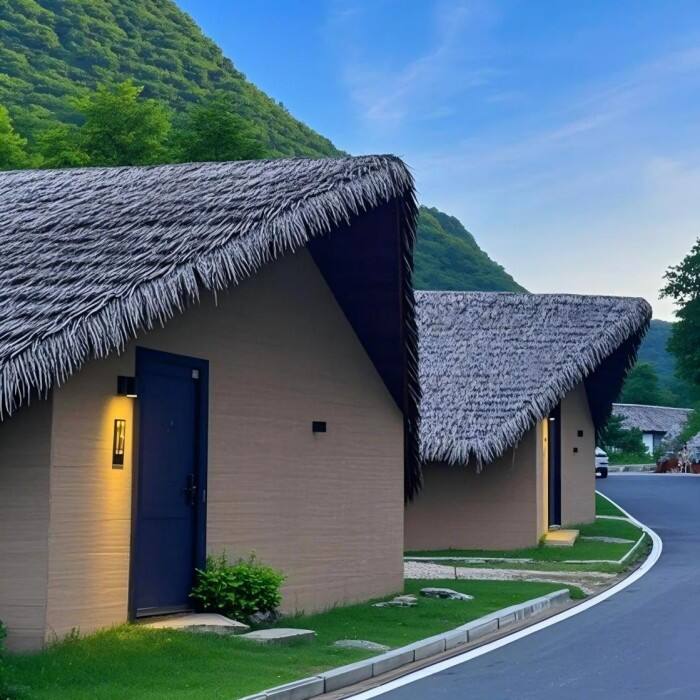
The selection of materials in synthetic thatch manufacturing plays a crucial role in determining both the longevity and aesthetic appeal of these roofing solutions. Modern synthetic thatch products have revolutionized the construction industry by offering durable alternatives to traditional natural materials while maintaining authentic visual characteristics. Understanding how different material compositions impact performance helps architects, contractors, and property owners make informed decisions for their projects.
Material selection directly influences weather resistance, color retention, fire safety, and overall structural integrity. Premium materials ensure that synthetic thatch maintains its appearance and protective qualities throughout extended exposure to harsh environmental conditions. The investment in superior materials typically results in reduced maintenance costs and enhanced property value over time.
Primary Material Types in Synthetic Thatch Construction
High-Density Polyethylene (HDPE) Applications
High-density polyethylene represents one of the most popular material choices for synthetic thatch production due to its exceptional durability characteristics. HDPE offers superior resistance to ultraviolet radiation, moisture penetration, and temperature fluctuations. This material maintains structural integrity even under extreme weather conditions, making it ideal for coastal and tropical environments.
The molecular structure of HDPE provides excellent flexibility while retaining strength, allowing synthetic thatch panels to withstand wind loads without cracking or breaking. Additionally, HDPE materials can be manufactured in various colors and textures that closely mimic natural palm fronds or reed materials. The non-porous nature of HDPE prevents water absorption, eliminating concerns about mold, mildew, or rot development.
Polypropylene Fiber Integration
Polypropylene fibers are frequently incorporated into synthetic thatch products to enhance texture authenticity and improve overall performance characteristics. These lightweight fibers provide natural movement and flexibility that resembles organic thatching materials. Polypropylene exhibits excellent chemical resistance and maintains color stability under prolonged sun exposure.
The integration of polypropylene fibers creates dimensional depth and visual interest that distinguishes high-quality synthetic thatch from inferior alternatives. These fibers can be treated with additional UV stabilizers and flame retardants to meet specific building code requirements. The combination of polypropylene with base polymer materials results in products that offer both aesthetic appeal and functional performance.
Durability Factors Influenced by Material Selection
UV Resistance and Color Stability
Ultraviolet radiation poses the greatest long-term threat to synthetic thatch materials, causing degradation, brittleness, and color fading over time. Premium material formulations incorporate advanced UV stabilizer packages that protect against photochemical breakdown. These stabilizers work by absorbing harmful UV wavelengths and converting them into harmless heat energy.
Color stability directly correlates with the quality of pigments and UV protection systems used in material production. High-grade synthetic thatch products maintain their original appearance for fifteen years or more without significant fading or discoloration. The choice of colorfast pigments and stabilizer concentrations determines whether synthetic thatch will retain its aesthetic appeal throughout its service life.
Thermal Expansion and Contraction Management
Material selection significantly impacts how synthetic thatch responds to temperature variations throughout daily and seasonal cycles. Different polymer materials exhibit varying coefficients of thermal expansion, which affects dimensional stability and joint integrity. Advanced material formulations minimize thermal movement to prevent gaps, buckling, or stress concentrations.
Engineering-grade materials incorporate thermal stabilizers and impact modifiers that maintain flexibility across wide temperature ranges. This flexibility prevents cracking during cold weather while maintaining structural integrity during hot conditions. Proper material selection ensures that synthetic thatch installations remain weatherproof and visually consistent regardless of climate variations.
Aesthetic Considerations in Material Development
Natural Texture Replication Techniques
Advanced manufacturing techniques allow material scientists to create synthetic thatch products that closely replicate the appearance of natural materials. Surface texturing processes impart realistic grain patterns, color variations, and dimensional characteristics that mirror organic thatching materials. These texturing methods require specific material properties to achieve authentic visual results.
Material selection influences the effectiveness of texturing processes and the durability of surface features. Softer materials may achieve better texture definition but could wear more quickly under environmental stress. Conversely, harder materials provide better durability but may require specialized processing techniques to achieve realistic surface characteristics. Optimal material formulations balance texture authenticity with long-term appearance retention.
Color Matching and Variation Strategies
Natural thatching materials exhibit subtle color variations and weathering patterns that contribute to their authentic appearance. Synthetic thatch manufacturers employ sophisticated coloring techniques to replicate these natural characteristics while maintaining consistency across production batches. Material selection plays a crucial role in achieving and maintaining these color effects.
Multi-layer coloring systems and specialized pigment blends create depth and variation that prevents synthetic thatch from appearing uniform or artificial. The base material must be compatible with various colorants while providing a stable foundation for complex color schemes. Premium materials allow for intricate color development that enhances the overall aesthetic appeal of synthetic thatch installations.
Performance Testing and Quality Assurance
Accelerated Weathering Protocols
Material quality assessment relies heavily on standardized testing protocols that simulate years of environmental exposure in compressed timeframes. Accelerated weathering tests expose material samples to intense UV radiation, temperature cycling, and moisture conditions that exceed normal environmental stresses. These tests reveal how material choices affect long-term performance characteristics.
Testing results guide material selection decisions and formulation improvements for enhanced durability. Premium synthetic thatch materials consistently demonstrate superior performance in accelerated aging tests, maintaining structural integrity and appearance characteristics throughout extended test cycles. Understanding test results helps specifiers choose materials appropriate for specific environmental conditions and performance requirements.
Fire Resistance and Safety Compliance
Building codes increasingly require synthetic thatch materials to meet specific fire resistance standards, particularly for commercial and hospitality applications. Material selection directly influences flammability characteristics and compliance with safety regulations. Flame retardant additives and inherently fire-resistant polymers provide different levels of protection and performance.
Advanced synthetic thatch formulations incorporate flame retardant systems that maintain effectiveness throughout the product lifecycle. These systems must be compatible with base materials without compromising other performance characteristics such as UV resistance or mechanical strength. Proper material selection ensures that fire safety requirements are met while maintaining aesthetic and durability standards.
Environmental Impact and Sustainability
Recyclability and End-of-Life Considerations
Modern synthetic thatch materials are increasingly designed with end-of-life recyclability in mind, reducing environmental impact and supporting sustainable construction practices. Material selection affects recyclability potential and compatibility with existing recycling infrastructure. Single-polymer systems generally offer better recycling prospects than complex composite materials.
Sustainable material choices consider both performance requirements and environmental responsibility throughout the product lifecycle. Recyclable materials reduce waste generation while maintaining the durability and appearance characteristics required for successful synthetic thatch applications. Forward-thinking manufacturers prioritize materials that support circular economy principles without compromising product quality.
Manufacturing Process Efficiency
Material selection influences manufacturing efficiency, energy consumption, and waste generation during production processes. Advanced materials may require specialized processing conditions but can result in superior product characteristics and reduced material consumption. Efficient manufacturing processes contribute to overall sustainability while maintaining cost competitiveness.
Optimized material formulations enable streamlined production methods that minimize energy requirements and material waste. These efficiencies translate into environmental benefits and cost savings that can be passed along to end users. Sustainable manufacturing practices become increasingly important as environmental regulations and market demands evolve.
FAQ
How long do different synthetic thatch materials typically last
Premium synthetic thatch materials such as UV-stabilized HDPE can maintain their appearance and structural integrity for 15-25 years depending on environmental conditions and installation quality. Lower-grade materials may show signs of degradation within 5-10 years, making material selection crucial for long-term performance. Regular maintenance and proper installation techniques can extend service life regardless of material type.
What factors should be considered when selecting synthetic thatch materials for coastal environments
Coastal installations require materials with enhanced UV resistance, salt spray tolerance, and wind load capacity. HDPE-based synthetic thatch with marine-grade UV stabilizers performs exceptionally well in these conditions. Additionally, materials should demonstrate resistance to thermal cycling and maintain flexibility to accommodate structural movement during high wind events.
How do material costs relate to long-term value in synthetic thatch applications
While premium materials require higher initial investment, they typically provide superior long-term value through extended service life, reduced maintenance requirements, and better appearance retention. Lower-cost materials may require replacement or refinishing within 5-10 years, while premium options can maintain their appearance for decades. Total cost of ownership calculations should include material costs, installation expenses, and long-term maintenance requirements.
Can synthetic thatch materials be customized for specific aesthetic requirements
High-quality synthetic thatch materials can be customized in terms of color, texture, and dimensional characteristics to match specific design requirements. Advanced manufacturing techniques allow for custom color matching, texture variations, and even specialized shapes or sizes. Material selection affects customization possibilities, with some polymers offering greater flexibility for modification than others.
Table of Contents
- Primary Material Types in Synthetic Thatch Construction
- Durability Factors Influenced by Material Selection
- Aesthetic Considerations in Material Development
- Performance Testing and Quality Assurance
- Environmental Impact and Sustainability
-
FAQ
- How long do different synthetic thatch materials typically last
- What factors should be considered when selecting synthetic thatch materials for coastal environments
- How do material costs relate to long-term value in synthetic thatch applications
- Can synthetic thatch materials be customized for specific aesthetic requirements