 EN
EN
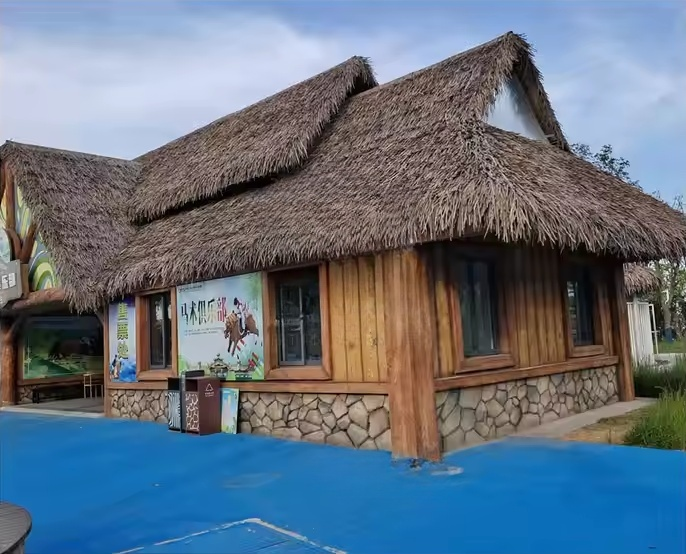
Ensuring longevity and strength in artificial thatch roof installations requires understanding the critical factors that determine performance over decades of exposure to harsh environmental conditions. Unlike traditional thatch materials that deteriorate rapidly, modern synthetic alternatives demand specific installation practices and material considerations to achieve their full potential. The success of an artificial thatch roof system depends on proper material selection, precise installation techniques, and ongoing maintenance protocols that address the unique characteristics of synthetic roofing materials.
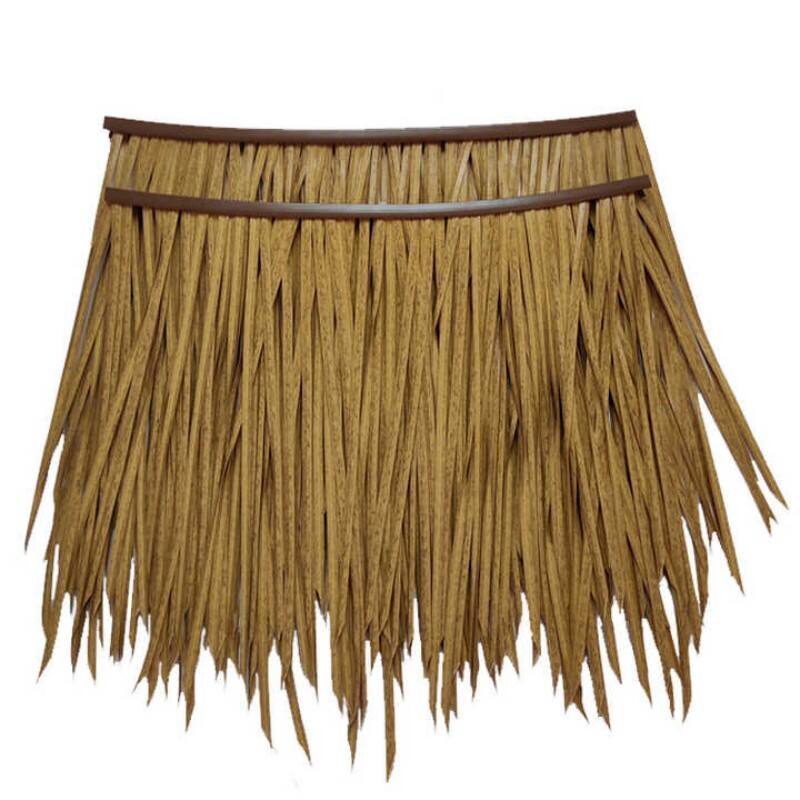
The structural integrity and aesthetic appeal of artificial thatch roofing systems can be preserved for fifteen years or more when proper installation and maintenance procedures are followed. Commercial properties, resorts, and residential applications all benefit from understanding how material composition, environmental factors, and installation quality directly impact the long-term performance of synthetic thatch systems. This comprehensive approach to artificial thatch roof installation ensures maximum return on investment while maintaining the desired tropical aesthetic throughout the material's extended service life.
Material Quality Standards for Long-Term Performance
HDPE Composition and UV Resistance Properties
High-density polyethylene forms the foundation of premium artificial thatch roof materials, providing exceptional resistance to environmental degradation while maintaining structural integrity under stress. The molecular structure of HDPE enables superior flexibility without compromising tensile strength, allowing synthetic thatch panels to withstand thermal expansion and contraction cycles that would damage inferior materials. Advanced UV stabilizers integrated during the manufacturing process protect the polymer chains from photodegradation, ensuring color retention and material properties remain stable throughout extended exposure periods.
Quality HDPE artificial thatch roof systems incorporate specialized additives that enhance weather resistance beyond standard outdoor applications. These formulations include impact modifiers that prevent cracking under sudden temperature changes, antioxidants that slow oxidative degradation, and flame retardants that meet commercial building codes. The combination of these protective elements creates a synthetic roofing material that maintains its original appearance and performance characteristics for decades, even in challenging tropical environments with intense UV radiation and frequent precipitation.
Testing standards for artificial thatch roof materials should include accelerated weathering protocols that simulate years of exposure in compressed timeframes. Reputable manufacturers provide documentation showing material performance under standardized testing conditions, including UV exposure equivalent to fifteen years of outdoor service. These test results demonstrate the material's ability to resist fading, embrittlement, and structural degradation that would compromise roof integrity over time.
Structural Reinforcement and Panel Design
The internal structure of artificial thatch roof panels determines their ability to resist wind loads, impact damage, and thermal stress without compromising the installation's overall integrity. Advanced panel designs incorporate reinforcing ribs and strategic thickness variations that distribute stress across the entire surface area, preventing localized failure points that could propagate into larger structural problems. The geometry of individual synthetic strands within each panel must balance flexibility with rigidity to achieve natural movement while maintaining dimensional stability.
Panel interconnection systems play a crucial role in creating a unified artificial thatch roof surface that functions as a cohesive structural unit. High-quality synthetic thatch panels feature engineered overlap zones and mechanical fastening points that create redundant load paths throughout the entire roof system. These design elements ensure that localized stress concentrations are distributed across multiple panels, preventing individual component failures from compromising overall roof performance during severe weather events.
Edge treatments and perimeter details require special attention in artificial thatch roof installations to prevent moisture infiltration and wind uplift at vulnerable transition points. Properly designed panel systems include integrated flashing components and sealing mechanisms that maintain weatherproof integrity while accommodating the natural movement of synthetic materials under varying temperature conditions. These engineering considerations are essential for achieving the long-term durability that distinguishes professional installations from amateur attempts.
Installation Techniques for Maximum Durability
Substrate Preparation and Structural Requirements
Proper substrate preparation forms the foundation for successful artificial thatch roof installations that maintain structural integrity and appearance quality throughout their service life. The underlying roof deck must provide adequate structural support to handle both the dead load of the synthetic thatch materials and the live loads imposed by wind, maintenance activities, and occasional debris accumulation. Structural engineers should verify that existing roof framing can accommodate the additional weight and wind resistance characteristics of artificial thatch roof systems before installation begins.
Moisture management beneath the artificial thatch roof requires careful attention to vapor barriers, ventilation pathways, and drainage systems that prevent condensation buildup and water damage to structural components. The synthetic nature of artificial thatch materials creates different thermal and moisture dynamics compared to traditional roofing systems, necessitating modified ventilation strategies that account for reduced breathability. Proper vapor barrier installation and strategic ventilation openings ensure that moisture cannot accumulate beneath the synthetic thatch layer where it could cause structural deterioration over time.
Surface preparation includes thorough cleaning of the existing roof deck and application of appropriate primers or sealers that enhance adhesion between the substrate and artificial thatch roof attachment points. Any existing roofing materials must be removed or properly prepared to provide a stable, clean surface for the new installation. Gaps, holes, or irregularities in the substrate should be repaired using compatible materials that will not create differential movement or stress concentrations that could affect the overlying synthetic thatch panels.
Fastening Systems and Attachment Methods
Mechanical fastening systems for artificial thatch roof installations must account for the thermal expansion characteristics of synthetic materials while providing secure attachment that resists wind uplift forces. Stainless steel or specially coated fasteners prevent corrosion that could weaken attachment points over time, while oversized washers distribute fastening loads across larger areas of the panel material. The spacing and pattern of fasteners should follow manufacturer specifications that have been validated through structural testing and field experience with similar installations.
Adhesive bonding systems supplement mechanical fastening in critical areas where additional security is required for artificial thatch roof panels exposed to extreme weather conditions. Structural adhesives formulated for outdoor use provide secondary attachment that prevents panel separation even if primary fasteners experience loosening due to thermal cycling or structural movement. The combination of mechanical and adhesive attachment creates redundant security that ensures panel retention throughout the expected service life of the installation.
Installation sequencing affects the overall quality and durability of artificial thatch roof systems by determining how panels interact with each other and with the underlying structure. Starting installations from the lowest point and working upward ensures proper water shedding and prevents moisture infiltration at panel joints. Each row of panels must be properly aligned and secured before proceeding to the next level, allowing installers to verify fit and finish quality before committing to the final configuration.
Weather Sealing and Waterproofing Integration
Waterproofing integration between artificial thatch roof panels and conventional roofing systems requires specialized flashing techniques that accommodate the unique profile and drainage characteristics of synthetic thatch materials. Traditional flashing methods may not provide adequate protection at transition points where the textured surface of artificial thatch meets smooth roofing materials or building components. Custom flashing profiles and sealing compounds designed for synthetic thatch applications ensure weatherproof performance at these critical interface locations.
Panel joint sealing utilizes weather-resistant compounds that remain flexible throughout temperature extremes while maintaining adhesion to synthetic thatch materials. The sealing system must prevent water infiltration without restricting the natural thermal movement of artificial thatch roof panels that occurs during daily heating and cooling cycles. High-quality sealants maintain their properties for years without cracking, shrinking, or losing adhesion that would create pathways for moisture penetration.
Drainage considerations include the design of gutters, downspouts, and overflow systems that effectively manage water runoff from artificial thatch roof surfaces without creating hydrostatic pressure that could compromise panel attachment or structural integrity. The synthetic nature of artificial thatch materials creates different water flow patterns compared to traditional roofing, requiring modified drainage calculations and system sizing to handle peak flow rates during heavy precipitation events.
Environmental Resistance and Protection Strategies
UV Protection and Color Stability Measures
UV protection strategies for artificial thatch roof systems extend beyond the inherent UV stabilizers incorporated during manufacturing to include installation practices and maintenance procedures that minimize photodegradation throughout the material's service life. Proper orientation of synthetic thatch panels can reduce direct UV exposure to the most vulnerable surfaces, while strategic use of overhangs and architectural features provides additional shading during peak sun exposure periods. These design considerations work in conjunction with material-based protection to maximize color retention and structural integrity over decades of service.
Color stability in artificial thatch roof installations depends on uniform UV exposure across all panel surfaces to ensure consistent aging and appearance retention throughout the entire roof system. Uneven shading from nearby structures, vegetation, or roof equipment can create differential fading patterns that affect the aesthetic quality of the installation over time. Regular monitoring and adjustment of potential shading sources helps maintain uniform exposure conditions that promote even aging and color retention across the entire synthetic thatch surface.
Advanced UV protection treatments can be applied during routine maintenance to enhance the existing protection levels in artificial thatch roof materials that have been in service for several years. These protective coatings penetrate the surface of synthetic thatch panels to provide additional UV blocking while refreshing the original appearance of the material. Application of these treatments during scheduled maintenance intervals can significantly extend the effective service life of artificial thatch roof installations beyond their original design parameters.
Thermal Management and Expansion Control
Thermal management in artificial thatch roof systems requires understanding how synthetic materials respond to temperature variations and designing installation details that accommodate thermal movement without creating stress concentrations or joint failures. The coefficient of thermal expansion for HDPE materials differs significantly from traditional roofing materials, necessitating specialized expansion joints and flexible connections that maintain weatherproof integrity throughout daily and seasonal temperature cycles. These design considerations prevent thermal stress from accumulating in ways that could compromise long-term structural performance.
Ventilation strategies beneath artificial thatch roof systems help moderate temperature extremes by promoting air circulation that reduces heat buildup during intense sun exposure. Proper ventilation design prevents the synthetic thatch materials from reaching temperatures that could accelerate aging processes or cause dimensional instability. The ventilation system must balance thermal control with moisture management to create optimal conditions for long-term material performance without introducing condensation problems or structural complications.
Heat reflection properties of artificial thatch roof materials can be enhanced through surface treatments or color selection that reduces solar heat gain while maintaining the desired aesthetic appearance. Light-colored synthetic thatch formulations reflect more solar energy than darker alternatives, reducing thermal stress and extending material life in high-temperature environments. These thermal management strategies work together to create installation conditions that support maximum longevity and performance throughout the expected service life of the roofing system.
Wind Resistance and Storm Protection
Wind resistance engineering for artificial thatch roof installations involves both aerodynamic considerations and structural attachment methods that prevent panel separation or damage during severe weather events. The textured surface profile of synthetic thatch materials creates complex airflow patterns that can generate significant uplift forces if not properly managed through installation design and panel spacing. Engineering analysis of these aerodynamic effects ensures that attachment systems provide adequate resistance to prevent failure during design wind speeds for the installation location.
Storm protection measures include regular inspection and maintenance of attachment points, sealing systems, and panel conditions that could affect wind resistance performance over time. Loose fasteners, damaged panels, or compromised sealing compounds can create failure initiation points that allow wind forces to progressively damage larger areas of the artificial thatch roof system. Proactive maintenance addressing these vulnerability factors prevents minor issues from escalating into major structural problems during subsequent storm events.
Impact resistance of artificial thatch roof materials determines their ability to survive hail, wind-blown debris, and maintenance-related activities without sustaining damage that could compromise long-term performance. Quality synthetic thatch panels incorporate impact-resistant formulations and structural designs that absorb and distribute impact energy without cracking or puncturing. Regular inspection following severe weather events helps identify any damage that requires immediate attention to prevent further deterioration or water infiltration problems.
Maintenance Protocols for Extended Service Life
Preventive Inspection and Cleaning Procedures
Preventive maintenance programs for artificial thatch roof systems focus on early identification and correction of conditions that could accelerate material degradation or compromise structural integrity if left unaddressed. Regular inspection schedules should include detailed examination of panel attachment points, joint sealing integrity, and surface condition changes that indicate the need for corrective action. Professional inspection services can identify subtle signs of wear or damage that might not be apparent to untrained observers but could lead to significant problems if not addressed promptly.
Cleaning procedures for artificial thatch roof installations must balance effective debris removal with protection of the synthetic material surface from damage caused by aggressive cleaning methods. Pressure washing techniques require careful pressure and nozzle selection to remove accumulated dirt and organic matter without damaging the textured surface or forcing water beneath panel joints. Gentle cleaning approaches using soft brushes and mild detergents often provide better long-term results than high-pressure methods that could compromise surface integrity over repeated applications.
Organic growth prevention involves both design strategies and maintenance practices that discourage moss, algae, and other biological organisms from establishing themselves on artificial thatch roof surfaces. While synthetic materials are inherently resistant to biological attack, accumulated debris and moisture can create conditions that support unwanted growth. Regular cleaning and application of appropriate biocides when necessary help maintain the clean appearance and surface integrity that characterize well-maintained artificial thatch roof installations.
Repair Techniques and Component Replacement
Repair techniques for damaged artificial thatch roof components focus on restoring both structural integrity and aesthetic continuity while maintaining the weatherproofing performance of the overall system. Individual panel replacement procedures must account for the interconnected nature of synthetic thatch installations, ensuring that new components integrate seamlessly with existing materials without creating stress concentrations or appearance discontinuities. Proper repair techniques often involve replacing multiple panels to achieve smooth transitions and uniform load distribution across the affected area.
Component replacement scheduling should prioritize areas showing signs of advanced wear or damage while considering the logistical advantages of addressing multiple repair needs during single maintenance events. Coordinated replacement activities reduce disruption to building occupants while ensuring that repair work maintains consistent quality and appearance standards throughout the artificial thatch roof system. Strategic timing of replacement work can also take advantage of favorable weather conditions and material availability to optimize cost-effectiveness and installation quality.
Documentation of repair activities provides valuable information for optimizing future maintenance schedules and identifying patterns of wear or damage that could indicate systematic problems requiring broader corrective action. Detailed records of component replacement, repair techniques used, and material sources help building owners make informed decisions about long-term maintenance strategies and budget planning for future artificial thatch roof system needs. This historical information becomes increasingly valuable as installations age and require more frequent attention to maintain optimal performance.
FAQ
How long can a properly installed artificial thatch roof system last?
A properly installed artificial thatch roof system using high-quality HDPE materials can maintain its structural integrity and appearance for 15-20 years or more with appropriate maintenance. The actual service life depends on factors including material quality, installation workmanship, environmental conditions, and maintenance consistency. Systems installed in harsh tropical environments with intense UV exposure may require more frequent maintenance but can still achieve extended service lives when proper materials and techniques are used.
What are the most critical factors affecting artificial thatch roof longevity?
The most critical factors include material quality and UV resistance properties, proper substrate preparation and structural support, correct fastening and attachment methods, effective weather sealing, and consistent preventive maintenance. Environmental factors such as UV exposure intensity, temperature extremes, wind loads, and precipitation patterns also significantly influence longevity. Installation quality and adherence to manufacturer specifications are equally important for achieving maximum service life from artificial thatch roof systems.
How often should artificial thatch roof systems be inspected for maintenance needs?
Artificial thatch roof systems should receive comprehensive professional inspections at least annually, with additional inspections following severe weather events or when performance issues are suspected. Regular visual inspections by building maintenance staff can identify obvious problems between professional evaluations. High-exposure installations or systems in challenging environments may benefit from semi-annual professional inspections to catch potential issues before they become significant problems requiring extensive repairs.
Can artificial thatch roof panels be repaired individually without replacing entire sections?
Individual artificial thatch roof panels can often be repaired or replaced without disturbing large sections of the installation, depending on the specific panel design and attachment system used. However, achieving seamless appearance integration and maintaining structural continuity may require replacing multiple adjacent panels to ensure proper load distribution and aesthetic consistency. The repair approach should always prioritize long-term system integrity over short-term cost savings to maintain overall installation quality and performance.
Table of Contents
- Material Quality Standards for Long-Term Performance
- Installation Techniques for Maximum Durability
- Environmental Resistance and Protection Strategies
- Maintenance Protocols for Extended Service Life
-
FAQ
- How long can a properly installed artificial thatch roof system last?
- What are the most critical factors affecting artificial thatch roof longevity?
- How often should artificial thatch roof systems be inspected for maintenance needs?
- Can artificial thatch roof panels be repaired individually without replacing entire sections?