 EN
EN
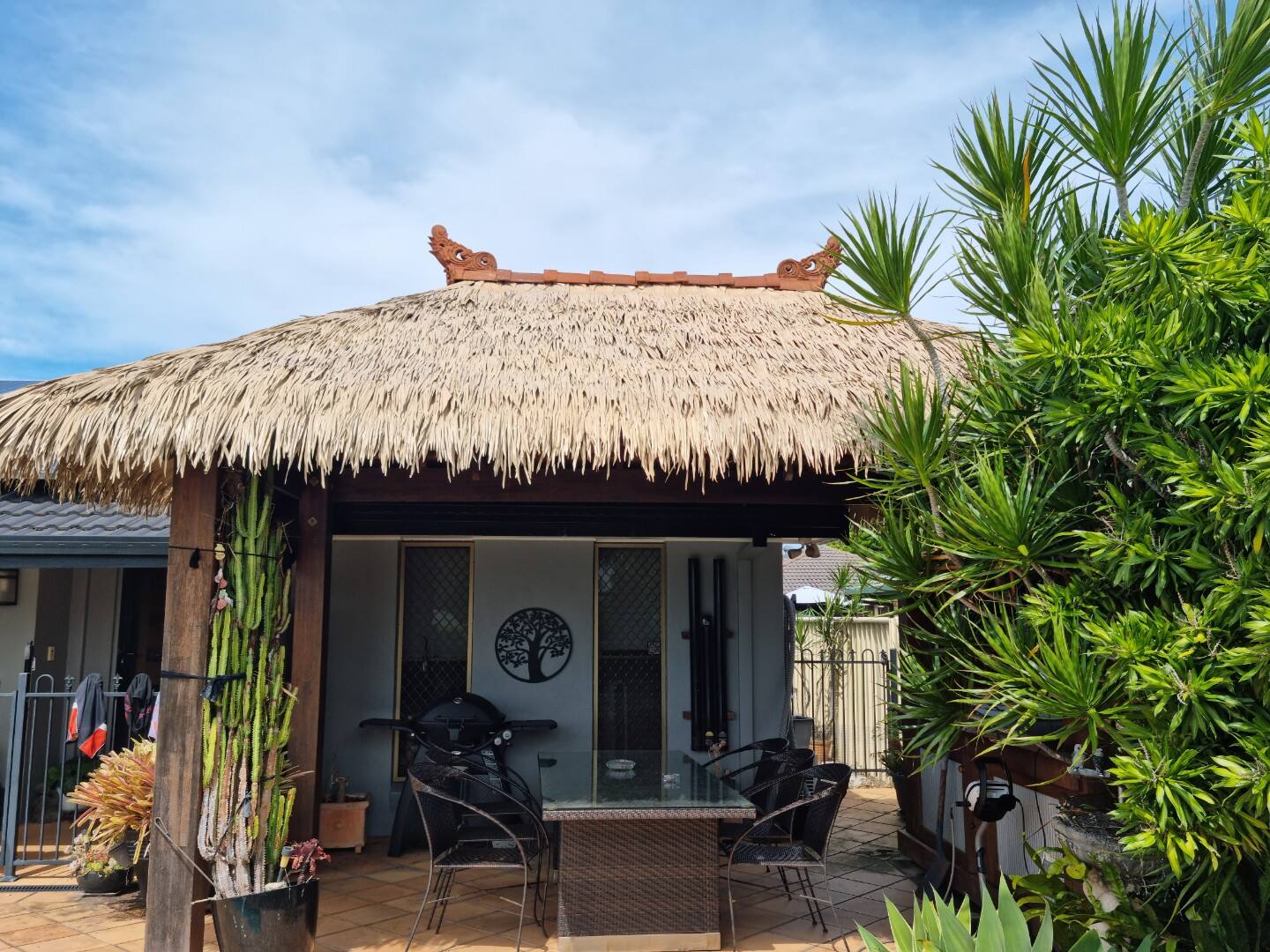
Integrating an artificial thatch roof into green building design represents a sophisticated approach to sustainable construction that balances environmental responsibility with aesthetic appeal. This modern roofing solution allows architects and builders to achieve the timeless, natural appearance of traditional thatching while meeting contemporary green building standards and certification requirements. The artificial thatch roof provides exceptional design flexibility, enabling seamless integration with solar systems, green walls, and other sustainable building elements that define modern eco-friendly construction projects.
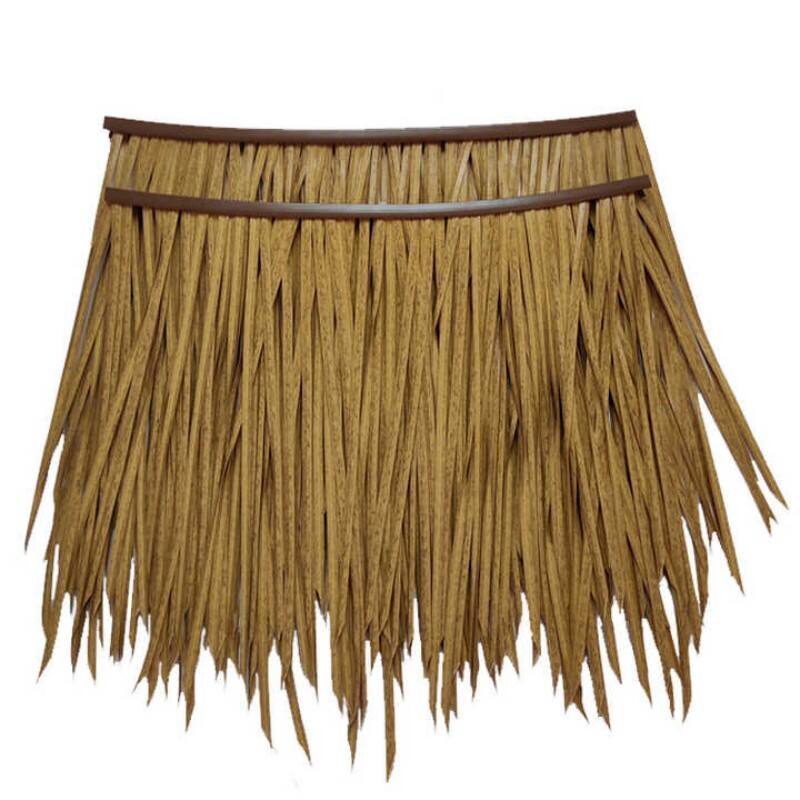
Green building design principles emphasize energy efficiency, resource conservation, and environmental harmony, making artificial thatch roof systems an ideal complement to these objectives. Unlike traditional thatch, synthetic alternatives offer superior durability, fire resistance, and weather protection while maintaining the distinctive visual character that makes thatched roofing so appealing for resort developments, eco-lodges, and sustainable residential projects. The integration process requires careful consideration of structural compatibility, thermal performance, and long-term maintenance requirements to ensure optimal results in green building applications.
Sustainable Material Properties and Environmental Benefits
Recycled Content and Manufacturing Efficiency
The environmental profile of artificial thatch roof materials begins with their composition, which typically incorporates recycled polymers and sustainably sourced synthetic materials. High-density polyethylene (HDPE) forms the backbone of many premium artificial thatch roof systems, offering exceptional recyclability at the end of their service life. Manufacturing processes for synthetic thatch involve significantly lower energy consumption compared to traditional roofing materials like clay tiles or slate, resulting in reduced carbon footprint during production phases.
Advanced manufacturing techniques enable artificial thatch roof products to achieve consistent quality while minimizing waste generation throughout the production cycle. The controlled factory environment eliminates the variability associated with natural thatch harvesting, ensuring uniform performance characteristics and eliminating concerns about sustainable sourcing of traditional thatching materials. This predictable supply chain supports green building projects that require transparent material provenance and environmental impact documentation.
Longevity and Resource Conservation
Service life expectations for artificial thatch roof systems typically exceed 20-25 years with proper installation and minimal maintenance requirements. This extended lifespan significantly reduces the frequency of roof replacement cycles, conserving resources and minimizing construction waste over the building's operational period. UV-resistant formulations protect against color fading and material degradation, maintaining both performance and aesthetic qualities throughout the warranty period.
Water management capabilities of artificial thatch roof systems contribute to sustainable stormwater practices through controlled runoff patterns and potential integration with rainwater harvesting systems. The synthetic material's consistent porosity allows for predictable drainage characteristics, enabling engineers to calculate precise water collection rates for green building water conservation strategies. This reliability supports LEED certification requirements for water efficiency and site sustainability credits.
Thermal Performance and Energy Integration
Insulation Properties and Building Envelope Performance
The thermal characteristics of artificial thatch roof installations directly impact building energy performance, making proper integration essential for green building compliance. Synthetic thatch materials provide natural insulation properties that help regulate interior temperatures, reducing heating and cooling energy demands when properly configured within the building envelope system. The air-trapping design of individual thatch elements creates thermal resistance that complements traditional insulation layers.
Proper ventilation design beneath artificial thatch roof assemblies prevents moisture accumulation while maintaining thermal performance benefits. The breathable nature of synthetic thatch allows for controlled air movement that supports passive cooling strategies in warm climates, reducing mechanical system loads and contributing to overall energy efficiency goals. Integration with reflective underlayments can further enhance thermal performance while preserving the authentic appearance of the artificial thatch roof surface.
Solar System Compatibility
Modern artificial thatch roof systems accommodate photovoltaic installations through carefully designed mounting solutions that preserve waterproofing integrity and visual continuity. Specialized brackets and attachment methods allow solar panels to be positioned within or above the artificial thatch roof profile, maintaining the natural appearance while generating renewable energy. This integration capability makes synthetic thatch an attractive option for net-zero energy buildings and other high-performance green construction projects.
Cable routing and electrical connections can be concealed within the artificial thatch roof assembly, eliminating visual disruption while maintaining accessibility for maintenance and system monitoring. The non-conductive properties of synthetic thatch materials provide electrical safety benefits compared to traditional roofing options, supporting safe installation and long-term operation of integrated renewable energy systems.
Design Integration Strategies and Architectural Compatibility
Aesthetic Harmony with Green Building Elements
Successful integration of artificial thatch roof systems with green building design requires careful attention to visual relationships between natural and synthetic elements. Living walls, green roofs, and landscape features create opportunities to blend artificial thatch roofing with genuine vegetation, enhancing the overall environmental aesthetic while maintaining the practical benefits of synthetic materials. Color matching and texture coordination ensure seamless transitions between different sustainable design elements.
Material authenticity becomes crucial when artificial thatch roof installations adjoin natural building elements like reclaimed timber, stone, or bamboo structural components. High-quality synthetic thatch products exhibit realistic color variation, weathering patterns, and dimensional characteristics that complement organic materials without creating obvious contrasts. This visual integration supports green building design philosophies that emphasize harmony with natural environments.
Structural Considerations and Building Performance
The lightweight characteristics of artificial thatch roof materials reduce structural loading requirements compared to traditional clay tile or concrete roofing systems. This weight advantage enables more efficient use of building materials in structural framing, contributing to resource conservation goals while potentially reducing foundation requirements for green building projects. Simplified structural design can facilitate faster construction schedules and reduced labor costs.
Seismic performance benefits emerge from the flexible nature of artificial thatch roof assemblies, which accommodate building movement without cracking or failure. This resilience supports green building durability objectives by extending service life and reducing maintenance requirements over time. Properly engineered mounting systems distribute loads evenly across supporting structures, ensuring long-term stability under various environmental conditions.
Installation Methods and Green Construction Practices
Low-Impact Installation Procedures
Installation of artificial thatch roof systems typically generates minimal construction waste compared to traditional roofing materials that require extensive cutting and fitting operations. Prefabricated panels and standardized components reduce on-site fabrication requirements, minimizing noise, dust, and material disposal needs during green building construction projects. This efficiency supports sustainable construction site management practices and community relations.
Mechanical fastening systems eliminate the need for adhesives or chemical bonding agents that might compromise indoor air quality objectives. Reversible installation methods support building adaptability and end-of-life material recovery, aligning with circular economy principles that guide advanced green building projects. These installation characteristics contribute to credits for construction waste management and materials transparency in green building certification programs.
Quality Assurance and Performance Monitoring
Commissioning procedures for artificial thatch roof installations should verify proper drainage performance, thermal bridge elimination, and air sealing continuity to ensure optimal building envelope performance. Regular inspection protocols help maintain warranty coverage while identifying potential issues before they impact building performance or occupant comfort. Documentation requirements for green building certification often include installation verification and performance testing data.
Predictive maintenance scheduling takes advantage of the consistent aging characteristics of artificial thatch roof materials to optimize replacement timing and minimize disruption to building operations. Unlike natural thatch that may deteriorate unpredictably, synthetic alternatives provide reliable service life projections that support life-cycle cost analysis and long-term facility planning for sustainable building projects.
Cost-Benefit Analysis and Long-Term Value
Initial Investment and Payback Considerations
While artificial thatch roof systems may require higher upfront investment compared to conventional roofing materials, the total cost of ownership typically favors synthetic options when maintenance, replacement frequency, and energy performance benefits are considered. Green building projects often justify premium material costs through operating cost savings, increased property values, and certification incentives that improve project economics over time.
Energy savings from improved thermal performance can contribute significantly to payback calculations, particularly in climate zones where artificial thatch roof installations reduce cooling loads during peak demand periods. Integration with renewable energy systems creates additional value streams through reduced utility costs and potential net metering benefits that enhance the overall financial performance of green building investments.
Maintenance Cost Optimization
The low maintenance requirements of artificial thatch roof systems reduce ongoing operational costs while eliminating the specialized labor requirements associated with traditional thatch maintenance. Cleaning procedures involve standard equipment and techniques, making maintenance accessible to typical facility management teams without specialized training or certification requirements. This operational simplicity supports the cost-effectiveness of sustainable building operations.
Warranty coverage for artificial thatch roof products typically includes protection against UV degradation, color fading, and weather damage, providing predictable maintenance cost projections for facility planning purposes. Insurance considerations may favor synthetic materials due to improved fire resistance and storm damage resilience compared to natural alternatives, potentially reducing premium costs for green building projects.
FAQ
How does artificial thatch roof integration affect LEED certification credits?
Artificial thatch roof systems can contribute to multiple LEED credit categories including Materials and Resources for recycled content, Energy and Atmosphere for thermal performance, and Innovation credits for unique sustainable design approaches. The specific point contribution depends on product specifications, installation methods, and documentation quality, but properly integrated synthetic thatch typically supports 2-4 certification points across various categories.
What structural modifications are required for artificial thatch roof installation on existing green buildings?
Most artificial thatch roof retrofits require minimal structural modifications due to the lightweight nature of synthetic materials. Standard roof framing can typically accommodate artificial thatch installations without reinforcement, though proper engineering evaluation should verify load paths and connection details. Existing green building features like solar installations or green roof systems may require coordination during artificial thatch roof integration to maintain optimal performance.
Can artificial thatch roofing be recycled at the end of its service life?
High-quality artificial thatch roof products made from HDPE and similar thermoplastics are fully recyclable through established plastic recycling programs. End-of-life material recovery supports circular economy objectives and may contribute to green building certification credits for waste reduction. Manufacturers often provide take-back programs or recycling guidance to facilitate responsible disposal and material recovery processes.
How does artificial thatch roof performance compare to living roof systems in green building applications?
Artificial thatch roof systems offer different benefits compared to living roofs, with synthetic options providing lower maintenance requirements, predictable performance, and broader climate suitability. While living roofs excel in stormwater management and biodiversity support, artificial thatch roofing delivers superior durability and design flexibility. Many green building projects successfully combine both approaches, using artificial thatch roof sections in areas requiring low maintenance while incorporating living roof elements where intensive management is feasible.
Table of Contents
- Sustainable Material Properties and Environmental Benefits
- Thermal Performance and Energy Integration
- Design Integration Strategies and Architectural Compatibility
- Installation Methods and Green Construction Practices
- Cost-Benefit Analysis and Long-Term Value
-
FAQ
- How does artificial thatch roof integration affect LEED certification credits?
- What structural modifications are required for artificial thatch roof installation on existing green buildings?
- Can artificial thatch roofing be recycled at the end of its service life?
- How does artificial thatch roof performance compare to living roof systems in green building applications?