 EN
EN
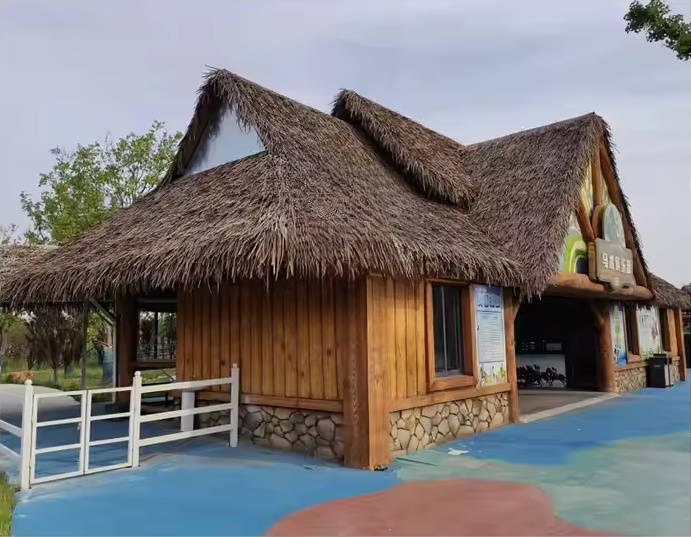
The growing demand for authentic, rustic aesthetics in both rural housing developments and tourist accommodations has sparked renewed interest in traditional roofing materials. However, natural thatch comes with significant drawbacks including fire hazards, pest infestations, and high maintenance costs. Modern artificial thatch roof systems provide an ideal solution, delivering the authentic visual appeal of traditional thatching while addressing these practical concerns through advanced synthetic materials and engineering.
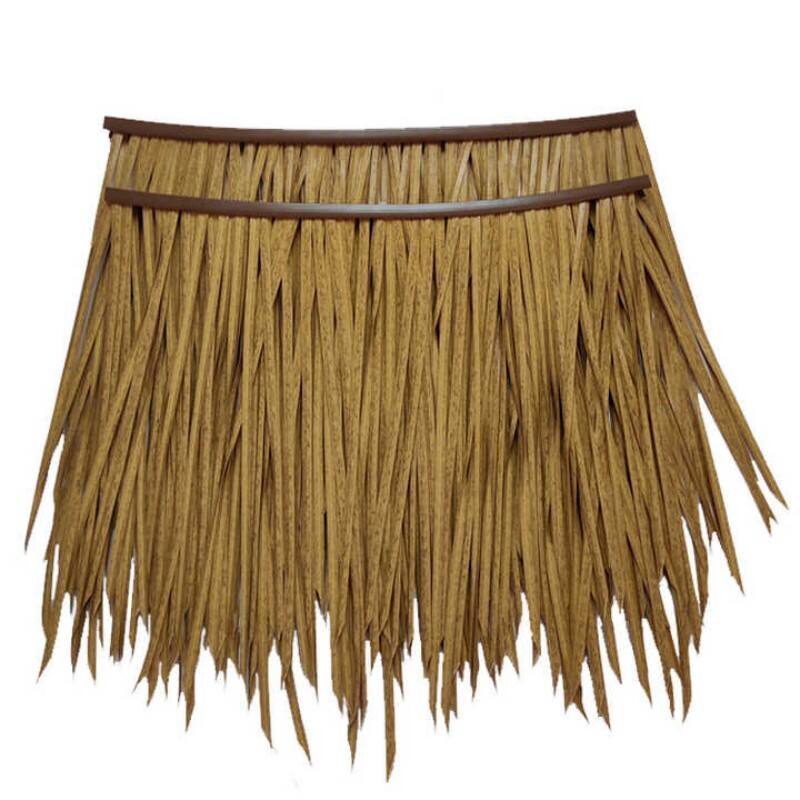
Rural cottages and tourist destinations worldwide are increasingly incorporating artificial thatch roof applications to create memorable experiences while maintaining operational efficiency. From countryside bed-and-breakfasts to tropical resort bungalows, these synthetic roofing systems enable property owners to achieve the distinctive charm of traditional thatched architecture without compromising on safety standards or long-term durability. Understanding the specific applications and benefits of artificial thatch roof technology helps property developers and cottage owners make informed decisions about implementing these innovative roofing solutions.
Rural Cottage Applications for Artificial Thatch Roof Systems
Heritage Village Developments and Countryside Estates
Rural heritage developments represent one of the most compelling applications for artificial thatch roof technology. These projects often aim to preserve or recreate the authentic architectural character of traditional countryside villages while meeting modern building codes and safety requirements. Artificial thatch roof systems enable developers to achieve the desired historical aesthetic without the regulatory challenges and ongoing maintenance burdens associated with natural thatching materials.
The synthetic nature of modern artificial thatch roof products allows rural cottage developments to maintain consistent visual appeal across multiple properties while ensuring each structure meets contemporary fire safety standards. This consistency proves particularly valuable in planned communities where architectural cohesion contributes to overall property values and marketability. Additionally, the reduced maintenance requirements of artificial thatch roof systems make them practical for rural areas where specialized thatching craftsmen may be scarce or expensive to engage regularly.
Property developers working on countryside estates benefit from the predictable lifecycle costs of artificial thatch roof installations compared to natural alternatives. While initial material costs may be higher than conventional roofing, the extended lifespan and minimal maintenance requirements often result in lower total ownership costs over the building's operational life. This economic advantage becomes particularly significant when planning large-scale rural developments where roofing maintenance could otherwise represent a substantial ongoing expense.
Agricultural Tourism and Farm Stay Accommodations
Farm stays and agritourism operations frequently utilize artificial thatch roof applications to enhance their authentic rural atmosphere while maintaining practical operational standards. These businesses must balance aesthetic appeal with functional requirements including weather resistance, fire safety, and ease of maintenance. Artificial thatch roof systems provide an ideal solution by delivering the rustic charm that attracts visitors while ensuring reliable performance under varying weather conditions and heavy use.
The durability characteristics of artificial thatch roof materials make them particularly suitable for farm environments where buildings may be exposed to dust, agricultural chemicals, and equipment vibrations. Unlike natural thatch, synthetic alternatives resist pest infestations and do not provide nesting sites for rodents or insects that could compromise building hygiene standards required for guest accommodations. This pest resistance proves especially valuable for farm stays where maintaining clean, comfortable guest quarters is essential for business success.
Farm-based cottage rentals often operate in remote locations where emergency response times may be extended, making fire safety a critical consideration. Artificial thatch roof systems with flame-retardant properties provide enhanced safety margins compared to natural thatching, potentially reducing insurance costs and regulatory compliance challenges. This safety advantage allows agritourism operators to focus on guest experience rather than managing ongoing fire risk concerns.
Tourist Resort and Hospitality Applications
Tropical Resort Bungalows and Beach Cottages
Tropical resorts represent perhaps the most widespread application for artificial thatch roof technology in the tourism industry. The combination of intense UV exposure, salt air corrosion, and frequent storms creates challenging conditions for natural thatching materials. Artificial thatch roof systems engineered for marine environments provide the authentic tropical aesthetic that guests expect while withstanding these harsh environmental conditions far better than organic alternatives.
Modern artificial thatch roof products designed for tropical applications incorporate UV-resistant materials and anti-fade treatments that maintain color consistency despite constant sun exposure. This durability ensures that resort properties maintain their visual appeal throughout the tourist season without requiring frequent re-thatching or color restoration work. The consistent appearance of well-maintained artificial thatch roof installations contributes to the overall guest experience and resort brand image.
Resort developers particularly value the predictable installation timelines possible with artificial thatch roof systems compared to natural alternatives. Traditional thatching requires skilled craftsmen and weather-dependent installation conditions, while synthetic systems can be installed by conventional roofing contractors using standard techniques and equipment. This installation flexibility proves crucial for resort projects with tight opening schedules or expansion timelines that cannot accommodate the uncertainties of traditional thatching work.
Glamping Sites and Eco-Tourism Accommodations
The growing glamping and eco-tourism market has created significant demand for authentic-appearing roofing solutions that still meet modern comfort and safety standards. Artificial thatch roof applications in this sector must balance environmental aesthetics with practical performance requirements including weather resistance, thermal insulation, and acoustic properties. High-quality synthetic thatching systems provide the natural appearance that eco-conscious travelers seek while delivering reliable protection and comfort.
Glamping operations often locate in environmentally sensitive areas where traditional building materials may be restricted or where fire safety concerns are heightened due to wildfire risks. Artificial thatch roof systems with certified fire-resistant properties enable these businesses to operate safely in such locations while maintaining the authentic outdoor experience that defines the glamping concept. This safety certification often proves essential for obtaining operating permits in fire-prone regions.
The modular nature of many artificial thatch roof systems aligns well with the temporary or semi-permanent structures common in glamping developments. These roofing solutions can be installed on lightweight framing systems and relocated if necessary, providing operational flexibility that traditional thatching cannot match. This adaptability proves valuable for seasonal operations or businesses that may need to adjust their layout based on changing environmental conditions or regulatory requirements.
Design Integration and Architectural Compatibility
Blending Artificial Thatch Roof with Traditional Architecture
Successful integration of artificial thatch roof systems requires careful attention to architectural details that complement traditional building styles while accommodating the unique characteristics of synthetic materials. The visual texture, color variation, and weathering patterns of quality artificial thatch roof products closely mimic natural materials, but proper installation and detailing ensure seamless integration with existing architectural elements such as timber framing, stone foundations, and traditional window configurations.
The dimensional stability of artificial thatch roof materials allows for more precise architectural planning compared to natural alternatives that may settle or shift over time. This predictability enables architects to design tighter integration details around dormers, chimneys, and other roof penetrations without concerns about long-term movement that could compromise weatherproofing or visual alignment. The consistent performance of synthetic materials supports more complex architectural expressions while maintaining the rustic aesthetic appeal.
Color selection and texture variation in artificial thatch roof systems can be customized to complement specific architectural styles and regional building traditions. This customization capability allows rural cottage developments and tourist resorts to achieve authentic regional character while benefiting from modern material performance. The ability to specify exact color matches and texture patterns ensures that artificial thatch roof installations enhance rather than compete with other architectural elements.
Climate Adaptation and Regional Suitability
Different climate zones require specific performance characteristics from artificial thatch roof systems to ensure optimal long-term performance and aesthetic retention. Tropical applications demand maximum UV resistance and anti-fade properties, while temperate climates may prioritize freeze-thaw durability and moisture management. Understanding these regional requirements helps property owners select appropriate artificial thatch roof products for their specific location and expected service conditions.
Wind resistance capabilities vary among artificial thatch roof products, making proper product selection crucial for coastal or exposed rural locations. High-quality systems designed for severe weather conditions incorporate enhanced attachment methods and impact-resistant materials that outperform natural thatch in hurricane-prone or high-wind environments. This superior weather resistance provides both safety benefits and reduced maintenance costs in challenging climates.
Thermal performance characteristics of artificial thatch roof systems can be optimized for specific climate requirements through proper product selection and installation techniques. Some synthetic thatching materials provide superior insulation properties compared to natural alternatives, while others emphasize ventilation and heat dissipation for tropical applications. Understanding these thermal characteristics helps ensure guest comfort and energy efficiency in both rural cottages and tourist accommodations.
Installation Considerations and Technical Requirements
Structural Requirements and Load Considerations
Artificial thatch roof installations typically require less structural support than natural thatching systems due to their lighter weight and more predictable load distribution. This reduced weight requirement can provide cost savings in new construction projects and may enable artificial thatch roof retrofits on existing structures that could not support the weight of traditional thatching. However, proper engineering evaluation remains essential to ensure adequate support for wind uplift forces and local snow load requirements.
The modular design of many artificial thatch roof systems simplifies installation planning and reduces construction timeline uncertainties compared to natural thatching work. Standardized panel dimensions and attachment methods enable accurate material quantity calculations and predictable installation schedules. This predictability proves particularly valuable for tourist resort projects with firm opening deadlines or rural cottage developments with multiple structures requiring coordination.
Substrate preparation requirements for artificial thatch roof systems generally follow conventional roofing practices, making them accessible to standard roofing contractors without specialized thatching experience. This contractor availability advantage reduces installation costs and scheduling constraints compared to traditional thatching that requires specialized craftsmen. The broader contractor base also ensures that maintenance and repair services remain readily available throughout the artificial thatch roof system's service life.
Integration with Modern Building Systems
Modern rural cottages and tourist accommodations require integration between roofing systems and various building technologies including electrical wiring, plumbing vents, HVAC equipment, and communication systems. Artificial thatch roof systems accommodate these requirements more readily than natural alternatives through pre-engineered penetration details and standardized flashing systems. This technical compatibility ensures that authentic aesthetic goals do not compromise functional building performance.
Fire safety systems including sprinklers, smoke detection, and emergency lighting can be integrated with artificial thatch roof installations using conventional techniques and materials. The flame-resistant properties of quality synthetic thatching materials support compliance with modern fire safety codes while maintaining authentic visual appeal. This safety integration proves essential for commercial tourist accommodations subject to hospitality industry safety regulations.
Solar panel integration and other sustainable energy systems can be incorporated into artificial thatch roof designs through careful planning and specialized mounting systems. While these modern additions require thoughtful design integration to maintain aesthetic authenticity, the structural predictability of synthetic materials facilitates such installations. This capability allows eco-tourism operations and rural developments to pursue energy efficiency goals without sacrificing architectural character.
FAQ
How long does an artificial thatch roof system typically last compared to natural thatch?
High-quality artificial thatch roof systems typically provide 15-25 years of service life with minimal maintenance, significantly exceeding the 8-12 year lifespan of natural thatch. The synthetic materials resist UV degradation, pest damage, and weather deterioration that commonly affect organic thatching materials. This extended lifespan reduces replacement frequency and long-term ownership costs, making artificial thatch roof systems particularly economical for commercial tourist properties and rural cottage developments.
Can artificial thatch roof systems achieve the same authentic appearance as traditional natural thatch?
Modern artificial thatch roof products closely replicate the visual characteristics of natural thatching through advanced manufacturing techniques that create realistic texture variations, color gradations, and weathering patterns. While subtle differences may be detectable upon close inspection, the overall visual impact satisfies most applications including high-end tourist resorts and heritage-style rural developments. The consistency and color retention of synthetic materials often provide superior long-term appearance compared to natural thatch that may fade or develop uneven weathering patterns.
What are the fire safety advantages of artificial thatch roof systems for rural and tourist applications?
Artificial thatch roof systems engineered with flame-retardant properties provide significant safety advantages over natural thatching, particularly important for tourist accommodations and rural locations with limited fire department access. These systems resist ignition, limit flame spread, and do not contribute fuel to fires like organic materials. Many synthetic thatching products carry fire safety certifications that simplify building code compliance and may reduce insurance costs, making them essential for commercial hospitality applications.
Are there specific maintenance requirements for artificial thatch roof systems in different climate conditions?
Artificial thatch roof systems require minimal maintenance compared to natural alternatives, typically involving periodic cleaning and inspection of attachment hardware. In tropical climates, occasional washing to remove salt deposits and organic growth may be beneficial, while temperate regions may require inspection after severe weather events. The specific maintenance requirements depend on the product quality and local environmental conditions, but generally involve standard roofing maintenance practices rather than specialized thatching restoration techniques required for natural materials.
Table of Contents
- Rural Cottage Applications for Artificial Thatch Roof Systems
- Tourist Resort and Hospitality Applications
- Design Integration and Architectural Compatibility
- Installation Considerations and Technical Requirements
-
FAQ
- How long does an artificial thatch roof system typically last compared to natural thatch?
- Can artificial thatch roof systems achieve the same authentic appearance as traditional natural thatch?
- What are the fire safety advantages of artificial thatch roof systems for rural and tourist applications?
- Are there specific maintenance requirements for artificial thatch roof systems in different climate conditions?