 EN
EN

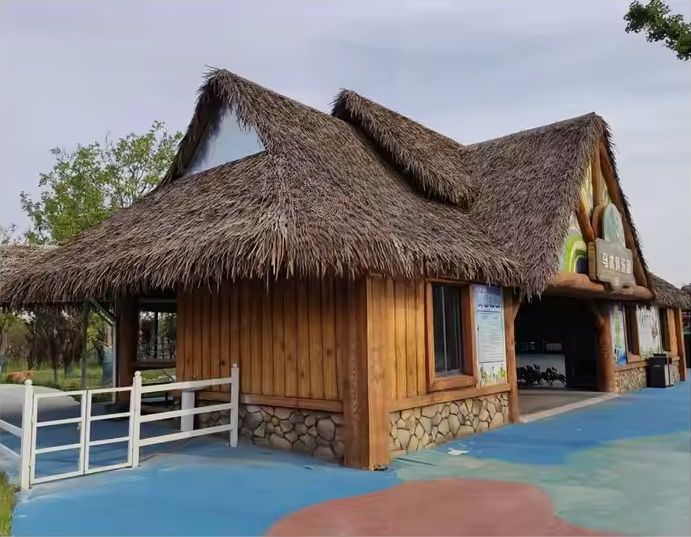
Maintaining a cottage thatched roof requires specialized knowledge and consistent attention to preserve its distinctive character and structural integrity. Traditional cottage thatched roofing has protected homes for centuries, but modern property owners must understand both time-tested maintenance practices and contemporary challenges. Proper care ensures these iconic roofs continue to provide reliable weatherproofing while maintaining their authentic charm that defines countryside architecture.
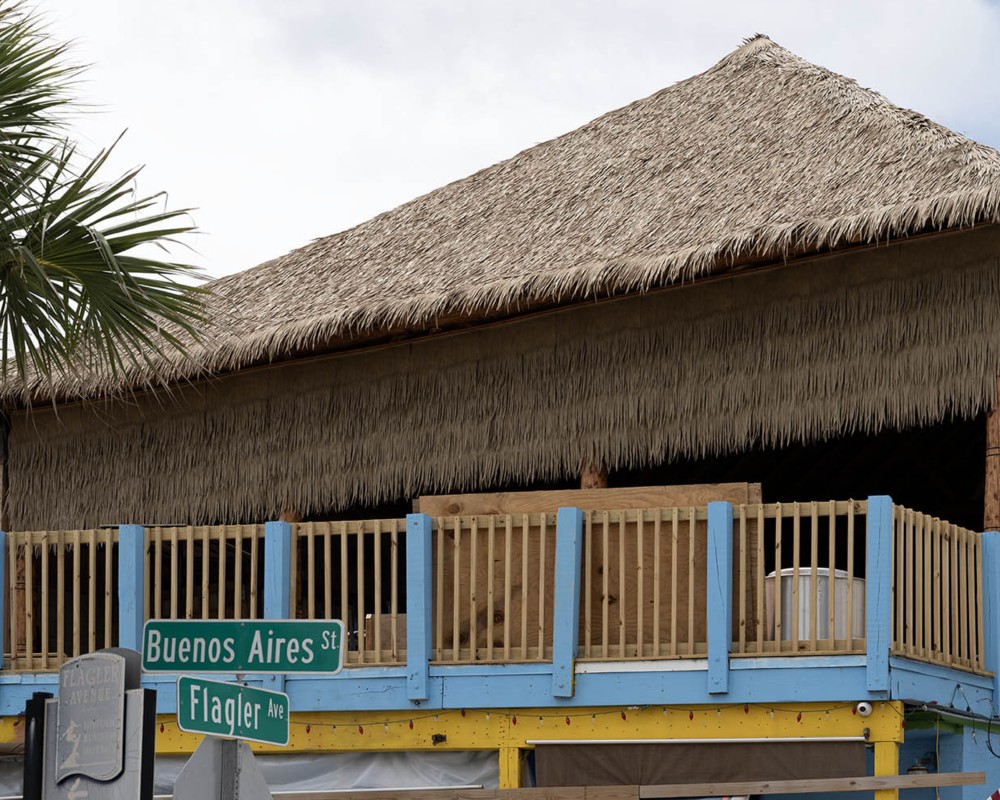
The complexity of cottage thatched roof maintenance stems from its organic materials and traditional construction methods. Unlike conventional roofing systems, thatch responds dynamically to weather conditions, requiring owners to recognize early warning signs and implement preventive measures. Understanding common problems before they become costly repairs helps preserve the structural integrity and aesthetic appeal that makes cottage thatched roofs so valued in heritage properties.
Essential Maintenance Practices for Cottage Thatched Roofs
Regular Inspection Schedules
Cottage thatched roofs demand regular visual inspections to identify potential issues before they compromise the structure. Property owners should conduct thorough examinations at least twice annually, preferably in early spring and late autumn when weather conditions reveal underlying problems. Professional thatchers recommend monthly visual checks from ground level, focusing on ridge lines, eave conditions, and overall thatch density.
During inspections, examine the cottage thatched surface for loose or displaced straw, which often indicates underlying structural movement or deteriorating fixings. Pay particular attention to areas around chimneys, dormer windows, and roof valleys where water penetration typically begins. Document any changes with photographs to track deterioration patterns over time, enabling more informed maintenance decisions.
Protective Ridge Maintenance
The ridge represents the most vulnerable component of cottage thatched roofing systems, requiring annual attention to prevent water ingress and wind damage. Traditional clay ridge tiles or thatched ridges must remain securely fixed and properly sealed against weather penetration. Loose or cracked ridge elements allow moisture to penetrate deep into the thatch layer, causing accelerated decay and potential structural damage.
Professional ridge maintenance involves checking mortar pointing, replacing damaged tiles, and ensuring adequate ventilation beneath ridge coverings. Some cottage thatched properties benefit from modern ridge systems that provide enhanced weather protection while maintaining traditional appearance. Regular ridge maintenance prevents the majority of serious thatch problems and extends overall roof lifespan significantly.
Drainage System Integration
Effective water management protects cottage thatched roofs from their primary enemy: prolonged moisture exposure. Guttering systems must be correctly sized and positioned to handle the unique water shedding characteristics of thatch, which creates concentrated runoff patterns. Blocked or inadequately sized gutters cause water to back up against thatch edges, leading to rot and structural weakening.
Maintain clear gutters and downpipes throughout the year, paying special attention during autumn when falling leaves create blockages. Install gutter guards where practical to reduce maintenance frequency while ensuring adequate water flow capacity. Proper drainage extends cottage thatched roof life by preventing the moisture accumulation that accelerates natural decay processes.
Common Structural Issues in Cottage Thatched Roofing
Timber Frame Deterioration
The underlying timber framework supporting cottage thatched roofs faces unique challenges from moisture exposure and pest activity. Traditional oak and softwood timbers can last centuries when properly maintained, but inadequate ventilation or water penetration accelerates decay. Roof timbers in cottage thatched construction often show stress signs through visible sagging, cracking, or movement under load.
Early detection of timber problems prevents catastrophic roof failure and reduces repair costs significantly. Professional structural assessments should occur every five years, with immediate investigation following severe weather events. Timber treatment and replacement requires specialized knowledge of traditional construction methods to maintain structural integrity while preserving historical authenticity in cottage thatched properties.
Thatch Layer Compression
Over time, cottage thatched roofs experience natural compression as organic materials settle and compact under their own weight and weather exposure. This compression reduces the thatch's water-shedding efficiency and creates areas where moisture can penetrate more easily. Compressed thatch also provides less insulation value and may require earlier replacement than properly maintained sections.
Professional thatchers can assess compression levels and recommend remedial work ranging from localized repairs to complete re-laying. Some cottage thatched roofs benefit from periodic lifting and re-laying of thatch sections to restore proper density and water resistance. Understanding compression patterns helps property owners plan maintenance schedules and budget for major restoration work.
Pest and Wildlife Damage
Birds, rodents, and insects can cause significant damage to cottage thatched roofing through nesting activities and material displacement. Common problems include birds pulling thatch materials for nesting, rodents creating tunnels through thatch layers, and insects weakening organic materials. Wildlife damage often creates entry points for water penetration and accelerates overall roof deterioration.
Preventive measures include installing appropriate deterrent systems without compromising the cottage thatched appearance. Wire mesh protection around vulnerable areas helps prevent large-scale wildlife damage while allowing natural ventilation. Regular monitoring for pest activity enables early intervention before significant structural damage occurs.
Weather-Related Challenges and Solutions
Storm Damage Management
Severe weather poses particular risks to cottage thatched roofs due to their lightweight construction and exposure to wind forces. High winds can lift and displace thatch sections, while heavy rain combined with wind drives moisture into normally protected areas. Storm damage assessment requires immediate professional attention to prevent further deterioration and ensure occupant safety.
Post-storm inspection protocols should focus on ridge integrity, thatch displacement, and signs of structural movement. Temporary weatherproofing measures may be necessary while arranging permanent repairs. Insurance considerations for cottage thatched roofs often require specialist coverage due to unique repair requirements and material costs.
Seasonal Moisture Management
Different seasons create specific challenges for cottage thatched roof maintenance, requiring adapted care strategies throughout the year. Winter freeze-thaw cycles can damage compromised thatch sections, while summer heat may cause excessive drying and brittleness. Spring growth periods often reveal winter damage and provide optimal conditions for major maintenance work.
Effective moisture management involves understanding how cottage thatched roofs respond to seasonal weather patterns. Adequate attic ventilation prevents condensation problems that can cause internal thatch decay. Seasonal maintenance schedules should account for weather windows when repair work can be completed effectively without compromising material quality.
Modern Solutions and Material Innovations
Synthetic Thatch Integration
Contemporary cottage thatched roof maintenance increasingly incorporates synthetic materials that provide enhanced durability while maintaining traditional appearance. Modern cottage thatched solutions offer improved weather resistance, reduced maintenance requirements, and enhanced fire safety compared to traditional organic materials. These innovations address many common problems while preserving the aesthetic qualities that make thatched roofs so desirable.
Synthetic thatch materials resist pest damage, provide consistent water shedding performance, and maintain their appearance longer than natural materials. Integration with traditional cottage thatched construction requires careful planning to ensure compatibility with existing structures and local building regulations. Professional installation ensures optimal performance while maintaining the authentic character that defines traditional thatched architecture.
Enhanced Fire Protection Systems
Fire safety represents a critical concern for cottage thatched roof owners, driving innovations in protective systems and materials. Modern fire retardant treatments and barrier systems can significantly improve safety without compromising traditional appearance. Sprinkler systems designed specifically for cottage thatched roofs provide automated protection while meeting insurance requirements.
Regular maintenance of fire protection systems ensures they remain effective over time. Smoke detection systems in roof spaces provide early warning of potential problems, while proper electrical installation prevents ignition sources. Understanding fire safety requirements helps cottage thatched property owners maintain compliance while preserving their roof's traditional character and appeal.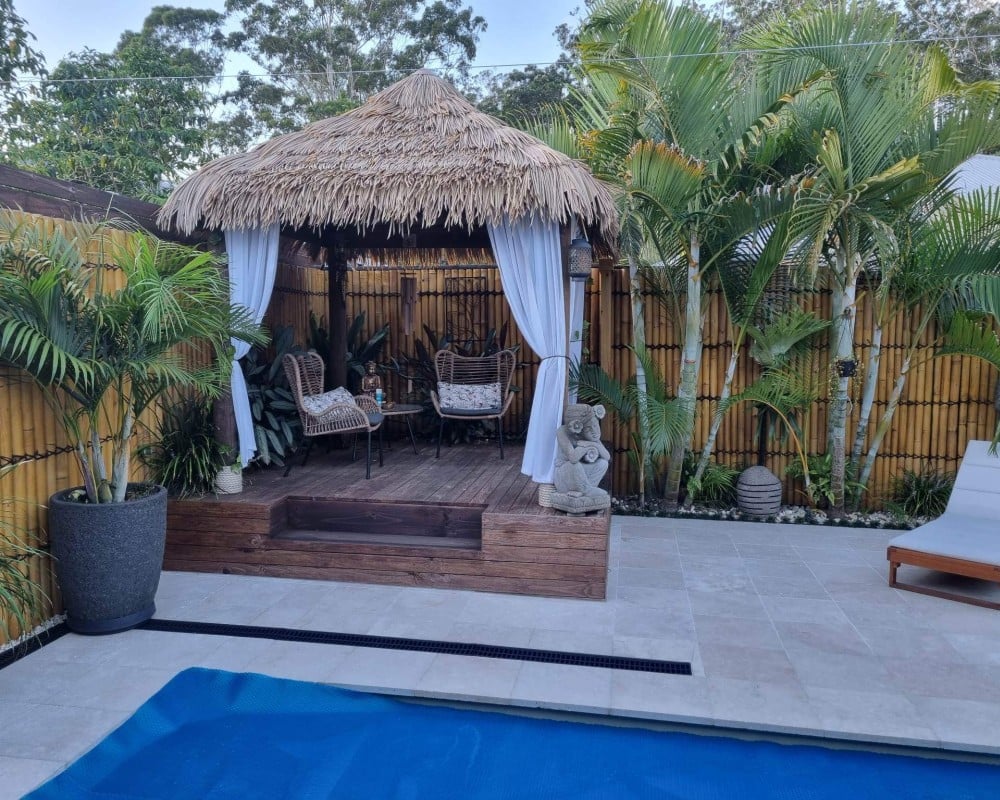
FAQ
How often should a cottage thatched roof be completely replaced?
A well-maintained cottage thatched roof typically requires complete replacement every 40-60 years, depending on materials used, local weather conditions, and maintenance quality. The ridge may need replacement every 10-15 years, while the main thatch body can last much longer with proper care. Regular maintenance and timely repairs can extend the lifespan significantly, making replacement a planned rather than emergency procedure.
What are the most common signs that cottage thatched roof repairs are needed?
Early warning signs include loose or displaced thatch visible from ground level, daylight showing through the roof from inside, water stains on interior ceilings, and birds or pests gaining access to roof spaces. Sagging ridge lines, damaged or missing ridge tiles, and blocked gutters also indicate immediate attention is required. Regular professional inspections can identify problems before they become visible to property owners.
Can cottage thatched roofs be insulated to modern standards?
Modern insulation can be integrated into cottage thatched roof structures while maintaining their traditional character and performance. Breathable insulation materials installed between roof timbers provide improved thermal performance without compromising the natural ventilation that thatch requires. Professional installation ensures proper vapor barriers and ventilation paths that prevent condensation problems while meeting current building regulations.
Are there restrictions on cottage thatched roof modifications and repairs?
Many cottage thatched properties are located in conservation areas or have listed building status, which requires planning permission for significant modifications. Even routine maintenance may need approval if it involves changing materials or construction methods. Local planning authorities and conservation officers can provide guidance on permitted work, ensuring repairs maintain historical authenticity while meeting modern safety and performance standards.