 EN
EN
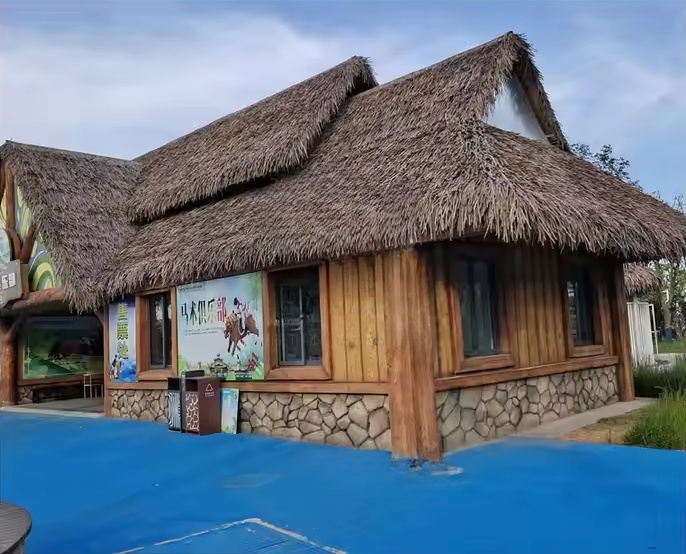
Selecting the right cottage thatched materials requires careful consideration of durability, weather resistance, and long-term maintenance requirements. Traditional thatching has evolved significantly, with modern cottage thatched options offering enhanced longevity while maintaining the classic aesthetic appeal that property owners desire. Understanding the key factors that determine material quality will help you make an informed decision that balances authenticity with practical performance.
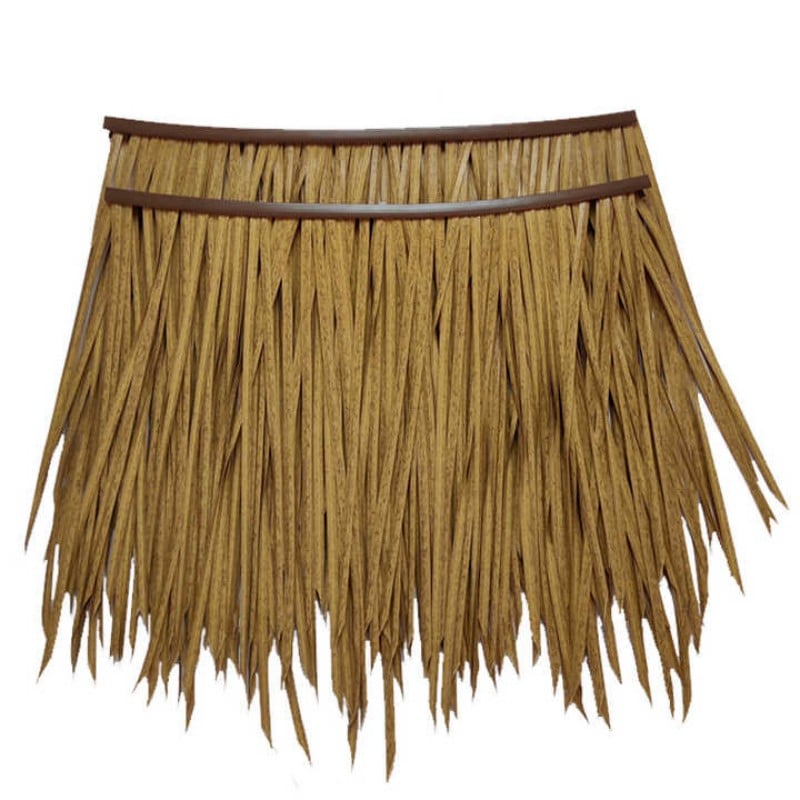
The choice between natural and synthetic cottage thatched materials significantly impacts both initial investment and ongoing maintenance costs. Modern synthetic alternatives provide superior weather resistance and fire safety features while maintaining the traditional visual characteristics that make cottage thatched roofing so appealing. Evaluating material composition, installation requirements, and local climate conditions will guide you toward the most suitable option for your specific project needs.
Material Composition and Durability Factors
Natural Thatching Materials Assessment
Traditional cottage thatched materials include water reed, wheat reed, combed wheat reed, and long straw, each offering distinct durability characteristics. Water reed typically provides the longest lifespan among natural options, often lasting 50-60 years when properly installed and maintained. The dense structure of water reed creates excellent water shedding properties, making it particularly suitable for cottage thatched applications in areas with moderate to high rainfall.
Wheat reed and combed wheat reed offer good durability at a lower cost point, typically lasting 25-30 years with proper maintenance. These materials work well for cottage thatched projects where budget considerations are important, though they require more frequent inspection and maintenance compared to water reed. Long straw, while the most traditional option, generally provides 15-20 years of service life and requires the most intensive maintenance schedule.
Synthetic Material Advantages
Modern synthetic cottage thatched materials provide exceptional durability through advanced polymer compositions that resist UV degradation, moisture absorption, and pest infiltration. High-density polyethylene (HDPE) synthetic thatch offers 15-year UV resistance guarantees while maintaining color stability and structural integrity throughout its service life. These materials eliminate many common durability concerns associated with natural thatching.
Synthetic cottage thatched materials also provide consistent quality control, as each panel or bundle meets specific manufacturing standards for thickness, density, and weather resistance. This consistency reduces installation variables and helps ensure predictable long-term performance across the entire roofing system.
Weather Resistance and Climate Considerations
Moisture Management Capabilities
Effective moisture management is crucial for cottage thatched material longevity, regardless of whether you choose natural or synthetic options. Natural materials rely on proper installation angles and adequate thickness to shed water effectively, while synthetic materials can incorporate enhanced drainage channels and moisture barriers into their design. Understanding your local rainfall patterns and seasonal moisture cycles will help determine the appropriate material specifications.
Cottage thatched materials must also handle condensation management effectively, particularly in climates with significant temperature variations. Synthetic options often include ventilation features that help regulate moisture buildup, while natural materials rely on their inherent breathability and proper underlayment systems.
Temperature Resistance and UV Protection
Temperature extremes can significantly impact cottage thatched material performance over time. Natural materials may become brittle in extreme cold or dry out excessively in high heat conditions, leading to cracking and reduced weather resistance. Synthetic alternatives maintain flexibility across wider temperature ranges and incorporate UV stabilizers that prevent degradation from prolonged sun exposure.
When evaluating cottage thatched materials for high-UV environments, look for products with proven UV resistance ratings and color retention guarantees. Quality synthetic materials often include multiple UV protection layers that maintain both structural integrity and aesthetic appearance for extended periods without fading or brittleness.
Installation Requirements and Structural Considerations
Roof Structure and Load Requirements
The structural requirements for cottage thatched installations vary significantly between material types, affecting both initial construction costs and long-term durability. Natural thatching typically requires substantial roof thickness, often 12-15 inches, which creates significant dead load on the supporting structure. This thickness requirement may necessitate additional structural reinforcement, particularly for retrofit applications on existing cottages.
Synthetic cottage thatched materials generally require less thickness while providing equivalent weather protection, reducing structural load requirements. This weight advantage can be particularly important for older cottage structures that may not have been designed to support heavy traditional thatching loads. However, proper installation still requires adequate roof pitch and appropriate fastening systems to ensure long-term performance.
Installation Complexity and Labor Requirements
Traditional cottage thatched installation requires specialized craftsmanship and extensive experience to achieve proper water shedding and durability. The learning curve for natural thatching is steep, and skilled thatchers are increasingly rare in many regions, potentially affecting both installation costs and future maintenance availability.
Synthetic cottage thatched materials often feature simplified installation systems that reduce labor requirements and installation time. Many synthetic products include interlocking panels or standardized fastening systems that allow for more predictable installation outcomes and reduced dependency on specialized craftsmanship.
Maintenance Requirements and Long-Term Costs
Routine Maintenance Schedules
Natural cottage thatched materials require regular maintenance including ridge renewal every 10-15 years, spot repairs for weather damage, and periodic combing to maintain proper water shedding angles. These maintenance requirements create ongoing costs that must be factored into the total cost of ownership analysis. Additionally, natural materials may require pest control measures to prevent damage from birds, rodents, or insects.
Synthetic cottage thatched systems typically require minimal routine maintenance beyond periodic inspection and cleaning. The absence of organic materials eliminates pest-related concerns, while UV-resistant formulations reduce the need for protective treatments or frequent replacement of damaged sections.
Repair and Replacement Considerations
When natural cottage thatched materials require repair, matching the existing material and achieving seamless integration can be challenging, particularly as the original material ages and weathers. Repair work often requires removing substantial sections of healthy thatching to properly integrate new materials, increasing repair costs and complexity.
Synthetic cottage thatched materials typically allow for more targeted repairs, as individual panels or sections can be replaced without affecting adjacent areas. This modularity reduces repair costs and minimizes disruption during maintenance activities, while ensuring consistent appearance and performance across repaired sections.
FAQ
How long do different cottage thatched materials typically last?
Water reed typically lasts 50-60 years, wheat reed lasts 25-30 years, and long straw lasts 15-20 years with proper maintenance. Synthetic cottage thatched materials often come with 15-20 year warranties and can last significantly longer with minimal maintenance requirements. The actual lifespan depends on installation quality, local climate conditions, and maintenance consistency.
What factors most significantly impact cottage thatched material durability?
Installation quality, roof pitch, local climate conditions, and maintenance consistency are the most critical factors affecting cottage thatched material durability. Proper water shedding through adequate pitch and thickness, regular maintenance to address minor issues before they become major problems, and protection from extreme weather conditions all contribute to extended material lifespan.
Are synthetic cottage thatched materials as authentic-looking as natural options?
Modern synthetic cottage thatched materials closely replicate the appearance of natural thatching through advanced manufacturing techniques that create realistic textures, colors, and layering patterns. While purists may prefer natural materials, synthetic options provide authentic appearance with superior durability and reduced maintenance requirements, making them increasingly popular for both new construction and restoration projects.
How do installation costs compare between natural and synthetic cottage thatched materials?
Synthetic cottage thatched materials typically have higher initial material costs but lower installation labor costs due to simplified installation systems and reduced thickness requirements. Natural materials may have lower material costs but require specialized craftspeople and more complex installation procedures. When considering total project costs including structural modifications and long-term maintenance, synthetic options often provide better value over the system lifetime.
Table of Contents
- Material Composition and Durability Factors
- Weather Resistance and Climate Considerations
- Installation Requirements and Structural Considerations
- Maintenance Requirements and Long-Term Costs
-
FAQ
- How long do different cottage thatched materials typically last?
- What factors most significantly impact cottage thatched material durability?
- Are synthetic cottage thatched materials as authentic-looking as natural options?
- How do installation costs compare between natural and synthetic cottage thatched materials?