 EN
EN
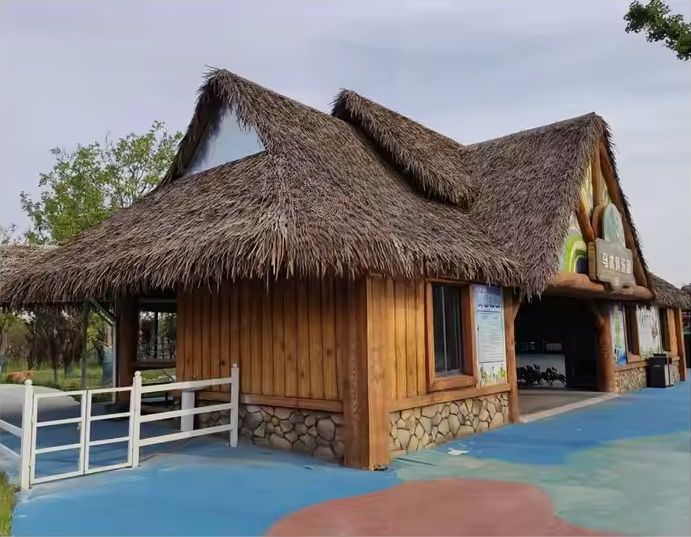
The cottage thatched roof design has emerged as a significant architectural element that directly influences commercial real estate values, tenant appeal, and investment returns. This traditional roofing style, once confined to rural residential properties, now plays a crucial role in differentiating commercial developments in competitive markets. Understanding how cottage thatched roof design impacts commercial real estate requires examining multiple factors including aesthetic appeal, maintenance considerations, regulatory compliance, and long-term financial implications.
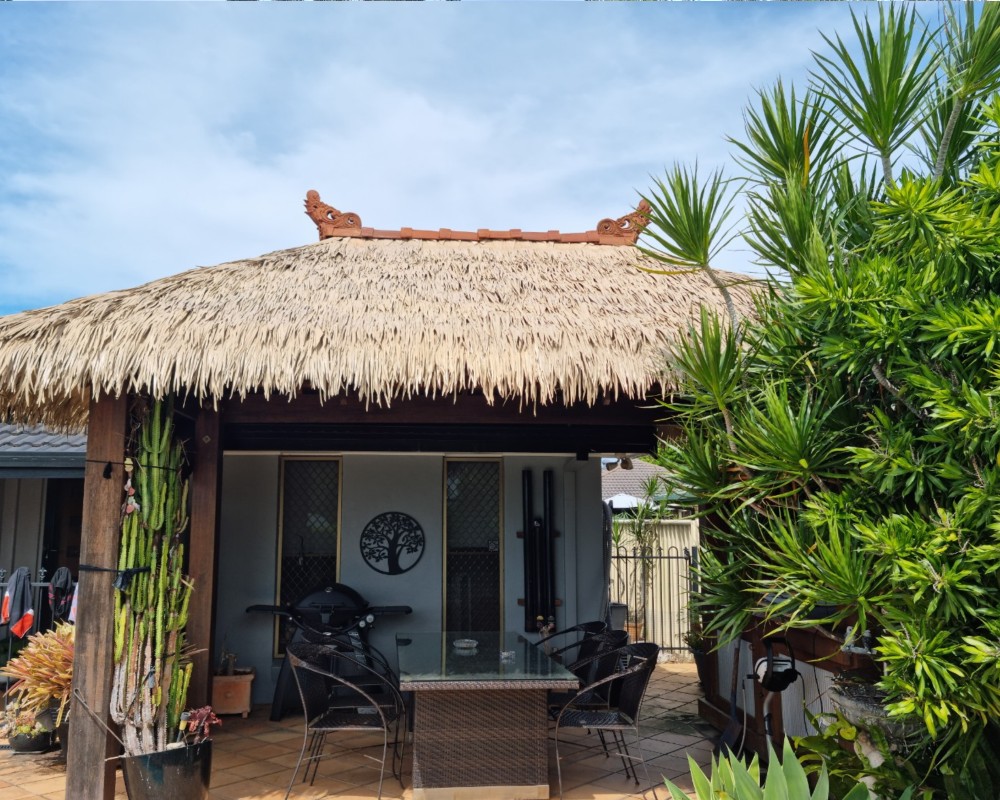
Commercial real estate developers and investors are increasingly recognizing that cottage thatched roof design creates distinct market positioning advantages while introducing specific operational challenges. The impact extends beyond mere visual appeal to encompass insurance considerations, building code compliance, tenant satisfaction, and property appreciation rates. These roofing systems influence everything from initial construction costs to ongoing maintenance expenses, making their commercial impact both complex and measurable.
Market Differentiation and Tenant Appeal
Creating Unique Commercial Identity
Cottage thatched roof design provides commercial properties with an immediately recognizable aesthetic that sets them apart in crowded real estate markets. This distinctive architectural feature helps establish memorable brand identity for businesses operating within these structures, particularly in hospitality, retail, and office sectors. The visual impact of cottage thatched roofing creates a sense of authenticity and craftsmanship that resonates with consumers seeking unique experiences rather than standardized commercial environments.
Commercial tenants increasingly value properties that offer character and distinctiveness, especially in sectors where ambiance directly influences customer behavior. Restaurants, boutique hotels, and specialty retail establishments often find that cottage thatched roof design enhances their brand positioning and customer appeal. This translates into higher rental rates and longer lease terms, as tenants recognize the marketing value inherent in such distinctive architectural features.
The cottage thatched aesthetic also appeals to businesses targeting specific demographic segments that value traditional craftsmanship and natural materials. This market positioning advantage becomes particularly valuable in areas where multiple commercial properties compete for similar tenant types, allowing property owners to command premium rents based on architectural differentiation alone.
Premium Positioning Strategy
Commercial properties featuring cottage thatched roof design can successfully position themselves in premium market segments, attracting tenants willing to pay higher rents for distinctive spaces. This premium positioning strategy works particularly well in tourism-dependent areas, upscale suburban developments, and historic districts where architectural authenticity carries significant commercial value. The perceived value of cottage thatched roofing often exceeds its actual cost differential, creating favorable return on investment scenarios for property developers.
Property owners can leverage cottage thatched roof design to justify above-market rental rates by emphasizing the unique character and marketing advantages these structures provide to commercial tenants. The visual appeal and perceived authenticity of cottage thatched roofing often translate into increased foot traffic and customer engagement for retail and hospitality tenants, supporting their willingness to pay premium rents.
Financial Impact on Property Values
Construction Cost Considerations
The initial construction costs associated with cottage thatched roof design significantly impact commercial real estate development budgets and project feasibility studies. Traditional thatching materials and skilled craftspeople command premium pricing, often resulting in roof installation costs that exceed conventional roofing options by substantial margins. However, modern synthetic alternatives provide cottage thatched aesthetics while reducing both material and labor expenses.
Commercial developers must carefully evaluate the cost-benefit relationship between increased construction expenses and potential revenue premiums when considering cottage thatched roof design. The decision often depends on target market characteristics, competitive positioning requirements, and long-term investment strategies. Properties in high-value commercial districts may justify the additional investment more easily than those in commodity commercial markets.
Financing considerations also influence how cottage thatched roof design impacts commercial real estate projects. Lenders may require detailed justification for premium construction costs, necessitating comprehensive market analysis demonstrating the revenue potential and tenant demand for properties featuring these distinctive roofing systems.
Long-term Value Appreciation
Cottage thatched roof design often contributes to superior long-term value appreciation in commercial real estate portfolios, particularly in markets where architectural character becomes increasingly scarce. The uniqueness factor tends to appreciate over time as standardized commercial construction becomes more prevalent, making distinctive properties increasingly valuable to both tenants and investors.
Commercial properties featuring authentic or high-quality cottage thatched roofing systems often demonstrate greater resilience during market downturns, as their distinctive character provides competitive advantages that help maintain occupancy rates and rental income. This stability translates into more predictable cash flows and enhanced property values over extended holding periods.
The appreciation potential of cottage thatched commercial properties also benefits from growing consumer preference for authentic and sustainable building practices. As environmental consciousness increases among commercial tenants and their customers, properties featuring natural or eco-friendly roofing materials may command increasing premiums in the marketplace.
Maintenance and Operational Implications
Ongoing Maintenance Requirements
Commercial properties with cottage thatched roof design face unique maintenance requirements that directly impact operating expenses and property management strategies. Traditional thatching materials require periodic inspection and maintenance by specialized craftspeople, creating ongoing operational costs that property owners must factor into their financial projections. The frequency and cost of maintenance depend significantly on climate conditions, material quality, and installation craftsmanship.
Modern synthetic cottage thatched roofing materials have significantly reduced maintenance requirements while maintaining authentic visual appeal. These systems typically require less frequent maintenance interventions and can often be serviced by conventional roofing contractors rather than specialized thatching professionals. This operational advantage makes cottage thatched roof design more commercially viable for properties where maintenance cost control is critical.
Property managers must develop specialized maintenance protocols for cottage thatched roofing systems, including regular inspections, preventive treatments, and emergency response procedures. The unique characteristics of these roofing systems require different approaches compared to conventional commercial roofing materials, potentially necessitating additional staff training or specialized service contracts.
Insurance and Risk Management
Insurance considerations significantly influence how cottage thatched roof design impacts commercial real estate operations and profitability. Traditional thatching materials may require specialized insurance coverage due to fire risk concerns, potentially increasing insurance premiums for commercial properties. However, modern fire-retardant treatments and synthetic alternatives have largely mitigated these concerns while maintaining authentic cottage thatched aesthetics.
Commercial property owners must work closely with insurance providers to ensure adequate coverage for cottage thatched roofing systems while managing premium costs effectively. This often involves demonstrating proper installation practices, maintenance protocols, and fire safety measures to secure favorable insurance terms.
Regulatory and Compliance Factors
Building Code Compliance
Commercial properties featuring cottage thatched roof design must navigate complex building code requirements that vary significantly by jurisdiction and property type. Many modern building codes include specific provisions for thatched roofing systems, addressing fire safety, structural requirements, and installation standards. Compliance with these regulations directly impacts both construction costs and ongoing operational requirements for commercial properties.
The regulatory landscape for cottage thatched roofing continues to evolve as building authorities develop more sophisticated understanding of modern materials and installation techniques. Property developers must work closely with local building officials to ensure compliance while maintaining the authentic aesthetic appeal that drives commercial value.
Zoning restrictions and architectural review processes may also influence the viability of cottage thatched roof design in specific commercial locations. Some jurisdictions actively encourage traditional architectural elements through incentive programs, while others may impose restrictions that limit design flexibility.
Historic Preservation Considerations
Commercial properties in historic districts often find that cottage thatched roof design provides advantages in obtaining historic preservation approvals and accessing associated tax incentives. These regulatory benefits can significantly offset the premium construction costs associated with traditional roofing materials and specialized installation requirements.
Historic preservation authorities typically favor cottage thatched roofing systems when they align with the architectural character of designated historic areas. This regulatory support can streamline the approval process for commercial developments while providing access to financing programs and tax credits that improve project economics.
FAQ
Does cottage thatched roof design increase commercial property insurance costs?
Modern cottage thatched roofing systems, particularly those using fire-retardant synthetic materials, typically do not result in significant insurance premium increases for commercial properties. Insurance providers have become more familiar with these systems and their safety characteristics, leading to more favorable coverage terms. However, traditional natural thatching materials may still require specialized coverage and could result in higher premiums depending on the specific property type and location.
How long does cottage thatched roofing last on commercial properties?
The lifespan of cottage thatched roofing on commercial properties varies significantly based on materials and installation quality. Traditional natural thatching typically requires major renovation every 15-25 years, while high-quality synthetic alternatives can last 20-30 years or more with minimal maintenance. The durability and longevity make cottage thatched roofing economically viable for commercial applications when properly specified and installed.
Can cottage thatched roof design meet modern commercial building energy efficiency requirements?
Yes, cottage thatched roof design can incorporate modern insulation systems and energy-efficient technologies while maintaining authentic visual appeal. Many contemporary installations combine traditional aesthetics with high-performance insulation materials and ventilation systems that meet or exceed commercial building energy codes. This integration allows commercial properties to benefit from both distinctive architectural character and operational efficiency.
What types of commercial properties benefit most from cottage thatched roof design?
Hospitality properties, restaurants, retail establishments, and office buildings in premium markets typically benefit most from cottage thatched roof design. Properties where customer experience and brand differentiation drive business success find particular value in the unique aesthetic appeal and marketing advantages these roofing systems provide. The investment in cottage thatched roofing generally produces the strongest returns in markets where architectural character commands significant rent premiums.
Table of Contents
- Market Differentiation and Tenant Appeal
- Financial Impact on Property Values
- Maintenance and Operational Implications
- Regulatory and Compliance Factors
-
FAQ
- Does cottage thatched roof design increase commercial property insurance costs?
- How long does cottage thatched roofing last on commercial properties?
- Can cottage thatched roof design meet modern commercial building energy efficiency requirements?
- What types of commercial properties benefit most from cottage thatched roof design?