 EN
EN
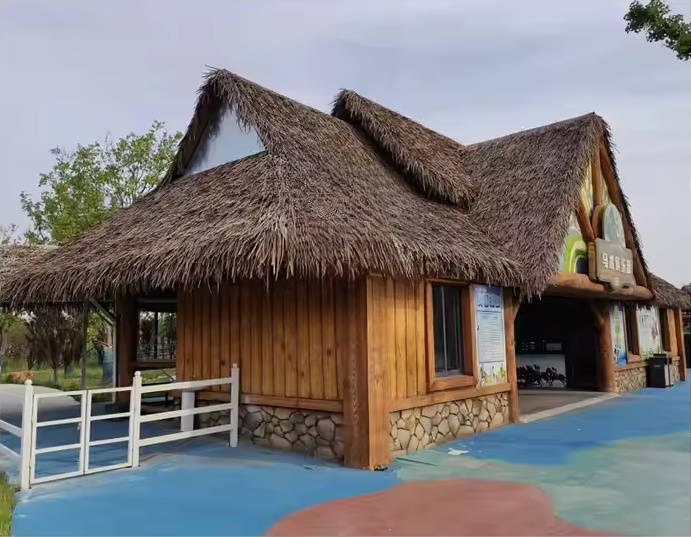
Building or renovating a thatched roof cottage requires careful consideration of materials that can withstand various weather conditions while maintaining the authentic aesthetic appeal of traditional thatching. The selection of appropriate materials directly impacts the longevity, maintenance requirements, and overall performance of your thatched roof cottage throughout changing seasons and extreme weather events.
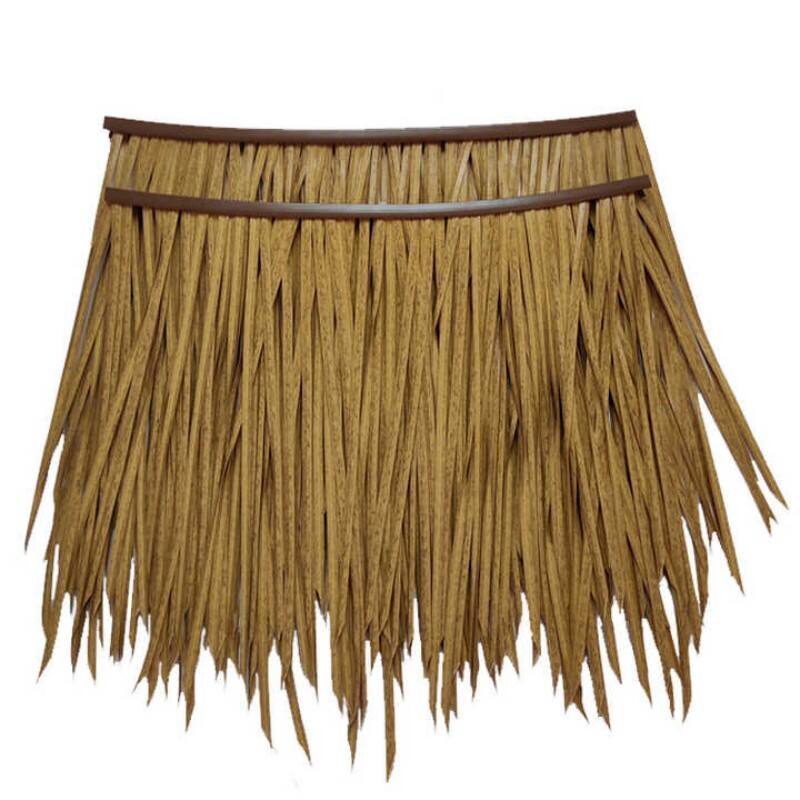
Modern thatched roof cottage construction involves evaluating both traditional natural materials and contemporary synthetic alternatives, each offering distinct advantages in terms of weather resistance, fire safety, and maintenance demands. Understanding the specific characteristics of different thatching materials enables property owners to make informed decisions that balance authenticity with practical durability requirements for their thatched roof cottage project.
Understanding Material Categories for Thatched Roof Construction
Traditional Natural Thatching Materials
Natural thatching materials have been used for centuries in thatched roof cottage construction, with water reed, wheat straw, and combed wheat reed representing the most common options. Water reed offers exceptional durability and weather resistance, typically lasting 50-80 years when properly installed and maintained. This material naturally sheds water due to its smooth surface and dense structure, making it ideal for thatched roof cottage applications in regions with moderate to heavy rainfall.
Wheat straw provides a softer, more traditional appearance for a thatched roof cottage, though it requires more frequent maintenance and replacement compared to water reed. The material's natural oils provide some water resistance, but proper installation techniques and regular maintenance are essential for weather protection. Long straw thatching creates the quintessential rounded ridge appearance that many associate with traditional thatched roof cottage design.
Combed wheat reed combines aspects of both water reed and straw, offering improved durability over basic straw while maintaining the desired aesthetic characteristics. This material works particularly well for thatched roof cottage projects where owners want enhanced weather resistance without sacrificing the traditional appearance completely.
Modern Synthetic Thatching Solutions
Synthetic thatching materials have emerged as viable alternatives for thatched roof cottage construction, offering superior weather resistance and reduced maintenance requirements. High-density polyethylene (HDPE) synthetic thatch provides excellent UV resistance, fire retardancy, and moisture protection while mimicking the appearance of natural materials. These synthetic options often include warranties of 15-20 years, significantly reducing long-term maintenance costs for thatched roof cottage owners.
Advanced synthetic materials incorporate anti-UV additives and flame-retardant properties that exceed the safety standards of traditional materials. For thatched roof cottage applications in challenging climates, synthetic options provide consistent performance without the seasonal variation and gradual degradation associated with natural materials. The installation process for synthetic materials often proves simpler and faster than traditional thatching methods.
Modern synthetic thatching systems often include integrated fastening mechanisms and standardized panel sizes that simplify installation while ensuring consistent weather protection. These materials resist insect infestation, mold growth, and UV degradation that commonly affect natural thatching materials in thatched roof cottage applications.
Weather Resistance Factors in Material Selection
Water Management and Moisture Protection
Effective water management represents the primary weather resistance concern for any thatched roof cottage system. Traditional materials rely on proper installation angle, thickness, and layering techniques to create water-shedding surfaces that direct moisture away from the structure. The pitch of the roof, typically ranging from 45-50 degrees, works in conjunction with material properties to ensure effective drainage.
Modern synthetic materials often incorporate engineered drainage channels and overlapping systems that provide superior water management compared to traditional options. These materials maintain consistent water-shedding properties regardless of age or weather exposure, unlike natural materials that may compact or shift over time. For thatched roof cottage applications in high-rainfall regions, synthetic materials offer predictable long-term performance.
Proper vapor barrier installation beneath the thatching material prevents condensation issues that could compromise the structural integrity of a thatched roof cottage. The selection of breathable yet water-resistant underlayment materials ensures that the roof system can manage both external moisture and internal humidity effectively.
Wind Resistance and Structural Stability
Wind resistance capabilities vary significantly between different thatching materials and installation methods used in thatched roof cottage construction. Traditional materials rely on proper tying and securing techniques that have been refined over centuries of use in various climatic conditions. The flexibility of natural materials allows them to move with wind forces without breaking, though this flexibility can lead to gradual loosening over time.
Synthetic thatching materials often provide superior wind resistance through engineered fastening systems and consistent material properties that don't degrade with exposure. Panel-based synthetic systems can be secured with mechanical fasteners that provide predictable wind resistance ratings, making them suitable for thatched roof cottage projects in areas prone to severe weather events.
The ridge construction of a thatched roof cottage plays a crucial role in overall wind resistance, requiring careful material selection and installation techniques regardless of whether natural or synthetic materials are used. Ridge capping systems must accommodate thermal expansion and contraction while maintaining secure attachment to the underlying roof structure.
Climate-Specific Material Considerations
Hot Climate Performance Requirements
Thatched roof cottage construction in hot climates requires materials that can withstand intense UV exposure, thermal cycling, and potential fire hazards from dry conditions. Natural materials like water reed perform well in moderate heat but may become brittle and fire-prone during extended dry periods. Regular maintenance and fire-prevention measures become critical for thatched roof cottage safety in hot climates.
Synthetic materials designed for tropical applications often include enhanced UV stabilizers and reflective properties that reduce heat absorption and thermal stress. These materials maintain their structural integrity and appearance even under intense solar exposure that would degrade natural materials over time. For thatched roof cottage projects in consistently hot climates, synthetic options often provide better long-term value.
Ventilation considerations become particularly important for thatched roof cottage designs in hot climates, regardless of material choice. Proper air circulation through the thatch layer helps regulate temperature and moisture levels, preventing damage from thermal expansion and reducing fire risk during dry seasons.
Cold Climate Durability Factors
Cold climate applications for thatched roof cottage construction present unique challenges related to freeze-thaw cycles, snow loading, and ice dam formation. Natural materials must resist moisture absorption that could lead to freeze damage, while synthetic materials must maintain flexibility at low temperatures to prevent cracking or breaking under snow loads.
Ice dam prevention requires careful attention to roof ventilation and insulation details that work in conjunction with the selected thatching material. Traditional materials provide natural insulation properties but may create conditions for ice dam formation if not properly ventilated. Synthetic materials often require additional insulation layers to achieve similar thermal performance.
Snow shedding characteristics differ between material types, with some synthetic options providing smoother surfaces that facilitate snow removal while others offer texture that helps retain snow for insulation benefits. The choice depends on specific climate conditions and the desired performance characteristics for the thatched roof cottage application.
Installation and Maintenance Considerations
Professional Installation Requirements
Successful thatched roof cottage construction requires skilled craftsmen familiar with proper installation techniques for the selected materials. Traditional thatching demands extensive experience with laying, securing, and shaping techniques that have been passed down through generations of craftsmen. The availability of qualified thatchers may influence material selection for thatched roof cottage projects.
Synthetic thatching systems often come with detailed installation instructions and standardized procedures that can be followed by trained roofing contractors without specialized thatching experience. This accessibility can reduce installation costs and timeline for thatched roof cottage projects while ensuring consistent quality and weather resistance.
Quality control during installation directly impacts the long-term weather resistance and appearance of any thatched roof cottage. Proper material handling, storage, and installation procedures must be followed regardless of material type to achieve optimal performance and warranty coverage.
Long-term Maintenance Planning
Maintenance requirements vary significantly between natural and synthetic materials used in thatched roof cottage construction. Natural materials typically require annual inspections and periodic repairs or replacement of damaged sections, with complete re-thatching needed every 20-50 years depending on material type and climate conditions.
Synthetic thatching materials generally require minimal maintenance beyond periodic cleaning and inspection for mechanical damage. The consistent properties of synthetic materials eliminate concerns about biological degradation, insect damage, and weathering that affect natural materials in thatched roof cottage applications.
Developing a comprehensive maintenance plan during the design phase ensures that material selection aligns with the owner's long-term maintenance capabilities and budget. This planning should consider access requirements, local contractor availability, and replacement material sourcing for the chosen thatched roof cottage system.
FAQ
What is the most weather-resistant material for a thatched roof cottage?
Water reed is generally considered the most weather-resistant natural material for thatched roof cottage construction, offering 50-80 years of service life with proper installation and maintenance. However, modern HDPE synthetic thatching materials often provide superior weather resistance with warranties of 15-20 years and minimal maintenance requirements, making them excellent choices for challenging climates or when reduced maintenance is prioritized.
How do synthetic materials compare to traditional thatch in terms of authenticity?
High-quality synthetic thatching materials have been developed to closely mimic the appearance and texture of traditional materials while providing enhanced weather resistance. While purists may prefer natural materials for historical accuracy, modern synthetic options offer convincing aesthetics that satisfy most thatched roof cottage applications while delivering superior performance and longevity.
What factors should influence material selection for different climate zones?
Climate-specific factors include UV exposure intensity, temperature extremes, rainfall patterns, wind conditions, and fire risk. Hot, dry climates favor materials with UV resistance and fire retardancy, while cold climates require materials that resist freeze-thaw damage and maintain flexibility. High-rainfall areas need materials with excellent water-shedding properties, and windy locations require superior mechanical attachment systems for the thatched roof cottage.
How does material choice affect the overall cost of a thatched roof cottage project?
While synthetic materials may have higher initial costs, they often provide better long-term value through reduced maintenance requirements and longer service life. Traditional materials may have lower upfront costs but require specialized installation labor and more frequent maintenance. The total cost of ownership should include material costs, installation expenses, maintenance requirements, and expected service life when evaluating options for a thatched roof cottage project.
Table of Contents
- Understanding Material Categories for Thatched Roof Construction
- Weather Resistance Factors in Material Selection
- Climate-Specific Material Considerations
- Installation and Maintenance Considerations
-
FAQ
- What is the most weather-resistant material for a thatched roof cottage?
- How do synthetic materials compare to traditional thatch in terms of authenticity?
- What factors should influence material selection for different climate zones?
- How does material choice affect the overall cost of a thatched roof cottage project?