 EN
EN
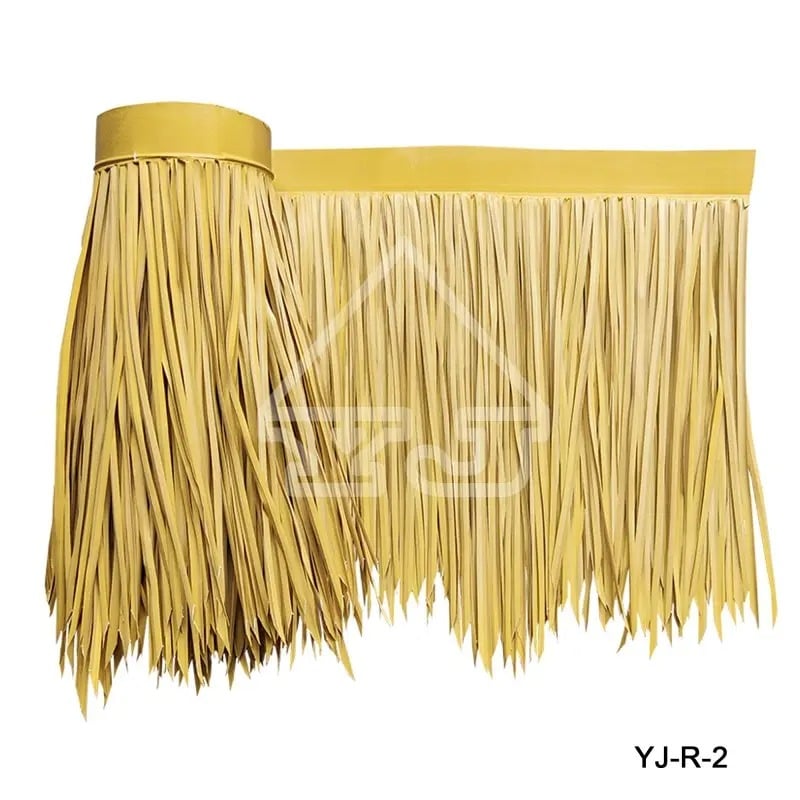
The choice between cottage thatched and natural thatch roofing represents a critical decision for property owners seeking authentic heritage aesthetics with modern reliability. While these terms are often used interchangeably, cottage thatched systems and natural thatch materials exhibit distinct performance characteristics that directly impact longevity, maintenance requirements, and overall cost of ownership. Understanding these performance differences is essential for making an informed investment in your roof, particularly when heritage preservation and structural integrity must align with practical durability expectations.
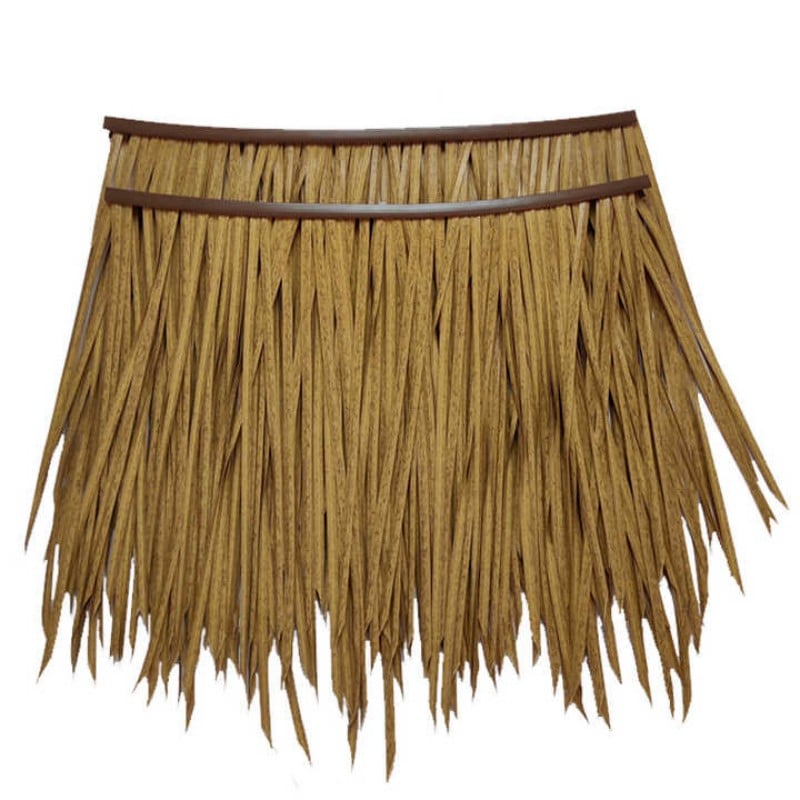
Cottage thatched roofing has evolved significantly over centuries, and today's implementations blend traditional craftsmanship with enhanced material science. Natural thatch, derived from straw, reed, or water-reeds, remains the purest form of heritage roofing but demands rigorous maintenance and carries inherent vulnerabilities to weather, pests, and decay. By examining the performance differences between cottage thatched systems and traditional natural thatch, property owners can determine which solution best serves their climate, budget, and long-term architectural goals.
Durability and Weather Resistance Characteristics
Cottage Thatched Material Longevity
Cottage thatched roofing, particularly when constructed with modern reinforced materials, typically achieves service lifespans of 15 to 25 years with proper installation and maintenance. Advanced cottage thatched systems incorporate treated reed fibers, synthetic reinforcement layers, and improved fixing techniques that enhance resistance to severe weather events, including high winds, heavy rainfall, and temperature fluctuations. The cottage thatched approach balances heritage appearance with enhanced durability, making it suitable for properties in regions with unpredictable weather patterns or high exposure to coastal salt spray and atmospheric pollution.
Weather testing of cottage thatched materials demonstrates superior water shedding capability compared to traditional implementations, thanks to tighter fiber packing and engineered ridge systems that prevent moisture infiltration at critical failure points. When installed by skilled thatchers, cottage thatched roofs withstand freeze-thaw cycles more effectively, reducing the ice dam formation and subsequent internal water damage that compromises structural integrity over time.
Natural Thatch Performance Limitations
Natural thatch, while undeniably beautiful and environmentally pure, typically exhibits a service life of 12 to 20 years depending on reed quality, local climate, and maintenance discipline. Pure natural thatch remains vulnerable to moss and algae growth in damp climates, fungal decay in areas with high humidity, and insect colonization, particularly by birds nesting within the material itself. Unlike cottage thatched systems, natural thatch requires consistent professional inspection and intervention to address emerging vulnerabilities before they compromise the roof's protective function.
Heavy rainfall events pose particular challenges for natural thatch, which relies on material density and overlap consistency to shed water. Poorly maintained natural thatch sections can develop water pooling zones where moisture penetrates into the underlying structure, creating ideal conditions for dry rot and timber decay that extends repair costs far beyond simple thatch re-covering.
Maintenance Requirements and Long-Term Cost Impact
Cottage Thatched Maintenance Protocols
Cottage thatched roofing generally demands less intensive maintenance than pure natural thatch, with annual inspections sufficient for most climates rather than semi-annual professional evaluations. Treated materials used in cottage thatched construction resist fungal colonization more effectively, reducing the need for chemical moss treatment applications that add both cost and environmental burden. The cottage thatched approach allows property owners to schedule maintenance work during optimal weather windows without the urgency that natural thatch deterioration often demands.
Repair costs for cottage thatched systems scale more predictably because localized damage can often be patched without requiring full ridge replacement or large-scale re-thatching operations. Replacement fiber materials for cottage thatched work are more standardized and available through established suppliers, eliminating the scarcity premium that specialized natural reed sometimes commands during peak maintenance seasons.
Natural Thatch Maintenance Intensity
Natural thatch requires seasonal proactive interventions including moss removal, ridge maintenance, and close monitoring for pest activity that cottage thatched systems largely eliminate. The organic composition of natural thatch makes it inherently susceptible to biological colonization, necessitating regular chemical treatments or mechanical cleaning that cottage thatched materials resist through material composition alone. Property owners of natural thatch roofs must budget for 15 to 20 percent higher annual maintenance costs compared to cottage thatched alternatives in equivalent climates.
Specialized thatcher availability presents another significant constraint for natural thatch maintenance, as the skilled labor market has contracted significantly in recent decades. Cottage thatched systems, while still requiring professional installation, can often be maintained or repaired by a broader pool of competent roofing specialists, reducing dependency on scarce heritage craftspeople and associated premium labor costs.
Climate Suitability and Regional Performance Variations
Cottage Thatched Regional Adaptation
Cottage thatched roofing demonstrates superior performance in challenging climates where humidity extremes, salt exposure, or intense sunlight accelerates natural material degradation. Coastal properties benefit significantly from cottage thatched specifications because the engineered materials resist salt spray corrosion while maintaining traditional aesthetic appeal. Tropical and subtropical regions increasingly adopt cottage thatched solutions for heritage resorts and period properties because treated fibers resist fungal proliferation while natural thatch would require constant intervention in those environments.
Alpine and high-altitude properties also favor cottage thatched systems due to improved performance under heavy snow loads and frequent freeze-thaw cycling. The material consistency of cottage thatched construction allows engineers to specify reinforcement appropriate for regional wind speeds and precipitation patterns in ways that variable natural thatch cannot reliably achieve.
Natural Thatch Climate Preferences
Natural thatch performs optimally in temperate maritime climates with moderate rainfall, stable temperatures, and low humidity extremes. England's South and Southwest regions, characteristically cooler and drier than continental locations, provided historically favorable conditions for long-lasting natural thatch, explaining the technology's heritage prominence in those geographies. Contemporary natural thatch roofs in humid continental climates or tropical regions require substantially greater maintenance investment than cottage thatched alternatives to prevent premature deterioration.
Arid climates generally suit both cottage thatched and natural thatch equally well because fungal and biological threats diminish. However, intense sunlight in desert regions accelerates fiber brittleness in untreated natural thatch, making cottage thatched systems with UV-resistant treatments the practical choice for long-term performance reliability.
Cost Comparison and Economic Decision Framework
Initial Installation Investment
Cottage thatched installation typically costs 10 to 20 percent less than authentic natural thatch due to material standardization and faster installation procedures that don't require extensive in-situ shaping and blending work. The cottage thatched approach benefits from predictable material pricing, whereas natural reed sourcing fluctuates based on seasonal availability and international market conditions that can create unexpected cost escalations during project execution phases.
Labor costs for cottage thatched installation remain lower than natural thatch because the work process is more standardized and requires less specialized expertise in material assessment and adaptive detailing. A skilled thatcher commands premium compensation for natural thatch work, while cottage thatched installation remains accessible to competent roofing professionals with heritage project experience but without decades of specialized craft training.
Lifecycle Economic Performance
Over a 30-year ownership period, cottage thatched roofing typically delivers superior economic performance through lower annual maintenance costs, fewer emergency repairs, and more predictable end-of-life replacement timing. The cumulative maintenance expense for natural thatch often exceeds cottage thatched alternatives by 40 to 60 percent when calculated across multiple inspection cycles, seasonal treatments, and pest management interventions required in challenging climates.
Cottage thatched roofing allows more accurate financial planning because replacement cycles are predictable and material costs stable. Natural thatch introduces economic uncertainty through unpredictable deterioration patterns, specialist labor scarcity premiums, and material sourcing volatility that complicates multi-decade financial projections and heritage property investment analysis.
FAQ
What is the primary advantage of cottage thatched roofing over natural thatch?
Cottage thatched roofing combines heritage aesthetics with reduced maintenance requirements, superior weather resistance, and more predictable lifecycle costs. While natural thatch represents pure historical authenticity, cottage thatched systems deliver better performance in modern climates, particularly in regions with high humidity, salt exposure, or temperature extremes that compromise untreated natural materials.
Can natural thatch be maintained longer than cottage thatched roofing?
Natural thatch can achieve equivalent service lifespans to cottage thatched systems when maintained religiously in optimal climates, but this requires substantially greater investment in professional inspections, treatments, and interventions. In challenging environments, cottage thatched materials consistently outlast natural thatch because engineered properties resist the biological and environmental degradation that untreated fibers cannot overcome, regardless of maintenance intensity.
Is cottage thatched roofing suitable for heritage property restoration?
Yes, modern cottage thatched systems are designed specifically for heritage restoration projects where authentic appearance must be balanced with practical durability requirements. Many heritage conservation authorities now accept high-quality cottage thatched specifications that respect traditional proportions and ridge detailing while incorporating modern materials that ensure long-term structural integrity and reduced maintenance burdens on property owners.