 EN
EN
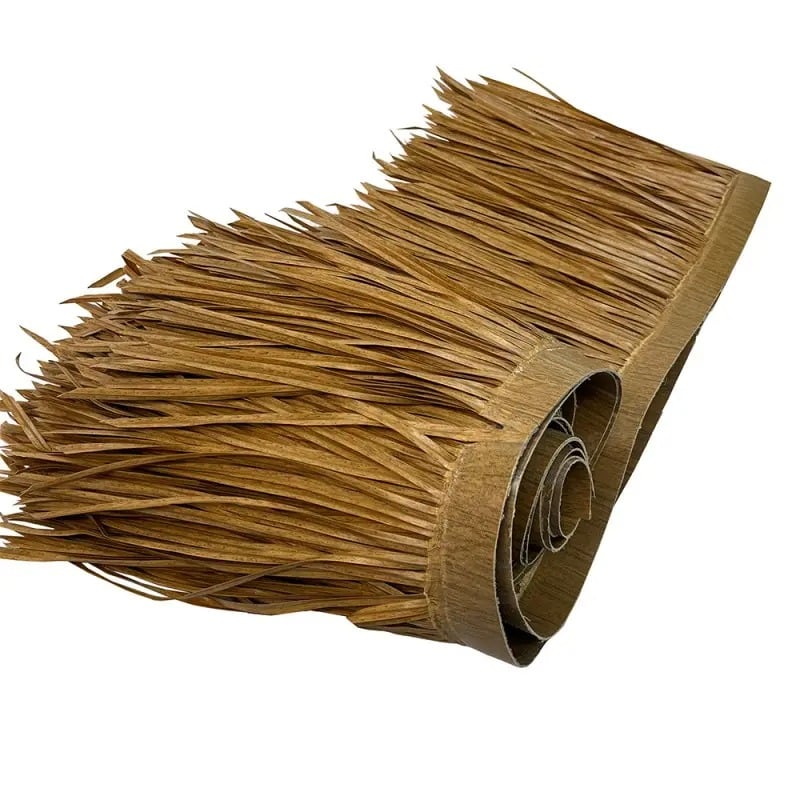
The cottage thatched roofing tradition has persisted for centuries, and modern cottage thatched materials now represent a compelling intersection of environmental responsibility and economic value. Property owners and builders increasingly recognize that cottage thatched solutions deliver measurable sustainability advantages while maintaining competitive lifecycle costs compared to conventional roofing systems. Understanding how cottage thatched materials achieve these dual benefits requires examining both the environmental science and the practical financial implications for residential and heritage properties.
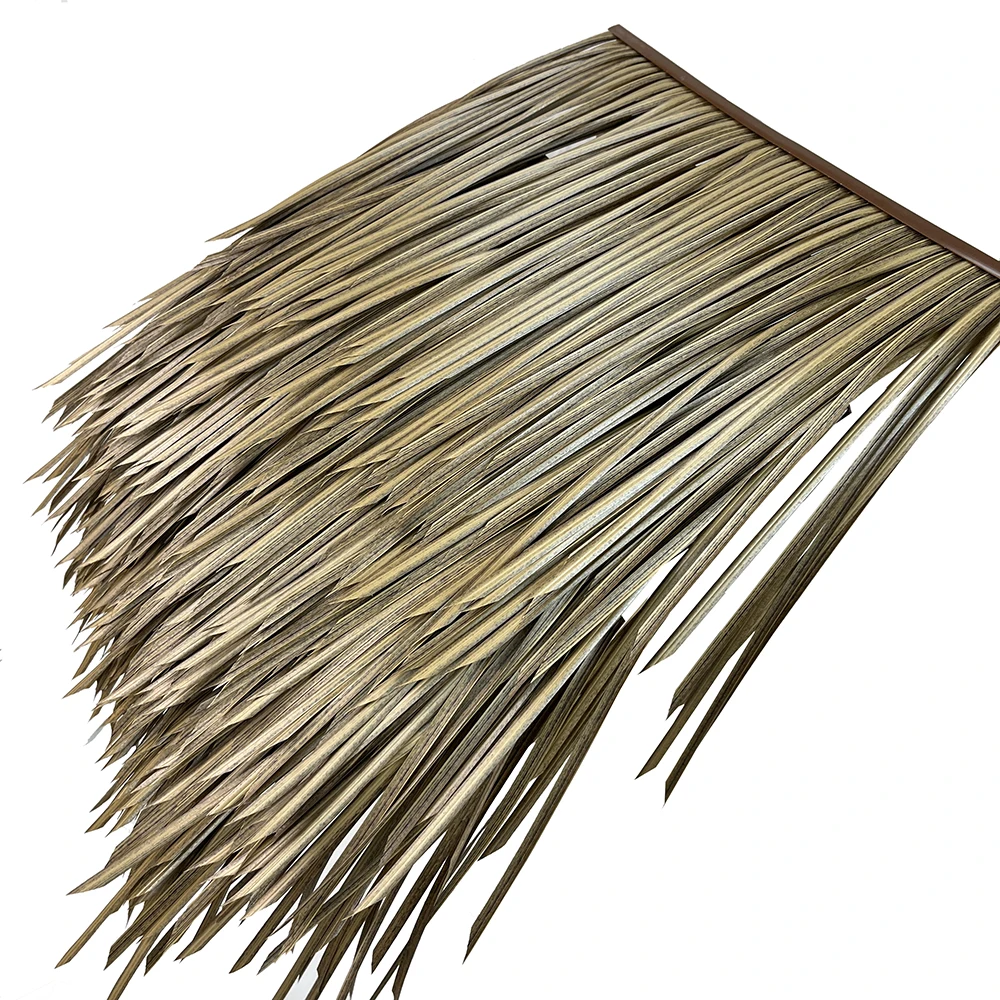
Contemporary cottage thatched materials have evolved significantly from historical versions, incorporating advanced manufacturing techniques that enhance durability, fire resistance, and thermal performance. These modern iterations of cottage thatched roofing maintain the aesthetic charm of traditional architecture while meeting current building standards and environmental regulations. The combination of heritage appeal and contemporary performance makes cottage thatched an attractive choice for property owners seeking responsible building solutions that do not compromise on character or functionality.
Environmental Advantages of Cottage Thatched Systems
Reduced Carbon Footprint and Sustainable Sourcing
Cottage thatched materials, particularly those derived from natural fibers and renewable sources, significantly reduce the carbon footprint associated with roof installation and maintenance. Unlike synthetic petroleum-based roofing products requiring energy-intensive manufacturing, cottage thatched solutions often utilize agricultural byproducts and sustainably harvested natural materials. The production process for quality cottage thatched roofing generates lower greenhouse gas emissions, contributing measurably to environmental protection goals. Many cottage thatched suppliers now source materials from certified sustainable forestry and agricultural operations, ensuring responsible resource management throughout the supply chain.
Long-Term Biodegradability and Ecosystem Impact
A distinct environmental advantage of cottage thatched materials lies in their biodegradability at end-of-life, contrasting sharply with synthetic roofing products that persist in landfills for decades. When cottage thatched roofing eventually reaches the end of its service life, the material returns harmlessly to natural cycles rather than accumulating as persistent waste. This property makes cottage thatched an inherently sustainable choice aligned with circular economy principles. The reduced landfill burden from cottage thatched materials translates into lower environmental remediation costs and reduced pressure on waste management infrastructure over extended timeframes.
Economic Benefits and Cost Efficiency of Cottage Thatched Roofing
Lower Lifecycle Costs and Maintenance Economics
The economic proposition for cottage thatched materials becomes compelling when analyzing true lifecycle costs rather than initial purchase price alone. High-quality cottage thatched roofing systems typically demonstrate exceptional longevity, often lasting 40 to 60 years with proper maintenance, matching or exceeding conventional roofing alternatives. Maintenance costs for cottage thatched materials remain moderate and predictable, involving periodic inspection and localized repairs rather than wholesale replacement. The cost-per-year metric for cottage thatched systems often proves favorable compared to asphalt shingles or metal roofing requiring more frequent replacement cycles and emergency repair interventions.
Energy Efficiency and Operational Savings
Cottage thatched materials provide natural thermal insulation properties that reduce heating and cooling energy demands throughout the year. The thermal mass and air-trapping characteristics of traditional cottage thatched construction create effective natural buffers against temperature extremes. Properties featuring cottage thatched roofing systems often report measurable reductions in HVAC operational costs, with energy savings accumulating substantially over decades. These operational efficiencies translate into reduced utility bills and lower ongoing energy expenses, creating genuine economic benefit beyond the initial installation investment in cottage thatched solutions.
Practical Implementation and Market Considerations for Cottage Thatched Adoption
Market Availability and Regional Feasibility
The availability of quality cottage thatched materials varies significantly by geographic region, influenced by local building traditions and supplier networks. Regions with established heritage preservation sectors typically offer reliable cottage thatched sourcing and experienced installation expertise, ensuring proper application of materials. Property owners considering cottage thatched adoption should evaluate local supplier capacity and labor availability before committing to projects. Modern cottage thatched manufacturers increasingly distribute products through wider geographic networks, improving accessibility for properties outside traditional thatching regions while maintaining quality standards and material consistency.
Regulatory Compliance and Building Standard Alignment
Contemporary cottage thatched materials must satisfy modern building codes, fire safety requirements, and structural performance standards established by jurisdictional authorities. Advanced formulations of cottage thatched roofing now incorporate fire-retardant treatments and engineered durability enhancements ensuring compliance with stringent regulations. Property owners investing in cottage thatched systems should verify that selected materials meet applicable building standards and secure necessary permits before installation. The regulatory landscape increasingly favors sustainable building materials like quality cottage thatched products, with some jurisdictions offering incentives or expedited approvals for environmentally responsible roofing solutions.
FAQ
How do cottage thatched materials compare environmentally to conventional roofing options?
Cottage thatched materials typically generate lower carbon emissions during manufacturing, utilize renewable or recycled sources, and remain biodegradable at end-of-life, outperforming petroleum-based synthetic roofing in environmental impact metrics. Traditional asphalt shingles and many metal roofing alternatives require energy-intensive refining and processing, while cottage thatched solutions leverage natural material properties requiring minimal transformation. The biodegradability advantage of cottage thatched materials means zero persistent waste accumulation, whereas conventional roofing products remain in landfills indefinitely, creating long-term environmental liabilities.
What economic advantages justify higher initial costs for cottage thatched roofing installations?
Cottage thatched materials deliver superior lifecycle economics through exceptional longevity, low maintenance requirements, and natural energy efficiency that reduces operational costs over 40 to 60 year service periods. When spreading total ownership costs across the full service life, cottage thatched systems often prove less expensive annually than roofing alternatives requiring replacement every 15 to 25 years. Energy savings from thermal insulation properties of cottage thatched construction accumulate substantially over decades, offsetting premium installation costs and generating net financial advantage for property owners with extended ownership horizons.
Are modern cottage thatched materials suitable for contemporary building codes and safety requirements?
Advanced cottage thatched formulations now incorporate fire-retardant treatments, engineered durability enhancements, and structural reinforcement meeting or exceeding current building codes and safety standards in most jurisdictions. Modern cottage thatched materials undergo rigorous testing for fire performance, weather resistance, and structural integrity before market distribution. Property owners should verify specific product certifications and compliance documentation with local building authorities, as cottage thatched solutions meeting approved standards provide both safety assurance and regulatory approval for residential applications.