 EN
EN

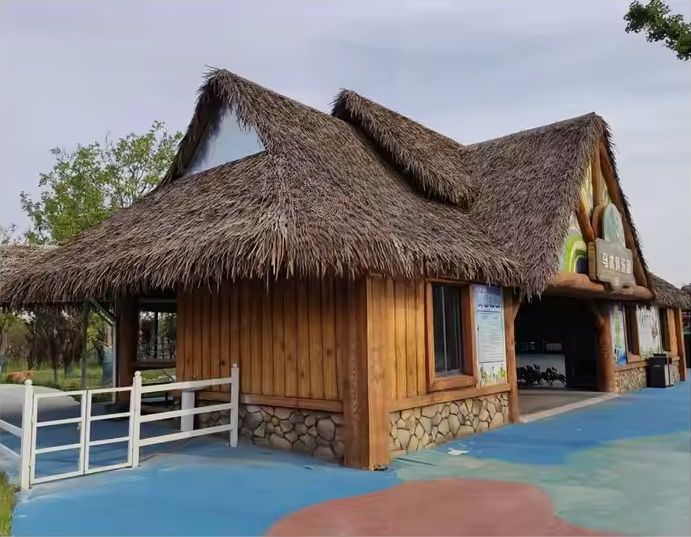
Synthetic thatch roof materials have transformed commercial roofing by combining the aesthetic charm of traditional thatching with modern durability and ease of installation. Unlike natural thatch, synthetic thatch roof materials deliver consistent performance without the maintenance burden or susceptibility to weather degradation. For commercial building owners and facility managers, understanding the proper installation methodology of synthetic thatch roof materials is essential to achieving long-term value, visual appeal, and structural integrity.
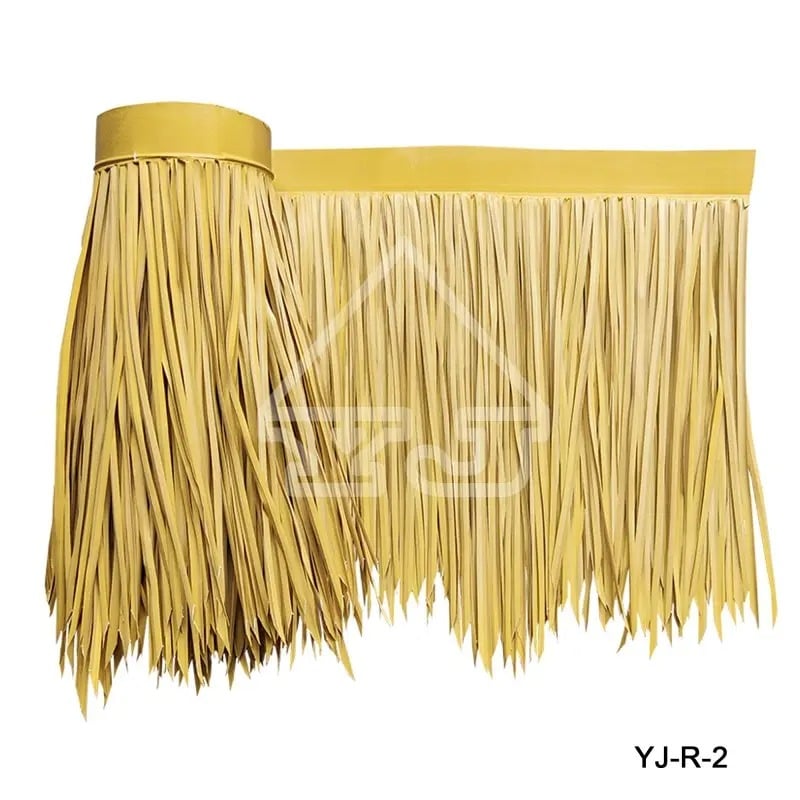
Commercial buildings require roofing solutions that balance aesthetic preferences with practical performance demands. Synthetic thatch roof materials offer this balance while simplifying the installation process compared to labor-intensive natural alternatives. This guide covers the complete methodology for applying synthetic thatch roof materials to commercial structures, from preparation through final finishing, enabling your project team to execute installations that meet both design intent and operational expectations.
Pre-Installation Assessment and Structural Preparation
Evaluating Building Structure for Synthetic Thatch Roof Materials Compatibility
Before installing synthetic thatch roof materials, your structural engineering team must verify that the underlying roof framing can support the material weight and wind load requirements. Synthetic thatch roof materials typically weigh between 8 to 12 pounds per square foot, depending on density and thickness specifications. Commercial buildings with older timber frame construction may require reinforcement assessment, while modern steel or concrete deck systems generally accommodate synthetic thatch roof materials without modification. A licensed structural engineer should confirm loading capacity and identify any areas where additional bracing or support may be necessary before installation proceeds.
Surface Preparation and Substrate Conditioning
Proper substrate preparation determines the long-term performance of synthetic thatch roof materials. The existing roof surface must be clean, dry, and structurally sound to receive synthetic thatch roof materials. Remove all debris, loose materials, and vegetation from the substrate. If the commercial building has an existing roof covering, decide whether to strip it completely or install synthetic thatch roof materials over the existing layer—a decision that depends on structural capacity and local building codes. Apply a moisture barrier or underlayment appropriate to your climate zone before laying synthetic thatch roof materials. This preparation step prevents moisture infiltration and ensures synthetic thatch roof materials bond correctly to the substrate.
Installation Techniques for Synthetic Thatch Roof Materials
Rolling and Securing Synthetic Thatch Roof Materials
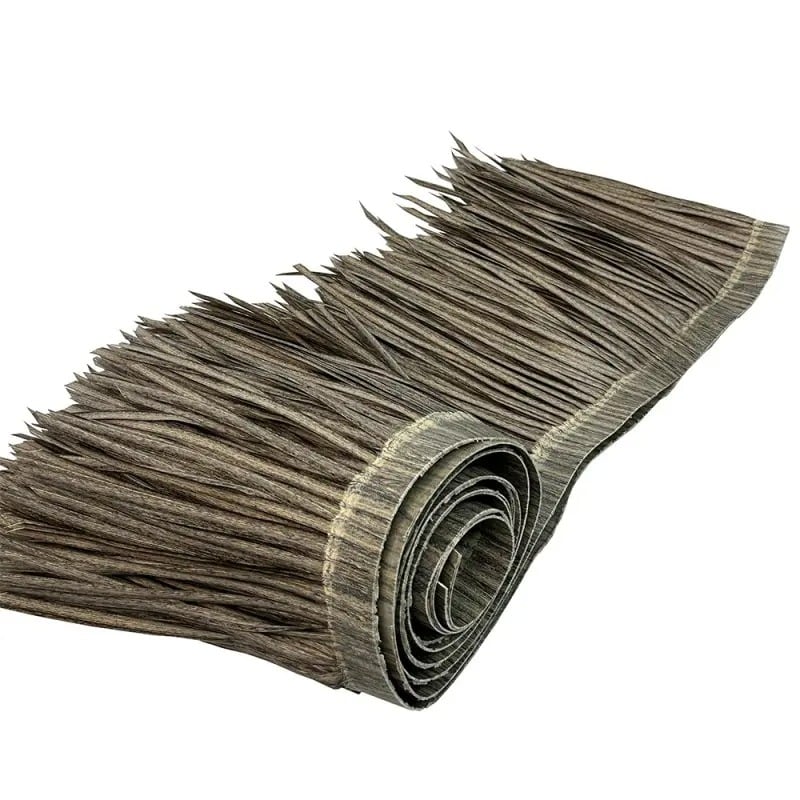
Installing synthetic thatch roof materials begins with careful unrolling and positioning across the roof surface. Modern synthetic thatch roof materials typically come in roll form, making application more efficient than traditional methods. Begin installation at the lowest point of the roof and progress upward, overlapping each course by the manufacturer-specified amount. Use galvanized fasteners or stainless steel hardware rated for outdoor exposure when securing synthetic thatch roof materials to the substrate. Fasteners should penetrate completely through the material and at least 1.5 inches into the roof deck or substrate. Space fasteners according to manufacturer specifications—typically 12 to 16 inches apart across the width and 18 to 24 inches along the length—ensuring even load distribution across the synthetic thatch roof materials. Use caution not to over-drive fasteners, as this can compress synthetic thatch roof materials and reduce their weather resistance.
Sealing Seams and Creating Weather-Tight Connections
Seam sealing is critical for preventing water infiltration through synthetic thatch roof materials. Where two rolls of synthetic thatch roof materials meet, apply a compatible adhesive or sealant strip rated for the material composition and climate conditions. Press seams firmly together and allow adhesive to cure per manufacturer guidance before exposing synthetic thatch roof materials to weather. At ridges, valleys, and penetrations, use metal flashing or specialized connector pieces designed for synthetic thatch roof materials. These elements create transitions that shed water away from underlying structures and protect the exposed edges of synthetic thatch roof materials. Ensure all flashing overlaps the upper course of synthetic thatch roof materials by at least 4 inches to direct water runoff safely off the roof surface.
Finishing Touches and Quality Assurance for Synthetic Thatch Roof Materials
Edge Treatment and Trim Application
The perimeter edges of synthetic thatch roof materials require protective finishing to prevent unraveling and weather damage. Install edge trim or drip edge along all horizontal roof margins, ensuring the metal element extends below synthetic thatch roof materials to guide water into gutters or drainage systems. At the building's highest points, install ridge caps that accommodate the profile of synthetic thatch roof materials while creating a finished appearance. These caps should be secured with corrosion-resistant fasteners and sealed with material-compatible sealant. For commercial buildings with architectural significance, consider customizing edge details to match the design aesthetic while maintaining the protective function of synthetic thatch roof materials installations.
Inspection, Testing, and Performance Verification
After installing synthetic thatch roof materials, conduct a comprehensive inspection to verify installation quality and readiness for operation. Walk the entire roof surface, checking fastener spacing, seam alignment, and flashing integration. Perform a water test on small sections of synthetic thatch roof materials to confirm water-shedding performance before the system experiences heavy rainfall. Verify that all synthetic thatch roof materials overlap correctly and that no exposed substrate or fastener heads remain visible. Document the inspection with photographs and create a detailed maintenance log for synthetic thatch roof materials covering inspection dates, any repairs performed, and manufacturer-recommended servicing schedules. This documentation supports warranty claims and informs future maintenance decisions regarding synthetic thatch roof materials.
FAQ
How long does it take to install synthetic thatch roof materials on a commercial building?
Installation time for synthetic thatch roof materials depends on roof area, complexity, and weather conditions. A typical commercial roof installation using synthetic thatch roof materials may take 3 to 7 days for a 10,000-square-foot structure, assuming favorable weather and experienced installation crews. Factors that extend timelines include complex roof geometries, multiple valleys or penetrations, and seasonal weather constraints. Pre-installation preparation typically requires 1 to 3 additional days. Scheduling synthetic thatch roof materials installation during dry seasons with stable temperatures optimizes crew productivity and material performance.
What maintenance is required after synthetic thatch roof materials installation?
Synthetic thatch roof materials require minimal maintenance compared to natural alternatives. Inspect the roof annually and after severe weather events for debris accumulation, fastener corrosion, or seam separation in synthetic thatch roof materials. Clear leaves, branches, and dirt from the roof surface and gutters to prevent water pooling. Check flashing around penetrations where synthetic thatch roof materials meets ductwork or vents. Most synthetic thatch roof materials benefit from periodic rinsing with low-pressure water to maintain appearance, though pressure washing should be avoided as it can damage synthetic thatch roof materials fibers. Follow manufacturer guidelines for any specific maintenance requirements unique to your synthetic thatch roof materials composition.
Are synthetic thatch roof materials compatible with commercial building codes and insurance requirements?
Most synthetic thatch roof materials meet or exceed standard commercial building codes when installed correctly by qualified contractors. However, building code compliance varies by jurisdiction and specific material specifications, so verify that your synthetic thatch roof materials selection meets local codes before purchasing. Many insurance providers now recognize synthetic thatch roof materials as a legitimate commercial roofing option, though some may apply different premium structures than conventional materials. Contact your insurance provider early in the planning phase to confirm that synthetic thatch roof materials installations will receive coverage without penalties. When installing synthetic thatch roof materials, ensure the contractor provides documentation of fire ratings, wind resistance testing, and impact resistance certifications required by your local authority.