 EN
EN

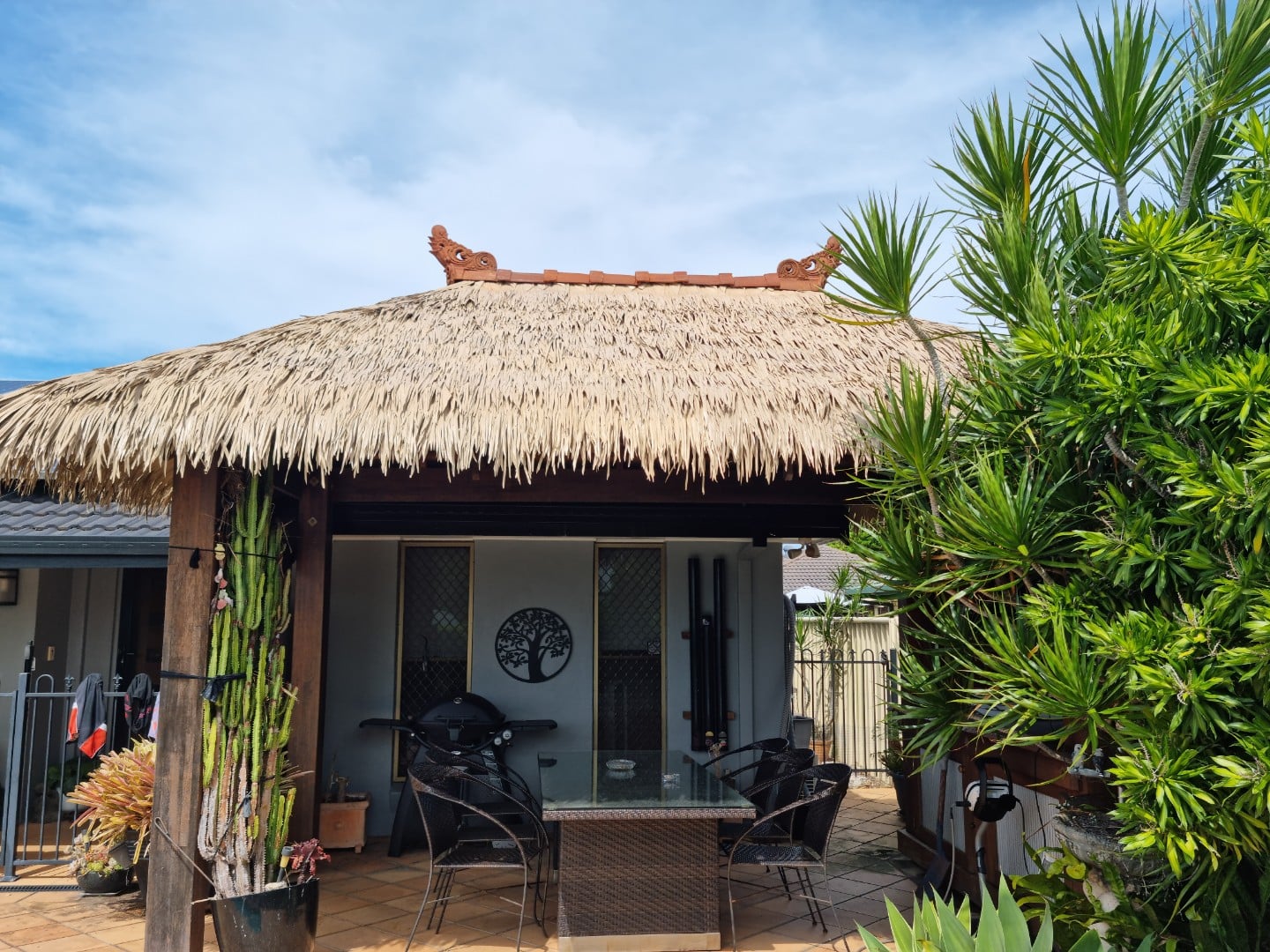
Synthetic thatch roof materials have transformed the roofing industry by combining traditional aesthetics with modern durability and weather resistance. Unlike natural thatch, which requires frequent maintenance and shows vulnerability to moisture, pests, and UV degradation, synthetic thatch roof materials deliver consistent performance across diverse climates and environmental conditions. Property owners, architects, and resort developers increasingly turn to synthetic thatch roof materials because they provide the charm of authentic thatch without compromising on longevity, safety, or weather protection.
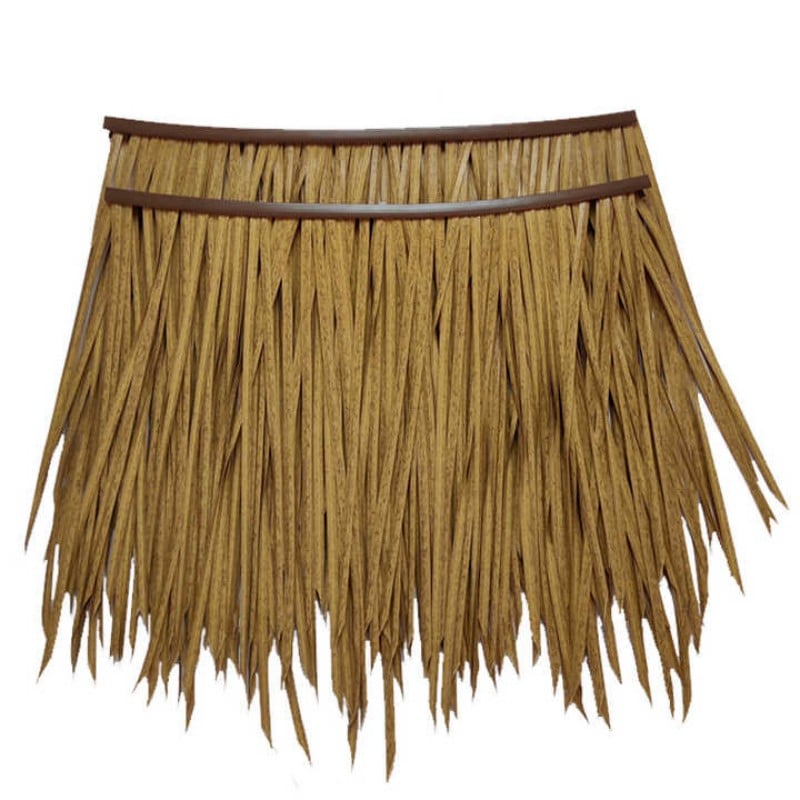
Understanding the weather resistance capabilities of synthetic thatch roof materials is essential for making informed investment decisions. These engineered systems are designed to endure heavy rainfall, strong winds, extreme temperature fluctuations, saltwater exposure, and prolonged UV radiation without losing structural integrity or visual appeal. This comprehensive analysis explores how synthetic thatch roof materials perform under real-world weather stress, what factors influence their durability, and why they represent a superior choice compared to traditional alternatives.
UV Resistance and Sunlight Protection in Synthetic Thatch Roof Materials
Understanding UV Degradation and Long-Term Performance
Synthetic thatch roof materials face constant exposure to ultraviolet radiation, which can cause color fading, brittleness, and structural weakening over time. Quality synthetic thatch roof materials incorporate advanced UV stabilizers and protective coatings that shield the underlying polymer from photochemical breakdown. Manufacturers of premium synthetic thatch roof materials typically offer 15 to 20-year UV warranties, backed by rigorous accelerated weathering tests that simulate decades of direct sunlight exposure within laboratory conditions. The chemical composition of modern synthetic thatch roof materials ensures that ultraviolet rays do not penetrate deeply into the material structure, preventing degradation that would compromise the roof's weather-protective function.
Color Retention and Aesthetic Durability
One of the most visible qualities of quality synthetic thatch roof materials is their ability to maintain natural color throughout their service life. Inferior synthetic thatch roof materials may fade to pale, washed-out tones within five to ten years, detracting from property aesthetics and suggesting premature aging. Superior synthetic thatch roof materials use fade-resistant pigments embedded within the polymer matrix, ensuring that the warm golden straw tones, earthy browns, and regional color variations remain vibrant for two decades or more. This color stability distinguishes premium synthetic thatch roof materials from budget alternatives and demonstrates the manufacturer's commitment to both performance and visual quality.
Weather Impact Resistance: Wind, Rain, and Environmental Stress
Wind Load Performance and Structural Resilience
Synthetic thatch roof materials must withstand severe wind events, including hurricanes and tropical storms that can generate sustained winds exceeding 100 miles per hour. Advanced synthetic thatch roof materials are engineered with interlocking panel designs and reinforced anchoring systems that distribute wind loads across the entire roof structure rather than concentrating stress at individual attachment points. Testing protocols for high-performance synthetic thatch roof materials typically include wind tunnel simulations and uplift pressure measurements conducted at speeds far exceeding standard building codes. This rigorous engineering ensures that synthetic thatch roof materials remain securely fastened during extreme weather events, protecting underlying building structures and preventing the catastrophic failures that sometimes occur with inadequately designed roof systems.
Water Infiltration Prevention and Moisture Management
Heavy rainfall presents a critical test for any roofing system, and synthetic thatch roof materials must channel water away from the building while preventing moisture penetration through panel seams, fastener holes, and overlapping sections. Premium synthetic thatch roof materials incorporate hydrophobic surface treatments, sealed panel joints, and carefully engineered overlaps that create continuous water-shedding paths even during torrential downpours. The material composition of modern synthetic thatch roof materials ensures that water does not absorb into the polymer structure, which would cause swelling, warping, or interior moisture damage. Coastal properties and regions with intense seasonal rainfall particularly benefit from synthetic thatch roof materials because their non-absorbent nature eliminates the mold and algae growth problems that plague natural thatch and compromise structural integrity over time.
Temperature Extremes and Material Performance Stability
Thermal Expansion and Contraction Management
Synthetic thatch roof materials experience significant thermal stress as temperatures swing between extreme heat during daytime hours and cooler nighttime conditions. Materials expand when heated and contract when cooled, and inferior synthetic thatch roof materials may develop visible gaps, buckling, or panel separation as these cycles repeat thousands of times over the roof's lifespan. Premium synthetic thatch roof materials are formulated with thermal stability additives that minimize expansion and contraction rates, allowing panels to maintain their fit and alignment throughout temperature variations. Tropical resorts, desert properties, and high-altitude installations particularly depend on synthetic thatch roof materials that can withstand these thermal stresses without compromising the watertight seal that protects interior spaces from weather infiltration.
Freeze-Thaw Cycle Resilience
In cold climates where temperatures regularly cycle between freezing and thawing, synthetic thatch roof materials must resist the ice formation and pressure buildup that can crack or shatter brittle roofing materials. Advanced synthetic thatch roof materials are formulated to remain flexible at temperatures well below freezing, preventing the material brittleness that causes sudden fractures when subjected to mechanical stress from ice buildup or falling branches. The polymers used in high-quality synthetic thatch roof materials are specifically chosen for their impact resistance and low-temperature ductility, ensuring that freeze-thaw cycles that might damage traditional materials do not compromise the roof's structural soundness. This performance advantage makes synthetic thatch roof materials increasingly popular in snow climates, mountainous regions, and properties that experience seasonal weather extremes.
Chemical Resistance and Environmental Contaminant Protection
Saltwater and Coastal Environment Durability
Beachfront properties, tropical island resorts, and coastal commercial installations expose roofing materials to airborne salt spray and saline fog that corrodes traditional materials and accelerates degradation. Synthetic thatch roof materials incorporate salt-resistant polymers and protective coatings that prevent the electrochemical corrosion and mineral depositing that severely damage metal fasteners, underlying structures, and material surfaces in marine environments. Testing protocols for synthetic thatch roof materials used in coastal applications include extended salt-fog exposure trials that measure material degradation, surface etching, and protective coating breakdown over hundreds of hours of continuous saline exposure. This rigorous evaluation ensures that synthetic thatch roof materials maintain their integrity and aesthetic appeal even when installed in harsh marine climates where natural thatch or conventional roofing materials would deteriorate rapidly.
Chemical Resilience and Maintenance Product Compatibility
Routine roof maintenance often involves cleaning agents, algaecides, and pressure washing that can damage synthetic thatch roof materials if the polymers are not formulated for chemical resistance. Premium synthetic thatch roof materials are tested for compatibility with common cleaning products and standard maintenance protocols to ensure that property owners can maintain their roofs without accelerating material breakdown. The chemical composition of durable synthetic thatch roof materials includes stabilizers that resist oxidation from both environmental ozone and cleaning product residues, preventing the embrittlement and surface degradation that occurs when materials lack adequate chemical protection. This compatibility factor significantly extends the practical lifespan of synthetic thatch roof materials and reduces the risk of unintended damage during routine maintenance activities.
Performance Comparison: Synthetic Thatch Roof Materials Versus Traditional Alternatives
Advantages Over Natural Thatch and Conventional Materials
Natural thatch requires harvesting, on-site installation by skilled craftspeople, and ongoing maintenance that becomes increasingly difficult and expensive as the workforce ages. Synthetic thatch roof materials eliminate these labor-intensive challenges while delivering superior weather resistance, predictable lifespan, and minimal maintenance requirements. Traditional asphalt shingles and metal roofing, while durable, do not replicate the distinctive aesthetic character that synthetic thatch roof materials provide, limiting their appeal for heritage properties, resort developments, and architectural projects seeking authentic period appearance. The ability of synthetic thatch roof materials to combine historical authenticity with modern performance standards creates a unique value proposition that neither natural thatch nor conventional roofing alternatives can match.
Longevity and Cost-Effectiveness Analysis
While initial installation costs for synthetic thatch roof materials may exceed conventional roofing options, the extended service life and minimal maintenance requirements deliver superior long-term cost performance. Premium synthetic thatch roof materials typically remain functional and visually appealing for 25 to 30 years or more, compared to 15 to 20 years for asphalt shingles or 40 to 50 years for metal roofing but with higher maintenance costs. When property owners calculate total cost of ownership including labor, replacement frequency, and ongoing maintenance, synthetic thatch roof materials emerge as a financially sound investment that protects property value while reducing long-term maintenance burden. This cost-effectiveness particularly appeals to commercial property owners, resort operators, and developers managing large portfolios of distinctive buildings.
Installation and Maintenance Best Practices for Maximum Weather Protection
Proper Installation Techniques and Weather Performance Optimization
The weather resistance capabilities of synthetic thatch roof materials depend critically on proper installation that ensures secure fastening, correct panel overlap, and adequate drainage slope. Trained installation professionals must understand the specific requirements for synthetic thatch roof materials, including fastener spacing, sealing methods, and underlying structural compatibility that maximizes weather protection. Incorrect installation of synthetic thatch roof materials can compromise water shedding effectiveness, allow wind uplift during storms, or create thermal movement problems that develop into leaks over time. Property owners should prioritize working with installation contractors who have documented experience with synthetic thatch roof materials and can verify their compliance with manufacturer specifications and building codes.
Ongoing Maintenance and Weather Protection Preservation
While synthetic thatch roof materials require substantially less maintenance than natural thatch, periodic inspections and basic cleaning preserve their weather-protective function and extend their service life. Annual or biannual inspections should verify that fasteners remain tight, panel overlaps remain intact, and debris accumulation does not block water drainage. Light cleaning with soft brushes and mild detergents removes algae, lichen, and environmental deposits that can retain moisture and accelerate weathering of synthetic thatch roof materials. These simple maintenance practices cost far less than the emergency repairs required when weather damage occurs on unmaintained roofs, making preventive care an essential investment in protecting property value and ensuring reliable weather protection.
FAQ
How long do synthetic thatch roof materials last in extreme climates?
Premium synthetic thatch roof materials typically maintain their weather-protective function and visual appeal for 25 to 30 years even in extreme tropical, desert, or alpine climates. The actual lifespan depends on UV exposure intensity, temperature extremes, environmental contaminants, and maintenance quality. Manufacturers of high-performance synthetic thatch roof materials typically offer warranties ranging from 15 to 20 years for UV protection and structural integrity, reflecting their confidence in material durability across diverse environmental conditions.
Can synthetic thatch roof materials withstand hurricane-force winds?
Yes, engineered synthetic thatch roof materials with proper installation can withstand sustained winds exceeding 100 miles per hour when designed and installed according to manufacturer specifications. The interlocking panel systems and reinforced fastening methods used in quality synthetic thatch roof materials distribute wind loads effectively and prevent individual panel failure during severe storms. However, installation quality and underlying structural strength are critical factors; improperly installed synthetic thatch roof materials may not achieve the full wind-resistance performance that properly engineered systems deliver.
Do synthetic thatch roof materials require special maintenance in coastal environments?
Coastal properties benefit from synthetic thatch roof materials' inherent salt resistance, but periodic freshwater rinses help remove accumulated salt deposits and maintain the material's protective surface. Annual inspections are recommended to verify that fasteners show no corrosion and that panel overlaps remain intact and watertight. Unlike natural thatch, which suffers accelerated deterioration in marine climates, synthetic thatch roof materials maintain their integrity with routine maintenance that coastal property owners can typically complete themselves or with professional assistance.
Table of Contents
- UV Resistance and Sunlight Protection in Synthetic Thatch Roof Materials
- Weather Impact Resistance: Wind, Rain, and Environmental Stress
- Temperature Extremes and Material Performance Stability
- Chemical Resistance and Environmental Contaminant Protection
- Performance Comparison: Synthetic Thatch Roof Materials Versus Traditional Alternatives
- Installation and Maintenance Best Practices for Maximum Weather Protection
- FAQ