 EN
EN
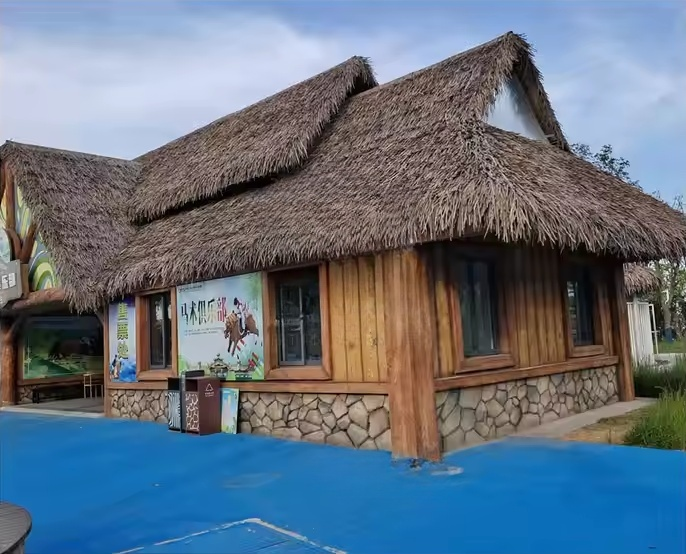
आवास एवं पर्यटन उद्योग में स्थायी और दृश्यतः आकर्षक निर्माण सामग्रियों की ओर एक उल्लेखनीय बदलाव देखा गया है, जो न केवल दृश्य आकर्षण प्रदान करती हैं बल्कि दीर्घकालिक टिकाऊपन भी सुनिश्चित करती हैं। इन नवाचारी समाधानों में से, कृत्रिम छत के लिए घास के आवरण (आर्टिफिशियल थैच रूफ सिस्टम) पारंपरिक प्राकृतिक घास के आवरण के एक उत्कृष्ट विकल्प के रूप में उभरे हैं, जो अतिथियों द्वारा अपेक्षित प्रामाणिक उष्णकटिबंधीय वातावरण को प्रदान करते हैं, साथ ही ऐसे वर्धित प्रदर्शन गुणों को भी प्रदान करते हैं जिन्हें प्राकृतिक सामग्रियाँ सरलता से प्राप्त नहीं कर सकतीं। यह संश्लेषित छत तकनीक रिसॉर्ट विकासकर्ताओं और दृश्यात्मक रूप से आकर्षक क्षेत्रों के डिज़ाइनरों के लिए अपने परियोजनाओं के दृष्टिकोण को क्रांतिकारी ढंग से बदल चुकी है, जिससे वे ऐसे शानदार वातावरण का निर्माण कर सकते हैं जो उष्णकटिबंधीय स्वर्ग के सार को पकड़ते हैं, बिना कि प्राकृतिक घास के आवरण से जुड़ी अंतर्निहित सीमाओं और रखरखाव संबंधी चुनौतियों के बिना।
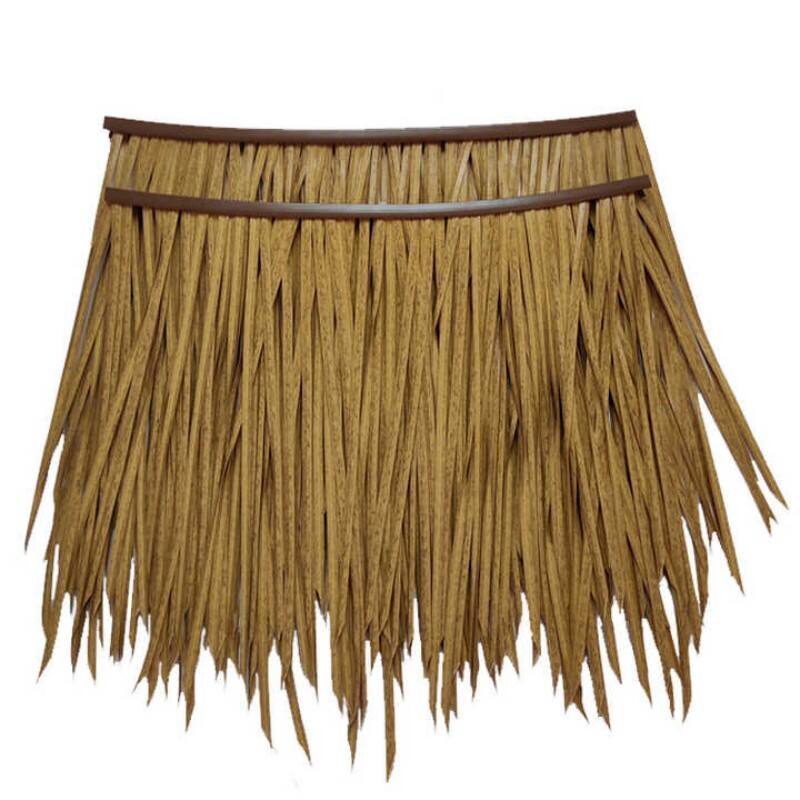
रिसॉर्ट और दृश्यात्मक वातावरण में कृत्रिम घास के छत प्रणालियों का रणनीतिक कार्यान्वयन आकर्षक सौंदर्य, संचालन दक्षता और पर्यावरणीय ज़िम्मेदारी के संगम को दर्शाता है। ये उन्नत छत समाधान उष्णकटिबंधीय वास्तुकला को परिभाषित करने वाली गर्म, आमंत्रित करने वाली उपस्थिति प्रदान करते हैं, जबकि आधुनिक इंजीनियरिंग सिद्धांतों को शामिल करते हैं जो विविध जलवायु परिस्थितियों में निरंतर प्रदर्शन सुनिश्चित करते हैं। समुद्र तट के विला से लेकर पहाड़ी आश्रयों तक, थीम पार्क आकर्षणों से लेकर पारिस्थितिक पर्यटन सुविधाओं तक, कृत्रिम घास की छतें अतिथि अनुभवों को यादगार बनाने में अपनी बहुमुखी प्रवृत्ति साबित कर चुकी हैं, जबकि विश्व भर के आवास और पर्यटन व्यवसायों के संचालन लक्ष्यों का समर्थन करती हैं।
प्रीमियम रिसॉर्ट आवास और अतिथि अनुभव में सुधार
लक्ज़री विला और बंगला अनुप्रयोग
प्रीमियम रिसॉर्ट आवासों के क्षेत्र में, कृत्रिम घास की छत स्थापनाएँ अतिरिक्त विशेषता बन गई हैं जो अतिथि अनुभवों को सामान्य से असाधारण तक उठाती हैं। दुनिया भर के उच्च-स्तरीय रिसॉर्ट अपने विला और बंगला आवासों में पारंपरिक घास की छत की शैली के दृश्य प्रभाव को लक्ज़री हॉस्पिटैलिटी की आवश्यकताओं के अनुरूप विश्वसनीयता और सुरक्षा मानकों के साथ सुग्राही रूप से जोड़ने के लिए इन सिंथेटिक छत प्रणालियों का उपयोग करते हैं। कृत्रिम छपाई की छत ये प्रणालियाँ अतिथियों को एक उष्णकटिबंधीय स्वर्ग में ले जाने वाले अंतरंग, निजी आराम के स्थान बनाने के लिए पूर्ण समाधान प्रदान करती हैं, जबकि उनके पूरे ठहराव के दौरान लगातार आराम और सुरक्षा सुनिश्चित करती हैं।
कृत्रिम घास के छत सामग्री का उपयोग लक्ज़री आवासों में केवल सौंदर्यपूर्ण विचारों तक ही सीमित नहीं है, बल्कि यह प्रीमियम आतिथ्य की पहचान बनाने वाले पूर्ण संवेदी अनुभव तक विस्तारित है। ये सिंथेटिक प्रणालियाँ गेस्ट्स को विदेशी छुट्टियों से जुड़े ग्रामीण आकर्षण और कार्बनिक बनावट का अनुभव कराती हैं, जबकि उनमें उन्नत मौसम-प्रतिरोधी प्रौद्योगिकियाँ शामिल होती हैं जो मूल्यवान आंतरिक फर्नीचर और इलेक्ट्रॉनिक प्रणालियों को नमी के कारण होने वाले क्षति से बचाती हैं। रिसॉर्ट ऑपरेटर्स ने पाया है कि कृत्रिम घास के छत स्थापना अतिथि संतुष्टि के मापदंडों में महत्वपूर्ण योगदान देती है, क्योंकि प्रामाणिक उष्णकटिबंधीय उपस्थिति आवास अनुभव के धारित मूल्य को बढ़ाती है, बिना कि सावधान यात्रियों की सुविधा और आराम की अपेक्षाओं को समझौते के अधीन किया जाए।
वॉटर विला और वॉटर के ऊपर की संरचना का एकीकरण
जल विला और जल के ऊपर की संरचनाओं में कृत्रिम घास के छत प्रणालियों के कार्यान्वयन का उपयोग रिसॉर्ट विकास में सबसे चुनौतीपूर्ण और पुरस्कार देने वाले अनुप्रयोगों में से एक है। इन अद्वितीय आवासों के लिए ऐसी छत सामग्री की आवश्यकता होती है जो समुद्री वातावरण के लगातार संपर्क को सहन कर सके, जबकि लंबे समय तक उनकी सौंदर्यपूर्ण आकर्षकता और संरचनात्मक अखंडता को बनाए रख सके। कृत्रिम घास की छत प्रौद्योगिकी इन कठोर परिस्थितियों के लिए अत्यधिक उपयुक्त सिद्ध हुई है, जो उत्कृष्ट लवण जल प्रतिरोध, पराबैंगनी (यूवी) सुरक्षा और वायु भार प्रदर्शन प्रदान करती है, जो ऐसे कठोर वातावरणों में प्राकृतिक घास की सामग्रियों द्वारा प्रदान की जा सकने वाली क्षमता से कहीं अधिक है।
रिसॉर्ट विकासकर्ताओं ने जलमग्न आवासों के लिए कृत्रिम घास के छत समाधानों को अपनाया है, क्योंकि ये संश्लेषित प्रणालियाँ समुद्री वातावरण में प्राकृतिक सामग्रियों के साथ आवश्यक होने वाले बार-बार प्रतिस्थापन चक्रों और रखरखाव हस्तक्षेपों को समाप्त कर देती हैं। कृत्रिम घास के छत पैनलों का हल्का भार स्टिल्ट्स और सहारा ढांचों पर संरचनात्मक भार की आवश्यकताओं को कम करता है, जिससे निर्माण प्रक्रियाओं की दक्षता में सुधार होता है और डिज़ाइन लचीलापन में वृद्धि होती है। इसके अतिरिक्त, उच्च गुणवत्ता वाली कृत्रिम घास के छत प्रणालियों के अग्निरोधी गुण उन जलमग्न संरचनाओं में महत्वपूर्ण सुरक्षा लाभ प्रदान करते हैं, जहाँ आपातकालीन निकास के विकल्प सीमित हो सकते हैं और अग्नि शमन क्षमताएँ दूरस्थ स्थान और जल पहुँच की आवश्यकताओं के कारण प्रतिबंधित हो सकती हैं।
मनोरंजन और आमोद-प्रमोद सुविधा अनुप्रयोग
थीम पार्क और आकर्षण डिज़ाइन एकीकरण
थीम पार्क और मनोरंजन सुविधाओं ने खोजा है कि कृत्रिम घास के छत सामग्री आकर्षक वातावरण बनाने के लिए अतुलनीय अवसर प्रदान करती हैं, जो आगंतुकों को सावधानीपूर्ण रूप से निर्मित कहानी-विश्वों और थीमेटिक अनुभवों में ले जाते हैं। ये सिंथेटिक छत प्रणालियाँ आकर्षण डिज़ाइनरों को उनके कथात्मक थीम्स का समर्थन करने वाले प्रामाणिक उष्णकटिबंधीय या विदेशी रूपों को प्राप्त करने की अनुमति देती हैं, जबकि उच्च-यातायात वाली सार्वजनिक सुविधाओं के लिए आवश्यक कठोर सुरक्षा और टिकाऊपन मानकों को पूरा करती हैं। कृत्रिम घास के छत स्थापनाओं का नियंत्रित रूप और सुसंगत प्रदर्शन विशेषताएँ सुनिश्चित करती हैं कि दृश्य कहानी कहने के तत्व आकर्षण के संचालन के पूरे जीवनकाल के दौरान, मौसम के प्रभाव या आगंतुकों की संख्या के प्रभाव के बावजूद, आकर्षक और प्रभावी बने रहें।
कृत्रिम घास के छत प्रौद्योगिकी का उपयोग थीम पार्क के वातावरण में विभिन्न प्रकार की संरचनाओं पर किया जाता है, जिनमें रेस्तरां भवन, खुदरा सुविधाएँ, कतार लाइन के आवरण और थीम-आधारित आकर्षणों के आवास शामिल हैं। इन स्थापनाओं को न केवल पर्यावरणीय तनावों को झेलना होता है, बल्कि उच्च आगंतुक घनत्व के साथ जुड़ी विशिष्ट चुनौतियों को भी — जैसे बढ़ी हुई घिसावट के पैटर्न, संभावित वैंडलिज़्म के जोखिम और नियमित सफाई तथा रखरखाव प्रक्रियाओं की आवश्यकता। कृत्रिम घास के छत प्रणालियाँ इन माँग वाले अनुप्रयोगों में प्राकृतिक विकल्पों की तुलना में श्रेष्ठ सिद्ध हुई हैं, क्योंकि ये अपने बाह्य रूप और प्रदर्शन विशेषताओं को बनाए रखती हैं, जबकि आवृत्ति से होने वाले सामग्री प्रतिस्थापन या कार्बनिक घास के छत की सामग्रियों से जुड़ी व्यापक रखरखाव आवश्यकताओं के कारण होने वाले संचालन विघटन को कम करती हैं।
पूल क्षेत्र और जलीय सुविधा का आवरण
रिसॉर्ट और मनोरंजन सुविधाओं में पूल क्षेत्र और जलीय सुविधाएँ छत सामग्रियों के लिए विशिष्ट चुनौतियाँ प्रस्तुत करती हैं, क्योंकि इनमें उच्च आर्द्रता, पूल उपचारों से रासायनिक उजागरता और चरम मौसमी अवधि के दौरान तीव्र उपयोग पैटर्न का संयोजन होता है। इन वातावरणों में कृत्रिम घास की छतों के अनुप्रयोगों ने असामान्य प्रदर्शन लाभों का प्रदर्शन किया है, जो उष्णकटिबंधीय वातावरण प्रदान करते हैं जो पूल के अनुभव को बढ़ाता है, साथ ही क्लोरीन वाष्प, समुद्री जल के संपर्क और निरंतर आर्द्रता चक्रों के क्षरण प्रभावों का प्रतिरोध करते हैं—जो प्राकृतिक घास की सामग्रियों को तेज़ी से क्षीण कर देते हैं। ये संश्लेषित प्रणालियाँ कठोर रासायनिक वातावरण और रिसॉर्ट के पूल क्षेत्रों में आम उच्च-यातायात वाली स्थितियों के बावजूद भी अपनी संरचनात्मक अखंडता और दृश्य आकर्षण को बनाए रखती हैं।
पूल बार और कैबाना अनुप्रयोगों में कृत्रिम घास के छत प्रणालियों का लागू करना उष्णकटिबंधीय रिसॉर्ट डिज़ाइन की एक परिभाषित विशेषता बन गया है, जो आरामदायक समूहन क्षेत्र प्रदान करने वाले छायादार आश्रय स्थान बनाता है, जबकि समग्र रिसॉर्ट अनुभव को परिभाषित करने वाले प्रामाणिक द्वीपीय वातावरण को बनाए रखता है। ये स्थापनाएँ अतिथियों और कर्मचारियों के लिए प्रभावी सूर्य सुरक्षा प्रदान करती हैं, जबकि प्राकृतिक वेंटिलेशन पैटर्न और सौर ऊष्मा कमी के माध्यम से आवृत्त डाइनिंग और सेवा क्षेत्रों की ऊर्जा दक्षता में योगदान देती हैं। कृत्रिम घास के छत सामग्री के साथ जुड़ी सफाई और रखरखाव की सुविधा सुनिश्चित करती है कि इन उच्च-उपयोग क्षेत्रों को व्यस्त संचालन अवधि के दौरान उनका निर्मल रूप बनाए रखा जा सके, बिना सामग्री प्रतिस्थापन या पुनर्स्थापना प्रक्रियाओं के लिए व्यापक डाउनटाइम की आवश्यकता के।
सांस्कृतिक और पारिस्थितिक पर्यटन अनुप्रयोग
सांस्कृतिक गाँव और विरासत स्थल कार्यान्वयन
सांस्कृतिक पर्यटन गंतव्यों और विरासत व्याख्या केंद्रों ने पाया है कि कृत्रिम छत के लिए इस्तेमाल की जाने वाली घास की सामग्री, पारिस्थितिकी तंत्र के संवेदनशील क्षेत्रों से प्राकृतिक छत की सामग्री के संग्रहण से उत्पन्न स्थायित्व संबंधी चिंताओं और रखरखाव की चुनौतियों से बचने के लिए, ऐतिहासिक और सांस्कृतिक वातावरण को प्रामाणिक रूप से निर्मित करने में अमूल्य है। ये संश्लेषित प्रणालियाँ सांस्कृतिक स्थलों को पारंपरिक वास्तुकला शैलियों के सटीक दृश्य प्रतिनिधित्व प्रस्तुत करने की अनुमति देती हैं, जबकि संरक्षण प्रयासों का समर्थन करती हैं और पर्यावरणीय प्रभाव को कम करती हैं। कृत्रिम घास की छत की तकनीक शैक्षिक और व्याख्यात्मक उद्देश्यों के लिए आवश्यक प्रामाणिक उपस्थिति प्रदान करती है, जबकि सार्वजनिक पहुँच की सुविधाओं के लिए आवश्यक टिकाऊपन और सुरक्षा मानकों को भी प्रदान करती है।
सांस्कृतिक गाँवों की स्थापना में कृत्रिम घास के छत प्रणालियों का उपयोग केवल सौंदर्य-आधारित आवश्यकताओं से अधिक, अनेक संचालन-संबंधी विचारों को ध्यान में रखता है, जिनमें अभिगम्यता अनुपालन, सुरक्षा विनियमन और सतत पर्यटन प्रथाएँ शामिल हैं। ये स्थापनाएँ सांस्कृतिक स्थलों के शैक्षिक मिशन का समर्थन करती हैं, क्योंकि ये पारंपरिक निर्माण तकनीकों और वास्तुकला शैलियों के लिए सटीक दृश्य संदर्भ प्रदान करती हैं, साथ ही आधुनिक सुरक्षा सुविधाओं—जैसे अग्नि प्रतिरोधकता और संरचनात्मक स्थिरता—को भी शामिल करती हैं, जो आगंतुकों और मूल्यवान सांस्कृतिक वस्तुओं दोनों की रक्षा करती हैं। कृत्रिम घास के छत सामग्रियों की लंबी आयु और कम रखरखाव की आवश्यकताएँ सुनिश्चित करती हैं कि सांस्कृतिक संस्थान अपने व्याख्यात्मक वातावरण को समय के साथ निरंतर बनाए रख सकें, बिना अपने प्राथमिक शैक्षिक और संरक्षण मिशनों से संसाधनों का मार्गांतरण किए।
इको-लॉज और सतत पर्यटन एकीकरण
पर्यावरण-अनुकूल पर्यटन सुविधाएँ और सतत आवासों ने कृत्रिम छत के तन्त्र को अपनाया है, जो उनके पर्यावरण संरक्षण के लक्ष्यों के अनुरूप है और साथ ही पर्यावरण-सचेत पर्यटकों द्वारा खोजी जाने वाली प्राकृतिक दृश्यात्मकता भी प्रदान करता है। ये संश्लेषित प्रणालियाँ संरक्षित पारिस्थितिक तंत्रों से प्राकृतिक छत की सामग्री के संग्रहण की आवश्यकता को समाप्त कर देती हैं, जिससे भंगुर आवासों पर पड़ने वाले दबाव में कमी आती है, और साथ ही एक प्रामाणिक उष्णकटिबंधीय दृश्य प्रदान करती हैं जो इको-लॉज के अनुभव को परिभाषित करता है। कृत्रिम छत की स्थापनाएँ सतत पर्यटन के अभ्यासों का समर्थन करती हैं, क्योंकि ये दीर्घकालिक भवन निर्माण समाधान प्रदान करती हैं जो प्रतिस्थापन की आवश्यकता को कम करके और प्राकृतिक छत के संरक्षण के लिए अक्सर आवश्यक रासायनिक उपचारों को समाप्त करके निरंतर पर्यावरणीय प्रभाव को न्यूनतम करती हैं।
कृत्रिम घास के छत प्रणालियों का इको-लॉज में एकीकरण केवल पर्यावरणीय विचारों तक ही सीमित नहीं है, बल्कि यह सतत पर्यटन व्यवसायों के लिए संपूर्ण अतिथि अनुभव और संचालन दक्षता की आवश्यकताओं को भी शामिल करता है। ये स्थापनाएँ प्राकृतिक विकल्पों की तुलना में उत्कृष्ट मौसम सुरक्षा और ऊष्मीय प्रदर्शन प्रदान करती हैं, जिससे अतिथि सुविधा में सुधार होता है और जलवायु नियंत्रण प्रणालियों के लिए ऊर्जा खपत कम होती है। कृत्रिम घास के छत सामग्री का सुसंगत रूप और प्रदर्शन विशेषताएँ सुनिश्चित करती हैं कि इको-लॉज अपने संचालन के पूरे जीवनकाल में अपनी निर्मल प्राकृतिक सौंदर्य को बनाए रख सकें, जबकि पर्यावरण के प्रति सचेतन यात्रियों की विश्वसनीयता और सुरक्षा की अपेक्षाओं को भी पूरा कर सकें, जो सतत आवास विकल्प चुनते हैं।
विशिष्ट वाणिज्यिक और सेवा अनुप्रयोग
रेस्तरां और डाइनिंग स्थल का कार्यान्वयन
रिसॉर्ट और दृश्यात्मक क्षेत्रों में स्थित रेस्तरां, और भोजन ग्रहण स्थलों ने पाया है कि कृत्रिम घास की छतों की स्थापना से विशिष्ट वातावरणीय वातावरण निर्मित होते हैं, जो भोजन ग्रहण के अनुभव को बढ़ाते हैं और खाद्य सेवा संचालन के लिए व्यावहारिक लाभ भी प्रदान करते हैं। ये संश्लेषित छत व्यवस्थाएँ विदेशी उष्णकटिबंधीय वातावरण प्रदान करती हैं, जो अतिथियों के लंबे समय तक रुकने और अधिक खर्च करने को प्रोत्साहित करता है, साथ ही इनमें आसान सफाई प्रक्रियाएँ, कीट प्रतिरोधकता और स्वास्थ्य विभाग की आवश्यकताओं के अनुपालन जैसी व्यावहारिक विशेषताएँ शामिल हैं, जिन्हें प्राकृतिक घास की छतों के साथ प्राप्त करना कठिन होगा। कृत्रिम घास की छत प्रौद्योगिकी रेस्तरां संचालकों को यादगार भोजन ग्रहण वातावरण निर्मित करने में सक्षम बनाती है, जो प्रीमियम मूल्य निर्धारण रणनीतियों और सकारात्मक अतिथि समीक्षाओं का समर्थन करती है।
कृत्रिम घास के छत प्रणालियों का उपयोग बाहरी डाइनिंग क्षेत्रों और समुद्र तट के पास के रेस्तरां में खुले वातावरण में भोजन सेवा से जुड़ी विशिष्ट संचालन चुनौतियों को संबोधित करता है, जिनमें हवा के प्रतिरोध, मौसम सुरक्षा और स्वच्छता आवश्यकताएँ शामिल हैं। ये स्थापनाएँ धूप और वर्षा से प्रभावी आश्रय प्रदान करती हैं, जबकि अतिथियों द्वारा उष्णकटिबंधीय स्थानों में पसंद किए जाने वाले खुले हवा के डाइनिंग अनुभव को बनाए रखती हैं। उच्च गुणवत्ता वाली कृत्रिम घास के छत सामग्रियों के अग्निरोधी गुण रेस्तरां अनुप्रयोगों में महत्वपूर्ण सुरक्षा लाभ प्रदान करते हैं, जहाँ खाना पकाने के उपकरण और खुली लौएँ अग्नि के उच्च जोखिम का कारण बनती हैं, जबकि इन प्रणालियों की संश्लेषित प्रकृति कीटों के आश्रय लेने और जैविक दूषण के बारे में चिंताओं को समाप्त कर देती है, जो भोजन सुरक्षा मानकों को समझौते में डाल सकती हैं।
खुदरा और वाणिज्यिक सुविधा अनुप्रयोग
रिसॉर्ट और पर्यटन क्षेत्रों में खुदरा सुविधाओं और वाणिज्यिक भवनों में कृत्रिम घास के छत प्रणालियों का उपयोग किया जाता है, ताकि उनके गंतव्य स्थानों के उष्णकटिबंधीय या विदेशी थीम के अनुरूप विशिष्ट खरीदारी के वातावरण का निर्माण किया जा सके, जबकि आधुनिक वाणिज्यिक स्थानों की संचालन आवश्यकताओं को भी पूरा किया जा सके। ये स्थापनाएँ वह प्रामाणिक स्थापत्य विशेषता प्रदान करती हैं जो पर्यटकों को आकर्षित करती है और खुदरा क्षेत्रों की खोज को प्रोत्साहित करती है, साथ ही इनमें मूल्यवान माल की रक्षा और कुशल व्यावसायिक संचालन के समर्थन के लिए आवश्यक संरचनात्मक स्थिरता, मौसम सुरक्षा और सुरक्षा सुविधाएँ शामिल होती हैं। कृत्रिम घास की छत प्रौद्योगिकि खुदरा विकासकर्ताओं को ऐसे अद्वितीय खरीदारी के गंतव्यों के निर्माण की अनुमति देती है, जो पारंपरिक वाणिज्यिक वास्तुकला से अलग दिखाई देते हैं, जबकि लंबे समय तक विश्वसनीय प्रदर्शन की गारंटी भी प्रदान करते हैं।
कृत्रिम घास के छत सामग्री का व्यावसायिक अनुप्रयोगों में कार्यान्वयन उन विविध सुविधा प्रकारों तक फैला हुआ है, जिनमें उपहार की दुकानें, कला गैलरियाँ, स्पा सुविधाएँ और सेवा केंद्र शामिल हैं, जहाँ उष्णकटिबंधीय शैली आगंतुकों के समग्र अनुभव को बढ़ाती है और गंतव्य की ब्रांड पहचान का समर्थन करती है। ये संश्लेषित प्रणालियाँ उत्कृष्ट ध्वनिक गुण प्रदान करती हैं, जो आरामदायक खरीदारी के वातावरण का निर्माण करती हैं, साथ ही ग्राहकों और माल दोनों के लिए उत्कृष्ट मौसम सुरक्षा प्रदान करती हैं। कृत्रिम घास के छत स्थापनाओं की कम रखरखाव आवश्यकताएँ और स्थिर दिखने वाले गुण व्यावसायिक संचालकों को भवन के निरंतर रखरखाव और प्राकृतिक घास के विकल्पों के साथ आवश्यक होने वाली सामग्री प्रतिस्थापन प्रक्रियाओं के बजाय ग्राहक सेवा और व्यावसायिक संचालन पर अपने संसाधनों पर ध्यान केंद्रित करने में सक्षम बनाती हैं।
अक्सर पूछे जाने वाले प्रश्न
रिसॉर्ट वातावरण में कृत्रिम घास की छत प्रणालियाँ आमतौर पर कितने समय तक चलती हैं?
गुणवत्तापूर्ण कृत्रिम छत के छज्जे प्रणालियाँ रिसॉर्ट वातावरण में 15-20 वर्षों के सेवा जीवन के लिए डिज़ाइन की गई हैं, जो प्राकृतिक छज्जे की सामग्री की तुलना में काफी बेहतर प्रदर्शन करती हैं, जिन्हें आमतौर पर प्रत्येक 3-5 वर्षों में प्रतिस्थापित करने की आवश्यकता होती है। सिंथेटिक सामग्री यूवी क्षरण, नमी से होने वाले क्षति और कीटों के आक्रमण के प्रति प्रतिरोधी होती है, जबकि अपने पूरे संचालन काल के दौरान अपनी उपस्थिति और संरचनात्मक अखंडता को बनाए रखती है। यह विस्तारित टिकाऊपन कृत्रिम छज्जे की छत स्थापनाओं को उन रिसॉर्ट ऑपरेटरों के लिए अत्यधिक लागत-प्रभावी बनाता है जिन्हें विश्वसनीय दीर्घकालिक प्रदर्शन की आवश्यकता होती है।
क्या कृत्रिम छज्जे की छत की सामग्री उच्च वायु वेग वाले तटीय वातावरण के लिए उपयुक्त है?
आधुनिक कृत्रिम घास के छत प्रणालियाँ विशेष रूप से उच्च-वायु वाली तटीय परिस्थितियों का सामना करने के लिए डिज़ाइन की गई हैं, जिनमें से कई उत्पादों का परीक्षण तूफान-शक्ति की वायु मानकों के अनुसार किया गया है। सिंथेटिक सामग्री और सुरक्षित फास्टनिंग प्रणालियाँ प्राकृतिक घास की तुलना में श्रेष्ठ वायु प्रतिरोध प्रदान करती हैं, जबकि हल्के भार वाले गुण चरम मौसमी घटनाओं के दौरान संरचनात्मक भार को कम करते हैं। उचित स्थापना तकनीकों और गुणवत्तापूर्ण कृत्रिम घास के छत सामग्री विश्वभर के तटीय रिसॉर्ट अनुप्रयोगों में अत्यधिक प्रभावी सिद्ध हुई हैं।
कृत्रिम घास के छत स्थापना के लिए कौन-सी रखरखाव प्रक्रियाएँ आवश्यक हैं?
कृत्रिम घास के छत प्रणालियों की प्राकृतिक विकल्पों की तुलना में न्यूनतम रखरखाव की आवश्यकता होती है, जिसमें आमतौर पर हल्के डिटर्जेंट के घोल के साथ आवधिक सफाई और सुरक्षित फास्टनिंग के लिए दृश्य निरीक्षण शामिल होते हैं। सिंथेटिक सामग्री को कीट नियंत्रण या कार्बनिक संरक्षण के लिए रासायनिक उपचार की आवश्यकता नहीं होती है, और ये प्राकृतिक घास को प्रभावित करने वाले फफूंद, दानेदार फफूंद और सड़ाव का प्रतिरोध करती हैं। अधिकांश कृत्रिम घास के छत स्थापनाएँ वातावरणीय उजागर की स्थितियों के आधार पर वार्षिक या आवश्यकतानुसार मूल सफाई प्रक्रियाओं के साथ अपनी उपस्थिति और प्रदर्शन को बनाए रख सकती हैं।
क्या कृत्रिम घास के छत प्रणालियाँ वाणिज्यिक भवनों के लिए अग्नि सुरक्षा आवश्यकताओं को पूरा कर सकती हैं?
गुणवत्तापूर्ण कृत्रिम छत के उत्पादों का निर्माण अग्नि-प्रतिरोधी गुणों के साथ किया जाता है, जो वाणिज्यिक भवन सुरक्षा मानकों को पूरा करते हैं या उनसे अधिक होते हैं, जिससे प्राकृतिक छत के सामग्रियों की तुलना में महत्वपूर्ण लाभ प्राप्त होते हैं, क्योंकि प्राकृतिक छत स्वतः ही ज्वलनशील होती है। कई सिंथेटिक छत प्रणालियों को अग्नि सुरक्षा प्रमाणन प्राप्त हैं और इन्हें आवासीय एवं वाणिज्यिक अनुप्रयोगों के लिए विशेष रूप से डिज़ाइन किया गया है, जहाँ अग्नि सुरक्षा सर्वोच्च प्राथमिकता है। कृत्रिम छत के अग्नि-प्रतिरोधी गुण उन अनुप्रयोगों में इनके उपयोग को संभव बनाते हैं, जहाँ प्राकृतिक छत का उपयोग सुरक्षा विनियमों के कारण प्रतिबंधित होगा।
विषय-सूची
- प्रीमियम रिसॉर्ट आवास और अतिथि अनुभव में सुधार
- मनोरंजन और आमोद-प्रमोद सुविधा अनुप्रयोग
- सांस्कृतिक और पारिस्थितिक पर्यटन अनुप्रयोग
- विशिष्ट वाणिज्यिक और सेवा अनुप्रयोग
-
अक्सर पूछे जाने वाले प्रश्न
- रिसॉर्ट वातावरण में कृत्रिम घास की छत प्रणालियाँ आमतौर पर कितने समय तक चलती हैं?
- क्या कृत्रिम छज्जे की छत की सामग्री उच्च वायु वेग वाले तटीय वातावरण के लिए उपयुक्त है?
- कृत्रिम घास के छत स्थापना के लिए कौन-सी रखरखाव प्रक्रियाएँ आवश्यक हैं?
- क्या कृत्रिम घास के छत प्रणालियाँ वाणिज्यिक भवनों के लिए अग्नि सुरक्षा आवश्यकताओं को पूरा कर सकती हैं?