 EN
EN
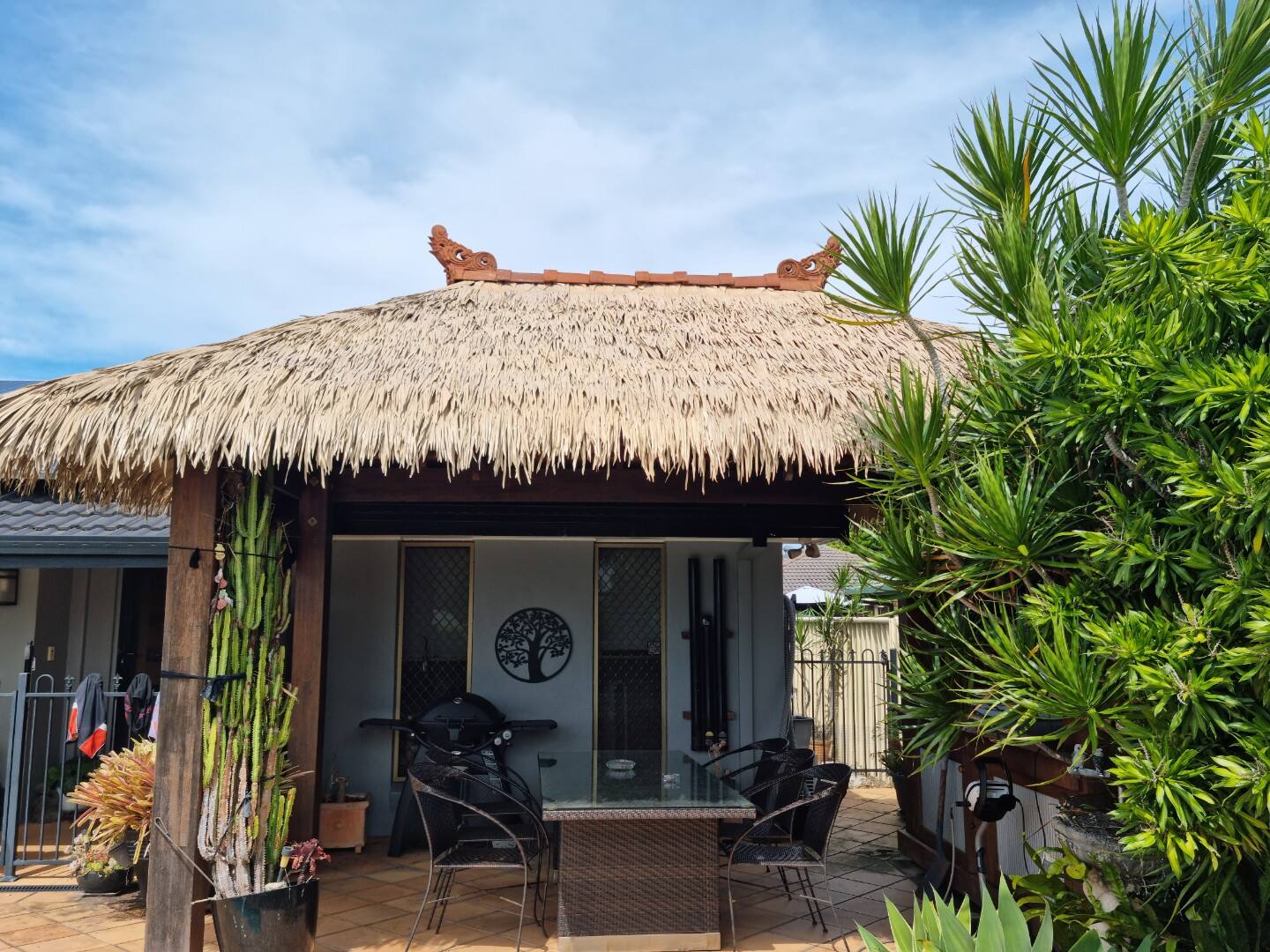
सिंथेटिक थैच छत प्रणालियाँ छत निर्माण उद्योग में क्रांति ला चुकी हैं, क्योंकि ये पारंपरिक प्राकृतिक थैच की सौंदर्यपूर्ण छवि प्रदान करती हैं, जबकि इनमें शामिल महंगे रखरखाव, आग के खतरे और संरचनात्मक सीमाएँ—जो ऐतिहासिक रूप से प्राकृतिक थैच की स्थापनाओं को प्रभावित करती रही हैं—को समाप्त कर देती हैं। जो संपत्ति मालिक थैच छत के विशिष्ट उष्णकटिबंधीय या ग्रामीण दिखावट को प्राप्त करना चाहते हैं, वे अब इस डिज़ाइन लक्ष्य को प्राकृतिक थैच की आवश्यकता होने वाले भारी निरंतर व्यय के बिना ही प्राप्त कर सकते हैं, जिससे सिंथेटिक थैच छत समाधान आवासीय और वाणिज्यिक दोनों प्रकार की परियोजनाओं के लिए एक वित्तीय रूप से रणनीतिक विकल्प बन जाता है।

कृत्रिम घास के छत स्थापना की लागत-प्रभावशीलता तब स्पष्ट हो जाती है जब इसके तुरंत स्थापना व्यय और दीर्घकालिक संचालन लागत दोनों की जांच की जाती है। प्राकृतिक घास के विपरीत, जिसके लिए विशेषज्ञ शिल्पकारों की आवश्यकता होती है, बार-बार प्रतिस्थापन चक्र की आवश्यकता होती है और व्यापक अग्नि सुरक्षा संशोधनों की आवश्यकता होती है, कृत्रिम घास के छत सामग्री मानकीकृत स्थापना प्रक्रियाएँ प्रदान करती हैं, लंबे सेवा जीवन के साथ-साथ अतिरिक्त सुरक्षा बुनियादी ढांचे के निवेश के बिना आधुनिक भवन नियमों के अनुपालन को सुनिश्चित करती हैं। यह व्यापक लागत लाभ कृत्रिम घास के छत प्रणालियों को विकासकर्ताओं और संपत्ति मालिकों के लिए वरीय समाधान के रूप में स्थापित करता है, जो प्रामाणिक घास के दृश्य आकर्षण की मांग करते हैं, जबकि जिम्मेदार परियोजना बजट और संचालन दक्षता को बनाए रखते हैं।
प्रारंभिक स्थापना लागत में लाभ
सामग्री लागत तुलना
कृत्रिम छत के सामग्री की लागत, प्रति वर्ग फुट कवरेज के आधार पर गणना करने पर, प्रीमियम प्राकृतिक छत के बंडलों की तुलना में आमतौर पर 40-60% कम होती है। प्राकृतिक छत के लिए विशिष्ट आपूर्तिकर्ताओं से स्रोत निर्धारित करने की आवश्यकता होती है, जिसमें अक्सर नॉरफ़ोक रीड या उष्णकटिबंधीय ताड़ के पर्ण जैसी प्रामाणिक सामग्रियों के लिए अंतर्राष्ट्रीय शिपिंग लागत शामिल होती है। कृत्रिम छत का विकल्प इन आपूर्ति श्रृंखला की जटिलताओं को समाप्त कर देता है और स्थिर मूल्य निर्धारण प्रदान करता है, जो मौसमी उपलब्धता या भौगोलिक स्रोत चुनौतियों के बावजूद स्थिर रहता है।
सिंथेटिक थैच छत उत्पादों की विनिर्माण प्रक्रिया बल्क उत्पादन और मानकीकृत गुणवत्ता नियंत्रण की अनुमति देती है, जिससे भविष्यवाणि योग्य सामग्री लागत उत्पन्न होती है जो सटीक प्रोजेक्ट बजट तैयार करने में सहायता करती है। संपत्ति विकासकर्ता बड़े पैमाने के प्रोजेक्ट्स के लिए निश्चित मूल्य समझौतों को सुरक्षित कर सकते हैं, जिससे प्राकृतिक थैच बाजारों की विशिष्टता वाली मूल्य अस्थिरता से बचा जा सकता है। यह मूल्य स्थिरता प्रोजेक्ट योजना बनाने की क्षमता का विस्तार करती है और बहु-संरचना वाले वाणिज्यिक विकासों के लिए अधिक प्रतिस्पर्धी बोली प्रक्रियाओं को सक्षम बनाती है जिनमें सिंथेटिक थैच छत स्थापना की आवश्यकता होती है।
श्रम स्थापना दक्षता
कृत्रिम घास के छत प्रणालियों की स्थापना के लिए पारंपरिक घास की स्थापना की तुलना में काफी कम विशिष्ट श्रम की आवश्यकता होती है। प्राकृतिक घास की स्थापना के लिए वर्षों के अभ्यास प्रशिक्षण के साथ मास्टर घास-बिछाने वालों की आवश्यकता होती है, जो प्रीमियम प्रति घंटा दरें और विस्तारित स्थापना समय सीमा की मांग करते हैं। कृत्रिम घास की छत स्थापना को मानक छत वाले कर्मचारियों द्वारा मूलभूत प्रशिक्षण के साथ पूरा किया जा सकता है, जिससे श्रम लागत में 30-50% की कमी आती है और परियोजना पूरा होने के समय-सीमा को त्वरित किया जाता है।
सिंथेटिक थैच छत पैनलों की हल्की प्रकृति त्वरित स्थापना चक्र की अनुमति देती है, जिसमें आमतौर पर आवासीय अनुप्रयोगों को 2-3 दिनों में पूरा किया जाता है, जबकि तुलनात्मक प्राकृतिक थैच परियोजनाओं के लिए यह समयावधि 1-2 सप्ताह होती है। यह स्थापना दक्षता सीधे श्रम लागत में कमी और परियोजना विघटन को न्यूनतम करने में अनुवादित होती है, विशेष रूप से व्यावसायिक संपत्तियों के लिए यह मूल्यवान है जो लंबी निर्माण अवधि की अनुमति नहीं दे सकती हैं। सिंथेटिक थैच छत प्रणालियों की मानकीकृत पैनल डिज़ाइन भी कलात्मक व्याख्या के भिन्नताओं को समाप्त कर देती है, जो प्राकृतिक थैच स्थापना के समय-सीमा को अप्रत्याशित रूप से बढ़ा सकती हैं।
संरचनात्मक समर्थन की आवश्यकताएँ
कृत्रिम घास के छत स्थापना के लिए प्राकृतिक घास की प्रणालियों की तुलना में न्यूनतम संरचनात्मक संशोधनों की आवश्यकता होती है, जिनमें अक्सर पारंपरिक सामग्रियों के महत्वपूर्ण भार को सहन करने के लिए छत के ढांचे को मजबूत करने की आवश्यकता होती है। शुष्क अवस्था में प्राकृतिक घास का वजन 7–12 पाउंड प्रति वर्ग फुट हो सकता है और गीली अवस्था में यह भार काफी अधिक हो जाता है, जिसके कारण नवीनीकरण परियोजनाओं में महत्वपूर्ण लागत वृद्धि के साथ संरचनात्मक अपग्रेड की आवश्यकता होती है। कृत्रिम घास की छत सामग्रियों का वजन आमतौर पर 2 पाउंड प्रति वर्ग फुट से कम होता है, जिससे मानक छत के डेकिंग पर संरचनात्मक मजबूती के बिना ही स्थापना की जा सकती है।
सिंथेटिक थैच छत प्रणालियों के लिए कम किए गए संरचनात्मक भार आवश्यकताओं के कारण, उन्हें उन इमारतों पर स्थापित किया जा सकता है जो प्राकृतिक थैच के भार भार को सहन नहीं कर सकती हैं, जिससे संभावित अनुप्रयोग की सीमा का विस्तार होता है और महंगे संरचनात्मक इंजीनियरिंग संशोधनों से बचा जा सकता है। यह वजन लाभ विशेष रूप से रीट्रॉफिट परियोजनाओं के लिए मूल्यवान साबित होता है, जहाँ मौजूदा इमारतों को थैच की दृश्य विशेषताएँ चाहिए होती हैं, लेकिन पारंपरिक सामग्रियों के लिए संरचनात्मक क्षमता नहीं होती है। सिंथेटिक थैच छत का समाधान वास्तविक उपस्थिति को बनाए रखता है, जबकि मौजूदा संरचनात्मक सीमाओं और भवन नियमों का सम्मान करता है।
लंबे समय तक की रखरखाव लागत में बचत
स्थायित्व और सेवा जीवन
उच्च-गुणवत्ता वाली सिंथेटिक थैच छत प्रणालियाँ 15–25 वर्ष के सेवा जीवन की पेशकश करती हैं, जबकि प्राकृतिक थैच को आमतौर पर जलवायु परिस्थितियों और रखरखाव की गुणवत्ता के आधार पर प्रत्येक 8–15 वर्ष में प्रतिस्थापित करने की आवश्यकता होती है। यह बढ़ा हुआ सेवा जीवन प्रतिस्थापन चक्र अंतराल को प्रभावी रूप से दोगुना कर देता है, जिससे इमारत के संचालन के समग्र जीवनकाल के आधार पर लंबे समय तक छत की लागत में काफी कमी आती है। सिंथेटिक थैच छत का लाभ उन कठोर मौसम वाले क्षेत्रों में और अधिक स्पष्ट हो जाता है, जहाँ प्राकृतिक सामग्रियाँ तेज़ी से क्षीण हो जाती हैं।
सिंथेटिक थैच छत सामग्री के स्थिर वर्षण लक्षण, प्राकृतिक थैच के साथ सामान्य अप्रत्याशित विफलता पैटर्न को समाप्त कर देते हैं, जहाँ कीटों के कारण क्षति, नमी के अवशोषण या हवा के प्रभाव से अलग-अलग खंडों को जल्दी बदलने की आवश्यकता हो सकती है। संपत्ति मालिक निर्माता की वारंटी के आधार पर विश्वसनीय रखरोट अनुसूची और बजट आवंटन तैयार कर सकते हैं, बजाय कि प्रतिक्रियाशील प्रतिस्थापन की आवश्यकताओं के आधार पर। यह भविष्यवाणी योग्यता सुव्यवस्थित सुविधा प्रबंधन को सक्षम बनाती है और प्राकृतिक थैच स्थापनाओं के साथ अक्सर होने वाली आपातकालीन मरम्मत लागत को कम करती है।
सिंथेटिक थैच छत प्रणालियों के मौसम प्रतिरोधी गुण लंबी सेवा अवधि के दौरान संरचनात्मक अखंडता और सौंदर्यपूर्ण उपस्थिति को बनाए रखते हैं, बिना प्राकृतिक सामग्रियों की तरह धीरे-धीरे क्षरण के। यूवी स्थायीकरण, आर्द्रता प्रतिरोध और तापीय प्रसार नियंत्रण से विविध जलवायु परिस्थितियों में निरंतर प्रदर्शन सुनिश्चित होता है, जिससे कठिन पर्यावरणों में प्राकृतिक थैच की आवश्यकता होने वाली विशेषीकृत रखरखाव आवश्यकताओं का उन्मूलन हो जाता है। यह मौसम स्थायित्व इमारत के संचालन जीवनकाल के दौरान लगातार लागत-प्रभावशीलता में अनुवादित होता है।
रखरखाव की आवृत्ति में कमी
प्राकृतिक थैच की वार्षिक जांच और किनारे के कवर के प्रतिस्थापन, वेंटिलेशन समायोजन और कीट नियंत्रण उपचार सहित नियमित रखरखाव गतिविधियों की आवश्यकता होती है, जिनकी वार्षिक लागत प्रति वर्ग फुट 2–5 डॉलर हो सकती है। सिंथेटिक थैच छत प्रणालियाँ रखरखाव की आवश्यकताओं को मूल धूल-मुक्तिकरण और अवधि-अवधि पर फास्टनर निरीक्षण तक सीमित कर देती हैं, जिनकी नियमित देखभाल के लिए वार्षिक लागत आमतौर पर प्रति वर्ग फुट 0.50 डॉलर से कम होती है।
कार्बनिक सामग्री की सुभेद्यता को समाप्त कर देने से कीट नियंत्रण उपचारों, कवकनाशी अनुप्रयोगों और आर्द्रता प्रबंधन प्रणालियों की आवश्यकता समाप्त हो जाती है, जो प्राकृतिक थैच की दीर्घकालिक व्यवहार्यता के लिए आवश्यक होती हैं। सिंथेटिक थैच छत स्थापनाएँ कीटों के आक्रमण, चूहों के कारण होने वाले क्षति और सूक्ष्मजीवी वृद्धि का प्रतिरोध करती हैं, जो सामान्यतः प्राकृतिक सामग्रियों को प्रभावित करती हैं, जिससे इन निरंतर रखरखाव लागत श्रेणियों को पूरी तरह से समाप्त कर दिया जाता है। यह जैविक प्रतिरोध लाभ विशेष रूप से उष्णकटिबंधीय जलवायु में मूल्यवान सिद्ध होता है, जहाँ कीटों का दबाव और आर्द्रता की स्थितियाँ प्राकृतिक थैच के क्षरण को तीव्र कर देती हैं।
सिंथेटिक थैच छत प्रणालियों के लिए सफाई प्रक्रियाओं में मानक प्रेशर वॉशिंग या हल्के डिटर्जेंट के उपयोग शामिल होते हैं, जिन्हें संपत्ति रखरखाव के कर्मचारी विशेष प्रशिक्षण या उपकरण के बिना कर सकते हैं। प्राकृतिक थैच की सफाई के लिए कार्बनिक रेशों को क्षतिग्रस्त किए बिना सावधानीपूर्ण तकनीकों की आवश्यकता होती है, जिसके कारण अक्सर पेशेवर सेवाओं और विशेष सफाई यौगिकों की आवश्यकता होती है। सिंथेटिक थैच छत प्रणालियों की रखरखाव सरलता आंतरिक रखरखाव क्षमताओं को सक्षम बनाती है, जिससे निरंतर सेवा अनुबंध के खर्च में कमी आती है, जबकि छत की स्थिर उपस्थिति और प्रदर्शन सुनिश्चित रहता है।
बीमा और सुरक्षा लागत लाभ
आधुनिक सिंथेटिक थैच छत सामग्रियों के अग्नि-प्रतिरोधी गुण प्राकृतिक थैच स्थापनाओं की तुलना में बीमा प्रीमियम को काफी कम कर देते हैं, क्योंकि प्राकृतिक थैच के लिए अग्नि के उच्च जोखिम मूल्यांकन के कारण बीमा दरें अधिक होती हैं। प्राकृतिक थैच के लिए अतिरिक्त अग्नि शमन प्रणालियों, बढ़ी हुई कवरेज सीमाओं और विशिष्ट बीमा शर्तों की आवश्यकता होती है, जिससे क्षेत्रीय अग्नि जोखिम मूल्यांकन और स्थानीय भवन नियमों के आधार पर बीमा लागत में 25-75% तक की वृद्धि हो सकती है। सिंथेटिक थैच छत प्रणालियाँ आमतौर पर अग्नि जोखिम अतिरिक्त शुल्क के बिना मानक बीमा दरों के लिए पात्र होती हैं।
सिंथेटिक थैच छत स्थापनाओं की बेहतर सुरक्षा प्रोफ़ाइल प्राकृतिक थैच के आग के खतरों से जुड़ी दायित्व संबंधी चिंताओं को समाप्त कर देती है, जिससे संपत्ति मालिकों के लिए बीमा लागत और कानूनी जोखिम दोनों कम हो जाते हैं। व्यावसायिक संपत्तियाँ विशेष रूप से इस सुरक्षा लाभ से लाभान्वित होती हैं, क्योंकि प्राकृतिक थैच स्थापनाओं के लिए अक्सर अतिरिक्त सुरक्षा प्रोटोकॉल, आपातकालीन योजना और दायित्व बीमा की आवश्यकता होती है, जो संचालन की जटिलता और बीमा व्यय दोनों को बढ़ा देती है। सिंथेटिक थैच छत प्रणालियाँ सुरक्षा के मानक प्रोफ़ाइल और बीमा वर्गीकरण को बनाए रखते हुए दृश्यात्मक लक्ष्यों की प्राप्ति करती हैं।
ऊर्जा की कुशलता और संचालनात्मक बचत
थर्मल प्रदर्शन विशेषताएं
सिंथेटिक थैच छत प्रणालियों को विशिष्ट तापीय गुणों के साथ इंजीनियर किया जा सकता है, जो भवन की ऊर्जा दक्षता को अनुकूलित करते हैं, जबकि प्राकृतिक थैच में अस्थिर और नियंत्रित न किए गए ऊष्मा रोधन गुण होते हैं। आधुनिक सिंथेटिक सामग्रियाँ एकीकृत ऊष्मा रोधन परतों और तापीय अवरोधकों की अनुमति देती हैं, जो मानक छत सामग्रियों की तुलना में शीतलन लागत को 15–25% तक कम कर देती हैं, जबकि प्रामाणिक थैच उपस्थिति को बनाए रखती हैं। यह तापीय दक्षता का लाभ निरंतर संचालन लागत बचत में योगदान देता है, जो भवन के सेवा जीवन के दौरान संचयित होती रहती है।
सिंथेटिक थैच छत स्थापनाओं के नियंत्रित तापीय गुणों के कारण एचवीएसी प्रणाली के आकार निर्धारण और ऊर्जा मॉडलिंग में सटीकता सुनिश्चित की जा सकती है, जो हरित भवन प्रमाणन आवश्यकताओं और ऊर्जा दक्षता प्रोत्साहनों का समर्थन करती है। प्राकृतिक थैच का तापीय प्रदर्शन स्थापना घनत्व, नमी सामग्री और आयु संबंधी विशेषताओं के आधार पर काफी भिन्न होता है, जिससे सटीक ऊर्जा गणनाएँ करना कठिन हो जाता है और भवन की दक्षता के लक्ष्यों को संभावित रूप से समझौते का शिकार बनाया जा सकता है। सिंथेटिक थैच छत प्रणालियाँ स्थिर तापीय मान प्रदान करती हैं, जो सतत भवन डिज़ाइन के लक्ष्यों का समर्थन करती हैं।
वायु प्रवेश नियंत्रण सिंथेटिक थैच छत प्रणालियों के साथ प्राकृतिक स्थापनाओं की तुलना में उत्कृष्ट साबित होता है, जहाँ कार्बनिक सामग्री के आयु बढ़ने और बैठ जाने के कारण अंतराल और खुले स्थान विकसित हो जाते हैं। सिंथेटिक सामग्रियों की नियंत्रित वायु सीलिंग क्षमता अनियंत्रित वेंटिलेशन के नुकसान को कम करती है, जबकि वांछित सौंदर्यपूर्ण उपस्थिति को बनाए रखती है, जिससे भवन आवरण के प्रदर्शन में सुधार और ऊर्जा लागत में कमी आती है। यह प्रवेश नियंत्रण का लाभ विशेष रूप से जलवायु-नियंत्रित वाणिज्यिक अनुप्रयोगों में मूल्यवान हो जाता है, जहाँ ऊर्जा दक्षता सीधे संचालन लाभप्रदता को प्रभावित करती है।
नमी प्रबंधन दक्षता
सिंथेटिक थैच छत सामग्री के जल निष्कर्षण गुण इमारत के आवरण के भीतर नमी को बनाए रखने और संघनन समस्याएँ पैदा करने वाले प्राकृतिक थैच की तुलना में उत्कृष्ट नमी प्रबंधन प्रदान करते हैं। सिंथेटिक प्रणालियों में अभियांत्रिकी द्वारा विकसित जल प्रबंधन विशेषताएँ नमी के प्रवेश को रोकती हैं, जबकि स्वास्थ्यकर आंतरिक वायु गुणवत्ता का समर्थन करने वाले श्वसनीयता गुणों को बनाए रखती हैं। यह नमी नियंत्रण संरचनात्मक क्षति, फफूंद के विकास और आंतरिक वायु गुणवत्ता से संबंधित समस्याओं के जोखिम को कम करता है, जिनके परिणामस्वरूप महंगे सुधारात्मक व्यय हो सकते हैं।
सिंथेटिक थैच छत प्रणालियों की स्थिर जल प्रतिरोधकता प्राकृतिक थैच के ऋतु-आधारित आर्द्रता अवशोषण परिवर्तनों को समाप्त कर देती है, जो इमारत के तापीय प्रदर्शन और संरचनात्मक अखंडता को प्रभावित कर सकते हैं। संपत्ति मालिक आर्द्रता से होने वाले क्षति से जुड़े खर्चों से बच जाते हैं, जिनमें संरचनात्मक मरम्मत, सामग्री की प्रतिस्थापना और उपचारात्मक गतिविधियों के दौरान अस्थायी आवासीय व्यवस्थाएँ शामिल हैं। यह आर्द्रता विश्वसनीयता भवन के पूर्वानुमेय प्रदर्शन को सुनिश्चित करती है तथा मौसम से संबंधित मरम्मत लागत को समाप्त कर देती है।
निवेश पर लाभांश विश्लेषण
परियोजना वापसी गणनाएँ
व्यापक लागत विश्लेषण से पता चलता है कि सिंथेटिक थैच छत स्थापनाएँ आमतौर पर प्राकृतिक थैच विकल्पों की तुलना में रखरखाव लागत, बीमा प्रीमियम और ऊर्जा व्यय में संयुक्त बचत के माध्यम से 8–12 वर्षों के भीतर पूर्ण रिकवरी प्राप्त कर लेती हैं। सिंथेटिक सामग्रियों के लिए प्रारंभिक लागत प्रीमियम को संचालन संबंधी बचतों द्वारा संतुलित किया जाता है, जिसके बाद के वर्षों में छत निवेश पर शुद्ध धनात्मक रिटर्न प्राप्त होता है। यह रिकवरी का समय सीमा आकर्षक सौंदर्यिक समाधान खोजने वाले आवासीय मालिकों और वाणिज्यिक संपत्ति निवेशकों दोनों के लिए आकर्षक सिद्ध होती है।
वाणिज्यिक संपत्तियाँ सिंथेटिक थैच छत प्रणालियों के कार्यात्मक लाभों को बढ़ाने के कारण उच्च रखरखाव श्रम लागत, बीमा आवश्यकताओं और ऊर्जा खपत दरों के कारण त्वरित रिटर्न अवधि प्राप्त करती हैं। रिसॉर्ट संपत्तियाँ, रेस्तरां, और मनोरंजन स्थल विशेष रूप से सिंथेटिक सामग्रियों द्वारा प्रदान की जाने वाली प्रामाणिक उपस्थिति और कम कार्यात्मक जटिलता के संयोजन से लाभान्वित होते हैं। निरंतर संचालन लागत को नियंत्रित करते हुए वांछित सौंदर्य थीम को बनाए रखने की क्षमता हॉस्पिटैलिटी उद्योग की लाभप्रदता के लिए आवश्यक सिद्ध होती है।
सिंथेटिक थैच छत स्थापना से संपत्ति के मूल्य में वृद्धि अक्सर सामग्री की लागत में अंतर से अधिक होती है, जिससे संचालन बचत के अतिरिक्त तुरंत संपत्ति के मूल्य में वृद्धि के लाभ प्राप्त होते हैं। रियल एस्टेट मूल्यांकन थैच छत की सौंदर्यपूर्ण आकर्षकता को मान्यता देते हैं, साथ ही सिंथेटिक स्थापनाओं की कम रखरखाव आवश्यकताओं और सुधारित सुरक्षा प्रोफाइल को भी स्वीकार करते हैं। यह दोहरी मूल्य निर्माण दोनों संचालन और संपत्ति मूल्य के दृष्टिकोण से निवेश पर सकारात्मक रिटर्न की गणना का समर्थन करती है।
जीवनकाल लागत अनुकूलित करना
आमतौर पर 20-25 वर्ष की भवन स्वामित्व अवधि के लिए जीवन चक्र लागत विश्लेषण से पता चलता है कि प्रारंभिक स्थापना, निरंतर रखरखाव, आवधिक प्रतिस्थापन और बीमा व्यय सहित, सिंथेटिक थैच छत प्रणालियों की कुल लागत में प्राकृतिक थैच की तुलना में 40-60% की बचत होती है। सिंथेटिक सामग्रियों का विस्तारित सेवा जीवन और कम रखरखाव की आवश्यकताएँ इन बचतों को कई स्वामित्व चक्रों के दौरान और अधिक बढ़ा देती हैं, जिससे सिंथेटिक थैच छत स्थापनाएँ लंबी अवधि में लगातार अधिक लागत-प्रभावी होती जा रही हैं।
सिंथेटिक थैच छत प्रणालियों के अवमूल्यन शेड्यूल प्राकृतिक सामग्रियों की तुलना में कर लाभ प्रदान करते हैं, जिन्हें अधिक बार बदले जाने की आवश्यकता हो सकती है और जिन्हें पूंजीगत व्यय वर्गीकरण के अंतर्गत रखा जाता है। सिंथेटिक स्थापनाओं का लंबा सेवा जीवन पूंजीगत सुधार वर्गीकरण और विस्तारित अवमूल्यन अवधि का समर्थन करता है, जिससे वाणिज्यिक संपत्ति के मालिकों के लिए नकदी प्रवाह प्रबंधन में सुधार होता है। ये वित्तीय लाभ संचालनात्मक लाभों के साथ-साथ समग्र परियोजना अर्थशास्त्र का भी समर्थन करते हैं।
बाज़ार अनुप्रयोग और लागत परिदृश्य
आवासीय परियोजना अर्थशास्त्र
सिंथेटिक थैच छत प्रणालियों के एकल-परिवार आवासीय अनुप्रयोगों की स्थापना लागत आमतौर पर $8–15 प्रति वर्ग फुट होती है, जबकि समकक्ष प्राकृतिक थैच स्थापना के लिए आवश्यक संरचनात्मक संशोधनों और अग्नि सुरक्षा अद्यतनों सहित $12–25 प्रति वर्ग फुट होती है। निम्न स्थापना लागत के साथ-साथ कम बीमा प्रीमियम और न्यूनतम रखरखाव आवश्यकताओं के कारण, सिंथेटिक थैच छत स्थापनाएँ उन घर मालिकों के लिए सुलभ हो जाती हैं जो विशिष्ट स्थापत्य शैली की तलाश में हैं, बिना कि उन्हें निरंतर उच्च लागत का सामना करना पड़े।
आवासीय पुनर्निर्माण परियोजनाएँ विशेष रूप से सिंथेटिक थैच छत समाधानों से लाभान्वित होती हैं, क्योंकि इनकी स्थापना की आवश्यकताएँ सरलीकृत होती हैं और संरचनात्मक संशोधनों में कमी आती है। घर के मालिक बड़ी निर्माण परियोजनाओं या घरेलू दिनचर्या को बाधित करने वाले विस्तारित स्थापना समयसीमा के बिना अपनी इच्छित सौंदर्यिक उन्नति प्राप्त कर सकते हैं। कम लागत, त्वरित स्थापना और उन्नत प्रदर्शन विशेषताओं के संयोजन के कारण सिंथेटिक थैच छत प्रणालियाँ आवासीय पुनर्निर्माण परियोजनाओं के लिए आकर्षक विकल्प बन जाती हैं।
गृह स्वामित्व संघ के समुदायों और योजनाबद्ध विकास क्षेत्रों में संरचनात्मक सामंजस्य बनाए रखने के लिए, जबकि उचित रखरखाव आरक्षित आवश्यकताओं को बनाए रखा जाता है, कृत्रिम घास की छत प्रणालियों का उपयोग किया जाता है। कृत्रिम सामग्रियों का भरोसेमंद प्रदर्शन और कम रखरखाव दायित्व सामुदायिक वित्तीय योजना निर्माण का समर्थन करते हैं तथा प्राकृतिक घास के रखरखाव के कारण उत्पन्न होने वाले मूल्यांकन में अंतर को रोकते हैं। यह वित्तीय भविष्यवाणी योग्यता सामुदायिक संपत्ति प्रबंधन और दीर्घकालिक बजट निर्माण प्रक्रियाओं के लिए मूल्यवान सिद्ध होती है।
वाणिज्यिक संपत्ति के लाभ
व्यावसायिक अनुप्रयोगों—जैसे रेस्तरां, रिसॉर्ट्स, खुदरा केंद्र और मनोरंजन स्थलों—में सिंथेटिक थैच छत स्थापना के माध्यम से महत्वपूर्ण संचालन लाभ प्राप्त किए जाते हैं, जो प्रामाणिक दृश्य आकर्षण को बनाए रखते हुए प्राकृतिक थैच के रखरखाव से जुड़ी व्यावसायिक व्यवधान और सुरक्षा संबंधी चिंताओं को समाप्त कर देते हैं। छत के आवधिक प्रतिस्थापन की आवश्यकता के बिना भवन की स्थिर दृश्य उपस्थिति को बनाए रखने की क्षमता उन व्यवसायों के लिए आवश्यक सिद्ध होती है जो छत संबंधी परियोजनाओं के लिए विस्तारित बंद अवधि की अनुमति नहीं दे सकते हैं।
रेस्टोरेंट और आतिथ्य संपत्तियाँ विशेष रूप से सिंथेटिक थैच छत प्रणालियों के अग्नि सुरक्षा लाभों को महत्व देती हैं, जो प्राकृतिक थैच के कारण उत्पन्न होने वाली बीमा जटिलताओं और अनुमति आवश्यकताओं को समाप्त कर देती हैं। सुधारित सुरक्षा प्रोफ़ाइल व्यवसाय लाइसेंसिंग का समर्थन करती है, दायित्व के जोखिम को कम करती है, और विशिष्ट प्रावधानों या प्रीमियम अतिरिक्त शुल्क के बिना मानक बीमा कवरेज को सक्षम बनाती है। ये संचालन लाभ सीधे व्यवसाय की लाभप्रदता और संचालन की जटिलता को प्रभावित करते हैं।
थीम पार्क और मनोरंजन स्थलों के अनुप्रयोगों में भारी आगंतुक यातायात और विस्तारित संचालन कार्यक्रमों के तहत सिंथेटिक थैच छत प्रणालियों की टिकाऊपन के लाभों का प्रदर्शन किया गया है। स्थिर उपस्थिति और न्यूनतम रखरखाव आवश्यकताएँ निरंतर संचालन का समर्थन करती हैं, जबकि वांछित सौंदर्य थीमों को बनाए रखती हैं। उच्च यातायात वाले वातावरण में प्राकृतिक थैच स्थापनाओं को बार-बार प्रतिस्थापित करने और निरंतर रखरखाव की आवश्यकता होती है, जिससे अतिथि अनुभव प्रभावित होते हैं और संचालन लागत में काफी वृद्धि होती है।
अक्सर पूछे जाने वाले प्रश्न
सिंथेटिक थैच छत के मुकाबले प्राकृतिक थैच का उपयोग करने पर मैं 10 वर्षों में कितनी बचत की अपेक्षा कर सकता हूँ?
संपत्ति मालिक आमतौर पर प्राकृतिक थैच की तुलना में सिंथेटिक थैच छत प्रणालियों के चुनाव पर 10 वर्ष की अवधि में कुल छत लगत की 40-60% बचत करते हैं। इसमें कम प्रारंभिक स्थापना लागत, प्रति वर्ग फुट $2-4 की औसत वार्षिक रखरखाव लागत में बचत और बीमा प्रीमियम में कमी शामिल है। एक विशिष्ट 2,000 वर्ग फुट की छत के लिए, सभी लागत श्रेणियों को ध्यान में रखते हुए कुल 10-वर्षीय बचत अक्सर $15,000-25,000 से अधिक हो जाती है।
क्या सिंथेटिक थैच छत प्रणालियों के लिए विशेष स्थापना तकनीकों या उपकरणों की आवश्यकता होती है?
सिंथेटिक थैच छत स्थापनाओं में मानक छत लगाने की तकनीकों और उपकरणों का उपयोग किया जाता है, जिससे प्राकृतिक थैच के साथ जुड़ी विशेषज्ञता वाली श्रम आवश्यकताओं और विस्तारित समयसीमाओं को समाप्त कर दिया जाता है। अधिकांश छत ठेकेदार मूल उत्पाद प्रशिक्षण के बाद सिंथेटिक प्रणालियों की स्थापना कर सकते हैं, जिससे प्राकृतिक थैच परियोजनाओं की तुलना में जिनमें मास्टर थैचर की विशेषज्ञता की आवश्यकता होती है, श्रम लागत और स्थापना समय में 30-50% की कमी आती है।
सिंथेटिक थैच छत सामग्रियों का अपेक्षित जीवनकाल क्या है?
उच्च-गुणवत्ता वाली सिंथेटिक थैच छत प्रणालियाँ आमतौर पर न्यूनतम रखरखाव आवश्यकताओं के साथ 15-25 वर्षों के लिए सेवा जीवन प्रदान करती हैं, जबकि प्राकृतिक थैच के लिए जलवायु परिस्थितियों के आधार पर 8-15 वर्ष का सेवा जीवन होता है। यूवी-प्रतिरोधी सिंथेटिक सामग्रियाँ अपने पूरे सेवा जीवन के दौरान रंग स्थायित्व और संरचनात्मक अखंडता बनाए रखती हैं, जिससे कार्बनिक थैच सामग्रियों के साथ सामान्यतः होने वाले क्रमिक क्षरण और पूर्वकालिक प्रतिस्थापन की आवश्यकता समाप्त हो जाती है।
क्या सिंथेटिक थैच छत मेरी संपत्ति बीमा दरों को प्रभावित करेगी?
सिंथेटिक थैच छत प्रणालियाँ आमतौर पर प्राकृतिक थैच स्थापनाओं के कारण अक्सर लगाए जाने वाले अग्नि जोखिम संबंधी अतिरिक्त शुल्क के बिना मानक बीमा दरों के लिए पात्र होती हैं। सिंथेटिक सामग्रियों के अग्नि-प्रतिरोधी गुण और उनकी सुधारित सुरक्षा प्रोफ़ाइल के कारण, प्राकृतिक थैच की तुलना में बीमा प्रीमियम में 25–75% की कमी हो सकती है, विशेष रूप से उन क्षेत्रों में जहाँ अग्नि जोखिम का मूल्यांकन उच्च स्तर का है या जलनशील छत सामग्रियों के लिए भवन नियमों की कड़ी आवश्यकताएँ हैं।
विषय-सूची
- प्रारंभिक स्थापना लागत में लाभ
- लंबे समय तक की रखरखाव लागत में बचत
- ऊर्जा की कुशलता और संचालनात्मक बचत
- निवेश पर लाभांश विश्लेषण
- बाज़ार अनुप्रयोग और लागत परिदृश्य
-
अक्सर पूछे जाने वाले प्रश्न
- सिंथेटिक थैच छत के मुकाबले प्राकृतिक थैच का उपयोग करने पर मैं 10 वर्षों में कितनी बचत की अपेक्षा कर सकता हूँ?
- क्या सिंथेटिक थैच छत प्रणालियों के लिए विशेष स्थापना तकनीकों या उपकरणों की आवश्यकता होती है?
- सिंथेटिक थैच छत सामग्रियों का अपेक्षित जीवनकाल क्या है?
- क्या सिंथेटिक थैच छत मेरी संपत्ति बीमा दरों को प्रभावित करेगी?