 EN
EN
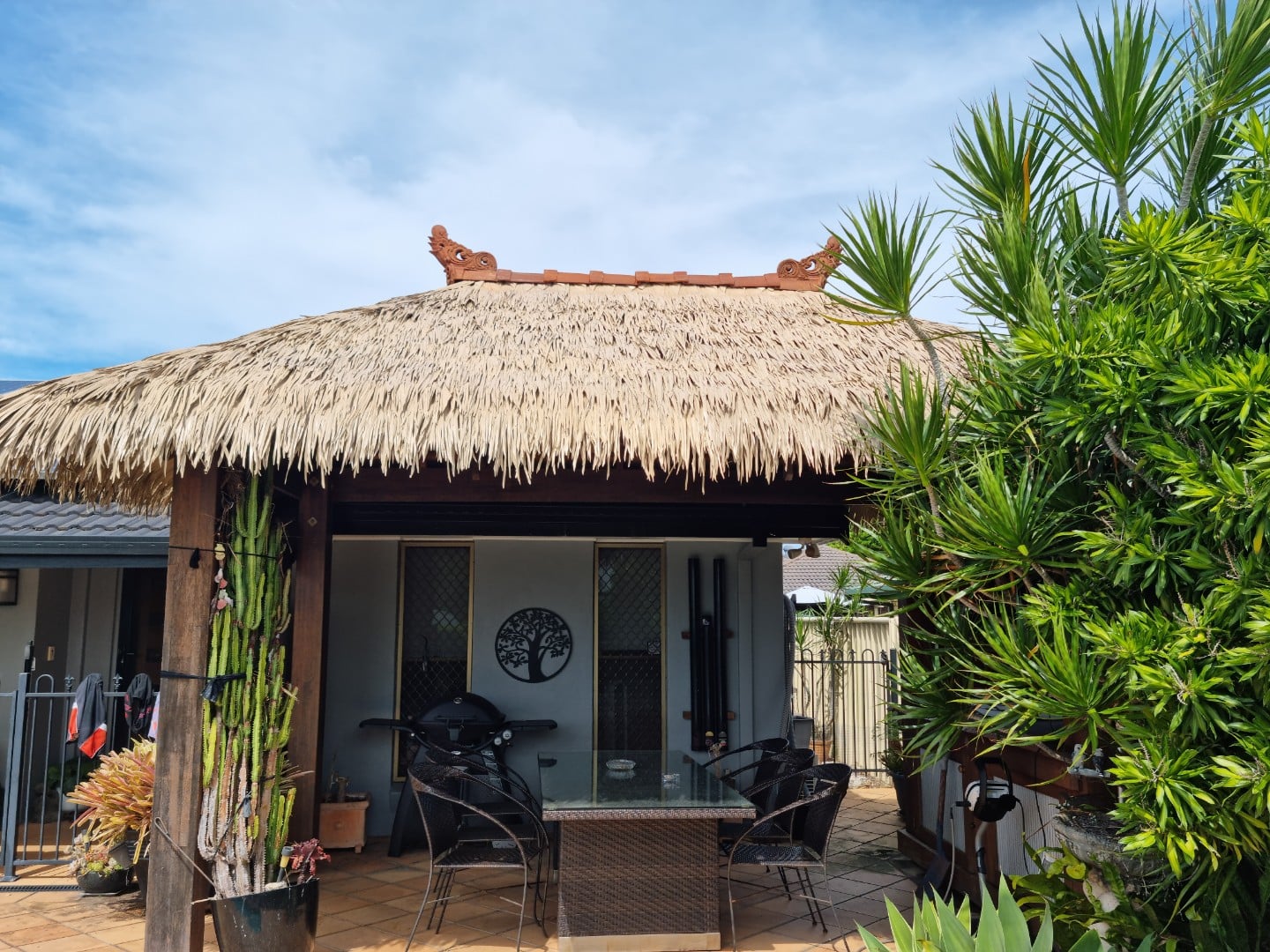
The thatched cottage has emerged as a distinctive architectural choice that bridges traditional charm with contemporary vacation home design. Property developers and homeowners increasingly recognize that the aesthetic appeal of a thatched cottage extends far beyond nostalgic romanticism, offering tangible value propositions for modern vacation properties. The unique texture, natural materials, and organic silhouette of thatched roofing create an immediate sense of place that distinguishes vacation homes in competitive rental markets.
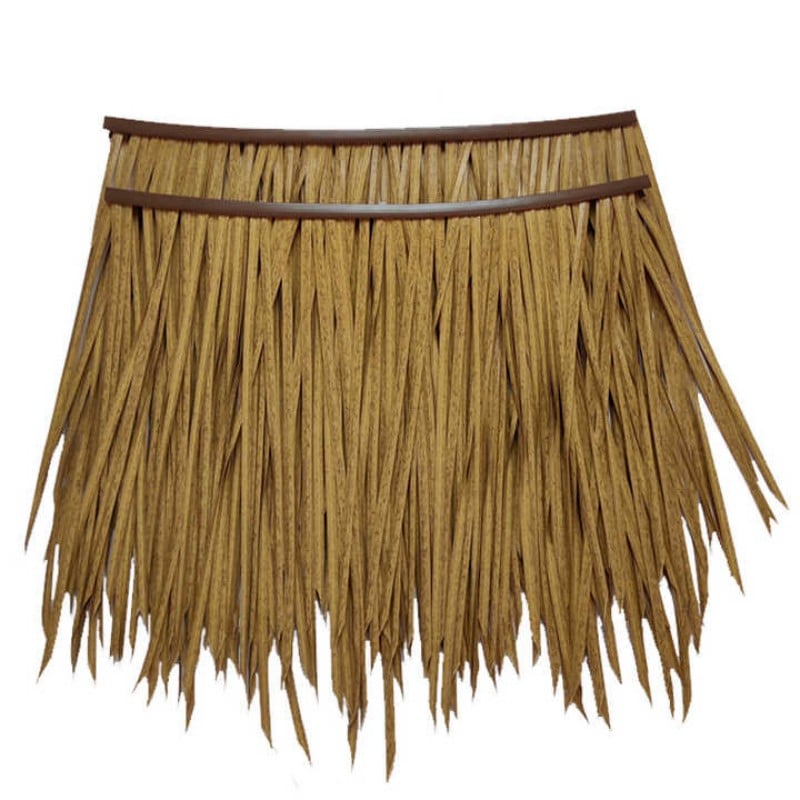
Modern vacation home design increasingly emphasizes experiential value, where guests seek authentic and memorable environments that provide escape from urban standardization. The thatched cottage delivers this experience through its inherent connection to craft traditions, natural materials, and timeless architectural principles. Understanding both the aesthetic and practical dimensions of thatched cottage design enables property owners to make informed decisions about incorporating this distinctive roofing approach into vacation home developments.
Distinctive Aesthetic Appeal of Thatched Cottage Architecture
Visual Impact and Architectural Character
The visual impact of a thatched cottage stems from its organic texture and undulating roofline that creates dynamic shadows and depth throughout different lighting conditions. Unlike conventional roofing materials that present flat, uniform surfaces, thatched roofing provides three-dimensional texture that changes appearance with weather, season, and time of day. This natural variation ensures that the thatched cottage maintains visual interest and photogenic quality essential for vacation rental marketing.
The rounded edges and gentle curves characteristic of thatched cottage rooflines soften the architectural profile, creating a welcoming and approachable aesthetic that contrasts sharply with the angular geometry of contemporary construction. This softening effect extends to the overall building silhouette, where the thatched cottage appears to nestle into its landscape rather than imposing upon it. The result is an architectural harmony that enhances both the building's individual character and its relationship to surrounding natural environments.
Color variation within thatched materials adds another layer of visual complexity, as natural thatch develops subtle gradations from golden wheat tones to deeper amber and brown hues. These color shifts occur naturally through weathering and age, ensuring that each thatched cottage develops a unique patina over time. Modern synthetic thatch materials can replicate these color variations while providing enhanced durability and consistency.
Integration with Landscape and Natural Settings
The thatched cottage demonstrates exceptional compatibility with diverse landscape settings, from coastal environments to woodland retreats and rural meadows. The natural materials and earth-tone color palette of thatched roofing complement vegetation, stone, and water features without competing for visual attention. This landscape integration creates cohesive outdoor environments that enhance the overall vacation experience.
The organic texture of a thatched cottage roof provides visual transition between built and natural environments, softening the boundary between architecture and landscape. This transition effect proves particularly valuable in vacation home settings where guests expect seamless indoor-outdoor living experiences. The textural complexity of thatch creates visual depth that enhances garden settings, water features, and outdoor entertaining areas.
Seasonal changes in surrounding vegetation harmonize naturally with the thatched cottage aesthetic, as both exhibit organic aging processes and natural color evolution. This harmony ensures that vacation homes maintain visual appeal throughout different seasons and weather conditions, supporting year-round rental potential and guest satisfaction.
Practical Advantages for Modern Vacation Properties
Thermal Performance and Energy Efficiency
The thermal properties of a thatched cottage provide significant practical advantages for vacation home operations, particularly in managing energy costs and guest comfort. Traditional thatch materials create excellent insulation through their dense, layered structure and trapped air pockets. This natural insulation helps maintain stable interior temperatures, reducing heating and cooling demands that can impact vacation rental profitability.
Modern synthetic thatch materials designed for vacation home applications often incorporate enhanced thermal properties while maintaining the authentic appearance of traditional thatched cottage roofing. These materials can include reflective elements, improved air gap design, and integrated vapor barriers that optimize thermal performance for contemporary climate control systems. The result is a thatched cottage that delivers both aesthetic appeal and practical energy efficiency.
The thermal mass effect of thatched cottage construction helps moderate temperature swings, creating more stable and comfortable interior conditions for guests. This temperature stability reduces HVAC system cycling, extending equipment life and minimizing maintenance requirements for vacation property owners.
Durability and Weather Resistance
Modern thatched cottage construction incorporates significant advances in weather resistance and durability that address traditional concerns about thatch performance. Contemporary synthetic thatch materials offer UV resistance, water repellency, and wind resistance that meet or exceed conventional roofing standards while maintaining authentic aesthetic characteristics.
The layered construction principle of thatched cottage roofing naturally sheds water through its overlapping structure, similar to shingle systems but with enhanced drainage characteristics. Proper installation techniques ensure that thatched roofing systems direct water away from structural elements while maintaining breathability that prevents moisture accumulation and related damage.
Fire resistance represents a critical practical consideration for vacation properties, and modern synthetic thatch materials incorporate flame-retardant treatments that significantly improve safety performance compared to traditional materials. These treatments maintain the visual authenticity of the thatched cottage while meeting contemporary building codes and insurance requirements for vacation rental properties.
Market Positioning and Guest Experience Value
Differentiation in Competitive Vacation Markets
The distinctive appearance of a thatched cottage provides immediate differentiation in vacation rental markets increasingly crowded with standardized architectural styles. Property listing photographs featuring thatched roofing create memorable first impressions that help vacation homes stand out in online search results and booking platforms. This visual differentiation translates directly into improved booking rates and premium pricing opportunities.
Guest reviews consistently highlight the unique character and authentic atmosphere of thatched cottage accommodations, emphasizing the experiential value that extends beyond basic lodging functions. The thatched cottage aesthetic creates a sense of place and story that enhances guest satisfaction and encourages repeat bookings and referral business.
Marketing advantages of thatched cottage properties include enhanced social media appeal, where the photogenic qualities of thatched roofing generate organic promotion through guest photography and sharing. The distinctive silhouette and texture of a thatched cottage provide compelling visual content that supports digital marketing efforts and brand recognition for vacation rental properties.
Authentic Experience Creation
The thatched cottage delivers authentic cultural and historical connections that resonate with guests seeking meaningful travel experiences. The visual and tactile qualities of thatched construction evoke traditional craftsmanship and connection to place that modern travelers increasingly value. This authenticity creates emotional engagement that enhances overall vacation satisfaction.
The sensory experience of staying in a thatched cottage includes unique acoustic properties, where the dense thatch materials provide natural sound dampening that creates peaceful interior environments. This acoustic comfort contributes to relaxation and stress relief that vacation guests specifically seek, supporting positive reviews and repeat bookings.
The handcrafted appearance and natural materials of a thatched cottage create conversation pieces and storytelling opportunities that enhance social aspects of vacation experiences. Guests often report that the unique character of thatched accommodations facilitates family bonding and group interaction in ways that standard vacation rentals cannot match.
Investment Considerations and Long-term Value
Initial Investment and Installation Factors
The initial investment in thatched cottage construction or renovation requires careful evaluation of material costs, installation complexity, and local building requirements. Modern synthetic thatch systems offer cost predictability and installation efficiency that make thatched cottage projects more accessible to vacation property developers and individual homeowners.
Installation considerations for a thatched cottage include structural requirements, building code compliance, and contractor availability. Synthetic thatch systems typically require less specialized installation expertise compared to traditional materials, reducing project complexity and timeline uncertainty. However, proper installation remains critical for achieving authentic appearance and optimal performance.
Regional building codes and permit requirements for thatched cottage construction vary significantly, requiring thorough research and professional consultation during project planning phases. Some jurisdictions offer streamlined approval processes for synthetic thatch materials that meet specific performance standards, while others require additional documentation and inspection procedures.
Maintenance Requirements and Lifecycle Costs
Modern thatched cottage maintenance requirements differ substantially from traditional thatch systems, with synthetic materials offering extended service life and reduced maintenance intensity. Routine maintenance typically involves periodic cleaning, inspection for wear or damage, and occasional replacement of individual sections rather than complete roof renewal.
The lifecycle cost analysis of a thatched cottage should include potential energy savings, enhanced rental income, and reduced replacement frequency compared to conventional roofing systems. These factors often offset higher initial costs over the property's operational lifetime, particularly for vacation properties where aesthetic differentiation commands premium rates.
Insurance considerations for thatched cottage properties have evolved significantly with modern materials and fire-resistant treatments. Many insurers now offer standard coverage for synthetic thatch installations that meet specific performance criteria, eliminating the insurance premium penalties historically associated with traditional thatch construction.
FAQ
How long does a modern thatched cottage roof typically last?
Modern synthetic thatched cottage roofing systems typically provide 15-25 year service life with proper installation and maintenance, significantly exceeding traditional thatch longevity. High-quality synthetic materials often include UV resistance and weathering protection that extends performance in challenging climates. Regular inspection and minor repairs can further extend the functional life of thatched cottage roofing systems.
Are there building code restrictions for thatched cottage construction in vacation areas?
Building code requirements for thatched cottage construction vary by jurisdiction, with many areas now accommodating synthetic thatch materials that meet fire resistance and structural performance standards. Coastal and wildfire-prone regions may have specific requirements for flame-retardant treatments and installation methods. Consulting with local building departments and qualified contractors early in the planning process ensures compliance and smooth permit approval.
What maintenance is required to keep a thatched cottage looking authentic and performing well?
Thatched cottage maintenance primarily involves annual inspection for loose or damaged sections, periodic cleaning to remove debris and organic growth, and prompt repair of any compromised areas. Synthetic thatch systems require less intensive maintenance than traditional materials but benefit from professional assessment every few years. Proper drainage maintenance and gutter cleaning help protect the underlying structure and extend the roof's functional life.
How does the cost of a thatched cottage compare to other distinctive roofing options for vacation homes?
Thatched cottage initial costs typically fall within the range of premium roofing materials like slate, cedar shake, or metal roofing systems, but often provide superior aesthetic differentiation and guest appeal. The total cost of ownership may be lower than some alternatives when factoring in enhanced rental income potential and energy efficiency benefits. Modern synthetic thatch systems offer more predictable costs and installation timelines compared to traditional materials, improving project budget reliability.
Table of Contents
- Distinctive Aesthetic Appeal of Thatched Cottage Architecture
- Practical Advantages for Modern Vacation Properties
- Market Positioning and Guest Experience Value
- Investment Considerations and Long-term Value
-
FAQ
- How long does a modern thatched cottage roof typically last?
- Are there building code restrictions for thatched cottage construction in vacation areas?
- What maintenance is required to keep a thatched cottage looking authentic and performing well?
- How does the cost of a thatched cottage compare to other distinctive roofing options for vacation homes?