 EN
EN

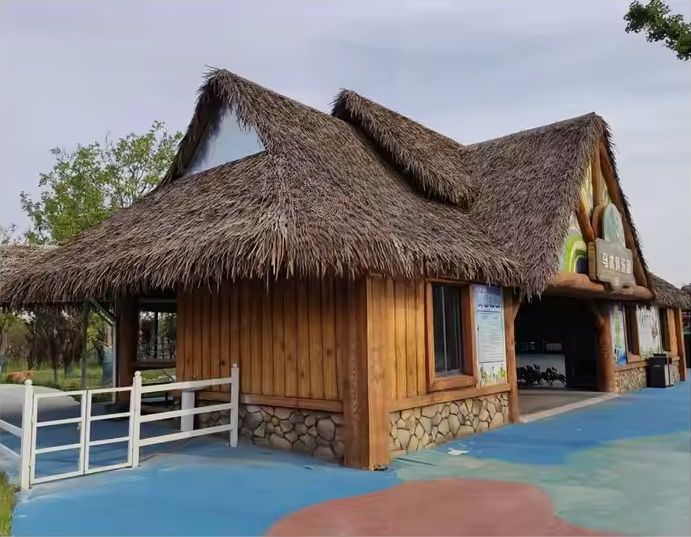
A thatched cottage represents more than just charming architecture—it embodies a sustainable approach to travel that resonates deeply with eco-conscious travelers seeking authentic, environmentally responsible experiences. These traditional structures, with their distinctive straw or reed roofing systems, offer a unique combination of natural materials, energy efficiency, and cultural heritage that appeals to modern travelers who prioritize environmental stewardship in their accommodation choices.
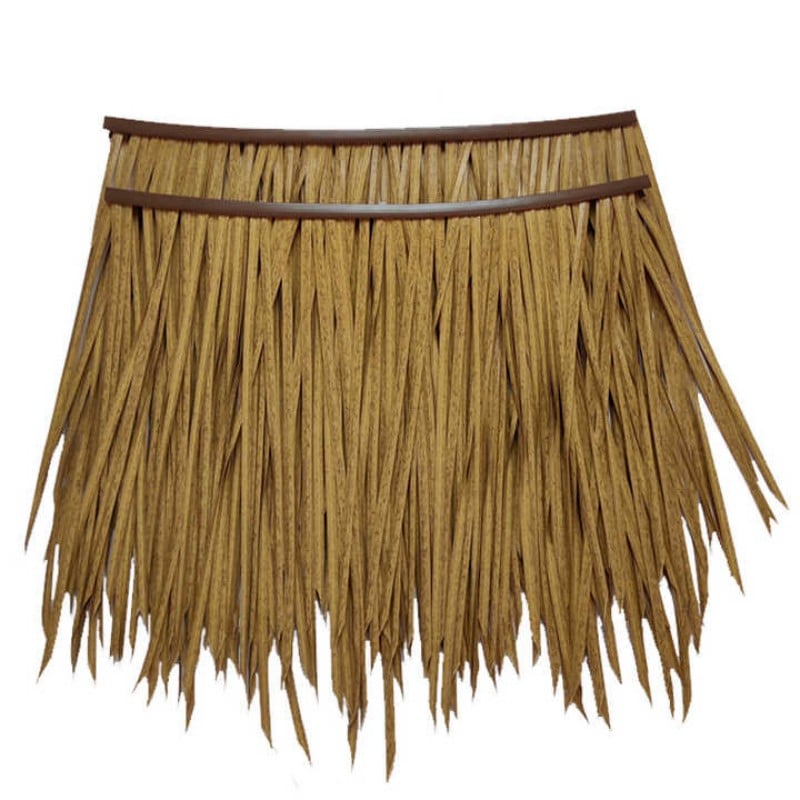
The growing movement toward sustainable tourism has transformed how travelers evaluate their accommodation options, with many specifically seeking properties that demonstrate genuine environmental commitment. A thatched cottage naturally aligns with these values through its use of renewable materials, traditional building techniques, and harmonious integration with the natural landscape. Understanding the specific eco-friendly attributes of these structures reveals why they have become increasingly popular among environmentally conscious travelers worldwide.
Natural Material Sustainability
Renewable Resource Foundation
The fundamental appeal of a thatched cottage to eco-conscious travelers lies in its construction using entirely renewable materials. Traditional thatching materials such as wheat straw, water reed, and long straw represent agricultural byproducts that would otherwise decompose or require disposal. When used for roofing, these materials create a carbon-neutral building envelope that actively sequesters carbon throughout the structure's lifespan.
Modern eco-travelers appreciate that a thatched cottage roof typically requires replacement every 25-30 years, creating a sustainable cycle where old thatch materials can be composted and returned to agricultural use. This circular approach to building materials demonstrates the kind of regenerative thinking that appeals to travelers who consider the full lifecycle impact of their accommodation choices.
The harvesting process for traditional thatching materials also supports sustainable agricultural practices, as many thatching straws are grown specifically for roofing purposes using organic farming methods. This connection between sustainable agriculture and sustainable architecture creates a holistic environmental story that resonates strongly with eco-conscious travelers seeking accommodations that support broader environmental goals.
Chemical-Free Construction Methods
Eco-conscious travelers often prioritize accommodations that minimize chemical exposure and synthetic materials. A thatched cottage typically achieves this through traditional construction techniques that rely on natural binding agents and mechanical fastening rather than chemical adhesives or treatments. The thatching process itself uses time-tested methods of layering and securing natural materials without requiring synthetic preservatives or waterproofing chemicals.
The walls of authentic thatched cottages often feature lime mortar, natural stone, or timber frame construction, all of which contribute to a chemical-free indoor environment. This natural approach to building creates indoor air quality that many eco-conscious travelers find superior to conventional hotel accommodations, particularly for those with sensitivities to synthetic materials or off-gassing from modern construction products.
Even maintenance and restoration of a thatched cottage typically employs traditional techniques and natural materials, ensuring that the structure maintains its eco-friendly profile throughout its operational life. This commitment to chemical-free maintenance aligns with the values of travelers who seek accommodations that demonstrate consistent environmental stewardship.
Energy Efficiency and Climate Performance
Natural Insulation Properties
The energy performance of a thatched cottage appeals strongly to eco-conscious travelers due to the exceptional insulation properties of natural thatching materials. A properly constructed thatched roof can achieve insulation values comparable to modern synthetic materials while providing superior thermal mass and moisture management. The thick layers of straw or reed create numerous air pockets that provide excellent thermal resistance, reducing the energy required for heating and cooling.
During summer months, a thatched cottage naturally maintains cooler interior temperatures due to the thermal mass and evaporative cooling effects of the natural materials. This passive cooling reduces or eliminates the need for air conditioning, significantly lowering the property's energy consumption. Eco-conscious travelers appreciate staying in accommodations that demonstrate such natural climate control, as it aligns with their preference for low-energy solutions.
Winter performance of a thatched cottage also impresses environmentally minded guests, as the natural insulation properties help retain heat more effectively than many conventional roofing systems. The breathable nature of thatch allows moisture management while maintaining thermal performance, creating comfortable indoor conditions with minimal energy input for heating systems.
Passive Environmental Design
Eco-conscious travelers often seek accommodations that demonstrate thoughtful environmental design, and a thatched cottage naturally incorporates many passive design principles. The organic shape and natural materials of thatched roofing help buildings blend seamlessly with their landscape, reducing visual impact and supporting local ecosystem health. This harmonious integration appeals to travelers who prefer accommodations that enhance rather than detract from natural environments.
The natural drainage characteristics of a thatched cottage roof support sustainable water management, as thatch naturally sheds rainwater while allowing for controlled absorption and gradual release. This water management approach reduces runoff and supports local groundwater recharge, demonstrating the kind of ecosystem-friendly design that eco-conscious travelers value in their accommodation choices.
Many thatched cottages also incorporate other passive design elements such as natural ventilation systems, strategic window placement for optimal daylighting, and orientation that maximizes beneficial solar gain while minimizing summer heat. These integrated design approaches create comfortable living spaces with minimal mechanical systems, appealing to travelers who appreciate sophisticated yet natural environmental solutions.
Cultural Heritage and Authentic Experience
Traditional Craftsmanship Preservation
Eco-conscious travelers increasingly value accommodations that support cultural preservation alongside environmental stewardship, making a thatched cottage particularly appealing for its role in maintaining traditional building crafts. The construction and maintenance of thatched roofing requires specialized skills passed down through generations, and choosing to stay in such properties directly supports the preservation of these endangered trades.
The craftsmanship involved in creating a thatched cottage represents a form of sustainable practice that eco-conscious travelers appreciate—skilled artisans using local materials and traditional techniques to create durable, beautiful structures without relying on industrial manufacturing or global supply chains. This local approach to construction aligns with the values of travelers who prefer to support local economies and traditional skills.
Many eco-conscious travelers also appreciate the opportunity to learn about traditional building techniques during their stay, as thatched cottages often provide educational opportunities about sustainable construction methods, local history, and traditional crafts. This educational component adds value to the travel experience while supporting broader awareness of sustainable building practices.
Connection to Local Landscape and Culture
A thatched cottage provides eco-conscious travelers with an authentic connection to local landscape and cultural traditions that mass-produced accommodations cannot match. These structures typically use materials sourced from the immediate region, creating a direct relationship between the building and its local environment that appeals to travelers seeking genuine place-based experiences.
The agricultural connections of thatching materials often provide opportunities for guests to learn about local farming practices, seasonal cycles, and traditional land management techniques. Eco-conscious travelers appreciate these educational opportunities that help them understand the relationship between sustainable agriculture, traditional building, and environmental stewardship in their destination region.
Staying in a thatched cottage also supports rural economies and traditional communities in ways that align with sustainable tourism principles. Many eco-conscious travelers specifically seek accommodations that provide economic benefits to local communities while preserving cultural traditions and supporting environmental conservation efforts.
Biodiversity and Ecosystem Benefits
Wildlife Habitat Integration
Eco-conscious travelers often prioritize accommodations that support rather than harm local ecosystems, making the biodiversity benefits of a thatched cottage particularly appealing. Thatched roofing naturally provides habitat for various bird species, insects, and small mammals, creating a living ecosystem that contributes to local biodiversity rather than displacing it. This integration with natural systems appeals to travelers who value accommodations that enhance rather than compromise environmental health.
The natural materials and organic shapes of thatched cottages create microhabitats that support beneficial insects, including pollinators that contribute to local ecosystem health. Eco-conscious travelers appreciate staying in accommodations that actively support wildlife populations, particularly in rural areas where habitat preservation is crucial for maintaining biodiversity.
Many thatched cottages also incorporate native landscaping and traditional garden designs that further enhance their biodiversity value. These integrated approaches to property management demonstrate the kind of holistic environmental thinking that appeals to travelers seeking accommodations with positive ecological impact.
Sustainable Landscape Management
The grounds surrounding a thatched cottage typically employ sustainable landscape management practices that align with eco-conscious traveler values. Traditional cottage gardens often feature native plants, heritage varieties, and organic growing methods that support local ecosystem health while providing fresh produce for guests. These sustainable gardening practices demonstrate integrated approaches to environmental stewardship that extend beyond the building itself.
Water management around thatched cottages often incorporates natural systems such as rain gardens, permeable surfaces, and native plant communities that manage stormwater while supporting local wildlife. Eco-conscious travelers appreciate accommodations that demonstrate thoughtful water stewardship, particularly in regions where water conservation is important for environmental health.
The maintenance practices for thatched cottage properties typically emphasize natural methods and minimal chemical inputs, creating landscapes that support beneficial insects, birds, and soil health. This approach to property management aligns with the values of eco-conscious travelers who seek accommodations that demonstrate comprehensive environmental responsibility.
FAQ
Are thatched cottages actually more environmentally friendly than modern eco-hotels?
A thatched cottage can be significantly more environmentally friendly than many modern eco-hotels when constructed and maintained using traditional methods with natural materials. The key advantages include zero embodied energy in the renewable thatching materials, superior natural insulation reducing energy consumption, biodiversity support through habitat creation, and elimination of synthetic chemicals and manufactured materials. However, the environmental performance depends heavily on authentic construction methods and ongoing maintenance practices that preserve the traditional eco-friendly characteristics.
How does staying in a thatched cottage support sustainable tourism goals?
Choosing a thatched cottage supports sustainable tourism by preserving traditional building crafts and local cultural heritage, supporting rural economies through specialized trades and local material sourcing, maintaining connections between agriculture and tourism through the use of farming byproducts for construction, and providing educational opportunities about sustainable building practices and traditional skills. This direct support for local communities and traditional practices aligns with sustainable tourism principles that prioritize cultural preservation and local economic benefits.
What should eco-conscious travelers look for when choosing a thatched cottage accommodation?
Eco-conscious travelers should verify that the thatched cottage uses authentic natural materials rather than synthetic alternatives, employs traditional construction and maintenance methods without chemical treatments, incorporates sustainable property management practices including organic gardening and natural landscape management, and supports local communities through employment of traditional craftspeople and sourcing of regional materials. Additionally, look for properties that provide educational information about the sustainable aspects of thatched construction and local environmental practices.
Do thatched cottages require more maintenance that might impact their environmental benefits?
While thatched cottages do require regular maintenance including periodic re-thatching every 25-30 years, this maintenance actually enhances their environmental benefits when performed using traditional methods. The old thatch materials can be composted and returned to agricultural use, creating a circular material cycle. Regular maintenance preserves the energy efficiency and structural integrity of the building, extending its useful life and preventing the need for major reconstruction. The specialized maintenance also supports traditional trades and local economies, contributing to the overall sustainability of the accommodation option.
Table of Contents
- Natural Material Sustainability
- Energy Efficiency and Climate Performance
- Cultural Heritage and Authentic Experience
- Biodiversity and Ecosystem Benefits
-
FAQ
- Are thatched cottages actually more environmentally friendly than modern eco-hotels?
- How does staying in a thatched cottage support sustainable tourism goals?
- What should eco-conscious travelers look for when choosing a thatched cottage accommodation?
- Do thatched cottages require more maintenance that might impact their environmental benefits?