 EN
EN
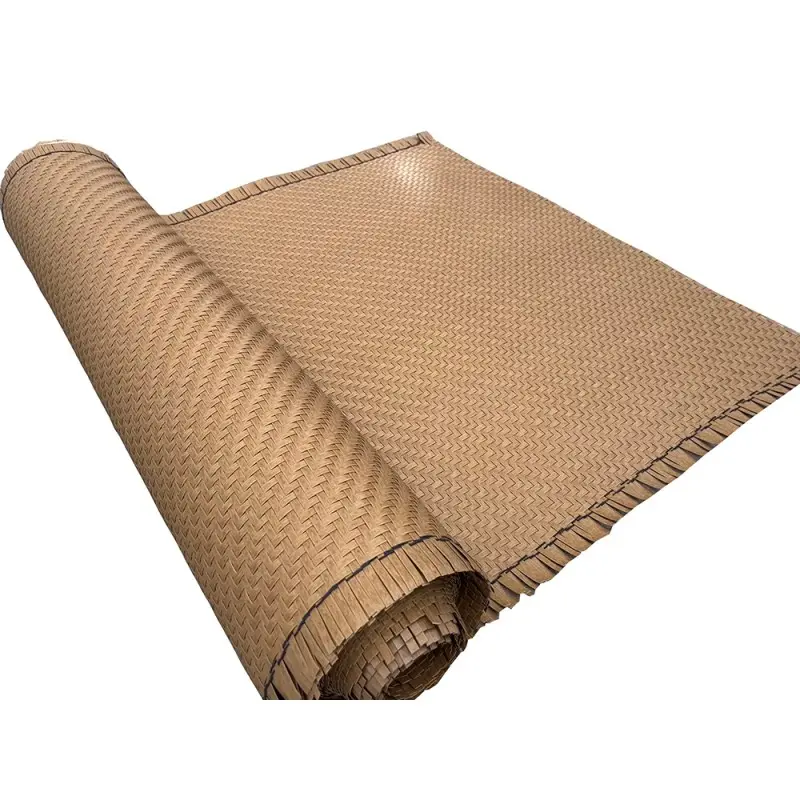
Rattan weave has emerged as one of the most sought-after materials in contemporary architecture and interior design, offering a perfect blend of natural aesthetics and functional durability. This versatile material combines traditional craftsmanship with modern engineering techniques to create surfaces that withstand various environmental conditions while maintaining their visual appeal. Understanding the durability characteristics and proper maintenance methods of rattan weave is essential for architects, designers, and property owners who want to maximize their investment in this premium material. The longevity of rattan weave installations depends heavily on proper care protocols and environmental considerations that affect its structural integrity over time.
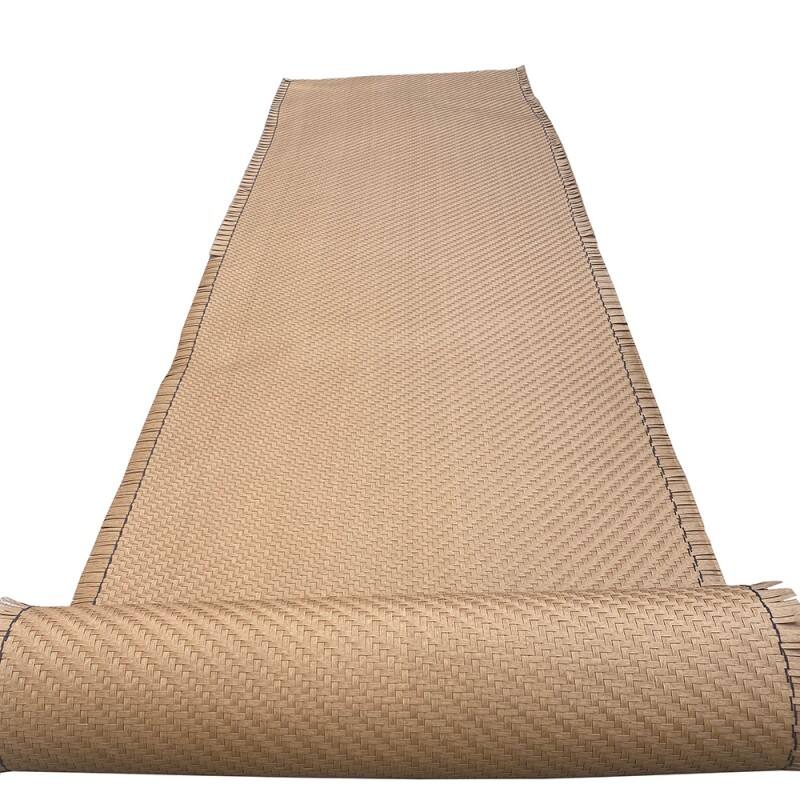
Understanding Rattan Weave Construction and Material Properties
Core Material Composition
The foundation of durable rattan weave lies in its sophisticated material composition, which typically combines natural rattan fibers with synthetic reinforcement elements. Modern manufacturing processes enhance the inherent strength of rattan by treating the fibers with protective coatings that resist moisture, UV radiation, and biological degradation. These treatments penetrate deep into the fiber structure, creating a barrier against environmental stressors while preserving the material's natural flexibility and appearance. The weaving pattern itself contributes significantly to the overall strength, as interlaced fibers distribute mechanical stress across multiple contact points rather than concentrating it in single areas.
Advanced production techniques now incorporate polymer additives that improve the dimensional stability of rattan weave under temperature fluctuations. These additives work at the molecular level to reduce expansion and contraction cycles that can lead to cracking or separation over time. Quality manufacturers also employ precision tension control during the weaving process, ensuring consistent fiber density that eliminates weak spots where premature failure might occur. The result is a composite material that maintains the aesthetic qualities of natural rattan while exhibiting enhanced performance characteristics suitable for demanding applications.
Structural Engineering Benefits
The engineered structure of modern rattan weave provides exceptional resistance to both static and dynamic loads, making it suitable for high-traffic environments and weather-exposed installations. The interwoven pattern creates a redundant load path system where individual fiber failure does not compromise overall structural integrity. This characteristic is particularly valuable in architectural applications where safety margins are critical. The natural elasticity of rattan fibers allows the weave to absorb impact energy without permanent deformation, returning to its original configuration once the load is removed.
Thermal performance represents another significant advantage of properly engineered rattan weave systems. The natural insulating properties of rattan, combined with the air gaps inherent in woven construction, create effective thermal barriers that reduce energy transfer. This characteristic makes rattan weave particularly attractive for building envelope applications where energy efficiency is a priority. The material's ability to maintain stable performance across wide temperature ranges eliminates the need for frequent seasonal adjustments or replacements.
Environmental Factors Affecting Durability
Moisture and Humidity Management
Moisture control represents the most critical factor in preserving the long-term durability of rattan weave installations. Natural rattan fibers have hygroscopic properties, meaning they absorb and release moisture in response to environmental humidity changes. While this characteristic allows the material to maintain flexibility and prevent brittleness, excessive moisture exposure can lead to dimensional instability and biological degradation. Proper installation techniques include adequate ventilation systems that promote air circulation around rattan weave surfaces, preventing moisture accumulation that could support mold or bacterial growth.
Modern protective treatments significantly improve moisture resistance without compromising the material's natural breathability. These treatments form microscopic barriers that repel liquid water while allowing vapor transmission, maintaining the optimal moisture balance within the fiber structure. Regular monitoring of humidity levels in enclosed spaces helps identify potential problem areas before damage occurs. Implementing humidity control systems in interior applications ensures that rattan weave maintains its dimensional stability and appearance over extended periods.
UV Protection and Color Stability
Ultraviolet radiation poses a significant threat to the long-term appearance and structural integrity of rattan weave materials exposed to direct sunlight. UV photons break down the lignin and cellulose components of natural fibers, leading to surface degradation, color fading, and eventual fiber embrittlement. High-quality rattan weave products incorporate UV-stabilizing compounds that absorb or reflect harmful radiation before it can penetrate the fiber structure. These protective additives are typically integrated during the manufacturing process, ensuring uniform distribution throughout the material.
Color stability in rattan weave applications requires careful consideration of both initial dye selection and ongoing protection strategies. Colorfast dyes that resist UV degradation maintain their vibrancy longer when combined with appropriate surface treatments. For exterior applications, regular application of UV-protective coatings extends the service life of rattan weave significantly. These coatings create a sacrificial layer that absorbs UV energy while preserving the underlying material structure and appearance.
Preventive Maintenance Protocols
Regular Cleaning Procedures
Establishing a systematic cleaning routine forms the cornerstone of effective rattan weave maintenance, preventing the accumulation of contaminants that can accelerate material degradation. Weekly dusting with soft-bristled brushes removes surface particles that might otherwise abrade the fiber surface or trap moisture. The cleaning motion should follow the direction of the weave pattern to avoid disturbing the fiber alignment or creating snag points. For deeper cleaning, mild detergent solutions applied with soft cloths effectively remove organic residues without damaging protective treatments.
Specialized cleaning products designed specifically for natural fiber materials provide optimal results while maintaining the integrity of protective coatings. These formulations typically include surfactants that lift contaminants without aggressive chemical action, plus conditioning agents that help preserve fiber flexibility. Thorough rinsing with clean water removes cleaning residues that might otherwise attract new contamination. Air drying in well-ventilated areas prevents moisture retention that could promote biological growth or dimensional changes.
Inspection and Early Problem Detection
Systematic inspection protocols enable early detection of potential problems before they develop into costly failures or safety hazards. Monthly visual examinations should focus on identifying loose fibers, color changes, or surface irregularities that might indicate underlying degradation. Particular attention should be paid to high-stress areas such as corners, edges, and attachment points where mechanical wear typically occurs first. Digital photography of inspection areas creates a permanent record that facilitates trend analysis and helps identify gradual changes that might not be apparent during individual inspections.
Professional inspection services provide more comprehensive evaluation capabilities, including moisture content measurement, structural load testing, and microscopic fiber analysis. These detailed assessments can identify subsurface problems that are not visible during routine inspections, allowing for proactive maintenance interventions. Scheduling professional inspections annually or biannually, depending on environmental exposure levels, helps ensure that minor issues are addressed before they compromise overall system performance.
Repair and Restoration Techniques
Localized Damage Repair
When localized damage occurs in rattan weave installations, prompt repair using appropriate techniques can restore both structural integrity and aesthetic appearance. Small fiber breaks or loose sections can often be addressed through careful reweaving using matching materials and traditional techniques. The key to successful repair lies in selecting replacement fibers that match the original material in terms of size, color, and flexibility characteristics. Proper preparation of the damaged area, including cleaning and conditioning of adjacent fibers, ensures strong bonding between new and existing materials.
Advanced repair techniques employ specialized adhesives designed for natural fiber applications, creating bonds that flex with the material while maintaining long-term strength. These adhesives cure to form clear, flexible connections that do not interfere with the natural movement of rattan weave under environmental loading. Surface finishing of repaired areas using appropriate stains or protective coatings helps blend the repair with the surrounding material, maintaining visual continuity across the entire installation.
Comprehensive Restoration Methods
Extensive restoration projects require systematic approaches that address both structural and aesthetic concerns while preserving the historical or design integrity of the original installation. The restoration process typically begins with comprehensive documentation of existing conditions, including detailed photography and material analysis to guide repair decisions. Careful removal of damaged sections prevents unnecessary disturbance to sound materials, while preservation of original fixing methods maintains the authentic character of the installation.
Modern restoration techniques can incorporate improved materials and methods that enhance durability while maintaining visual compatibility with original elements. For example, synthetic reinforcement fibers can be integrated into replacement sections to improve strength without altering appearance. Updated protective treatments applied during restoration extend service life significantly beyond that of the original installation, providing better long-term value while preserving the desired aesthetic characteristics.
Long-term Performance Optimization
Environmental Control Strategies
Optimizing the performance of rattan weave installations requires proactive environmental control that addresses the primary factors affecting material longevity. Climate control systems in interior applications should maintain relative humidity levels between 40 and 60 percent to minimize dimensional changes while preventing excessive drying that can lead to brittleness. Temperature stability reduces thermal stress cycles that gradually weaken fiber bonds, while controlled ventilation prevents stagnant air conditions that promote biological growth.
For exterior applications, strategic positioning and shading can significantly extend service life by reducing direct exposure to harsh environmental conditions. Architectural features such as overhangs, screens, or landscaping elements provide passive protection while maintaining the desired aesthetic integration. Drainage design ensures rapid water removal from rattan weave surfaces, preventing prolonged moisture contact that accelerates degradation processes. These environmental modifications often provide better long-term value than frequent material replacement or intensive maintenance procedures.
Performance Monitoring Systems
Implementing systematic performance monitoring enables data-driven maintenance decisions that optimize both cost and effectiveness. Environmental sensors that continuously track temperature, humidity, and UV exposure provide objective data about the stress factors affecting rattan weave installations. This information helps predict maintenance needs and optimize intervention timing for maximum effectiveness. Digital monitoring systems can alert facility managers to conditions that exceed acceptable thresholds, enabling prompt corrective action before damage occurs.
Advanced monitoring techniques include periodic mechanical testing to assess changes in material properties over time. Non-destructive testing methods can evaluate fiber strength, flexibility, and adhesion characteristics without damaging the installation. This data creates a performance baseline that guides replacement decisions and helps optimize maintenance schedules based on actual condition rather than arbitrary time intervals. Regular performance documentation also supports warranty claims and helps refine maintenance protocols based on real-world experience.
FAQ
How often should rattan weave be professionally cleaned and inspected
Professional cleaning and inspection frequency depends on environmental exposure and usage levels, but generally ranges from quarterly for high-traffic interior applications to annually for protected exterior installations. Indoor rattan weave in commercial settings benefits from professional deep cleaning every three to six months, while residential applications typically require annual professional service. Exterior installations exposed to weather should receive professional inspection and maintenance at least twice yearly, with additional attention after severe weather events. Regular professional service not only maintains appearance but also identifies potential problems early, preventing costly repairs or premature replacement.
What are the most effective protective treatments for extending rattan weave lifespan
The most effective protective treatments combine UV stabilizers, moisture barriers, and antifungal compounds applied in multiple thin coats rather than single heavy applications. Penetrating sealers that preserve the natural texture and breathability of rattan weave generally outperform surface coatings that can crack or peel over time. Water-based formulations typically provide better long-term performance than solvent-based products, as they allow natural fiber movement without compromising protection. Professional-grade treatments applied every two to three years significantly extend service life compared to consumer products that may require annual reapplication.
Can damaged sections of rattan weave be repaired without replacing entire panels
Yes, localized repairs are often possible and cost-effective for damage covering less than 20 percent of a panel or section. Skilled craftspeople can reweave damaged areas using matching materials and traditional techniques, creating repairs that are virtually indistinguishable from the original installation. The key factors for successful repair include accessing quality replacement materials, proper preparation of the damaged area, and skilled execution of weaving techniques. However, extensive damage or repeated repairs in the same area may indicate underlying problems that require comprehensive replacement for optimal long-term performance.
What environmental conditions pose the greatest risk to rattan weave durability
The combination of high humidity with poor ventilation creates the most dangerous conditions for rattan weave, as it promotes biological degradation while preventing natural drying cycles. Extreme temperature fluctuations, particularly rapid changes between hot and cold conditions, cause repeated expansion and contraction that weakens fiber bonds over time. Direct exposure to intense UV radiation accelerates photodegradation of natural fibers, while saltwater environments present corrosion risks to metal components and chemical stress to organic materials. Controlling these environmental factors through proper design, installation, and maintenance provides the best protection for long-term durability.
Table of Contents
- Understanding Rattan Weave Construction and Material Properties
- Environmental Factors Affecting Durability
- Preventive Maintenance Protocols
- Repair and Restoration Techniques
- Long-term Performance Optimization
-
FAQ
- How often should rattan weave be professionally cleaned and inspected
- What are the most effective protective treatments for extending rattan weave lifespan
- Can damaged sections of rattan weave be repaired without replacing entire panels
- What environmental conditions pose the greatest risk to rattan weave durability