 EN
EN
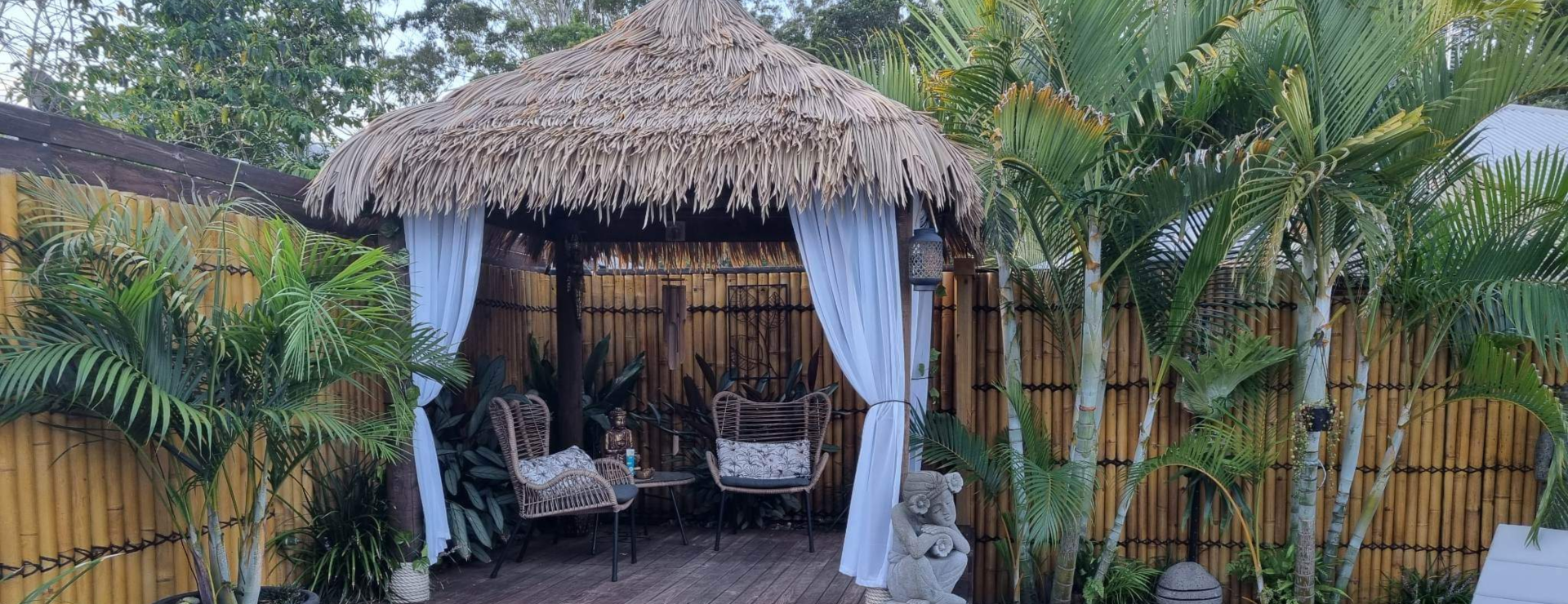
Commercial buildings in tropical and subtropical regions face unique challenges when it comes to maintaining aesthetic appeal while ensuring long-term durability. Traditional roofing and decorative materials often fall short when exposed to intense UV radiation, heavy rainfall, and fluctuating temperatures. Synthetic palm leaf thatch has emerged as a revolutionary solution that combines the natural beauty of tropical aesthetics with modern engineering durability. This innovative material offers property developers, architects, and facility managers a way to create stunning commercial spaces that withstand environmental pressures while maintaining their visual appeal for years to come.
Understanding Synthetic Palm Leaf Thatch Technology
Advanced Material Composition
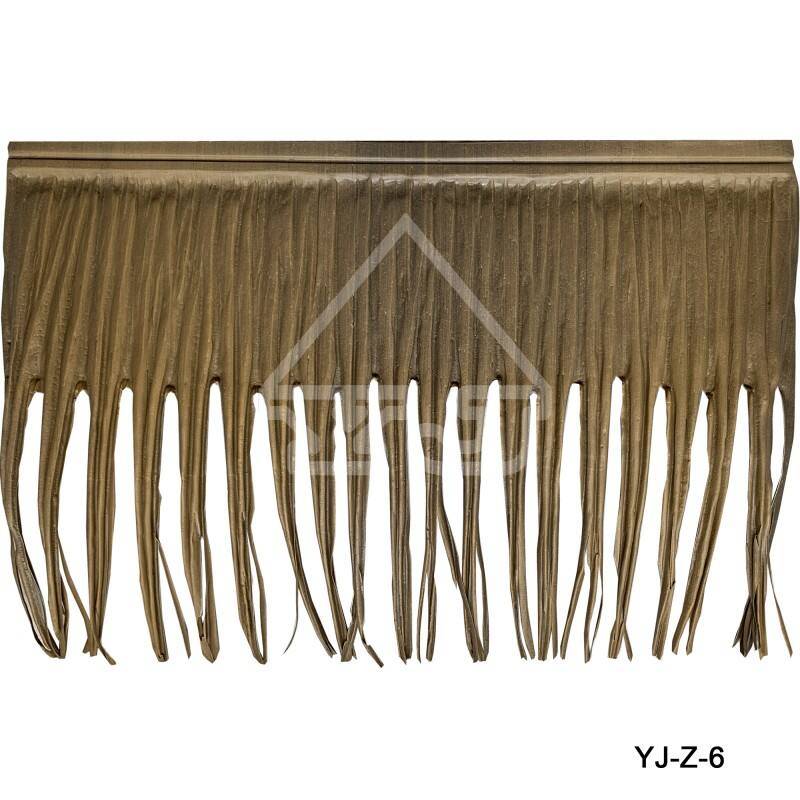
Modern synthetic palm leaf thatch represents a significant advancement in building materials technology. These products are typically manufactured using high-density polyethylene or similar polymer compounds that have been specifically engineered to mimic the appearance and texture of natural palm fronds. The manufacturing process involves careful attention to color variation, texture patterns, and dimensional accuracy to ensure the final product closely resembles authentic palm leaves while delivering superior performance characteristics.
The polymer matrix used in quality synthetic palm leaf thatch incorporates UV stabilizers and colorfast additives that prevent degradation from solar radiation. This chemical composition ensures that the material maintains its original color and structural integrity even after years of exposure to harsh weather conditions. Unlike natural palm leaves that dry out, crack, and require frequent replacement, synthetic alternatives maintain their flexibility and appearance throughout their extended service life.
Manufacturing Quality Standards
Premium synthetic palm leaf thatch undergoes rigorous quality control processes during production to ensure consistent performance across different batches and applications. Manufacturing standards typically include testing for tensile strength, UV resistance, color stability, and fire resistance properties. These quality measures ensure that commercial building applications receive materials that meet or exceed industry standards for durability and safety.
The production process also incorporates environmental considerations, with many manufacturers using recycled materials in their synthetic palm leaf thatch products. This approach not only reduces environmental impact but also contributes to sustainable building practices that are increasingly important in commercial construction projects. The manufacturing consistency achieved through automated production processes ensures that large commercial installations maintain uniform appearance and performance characteristics.
Durability Advantages for Commercial Applications
Weather Resistance Performance
Commercial buildings require materials that can withstand extreme weather conditions without compromising structural integrity or aesthetic appeal. Synthetic palm leaf thatch excels in this area by offering superior resistance to wind, rain, and temperature fluctuations. The polymer construction allows these materials to flex under wind loads without breaking, unlike natural materials that become brittle over time and may fragment during storms.
Water resistance is another critical advantage of synthetic palm leaf thatch in commercial applications. The non-porous surface prevents water absorption that could lead to rot, mold, or structural degradation. This characteristic is particularly valuable in humid climates where moisture-related damage is a constant concern for building maintenance teams. The material also resists freeze-thaw cycles that can cause cracking and deterioration in traditional roofing materials.
UV Protection and Color Stability
Ultraviolet radiation poses one of the greatest threats to building materials in sunny climates, causing fading, brittleness, and eventual failure. High-quality synthetic palm leaf thatch incorporates advanced UV stabilizers that protect the polymer matrix from photodegradation. This protection ensures that commercial buildings maintain their attractive appearance for extended periods without the need for frequent replacement or maintenance interventions.
Color stability testing demonstrates that premium synthetic palm leaf thatch products can maintain their original coloration for decades under normal exposure conditions. This longevity is particularly important for commercial applications where consistent appearance is crucial for brand image and customer perception. The stable coloration also eliminates the need for periodic refinishing or replacement that would be required with natural materials or lower-quality synthetic alternatives.
Installation Considerations for Commercial Buildings
Structural Integration Methods
Successful installation of synthetic palm leaf thatch in commercial applications requires careful consideration of structural support systems and attachment methods. The lightweight nature of synthetic materials reduces structural loading compared to traditional roofing materials, but proper fastening is essential to ensure long-term performance. Installation teams must understand the specific requirements for different building types and environmental conditions.
Modern synthetic palm leaf thatch products are designed with installation efficiency in mind, featuring interlocking systems or standardized attachment points that streamline the construction process. These design features reduce labor costs and installation time while ensuring consistent results across large commercial projects. Proper installation techniques also include considerations for thermal expansion, wind uplift resistance, and water drainage to prevent performance issues over the building's service life.
Maintenance Requirements and Procedures
One of the most significant advantages of synthetic palm leaf thatch for commercial buildings is the minimal maintenance requirements compared to natural alternatives. Regular maintenance typically involves periodic cleaning to remove debris and prevent the accumulation of organic matter that could affect appearance or performance. Simple washing with mild detergent and water is usually sufficient to maintain the material's appearance and functionality.
The durability of synthetic palm leaf thatch also means that commercial building owners can develop predictable maintenance schedules and budgets. Unlike natural materials that require frequent inspection and replacement of damaged sections, synthetic alternatives provide consistent performance that allows for long-term planning. This predictability is particularly valuable for commercial properties where unexpected maintenance costs can impact profitability and operations.
Cost-Effectiveness and Return on Investment
Initial Investment Analysis
While the initial cost of synthetic palm leaf thatch may be higher than some traditional materials, the long-term economic benefits make it an attractive option for commercial building projects. The extended service life of synthetic materials means that replacement costs are significantly reduced over the building's operational period. This factor is particularly important for commercial properties where disruption from maintenance activities can impact business operations and revenue generation.
Cost analysis should also consider the reduced labor requirements for installation and maintenance of synthetic palm leaf thatch compared to natural alternatives. The consistency and durability of synthetic materials mean that specialized installation skills are less critical, and maintenance activities can be performed by regular building maintenance staff rather than specialized contractors. These factors contribute to overall cost savings throughout the building's lifecycle.
Long-term Economic Benefits
The economic advantages of synthetic palm leaf thatch extend beyond direct material and installation costs to include broader business benefits. Commercial properties with attractive, low-maintenance exterior features often command higher rental rates and property values. The consistent appearance of synthetic materials helps maintain the property's aesthetic appeal, which is crucial for businesses in hospitality, retail, and entertainment sectors.
Insurance considerations may also favor synthetic palm leaf thatch installations due to improved fire resistance and wind uplift performance compared to natural materials. Some insurance providers offer reduced premiums for buildings that incorporate materials with superior weather resistance and fire safety characteristics. These insurance savings can contribute significantly to the overall return on investment for commercial building projects.
Environmental Impact and Sustainability
Ecological Advantages
The use of synthetic palm leaf thatch in commercial buildings offers several environmental advantages over harvesting natural palm leaves. Sustainable production of synthetic alternatives reduces pressure on natural palm ecosystems and eliminates the transportation impacts associated with harvesting and shipping natural materials from tropical regions. This reduction in environmental impact aligns with corporate sustainability goals and green building certification requirements.
Many synthetic palm leaf thatch products incorporate recycled content, further reducing their environmental footprint. The long service life of these materials also means fewer replacement cycles, reducing waste generation and resource consumption over the building's operational period. These environmental benefits are increasingly important for commercial properties seeking LEED certification or other green building recognition programs.
Recycling and End-of-Life Considerations
Modern synthetic palm leaf thatch products are designed with end-of-life considerations in mind, using polymer compositions that can be recycled into new products when the material eventually reaches the end of its service life. This recyclability ensures that the material does not contribute to long-term waste accumulation and supports circular economy principles in the construction industry.
The extended service life of synthetic palm leaf thatch means that end-of-life considerations are decades away for most installations, providing time for recycling technologies and programs to develop further. This long-term perspective allows building owners to make sustainable material choices while benefiting from immediate performance advantages and cost savings.
FAQ
How long does synthetic palm leaf thatch last on commercial buildings
High-quality synthetic palm leaf thatch typically lasts 15-25 years or more on commercial buildings, depending on environmental conditions and maintenance practices. This longevity significantly exceeds natural palm materials, which usually require replacement every 3-5 years. The extended service life is due to UV stabilizers, weather-resistant polymers, and advanced manufacturing techniques that prevent degradation from sun, rain, and temperature fluctuations.
What are the fire safety characteristics of synthetic palm leaf thatch
Most commercial-grade synthetic palm leaf thatch products meet or exceed building code requirements for fire resistance. These materials are typically manufactured with fire-retardant additives that slow flame spread and reduce smoke generation. However, specific fire ratings vary by manufacturer and product line, so it's essential to verify compliance with local building codes and insurance requirements before installation on commercial properties.
Can synthetic palm leaf thatch be installed over existing roofing materials
In many cases, synthetic palm leaf thatch can be installed over existing roofing materials as a decorative overlay, provided the underlying structure can support the additional load and proper ventilation is maintained. This installation method can reduce costs and construction time while providing the desired aesthetic appearance. However, a structural engineer should evaluate each project to ensure compliance with building codes and structural requirements.
What maintenance is required for synthetic palm leaf thatch on commercial buildings
Synthetic palm leaf thatch requires minimal maintenance compared to natural alternatives. Regular cleaning with mild detergent and water removes debris and maintains appearance. Annual inspections should check for loose fasteners or damage from severe weather. Unlike natural materials, synthetic alternatives don't require treatment for insects, mold, or rot, significantly reducing ongoing maintenance costs and labor requirements for commercial property managers.
Table of Contents
- Understanding Synthetic Palm Leaf Thatch Technology
- Durability Advantages for Commercial Applications
- Installation Considerations for Commercial Buildings
- Cost-Effectiveness and Return on Investment
- Environmental Impact and Sustainability
-
FAQ
- How long does synthetic palm leaf thatch last on commercial buildings
- What are the fire safety characteristics of synthetic palm leaf thatch
- Can synthetic palm leaf thatch be installed over existing roofing materials
- What maintenance is required for synthetic palm leaf thatch on commercial buildings